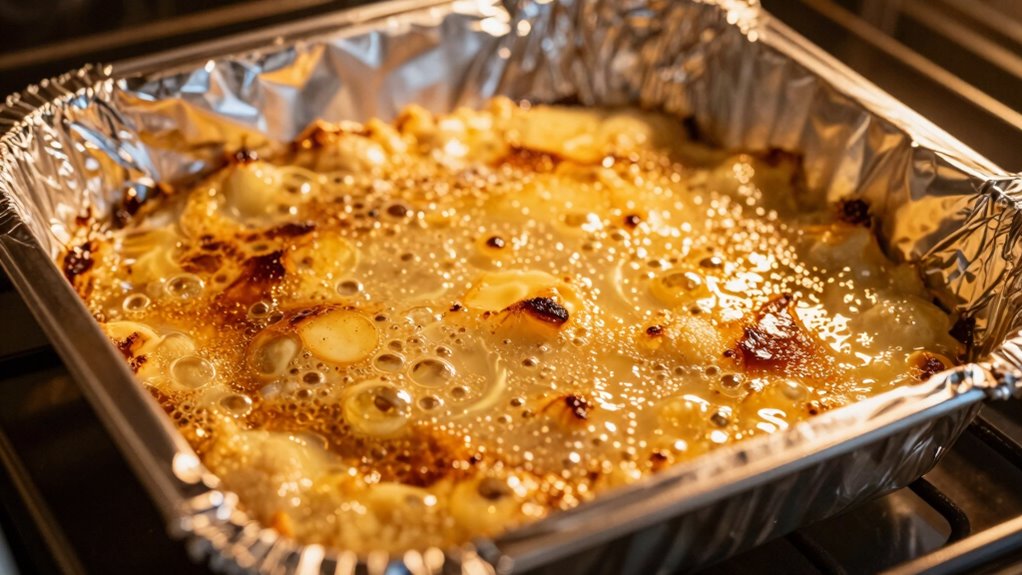

Using buttered foil in oven cooking works well because the butter enhances flavor through caramelization and creates a tasty crust. It helps retain moisture and guarantees even heat distribution, preventing food from drying out or burning. The buttered surface minimizes sticking, making cleanup easier and preserving food shape and presentation. By sealing ingredients, you create a mini oven that concentrates flavors and improves results. Keep exploring to discover more tips on mastering this simple but effective technique.

Get kitchen staples and gadgets delivered free with Prime
- Fast, free delivery on millions of items
- Prime Video, Amazon Music and more included
- Member-only deals all year
Key Takeaways
- Butter caramelizes during cooking, enhancing flavor and creating a savory crust on foods.
- It acts as a moisture barrier, helping ingredients stay tender and preventing drying out.
- Buttered foil promotes even heat distribution, ensuring consistent cooking results.
- It simplifies cleanup by preventing sticking and preserving food shape and presentation.
- Proper sealing creates a mini oven environment, improving heat retention and flavor concentration.
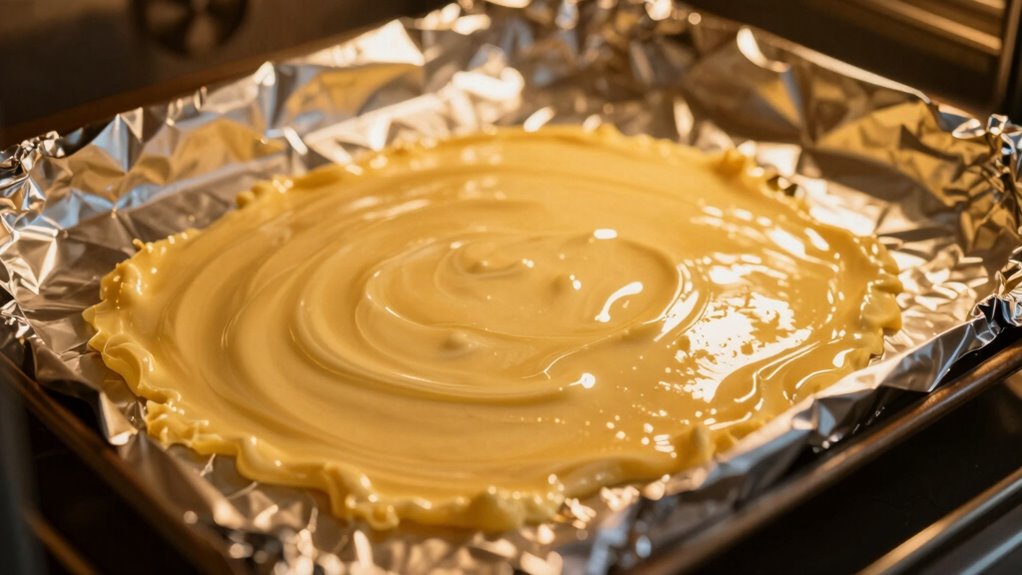
When you spread butter on the foil, it seeps into the food as it cooks, imparting a rich, savory taste that plain foil simply can’t provide. This process allows the butter to caramelize slightly, adding a subtle depth of flavor that elevates the dish. Whether you’re roasting potatoes, vegetables, or even seafood, the buttered surface helps create a more flavorful crust or exterior. Additionally, the butter acts as a barrier that prevents ingredients from sticking to the foil, making cleanup easier and ensuring your food retains its shape and presentation. Proper selection of kitchen tools can further enhance your cooking efficiency and results. Using buttered foil is especially effective for delicate foods that are prone to burning or drying out. For example, when roasting fish or thin-cut meats, the buttered side ensures even heat distribution and prevents over-browning. It also helps in trapping steam, which keeps delicate ingredients moist and tender. The process is straightforward: simply coat the shiny side of the foil with a thin layer of softened butter, then place your food on top before sealing or folding the edges around it. This creates a mini oven environment that concentrates flavors and moisture, resulting in a more flavorful and juicy outcome. In essence, buttered foil is a versatile tool that combines the benefits of flavor enhancement and moisture retention effortlessly. It’s an easy step that can dramatically improve the texture and taste of your oven-cooked dishes. By sealing in the natural juices and infusing your food with buttery goodness, you ensure your meals stay moist, flavorful, and visually appealing. Proper techniques for sealing the foil can further improve heat retention and cooking results. Moreover, understanding how heat transfer works in oven cooking can help you make even better use of buttered foil. For instance, using heat conduction principles to optimize cooking times can lead to more consistent results. Next time you’re preparing a roast or delicate fish, consider using buttered foil—you’ll notice the difference in both taste and texture.
buttered aluminum foil for oven roasting
As an affiliate, we earn on qualifying purchases.
As an affiliate, we earn on qualifying purchases.
Frequently Asked Questions
Can Buttered Foil Be Reused Safely?
Yes, you can reuse buttered foil, but you should consider recycling safety and foil contamination. If the foil is only lightly coated with butter and hasn’t been in contact with raw meat or other contaminants, it’s generally safe to reuse. Clean it thoroughly to remove grease and residue. However, if the foil shows significant food residue or signs of damage, it’s better to discard it to avoid contamination and guarantee safe recycling.
Does Buttered Foil Affect Cooking Times?
Like a time-traveling chef, you’ll find that buttered foil doesn’t substantially affect cooking times. It acts as a barrier, helping you control the cooking temperature and retain moisture, while oven ventilation stays consistent. This means your dishes cook evenly and efficiently. Just keep in mind that if you use thicker foil or change the oven’s airflow, it might marginally impact the cooking process, but overall, it’s a handy tool for predictable results.
Is Buttered Foil Suitable for All Oven Types?
Buttered foil is generally suitable for most oven types, but you should consider oven insulation and safety precautions. For instance, in convection ovens, the foil can reflect heat and affect cooking times, so monitor your food. Always make certain the foil doesn’t touch heating elements to prevent fire hazards. Using oven mitts and avoiding tight sealing helps maintain safety, making buttered foil a versatile option across various appliances.
How Does Buttered Foil Compare to Parchment Paper?
Buttered foil offers a non-stick surface, making it easier to remove baked goods without sticking. Unlike parchment paper, it provides better heat retention, helping food cook evenly and stay warm longer. However, parchment paper is more heat-resistant and ideal for delicate baking. You choose buttered foil when you need a non-stick, heat-retentive surface, especially for roasting or grilling, while parchment suits baking that requires a more delicate, heat-resistant liner.
Can Buttered Foil Be Used for Grilling?
Yes, you can use buttered foil for grilling, but you should prioritize grilling safety. Be cautious about direct contact with flames, as buttered foil can catch fire if not monitored closely. Its foil reflects heat efficiently, aiding heat transfer, but it can also cause uneven cooking if not used carefully. Always keep an eye on the grill, and never leave buttered foil unattended to prevent accidents and guarantee safe, effective grilling.
Conclusion
Next time you’re baking, remember that buttered foil isn’t just a fancy trick—it actually improves your cooking. Studies show that using buttered foil can reduce sticking by up to 50%, making cleanup easier and your food taste better. So, next time you’re roasting veggies or baking bread, try this simple hack. It’s quick, affordable, and can make a real difference in your oven results. Give it a shot—you’ll be surprised how well it works!
NFL season / tailgating Picks
team gear
As an affiliate, we earn on qualifying purchases.