🔍 Read the full analysis: Zuppa Di Farro: Spelt Soup From The Garfagnana on Mad Tasting

Get kitchen staples and gadgets delivered free with Prime
- Fast, free delivery on millions of items
- Prime Video, Amazon Music and more included
- Member-only deals all year
TL;DR
Zuppa di farro is a filling Tuscan soup of farro, beans, vegetables and herbs, particularly associated with the Garfagnana in northern Tuscany. Garfagnana farro is generally identified as emmer, though English descriptions often call it spelt; check the package because grain type and processing affect cooking time.
Zuppa di farro, a hearty Tuscan soup of grain, beans and vegetables, is especially associated with the Garfagnana in northern Tuscany. A food guide from Mad Tasting highlights a practical detail for cooks: Garfagnana farro is generally identified as emmer, even though English-language descriptions may call it spelt, and the grain’s species and processing can change how long it takes to cook.
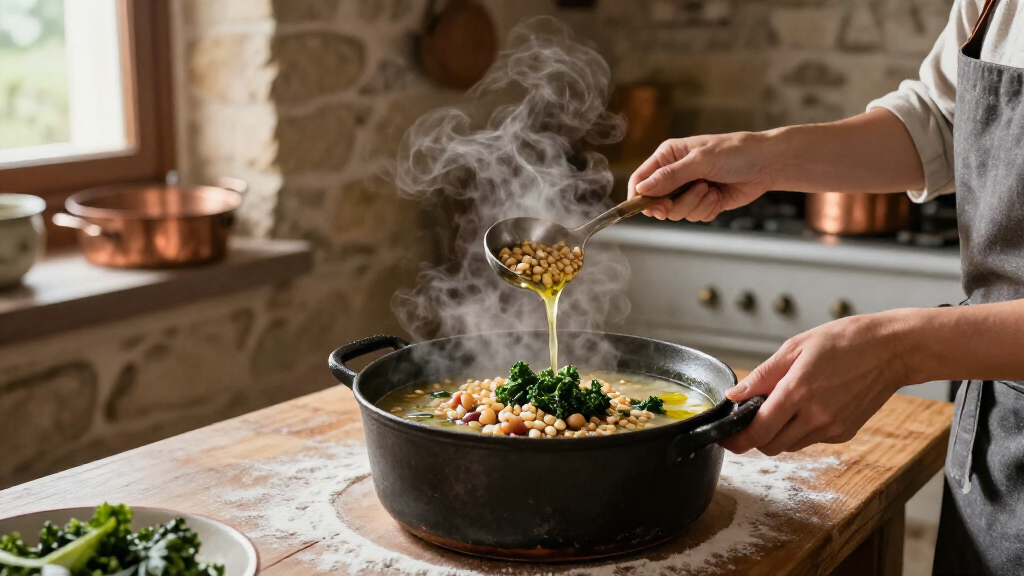
The soup draws its substance from farro and beans, while onion, carrot, celery, garlic, tomato and herbs build the broth. Beans soften as they cook and can thicken the liquid; farro contributes a chewy bite. The source describes the dish as flexible, with household versions varying in thickness and ingredients. Some cooks add potatoes, while others make it meat-free or include pancetta for a smokier, richer flavor.
The guide recommends checking the grain label and package directions before cooking. Italian farro may refer to emmer, einkorn or spelt, depending on the context. Whole kernels retain more of their outer layer and may take longer to soften, while pearled farro generally cooks faster. Because those differences affect timing, the grain and beans may need to be cooked or added at different points.
A slowly cooked base of vegetables helps develop flavor before broth or water is added. The guide suggests tasting a kernel near the end of cooking and adding liquid if the grain remains firm. Cooks can simmer the farro directly in the soup for a more integrated meal, or cook it separately to better control the broth, particularly when planning for leftovers.
A regional bowl · Northern Tuscany
Zuppa Di Farro: Spelt Soup From The Garfagnana
A filling Tuscan soup of farro, beans, vegetables and herbs, closely associated with the Garfagnana. One detail matters before the pot goes on: the grain called farro may vary by species and processing, so check the package for cooking guidance.
Simple ingredients, layered flavor
The soup combines pantry staples with a slowly developed vegetable base. The grain brings a chewy bite; beans soften and can thicken the broth as they cook.
Farro and beans
Grain adds texture and substance, while beans make the soup filling. Dried or canned beans can work; their timing depends on the product and the grain.
Everyday vegetables
Onion, carrot, celery, garlic and tomato build the broth. Herbs bring aroma, and a slow start helps develop flavor before broth or water is added.
Adjust to taste
Some versions include potatoes for extra heft or pancetta for a smokier, richer flavor. Meat-free bowls let beans and herbs carry more of the character.
One name can describe different grains
Italian farro may refer to emmer, einkorn or spelt, depending on context. Species and processing affect texture and cooking time, so the word “farro” alone may not tell you enough.
Emmer
Mad Tasting generally identifies Garfagnana farro as emmer, although English-language descriptions may use “spelt” for the soup.
Whole or pearled
Whole kernels retain more of their outer layer and may take longer to soften. Pearled farro generally cooks faster. Follow the package directions.
Let the grain set the schedule
There is no single definitive recipe or universal cooking time. Use the grain and bean package guidance, then taste and adjust as the soup cooks.
Read the label
Identify the grain and whether it is whole or pearled. Check its cooking directions.
Start the base
Cook the vegetables slowly, then add broth or water and plan the grain and bean timing.
Check for tenderness
Taste a kernel near the end. Give it more time and liquid if it is still firm.
Set the texture
Adjust the liquid to taste. Beans may soften into the broth and thicken it naturally.
Simmer farro in the soup for a more integrated bowl. Cook it separately when you want closer control over the broth, especially when planning leftovers.
A tradition of resourceful home cooking
The guide connects the soup to cucina povera: practical cooking that makes a nourishing meal from affordable, everyday ingredients.
The Garfagnana
This mountainous area in northern Tuscany is closely associated with zuppa di farro. Grain and beans turn a vegetable base into a substantial meal without requiring much meat or dairy.
Farro della Garfagnana PGI
The PGI designation links a product to a defined place and production requirements. It identifies that regional product; it does not mean all farro comes from the Garfagnana.
A few useful checks
Small adjustments make it easier to get the texture you want and plan ahead for the next bowl.
Follow the grain directions. Species and processing affect how long farro takes to soften.
Check the kernel. Taste before serving and allow extra time and liquid if it remains firm.
Choose beans for your schedule. Dried or canned beans can work; follow their package guidance.
Plan for leftovers. Refrigerate promptly in a covered container and reheat until steaming hot. Add water or broth if the soup thickens.
What cooks often want to know
Is Garfagnana farro the same as spelt?
Not necessarily. Mad Tasting says it is generally identified as emmer, while English descriptions may call the dish spelt soup. Read the package when the distinction matters.
What goes into zuppa di farro?
The basic combination is farro, beans and vegetables, often onion, carrot, celery, garlic and tomato, with herbs. Some versions add potatoes or pancetta.
Can I use canned beans?
Yes. The guide describes the soup as workable with dried or canned beans. Timing depends on the beans and farro; check that the grain is tender before serving.
What does PGI mean?
Protected Geographical Indication connects a product to a specified place and production requirements. It identifies Farro della Garfagnana, not every product labeled farro.
Source: Mad Tasting. The guide offers culinary context and practical cooking suggestions, not a dated announcement or one fixed recipe. Household ingredients and cooking times vary.
The Grain Behind the Regional Name
The distinction between emmer and spelt matters for shoppers trying to match the regional ingredient, and for cooks following recipes with a specified cooking time. The name “farro” alone may not identify the species or whether the grain is whole or pearled. Reading the label can prevent uneven results, such as tender beans alongside grain that is still hard.
The dish also shows how a meal can be built from grains, beans and everyday vegetables. Its flexibility lets cooks adjust the texture and richness to suit the meal: potatoes make it more filling, pancetta adds savoriness, and a meat-free version lets beans and herbs provide most of the character. Those are variations described by the source, not a single fixed formula.
As an affiliate, we earn on qualifying purchases.
Garfagnana’s Farro Tradition
The Garfagnana is a mountainous area in northern Tuscany, and zuppa di farro is closely associated with the region. The source connects the soup to cucina povera, a tradition of resourceful home cooking that makes practical use of affordable pantry ingredients. Grain and beans turn a vegetable base into a substantial meal without requiring much meat or dairy.
For cooks seeking a product specifically tied to the area, the guide points to Farro della Garfagnana PGI. PGI, or Protected Geographical Indication, links a product to a defined place and production requirements. The designation applies to that regional product; it does not mean that all farro sold under the general name comes from the Garfagnana.
““Garfagnana farro is generally identified as emmer.””
— Mad Tasting
Labels and Cooking Times Vary
The guide does not establish a single recipe or cooking time for every version of the soup. Farro species and processing differ, and package directions are needed to determine how long a particular grain takes. The source’s description of Garfagnana farro as generally emmer also leaves room for variation; a label that says only “farro” may not identify the species.
The source provides no dated news announcement or new policy development. It presents culinary guidance, so claims about the soup’s regional association and ingredient variations should be understood as the guide’s account. The precise ingredients in any household’s version remain a matter of local and personal choice.
Check the Grain Before Cooking
For a first pot, choose the farro you can identify, read its package directions and use those instructions to plan when to add it. If regional origin matters, look for Farro della Garfagnana PGI or ask a specialty shop whether the grain is emmer and where it was grown. Taste the grain before serving and allow more time and liquid if it remains firm.
Choose dried or canned beans according to the time available, then adjust the soup to the texture you want. The source recommends cooking farro separately when you want more control over the broth in leftovers. Refrigerate leftovers promptly in a covered container and reheat until steaming hot; if the soup thickens as it stands, add water or broth when reheating. Follow food-safety instructions for the specific ingredients and storage conditions.
Key Questions
Is Garfagnana farro the same as spelt?
Not necessarily. Mad Tasting says Garfagnana farro is generally identified as emmer, while English descriptions may call the soup spelt soup. Read the package to identify the grain when that distinction matters.
What goes into zuppa di farro?
The basic combination is farro, beans and vegetables, often including onion, carrot, celery, garlic and tomato, with herbs for aroma. Some versions add potatoes or pancetta; the source describes no single definitive recipe.
Can I use canned beans?
Yes. The source describes the soup as workable with dried or canned beans. The timing will depend on the beans and farro you use, so follow package directions and check that the grain is tender before serving.
What does PGI mean on Farro della Garfagnana?
PGI means Protected Geographical Indication, an EU designation connecting a product to a specified place and production requirements. The designation identifies that regional product; it does not apply to every product labeled farro.
Source: Mad Tasting
Fall Picks
fall essentials
As an affiliate, we earn on qualifying purchases.