TL;DR

Get kitchen staples and gadgets delivered free with Prime
- Fast, free delivery on millions of items
- Prime Video, Amazon Music and more included
- Member-only deals all year
A Good Housekeeping report recommends eight fall foods for Mediterranean-style meals: butternut squash, lentils, pears, kale, citrus, walnuts, olive oil and pomegranate. The article describes ways to use them and summarizes potential nutritional benefits, but it does not report new clinical findings or establish that any one food prevents or treats disease.
Good Housekeeping’s fall food guide recommends eight ingredients for Mediterranean-style meals: butternut squash, lentils, pears, kale, citrus fruits, walnuts, olive oil and pomegranates. The report offers serving ideas and describes nutrients associated with the foods, giving readers a seasonal menu guide rather than announcing new nutrition research.
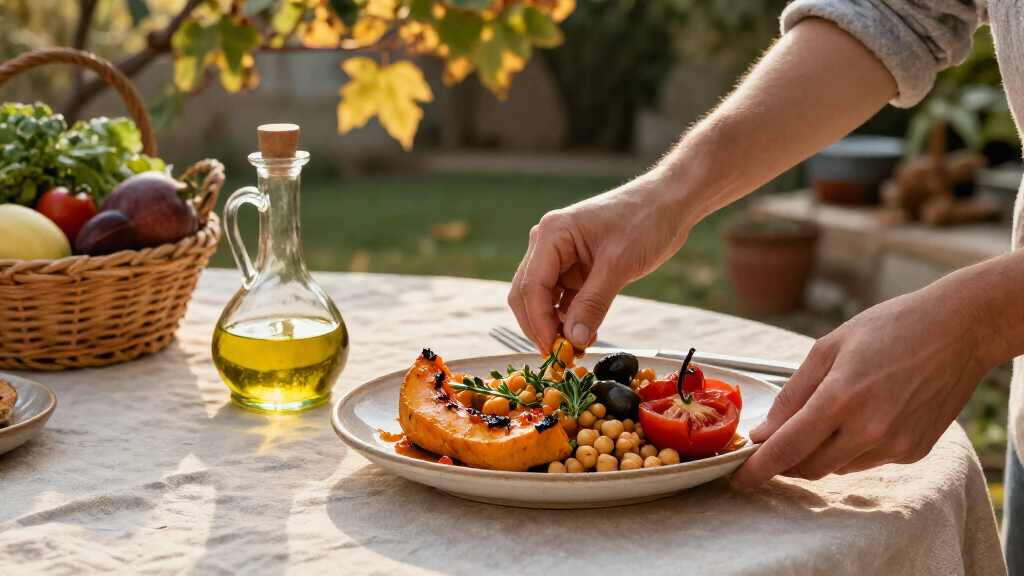
The list spans produce, legumes, nuts and a cooking fat. Butternut squash can be roasted with olive oil and herbs, blended into soup or added to pasta and salads. The report points to its fiber and beta carotene. Lentils work in soups, stews and salads, and supply plant-based protein, fiber and iron. One suggested meal combines warm lentils with roasted root vegetables and lemon-tahini dressing.
For fruit and greens, the guide suggests fresh pears as a snack or dessert, or paired with walnuts and feta in a salad. It recommends massaging kale with olive oil and lemon juice to soften it, while also noting the green holds up in soups and stews. Lemons and oranges, whose season begins in November according to the report, can brighten lentil and kale stew or complement squash and white beans.
The remaining suggestions are walnuts, olive oil and pomegranate. Walnuts can top oatmeal, yogurt or salads; olive oil can be used for sautéing, dressings or as a finishing drizzle. Pomegranate seeds can add a sweet-tart element to roasted vegetables, grain bowls, hummus or yogurt. These are practical meal ideas, not evidence that a particular dish produces a specific health outcome.
Seasonal Ingredients, Everyday Meals
The guide matters as a practical seasonal roundup for readers planning fall meals around a Mediterranean-style eating pattern. Its suggestions pair familiar autumn produce with legumes, nuts and olive oil, offering options for soups, salads, grain bowls and snacks as the weather cools.
The nutritional descriptions also need to be read at the right level. The report associates ingredients with nutrients such as fiber, vitamin C and plant-based fats, and mentions research-linked health possibilities. Those statements do not establish that adding one food prevents, treats or cures disease. The article is a food guide, not a new study or individualized medical advice.
Products Worth Considering

KitchenAid Artisan 5-Qt Tilt-Head Stand Mixer – Dried Rose (KSM150PS)

Cuisinart Stainless Steel Bread Maker, 16 Programs, 2 lb Capacity

Jura E6 Automatic Espresso Machine, Piano Black (15622)
As an affiliate, we earn on qualifying purchases.
How the Guide Frames Fall Eating
The source presents these foods as seasonal additions to a Mediterranean approach that emphasizes ingredients including vegetables, fruits, legumes, nuts and olive oil. It focuses on what is available or appealing in fall, from squash and kale to citrus beginning in November and pomegranates in late fall and early winter.
Two nutrition professionals are quoted in the source. Stuart discusses squash as a versatile fall ingredient, while Shaw describes how citrus can pair with beans and lentils. The provided material does not include their full credentials or a detailed account of the research behind each health statement, so those comments are best understood as expert guidance reported by the publication.
““Fall is the perfect time to enjoy butternut squash, a fantastic addition to the Mediterranean diet.””
— Stuart, quoted by Good Housekeeping
What the Health Claims Establish
The supplied report does not present new research, study methods or numerical results. It refers broadly to data linking some foods or their compounds with possible health benefits, but does not provide enough detail here to evaluate the strength, size or limits of those findings. Phrases such as “may help” and “some data suggest” describe possibilities, not proven effects from eating these foods.
It is also unclear from the supplied material when the original article was published and what credentials Stuart and Shaw hold. Individual nutrition needs vary, and the guide does not address medical conditions, allergies or dietary restrictions.
Ways to Use the List
Readers can use the recommendations to build meals around ingredients they already enjoy: roast squash with olive oil, add lentils to soup, pair pears with walnuts, or finish a kale and grain dish with citrus. The source does not announce a follow-up report, new research release or scheduled next step; it offers recipes and meal ideas for the fall season.
Anyone with food allergies or a medical diet should adapt the suggestions accordingly. The report’s examples include possible allergens such as walnuts, feta, tahini and dairy; check ingredient labels and recipe details before serving.
Key Questions
Which foods does the fall guide recommend?
Good Housekeeping lists butternut squash, lentils, pears, kale, lemons and oranges, walnuts, olive oil and pomegranates as ingredients for Mediterranean-style fall meals.
What are some easy ways to use these foods?
The report suggests roasting squash, adding lentils to soups or salads, pairing pears with walnuts, softening kale with olive oil and lemon, and using citrus or pomegranate as a bright finish for savory dishes.
Does the report prove these foods prevent disease?
No. It is a seasonal food guide, not a new clinical study. The report describes nutrients and potential health associations, but the supplied material does not establish that eating a specific food prevents or treats disease.
Do the suggested foods include common allergens?
Some suggested combinations include walnuts, feta, tahini and dairy. Check recipes and labels for allergens, and substitute ingredients where needed.
Source: goodhousekeeping.com