TL;DR

Get kitchen staples and gadgets delivered free with Prime
- Fast, free delivery on millions of items
- Prime Video, Amazon Music and more included
- Member-only deals all year
A Good Housekeeping report recommends tackling 13 categories of household clutter in November, ahead of holiday hosting and seasonal items arriving at home. Professional organizers cited in the report suggest checking pantry and refrigerator goods, winter clothing, toys, decor and unused kitchenware; the advice is general guidance, not a requirement to discard items on a set schedule.
Good Housekeeping has published 13 November decluttering targets, drawing on advice from professional organizers who say clearing out selected household items can free space before holiday guests, meals and seasonal purchases arrive. The list includes expired pantry goods, unused winter accessories, old decor and extra kitchenware; the recommendations are organizers’ advice, not a formal safety or disposal standard.
The report recommends checking linens and cold-weather accessories for items that are worn, uncomfortable or no longer used. Organizer Bergman says to repair what can be fixed and let go of items people avoid, such as itchy gloves or a scarf that slips. It also suggests sorting the guest room, where belongings from other rooms and things kept “just in case” can accumulate. Organizer Hoepner says items not used for a year may be candidates to remove, though that is a rule of thumb rather than a universal test.
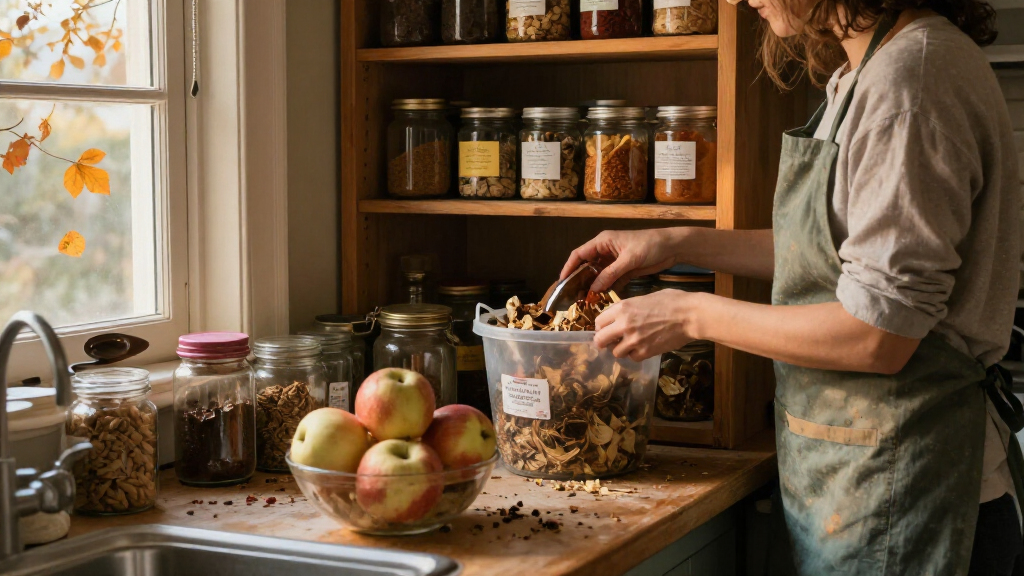
Food storage is another focus before holiday cooking. The organizers advise reviewing expired pantry items and old refrigerator condiments to create room for seasonal groceries and leftovers. The report does not specify food-safety time limits; readers should follow product labels and food-safety guidance rather than relying on appearance alone to judge whether food is safe.
Other suggested categories include children’s toys and games, family china that goes unused, fading fall decorations, holiday outfits unlikely to be worn, festive makeup, Christmas decorations left in storage after decorating, sentimental papers and photos, and surplus or worn kitchen items. Matt Paxton suggests families consider letting go of 25% to 50% of existing toys before holiday gifts arrive. That figure is his recommendation, not a measured finding or required target.
Making Room Before Holiday Hosting
The advice addresses a practical seasonal pinch point: households often need more usable kitchen, refrigerator and guest-room space as holiday cooking and visits approach. Reviewing belongings in advance may help people identify what they actually use and avoid searching through closets or storage for needed seasonal items.
The recommendations also distinguish between discarding, repairing and donating. Not everything on the list belongs in the trash: usable toys, clothing, decor or kitchenware may be donated or passed to family. The report presents decluttering as a set of optional decisions, leaving households to weigh usefulness, condition, sentimental value and local donation options.
Products Worth Considering

Ninja NC501 CREAMi XL Deluxe 11-in-1 Ice Cream and Frozen Treat Maker with Two XL Containers

Weber Searwood 600 Wood Pellet Smoker Grill, Black

Cuisinart Chef's Classic 7-Piece Stainless Steel Cookware Set
As an affiliate, we earn on qualifying purchases.
The Organizers’ Seasonal Checklist
The article is a Good Housekeeping home-organizing report that gathers advice from named professional organizers, including Bergman, Hoepner, Olivia Parks of Nola Organizers, Allison Flanders of ORG NYC and Allison Flinn of Reclaim. It also quotes Matt Paxton, author of Keep the Memories, Lose the Stuff and host of Filthy Fortunes.
Its timing is tied to the approach of Thanksgiving and December holidays: fall decorations may be past their best, winter clothing is coming into regular use, and households may be preparing for visitors and new gifts. The report offers a seasonal checklist rather than reporting a new policy, study or industry-wide finding.
““The goal should be to let go of about 25% to 50% of their existing toys to make space for the items coming in December.””
— Matt Paxton, author and host
What the Checklist Does Not Set
The report does not establish that every household should clear all 13 categories, nor does it provide one-size-fits-all rules for deciding what to keep. Paxton’s toy percentage and Hoepner’s one-year suggestion are individual organizers’ advice. The source also does not provide specific food storage timelines, donation availability by location or disposal instructions for damaged items.
It is also not clear from the supplied report when it was published. Its recommendations are presented as seasonal guidance, not as findings from a survey or scientific study.
How Households Can Apply the Advice
Readers can use the list as a prompt to review one area at a time before holiday preparations intensify. Check labels and relevant food-safety guidance when sorting pantry and refrigerator items; repair usable belongings where practical, and consider donation or family handoffs for items that remain in good condition. The source does not announce a follow-up report or a specific next milestone.
Key Questions
What are the 13 items or categories organizers suggest reviewing in November?
The list covers dingy linens, unwanted winter accessories, expired pantry items, guest-room clutter, children’s toys and games, unused family china, worn fall decor, unworn holiday outfits, old condiments, festive makeup, unused Christmas decorations, sentimental letters and photos, and extra kitchenware.
Do organizers say everyone should throw away 25% to 50% of children’s toys?
No. That range is Matt Paxton’s suggestion for families preparing for toys that may arrive in December. It is advice from the source, not a requirement or research-based standard.
Should usable items be thrown away?
Not necessarily. The report includes suggestions to repair, donate or pass items to family when appropriate. The right option depends on the item’s condition and whether a suitable recipient or donation service is available.
How should people decide whether pantry food or condiments are safe?
The report advises clearing out expired or old products but does not set food-safety timelines. Check product labels and reliable food-safety guidance; do not use appearance alone to determine whether a food is safe.
Source: goodhousekeeping.com