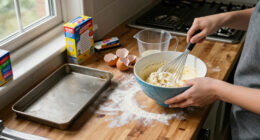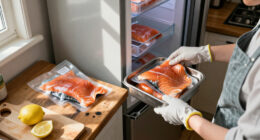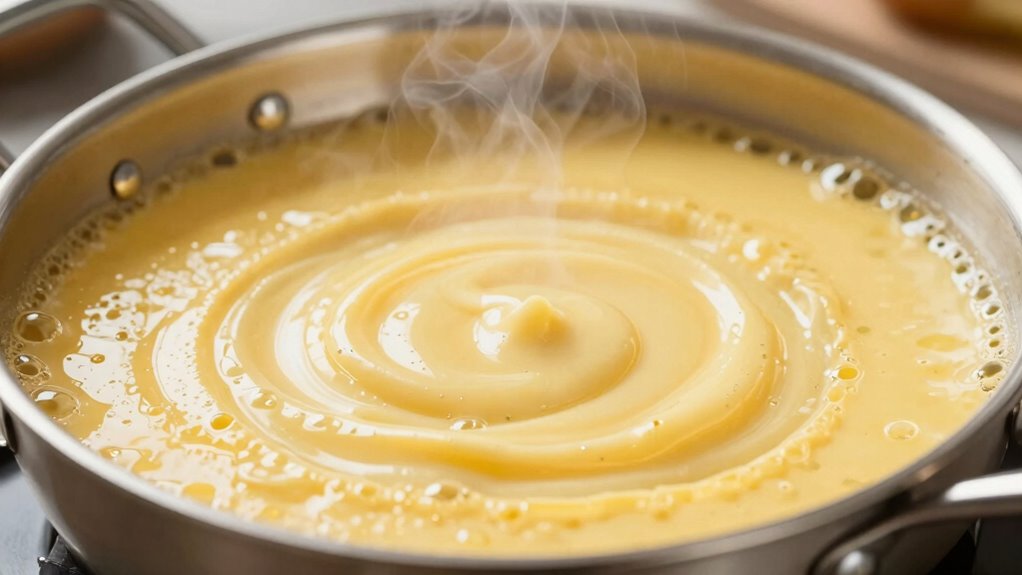

To avoid oily separation when reheating butter-rich dishes, reheat slowly using low heat or a double boiler, and stir frequently to keep the emulsion stable. Incorporate a splash of water, milk, or broth if separation occurs, and skim off excess oil if needed. Using fresh, high-quality butter and gentle reheating methods helps maintain the dish’s texture. Keep following these tips for more ways to keep your dish smooth and flavorful.

Get kitchen staples and gadgets delivered free with Prime
- Fast, free delivery on millions of items
- Prime Video, Amazon Music and more included
- Member-only deals all year
Key Takeaways
- Reheat slowly using low heat methods like a double boiler or gentle stovetop to prevent fats from melting unevenly.
- Stir frequently during reheating to maintain emulsion and distribute heat evenly throughout the dish.
- Add small amounts of cold liquids (water, milk, broth) to re-emulsify fats if separation begins.
- Avoid rapid microwave reheating; opt for short intervals with constant stirring for better control.
- Use high-quality, fresh butter and proper containers to promote even melting and reduce separation risks.
double boiler for gentle reheating
As an affiliate, we earn on qualifying purchases.
As an affiliate, we earn on qualifying purchases.
How to Prepare Butter-Based Dishes to Prevent Greasy Separation
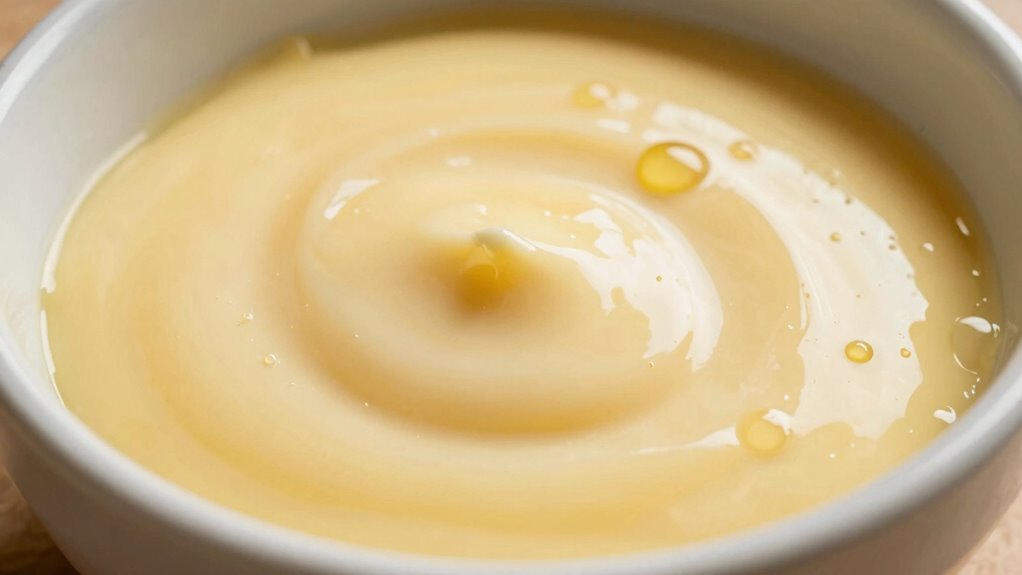
To prevent greasy separation in butter-based dishes, it’s essential to start with proper preparation techniques. First, choose high-quality butter, as it melts more evenly and resists separation during reheating. When preparing your dish, avoid overmixing or excessive heating, which can break down the butter’s emulsion. Incorporate ingredients like flour or cornstarch to stabilize the mixture and improve its ability to hold together after reheating. Also, consider tempering the butter by slowly incorporating it into hot ingredients, preventing sudden temperature changes that cause separation. When reheating later, use gentle reheating techniques such as low heat or water baths to maintain even temperature and preserve the dish’s integrity. Proper preparation and reheating methods work together to keep your dish smooth and prevent greasy separation.
Why Does Butter Sometimes Separate When Reheating?
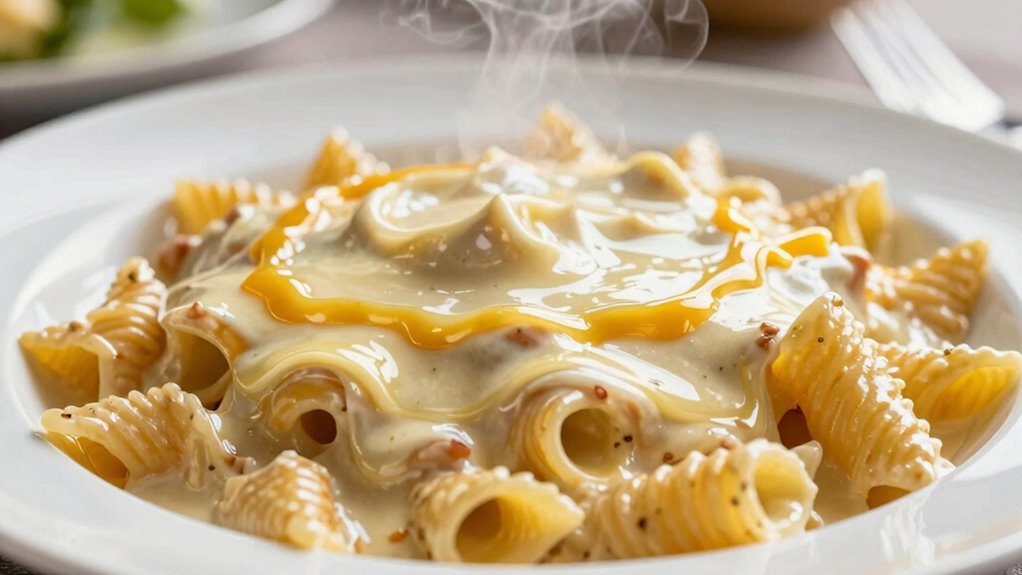
You might notice butter separates when reheating, often due to how fat responds to heat. Fluctuations in temperature can cause the butter’s fats to split apart, making the dish appear greasy. Additionally, the quality and type of butter you use can influence how well it holds together during reheating. Vetted
Fat Separation During Heating
Ever wonder why butter sometimes separates into oily pools when reheated? This often happens because the fat in butter melts at a different rate than the proteins and water, causing separation. To prevent this, you can make seasoning adjustments—adding a touch of acid like lemon juice or vinegar helps stabilize the mixture. Ingredient substitutions also play a role; using clarified butter or ghee, which have less water, reduces chances of separation. Stirring gently and reheating slowly helps maintain even heat distribution, preventing sudden temperature changes that cause fats to separate. Paying attention to these factors ensures your dish stays creamy and cohesive, avoiding that greasy, oily layer on top. Proper seasoning and ingredient choices keep your reheated butter-rich dishes smooth and delicious. Additionally, maintaining a consistent temperature during reheating can help prevent the fats from separating further, ensuring a better texture. Recognizing fat composition and how it reacts during heating can further improve your results.
Temperature Fluctuations Effect
When reheating butter-rich dishes, sudden temperature changes can cause the fats to separate, leading to a greasy layer on top. This happens because inconsistent temperature stability allows the fats to melt unevenly, disrupting the emulsion. Using improper reheating equipment, like high-power microwaves or direct stovetop heat, can cause rapid temperature fluctuations. These fluctuations cause the butter to heat unevenly, making some parts hotter than others and encouraging separation. To avoid this, opt for gentle reheating methods that maintain consistent heat, such as using a double boiler or low setting on your microwave. Proper heat distribution plays a crucial role in preventing separation and achieving the desired consistency. Ensuring temperature stability during reheating further helps maintain the dish’s smooth, creamy texture and prevents greasy separation. Additionally, incorporating gentle stirring during reheating can help promote emulsion stability, reducing the risk of separation. Maintaining consistent temperature control is essential for preserving the quality of butter-rich dishes during reheating, and choosing equipment that supports temperature regulation can make a significant difference.
Quality of Butter Used
The quality of butter plays a crucial role in how well a dish holds together during reheating. Poor butter quality, especially if it’s not fresh, can cause separation and an oily texture. When the dairy isn’t fresh, it contains more moisture and less fat stability, making it prone to breaking down when reheated. Using high-quality, fresh butter ensures better emulsification and consistency. Look for butter with a bright color and a fresh aroma, indicating good dairy freshness. Cheaper or older butter often contains impurities or has started to spoil, increasing the risk of separation. By choosing fresh, high-quality butter, you improve the chances of your dish reheating smoothly without oily separation, preserving the rich, creamy texture you desire. Incorporating well-crafted ingredients like yarn for scarves can also be a metaphor for the importance of quality materials in cooking.
What Are the Best Methods to Reheat Butter-Rich Recipes Without Greasiness?
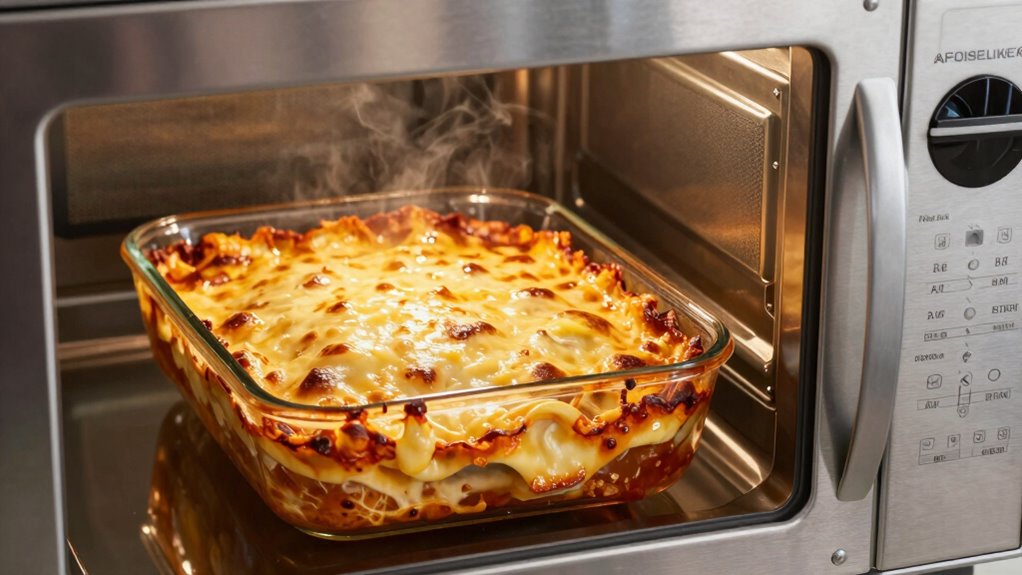
To reheat butter-rich dishes without ending up greasy, focus on gentle methods like low-temperature oven or stovetop reheating. Using the right containers, such as glass or ceramic, helps distribute heat evenly and prevents excess oil separation. These techniques keep your dish moist and flavorful without adding unnecessary greasiness. Additionally, employing smart kitchen appliances with precise temperature controls can further improve reheating outcomes by maintaining consistent heat levels. Choosing the appropriate reheating techniques can also minimize the risk of separating fats and preserve the dish’s original texture and flavor.
Gentle Reheating Techniques
Reheating butter-rich dishes requires a gentle touch to prevent excess greasiness and preserve their delicate textures. Using gentle reheating techniques guarantees the dish warms evenly without breaking down the butter’s emulsion. Opt for reheating equipment like a double boiler or a heat diffuser on your stovetop, which provide low and consistent heat. You can also consider alternative ingredients, such as adding a splash of broth or milk, to help maintain moisture and reduce oil separation. Avoid using high heat or microwave settings that can cause rapid melting and separation of fats. Instead, slow, indirect heat allows the dish to warm gradually, keeping textures intact and flavors balanced. This careful approach helps prevent greasy layers and preserves the dish’s original richness. Kitchen science & materials can offer insights into heat distribution and how different cookware materials interact with fats and emulsions, enabling better reheating decisions. Modern kitchen technology can offer smart appliances with precise temperature control to make reheating even more effortless and consistent.
Use of Proper Containers
Choosing the right containers plays a key role in reheating butter-rich dishes without adding greasiness. Proper container selection helps control heat distribution and prevents excess oil from separating. When selecting storage containers, consider these tips:
- Use shallow, wide-mouthed containers to promote even heat transfer.
- Opt for glass or ceramic containers over plastic, as they retain heat better.
- Avoid tightly sealed containers that trap steam; instead, choose ones with vented lids to prevent condensation buildup.
These choices ensure your dish reheats gently, minimizing grease separation. Proper containers help maintain the dish’s original texture and flavor while reducing the risk of oil pooling. Keep these container tips in mind for ideal reheating results, keeping your butter-rich recipes delicious and grease-free.
How Can I Reheat Butter Sauces and Custards Without Separation?
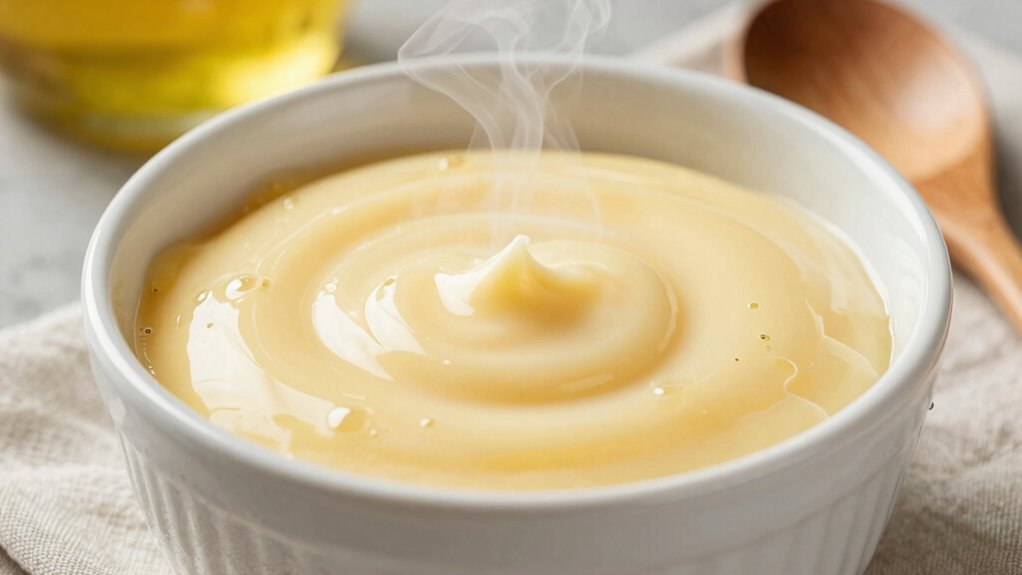
Ever wondered how to reheat butter sauces and custards without causing them to separate? The key is maintaining cream stability during reheating. Use gentle heat, preferably in a double boiler or on low heat, to prevent the fats from breaking away. Incorporate emulsion techniques by stirring constantly, helping the mixture stay uniform. If you notice the sauce or custard starting to thin or separate, add a small amount of cold milk or cream and whisk vigorously to re-emulsify. Avoid overheating, as high temperatures can cause fats to separate and ruin the texture. Reheating slowly and stirring continuously preserves the smooth, creamy consistency, ensuring your butter-based sauces and custards stay luscious without oily separation. Understanding media literacy can help you better interpret and manage how ingredients behave during reheating. Paying attention to ingredient behavior during reheating is essential for achieving the best results.
What Should I Do If My Reheated Dish Turns Greasy?
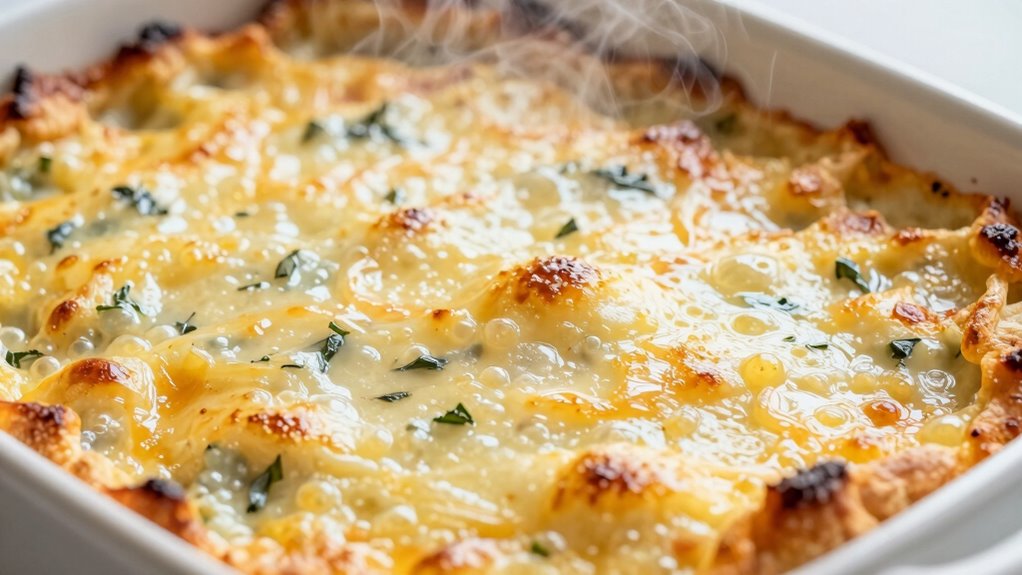
If your reheated dish turns greasy, it’s often a sign that excess fat has separated during the process. To address this oiliness troubleshooting, try these steps:
- Skim off the excess oil with a spoon or paper towel to reduce greasiness.
- Reheat gently over low heat, stirring constantly to reincorporate the fats.
- Add a splash of broth, milk, or water to help emulsify the dish and restore balance.
To prevent butter separation in future reheats, consider reheating slowly and avoiding high temperatures. You can also mix in a small amount of flour or cornstarch before reheating, which helps with butter separation prevention and keeps your dish smooth and creamy.
Additional Tips for Maintaining Texture and Flavor When Reheating
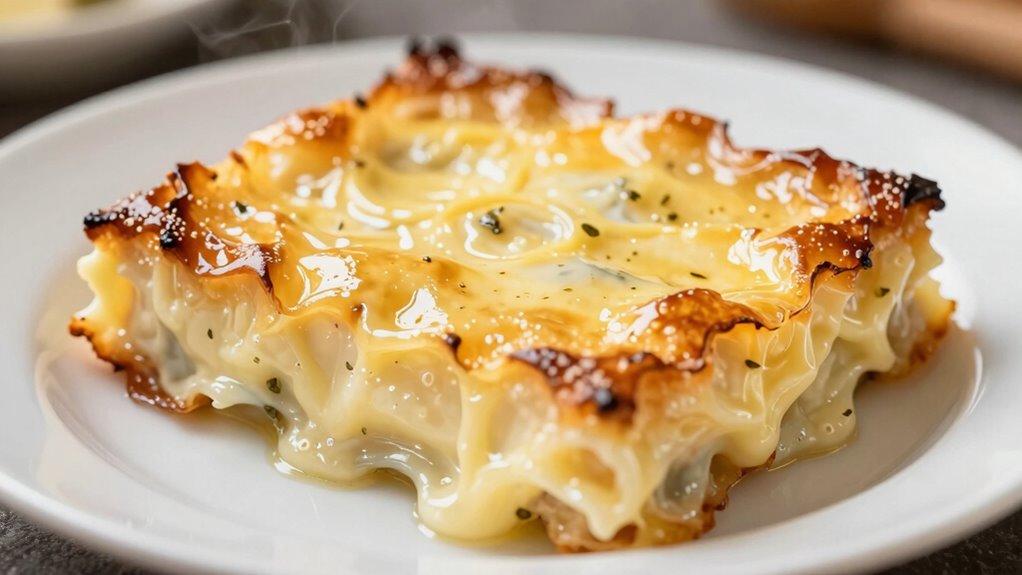
Maintaining the texture and flavor of butter-rich dishes during reheating requires careful attention to temperature and timing. To preserve flavor, avoid high heat, which can cause butter to break down and create a greasy texture. Instead, reheat slowly on low heat or use gentle methods like a double boiler. Stir frequently to evenly distribute heat and prevent separation. Using a splash of broth or milk can help enhance texture and keep the dish moist, supporting texture enhancement. Covering the dish while reheating traps steam, helping retain moisture and flavor. Additionally, reheating in small portions prevents overcooking, maintaining the dish’s original qualities. By controlling heat and moisture, you ensure your dish remains flavorful and retains a desirable, creamy texture.
FAQs About Reheating Butter-Rich Dishes
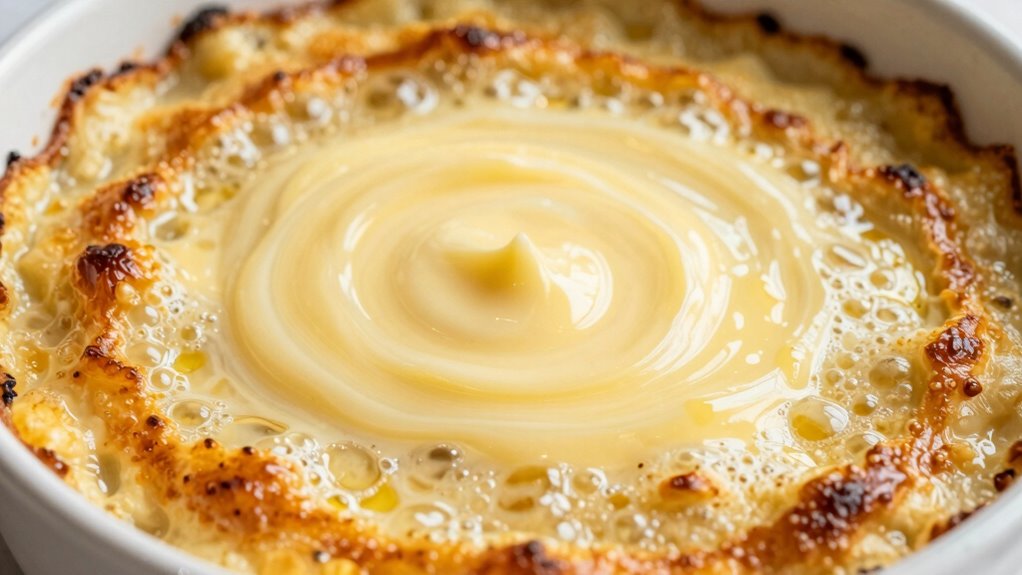
Reheating butter-rich dishes often raises questions about how to best preserve their creamy texture and rich flavor. To avoid issues like butter melting unevenly or losing flavor, consider these FAQs:
- What’s the best way to reheat without separating the butter? Use gentle methods like stovetop on low heat or a double boiler to evenly warm the dish, preventing butter melting too quickly and maintaining flavor preservation.
- Can I reheat in the microwave? Yes, but do short intervals and stir frequently to prevent overheating, which can cause butter to melt and create separation.
- How do I prevent oily separation after reheating? Reheat slowly and add a splash of broth or water if needed, helping the butter meld back into the dish and preserving its rich flavor.
- What role does controlled temperature play in maintaining dish quality? Maintaining a consistent, gentle heat helps keep the fats emulsified and prevents the butter from breaking down, ensuring your dish stays smooth and flavorful.
Frequently Asked Questions
Can I Freeze Butter-Rich Dishes to Prevent Separation During Reheating?
Yes, you can freeze butter-rich dishes to prevent separation during reheating. Use proper freezing tips like airtight containers or wrapping tightly to avoid freezer burn. Store them for up to 2-3 months to maintain quality. When reheating, do so gently on low heat, stirring frequently to keep the butter emulsified. Freezing helps preserve the dish’s texture and flavor, making reheating easier without oily separation.
Does Adding Acid Help Reduce Greasiness When Reheating Butter-Based Foods?
Adding acid during reheating acts like a gentle tide, helping to smooth out greasiness in butter-based foods. It balances flavors and prevents the dish from turning oily like a slick pond. A splash of lemon juice or vinegar can cut through the richness, making the dish feel lighter and more harmonious. Use acid addition thoughtfully, and you’ll enjoy a reheated meal that’s beautifully balanced, without unwanted greasiness.
Are There Specific Cookware Types Better Suited for Reheating Butter Dishes?
You should use non-stick pans or ceramic cookware when reheating butter dishes. These materials distribute heat evenly and help prevent sticking or burning, which can cause oily separation. Non-stick pans make stirring easier and reduce the need for extra fats, while ceramic cookware retains heat well and minimizes hot spots. Both options help you reheat butter-rich foods gently, maintaining their texture and flavor without becoming greasy.
How Does Storage Time Affect Butter Separation Upon Reheating?
Longer storage duration can lead to butter crystallization, which increases the likelihood of oily separation when you reheat your dish. As butter sits, its fat components solidify and may separate during reheating. To minimize this, reheat gently and evenly, stirring occasionally. Use airtight containers to slow crystallization and consume leftovers within a few days. Proper storage helps keep butter’s texture intact and reduces separation issues upon reheating.
Can Using Lower Heat During Reheating Prevent Butter From Separating?
Like a painter blending colors, controlling heat during reheating can preserve butter’s smooth consistency. Using lower heat prevents rapid melting and separation, allowing you to gently warm your dish without disturbing its creamy texture. By practicing heat control, you keep the butter integrated, avoiding the oily separation that high heat can cause. Take your time, and your dish will reheat beautifully, maintaining its rich, cohesive flavor.
Conclusion
So, next time your butter-rich masterpiece turns into a greasy mess, remember—you’re just one reheating disaster away from becoming a culinary legend in the art of salvage. With a little patience and the right techniques, you’ll keep your dishes luscious and non-separating. Or, if all else fails, embrace the oily charm—after all, who needs perfection when you can have a dish that’s just a little more “interpreted”? Happy reheating!
NFL season / tailgating Picks
team gear
As an affiliate, we earn on qualifying purchases.