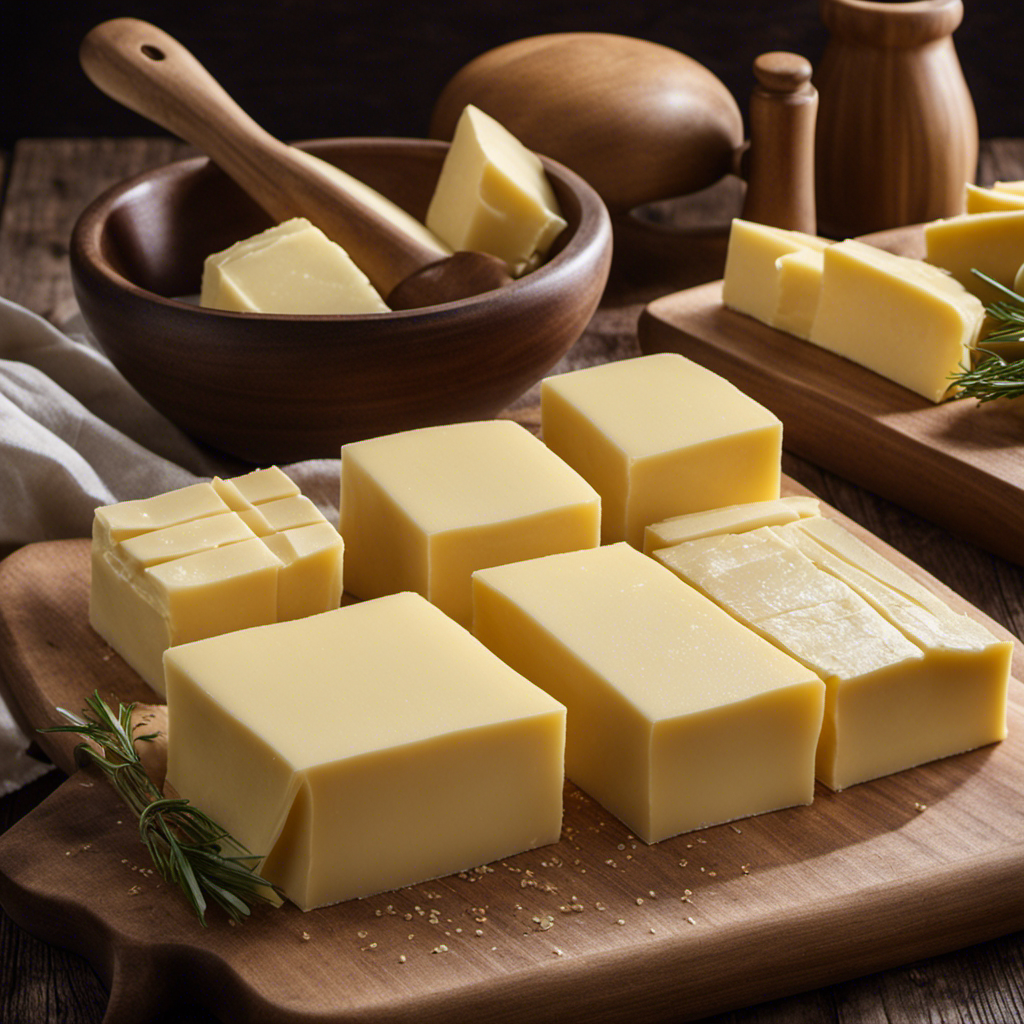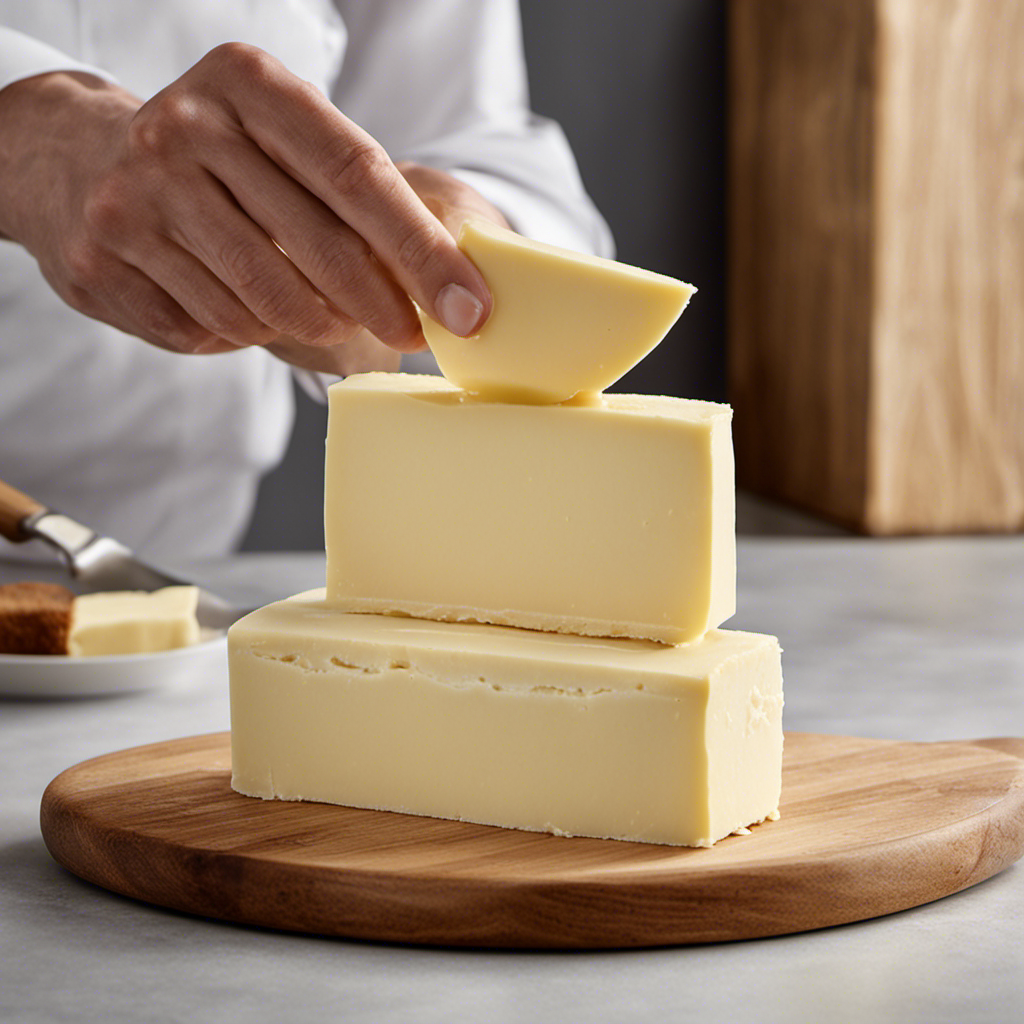
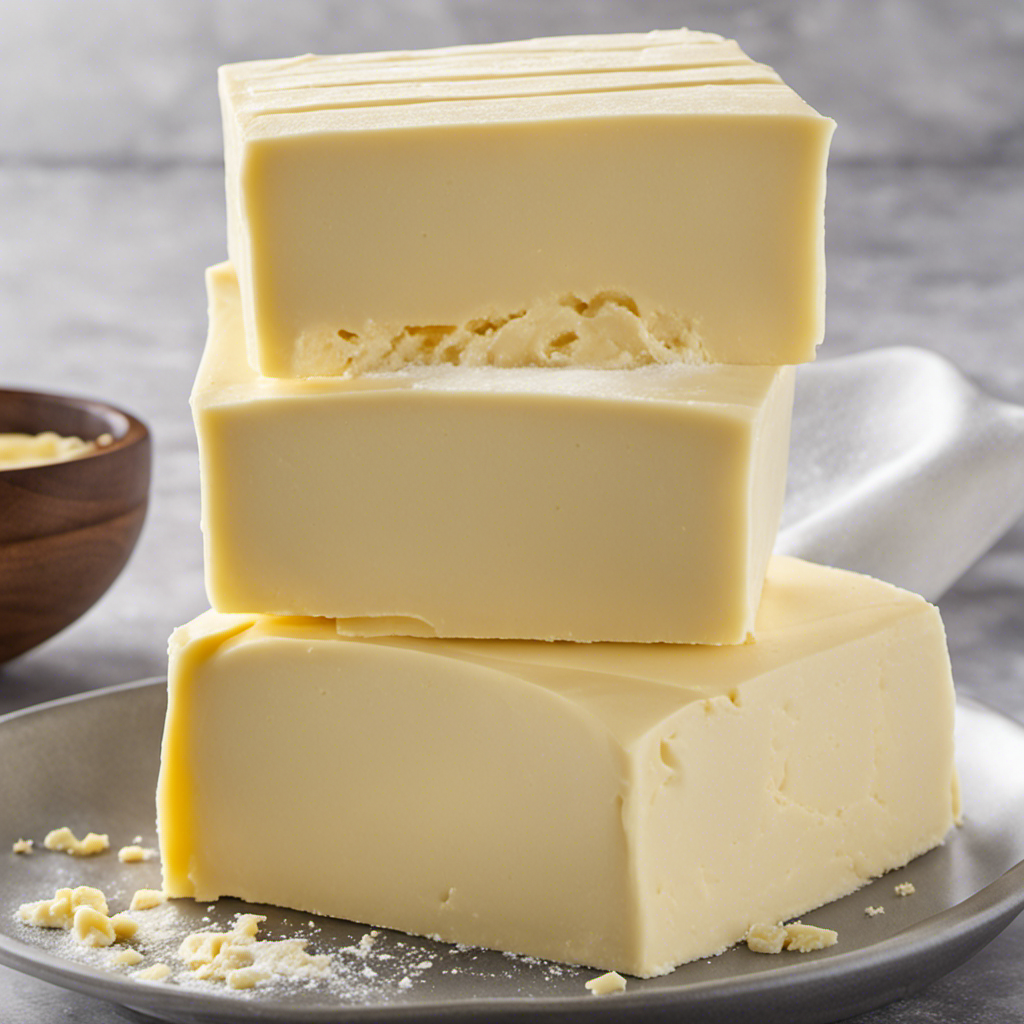
I enjoy spreading smooth, creamy butter on toast or freshly baked bread. It’s a simple pleasure that can’t be beat. However, at times, the butter in my fridge is too hard to spread. That’s when I found some helpful tips to ensure it’s always easy to spread.

Get kitchen staples and gadgets delivered free with Prime
- Fast, free delivery on millions of items
- Prime Video, Amazon Music and more included
- Member-only deals all year
In this article, I’ll share with you the science behind softening butter, the right temperature to achieve that perfect spreadable consistency, and some simple kitchen tools that can make the process a breeze.
Get ready to enjoy delicious, easily spreadable butter like never before.
Key Takeaways
- Adjusting the temperature of butter is key to making it spreadable
- Softening butter involves raising its temperature slightly without fully melting it
- Room temperature and microwave are two main methods for softening butter
- Using simple kitchen tools or alternative methods like microwave or butter crock can make stick butter spreadable
Understanding the Science Behind Spreadable Butter
I’ve learned that the science behind making butter spreadable involves adjusting its temperature. The melting point of butter is around 90°F (32°C), which is why it becomes solid when refrigerated. To make it spreadable, we need to raise the temperature slightly, so it softens but doesn’t fully melt. This can be achieved by leaving the butter at room temperature for a short period or using a butter dish with a built-in warmer.
Another important aspect is the emulsification process in spreadable butter. Emulsification is the mixing of two immiscible substances, in this case, butter and water. By adding small amounts of water to the butter and thoroughly mixing it, we create a stable emulsion that allows for easier spreading.
This process helps to distribute the water molecules evenly throughout the butter, making it softer and more spreadable.
Choosing the Right Temperature for Softening Butter
To achieve the perfect consistency, it’s important to select the ideal temperature for softening the butter. When it comes to softening butter, there are two main methods: the room temperature method and the microwave method. Each method has its own advantages and drawbacks.
Here are a few key points to consider:
-
Room temperature method:
-
Allow the butter to sit at room temperature for about 30-60 minutes.
-
This method is more time-consuming but yields consistent results.
-
Room temperature butter is easier to incorporate into recipes.
-
Avoid using this method if you need softened butter quickly.
-
Microwave method:
-
Cut the butter into small chunks and microwave it in short intervals.
-
Be cautious not to melt the butter completely.
-
This method is faster but can result in uneven softening.
-
Use a lower power setting to prevent overheating.
Using Simple Kitchen Tools to Make Butter Spreadable
Using a butter knife, I can easily soften the solid butter by spreading it on a piece of warm toast.
But did you know that you can also use simple kitchen tools to make butter spreadable in a quick and easy way?
One creative butter topping idea is to mix softened butter with honey and cinnamon. This not only adds a touch of sweetness but also a hint of warmth and spice.
Another delicious option is to blend softened butter with fresh herbs like parsley, thyme, or rosemary, creating a flavorful spread that can be used on bread, vegetables, or even grilled meats.
With just a few simple ingredients and the right tools, you can transform ordinary butter into a tasty and versatile spread in no time.
Alternative Methods for Making Stick Butter Spreadable
By warming it slightly, the solid stick of butter can easily be softened for spreading. However, there are alternative methods you can use to make stick butter spreadable if you don’t want to rely on the traditional method. Here are a few options to consider:
-
Microwave method: Place the stick of butter in a microwave-safe dish and heat it in short bursts, checking on it frequently to ensure it doesn’t melt completely.
-
Butter crock method: Invest in a butter crock, which is a specialized dish that keeps butter soft and spreadable at room temperature. Simply add the stick of butter to the crock and cover it with water, creating an airtight seal.
Both of these methods offer convenient alternatives to softening butter for spreading. Whether you choose to use the microwave or a butter crock, you can enjoy perfectly spreadable butter whenever you need it.
Storing and Preserving Spreadable Butter for Future Use
I prefer storing my spreadable butter in an airtight container in the fridge to preserve its freshness for future use. Storing spreadable butter properly is essential to maintain its taste and texture.
When it comes to preserving spreadable butter, the key is to protect it from exposure to air, light, and strong odors. An airtight container acts as a barrier, preventing the butter from absorbing any unpleasant smells or flavors from the fridge.
Additionally, it helps to maintain the spreadable consistency by preventing the butter from drying out. It’s important to choose a container that’s specifically designed for food storage, ensuring that it’s safe and free from any harmful chemicals.
Frequently Asked Questions
Can I Use Margarine Instead of Butter to Make It Spreadable?
Yes, you can use margarine as a healthier alternative to make it spreadable. If you prefer to avoid using heat, try leaving the butter at room temperature or using a butter dish with a lid to soften it.
How Long Does It Take for Butter to Soften at Room Temperature?
It usually takes about 30 minutes for butter to soften at room temperature. To speed up the process, you can cut the butter into smaller pieces or use a grater to make it spreadable faster.
Can I Use a Microwave to Soften Butter Quickly?
Yes, you can use a microwave to quickly soften butter. However, it’s important to be cautious about microwave safety. Alternatively, there are other methods to soften butter such as grating it or using a butter bell.
Are There Any Special Tools or Gadgets I Need to Make Butter Spreadable?
To make butter spreadable, you don’t need any special tools or gadgets. There are various techniques and tips for spreading cold butter, making it easier to use in recipes or on toast.
Can I Freeze Spreadable Butter for Long-Term Storage?
Yes, you can freeze spreadable butter for long-term storage. Freezing butter helps it stay fresh for months. Make sure to wrap it tightly in plastic wrap or put it in an airtight container.
Conclusion
In conclusion, understanding the science behind spreadable butter and using the right temperature for softening it are key in making stick butter easily spreadable.
Additionally, utilizing simple kitchen tools such as a butter dish or a cheese grater can help in achieving the desired consistency.
Alternative methods, like blending or microwaving, can also be used.
Remember to store and preserve your spreadable butter properly to enjoy it for future use.
Fall Picks
fall essentials
As an affiliate, we earn on qualifying purchases.