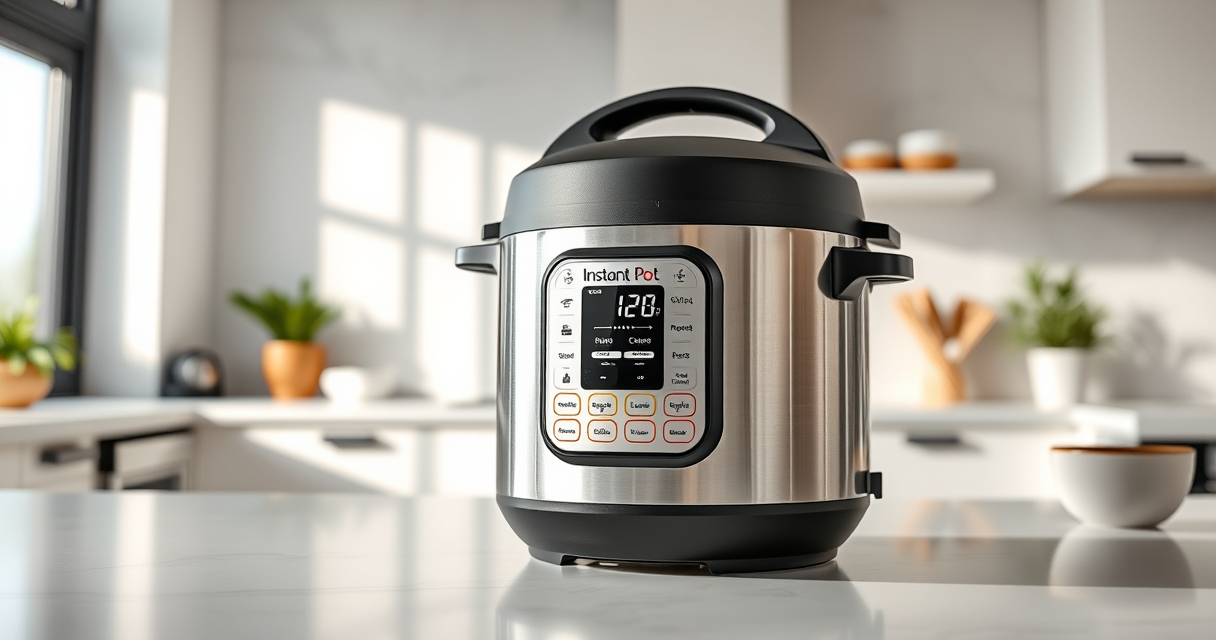

Keeping your Instant Pot Duo clean is essential for safe cooking and maintaining its performance. Proper cleaning prevents odors, buildup, and ensures your appliance lasts longer.

Get kitchen staples and gadgets delivered free with Prime
- Fast, free delivery on millions of items
- Prime Video, Amazon Music and more included
- Member-only deals all year
Follow this practical guide to clean your Instant Pot Duo thoroughly and safely, with tips on troubleshooting common issues.
Gather Your Cleaning Supplies
- Soft cloths or sponges
- Non-abrasive brush
- Dish soap
- White vinegar
- Baking soda
- Replacement sealing ring (recommended: AOZITA Steamer Basket)
Products Worth Considering

Instant Pot Duo Crisp 8-Quart 11-in-1 Air Fryer and Pressure Cooker

De'Longhi Magnifica Duo Fully Automatic Espresso Machine with Milk Frother, Silver

Cuisinart Freeze Ease Automatic Ice Cream Maker, 1 Quart
As an affiliate, we earn on qualifying purchases.
Disassemble the Parts
- Unplug the Instant Pot and allow it to cool completely.
- Remove the inner pot, sealing ring, lid, steam rack, and sealing ring.
Clean the Inner Pot and Accessories
- Wash the inner pot with warm, soapy water using a soft sponge. For stubborn stains, soak with a mixture of vinegar and baking soda.
- Rinse thoroughly and dry.
- Clean accessories like the steam rack and basket with warm soapy water—avoid abrasive scrubbers.
Clean the Lid and Sealing Components
- Wipe the lid with a damp cloth. Use a soft brush to clean the vent and sealing ring groove.
- Remove the sealing ring and soak it in warm soapy water or vinegar solution for a few minutes.
- Rinse and dry thoroughly before reinstalling.
Reassemble and Maintain
Ensure all parts are dry before reassembling. Replace the sealing ring if it shows signs of wear or odor.
For ongoing maintenance, clean the sealing ring regularly and inspect for cracks or damage.
Products That Help
AOZITA Steamer Basket

A solid, widely-recommended pick for keeping your machine in top shape.
Pros:
Cons:
Best for:
Not ideal for:
Bottom line:
Frequently Asked Questions
Can I use abrasive cleaners to clean my Instant Pot?
No, abrasive cleaners can damage the non-stick coating and surface. Use soft sponges and non-abrasive cleaning agents.
How often should I replace the sealing ring?
Inspect the sealing ring regularly for cracks, odor, or deformation. Replace it every 12-18 months or when it shows signs of wear.
Is it safe to put the sealing ring in the dishwasher?
Yes, most sealing rings are dishwasher safe. However, hand washing prolongs their lifespan and keeps odors at bay.
What should I do if my Instant Pot isn’t sealing properly?
Check the sealing ring for damage or debris. Ensure it is fitted correctly and replace if necessary to maintain proper pressure sealing.
Affiliate disclosure: As an Amazon Associate we earn from qualifying purchases. Prices and availability are accurate as of the time of publishing.