
🔍 Read the full analysis: Valpolicella Deep Dive: Ripasso, Amarone, And The Appassimento Magic on Mad Tasting

Get kitchen staples and gadgets delivered free — and shop member deals
- Fast, free delivery on millions of items
- Access to Prime Big Deal Days deals on October 6–7
- Prime Video, Amazon Music and more included
TL;DR
The source describes how Valpolicella producers use appassimento, drying harvested grapes for about 100 to 120 days, to make Amarone della Valpolicella and Recioto. Ripasso is made by refermenting Valpolicella wine with Amarone grape skins, creating a distinct style between lighter Valpolicella and Amarone. The material is an explainer, not a report of a new announcement or event.
Appassimento is the post-harvest drying of grapes, generally for 100 to 120 days, until they have lost an estimated 30% to 40% of their water weight, the guide says. Producers spread harvested bunches in single layers on racks, traditionally called arelle, inside ventilated lofts known as fruttai. Removing water concentrates the grapes’ contents and changes their aromas and texture.
For Amarone della Valpolicella DOCG, the dried grapes are used to make a dry, full-bodied wine. The guide describes aromas associated with dried fruit, walnut and spice. Ripasso follows a different route: Valpolicella wine is refermented with the grape skins left from Amarone production. The source characterizes it as a mid-priced style between lighter Valpolicella and Amarone, though it gives no current price survey or production figures.
The region’s main grapes include Corvina, which the guide identifies with cherry fruit and perfume; Corvinone, which can contribute body and is suited to drying; and Rondinella, described as thick-skinned and dependable. Other varieties, including Oseleta and Molinara, may also appear. The guide says the Valpolicella DOC spans an area near Verona in Veneto, while Classico identifies wines from the original hillside zone.
Wine region field guide · Veneto, Italy
Valpolicella Deep Dive: Ripasso, Amarone, and the Appassimento Magic
Three familiar wine names tell different stories of grapes, time, and technique. Follow the drying process behind Amarone, the second fermentation behind Ripasso, and the local grapes that connect them.
Amarone begins with dried grapes. Ripasso begins with Valpolicella wine and Amarone grape skins.
Two methods · One regional identityNortheastern Italy, near Verona
Corvina, Corvinone, Rondinella
Harvested bunches dry after picking
No new event or dated announcement
What changes in the cellar?
The wine names share a region, but their methods lead to different styles and price points.
Valpolicella
The lighter regional style, made from local grapes. It is the base wine used in the Ripasso process.
STARTING POINT · REGIONAL REDRipasso
Valpolicella wine is refermented with grape skins left from Amarone production, adding another layer of body and flavor.
POSITIONED BETWEEN VALPOLICELLA AND AMARONEAmarone della Valpolicella
Made from appassimento-dried grapes and described by the guide as dry and full-bodied, with dried-fruit, walnut, and spice aromas.
DOCG · DRY, CONCENTRATED STYLEFrom harvested bunch to Amarone
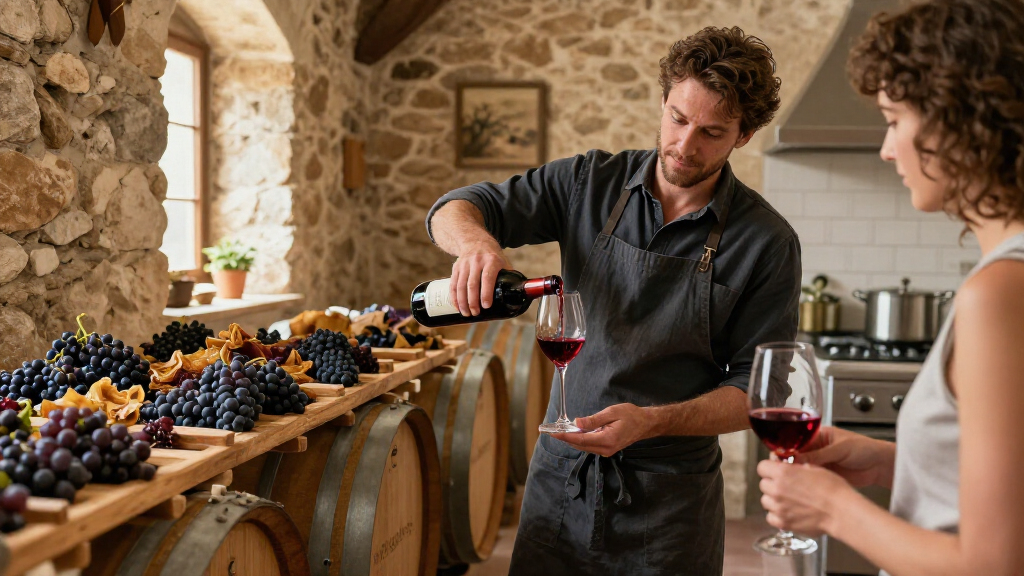
Drying takes place after harvest. Time and careful storage help manage humidity and mold.
Healthy grape bunches are picked for drying.
Bunches are spread in single layers on racks called arelle.
Ventilated lofts allow air to circulate; some producers use fans and humidity controls.
Concentrated dried grapes are used for Amarone; dried grapes also connect to Recioto.
Time concentrates the fruit
Appassimento is the post-harvest drying of grapes. The guide gives a typical window of 100 to 120 days, during which grapes may lose an estimated 30% to 40% of their water weight.
Removing water concentrates the grapes’ contents and changes their aromas and texture. Single-layer placement helps limit trapped humidity and mold, making the process a matter of time and handling rather than simply leaving grapes to overripen on the vine.
Typical figures cited by the guide, not measurements tied to a named producer or vintage.
Three main varieties—and more
The guide highlights three principal grapes and notes that other varieties may also appear.
Corvina
Associated with cherry fruit and perfume.
Corvinone
Can contribute body and is suited to drying.
Rondinella
Described as thick-skinned and dependable.
Oseleta
May appear among supporting varieties.
Molinara
May also play a supporting role.
Reading the Valpolicella landscape
Valpolicella lies in Veneto, northeastern Italy, near Verona. Its name likely comes from the Latin vallis polis cellae, commonly rendered as “valley of many cellars.”
The guide traces dried-grape winemaking in the area to an ancient tradition. It cites a fifth-century description by the Roman official Cassiodorus of a sweet wine made from dried grapes, an antecedent to Recioto. The supplied account ends partway through this history, so it does not provide a full chronology.
Recioto is connected to sweet dried-grape wine; Amarone is described as dry. The guide gives limited detail about Recioto and does not set out production specifications for either wine.
A wine region near Verona, within Veneto.
Identifies wines from the original hillside zone.
A sub-valley named in the guide.
Start with the wine name, then look for Classico or a named sub-area.
Separate typical figures from current facts
This is a general wine guide, not a report of a new policy, harvest, release, or industry event.
It mentions Classico bottles typically costing $4 to $6 more, but gives no market, currency date, or sample behind that comparison.
Current prices, production volumes, producer-by-producer practices, and harvest variation are not specified.
Key questions for the curious drinker
What is appassimento?
Drying harvested grapes before winemaking, typically for 100 to 120 days, with an estimated 30% to 40% loss of water weight.
How do Amarone and Ripasso differ?
Amarone uses dried grapes. Ripasso referments Valpolicella wine with grape skins left from Amarone production.
Where is Valpolicella?
In Veneto, northeastern Italy, near Verona. The guide also names Valpantena and describes Classico as the original hillside zone.
Which grapes should I recognize?
Corvina, Corvinone, and Rondinella are the principal local grapes named; Oseleta and Molinara may also appear.
One region, different choices
Drying Shapes Amarone’s Style
The methods distinguish wines that share a regional identity but offer different drinking experiences. Amarone’s dried grapes contribute concentration and a fuller style; Ripasso’s second fermentation gives Valpolicella another route to added body and flavor. Knowing how each is made gives buyers a concrete way to compare labels beyond broad descriptions or price.
The process also depends on conditions during storage. The source says grapes must be laid in single layers to limit trapped humidity and mold, and that some producers use fans and humidity controls. These details show why appassimento involves time and careful handling, rather than simply leaving grapes to become overripe on the vine.
Top picks for "valpolicella deep dive"
As an affiliate, we earn on qualifying purchases.
From Valpolicella to Amarone
Valpolicella lies in Veneto, northeastern Italy, near Verona. The source says the region’s name likely comes from the Latin phrase vallis polis cellae, commonly rendered as “valley of many cellars.” It also identifies Valpantena as a sub-valley and says labels may use the Classico designation for wines from the original zone.
The guide traces dried-grape winemaking in the area to an ancient tradition, citing a fifth-century description by the Roman official Cassiodorus of a sweet wine made from dried grapes, an antecedent to Recioto. The supplied source text ends partway through this historical account, so it does not provide a complete chronology or further details.
Recioto is another wine associated with dried grapes, but the supplied material provides only limited detail about it. It distinguishes Recioto’s historical connection to sweet dried-grape wine from Amarone’s dry style; it does not set out production specifications for either wine.
Details the Source Leaves Open
The source gives no date for a new policy, harvest, release or other industry development. It is a general wine guide, so it does not establish that production methods, consumer demand or prices have recently changed. Its stated drying period and water-weight loss are presented as typical figures, not as results from a named producer or a specified vintage.
The guide also offers a general claim that Classico wines typically cost $4 to $6 more than other Valpolicella bottlings, but supplies no market, currency date or sample behind that comparison. Current prices, producer-by-producer practices, and how conditions vary by harvest are not specified.
Check the Label and Producer
For readers choosing a bottle, the guide points to the wine name and place designation as useful starting points: distinguish Valpolicella, Ripasso and Amarone, then look for Classico or a named sub-area. The source does not identify a forthcoming release, winery announcement or scheduled industry milestone.
More specific claims about current vintages, production volumes or prices would require dated information from producers or regional bodies. The supplied material does not say when any such figures will be published.
Key Questions
What is appassimento?
Appassimento is the drying of harvested grapes before winemaking. The guide says this commonly lasts 100 to 120 days, with grapes losing about 30% to 40% of their water weight.
How are Amarone and Ripasso different?
Amarone is made using dried grapes. Ripasso is Valpolicella wine refermented with grape skins left from Amarone production, according to the source.
Where is Valpolicella?
Valpolicella is a wine region in Veneto, northeastern Italy, near Verona. The source also names Valpantena as a sub-valley and describes Classico as the original hillside zone.
Which grapes are used in Valpolicella wines?
The source identifies Corvina, Corvinone and Rondinella as the principal local grapes. It also mentions Oseleta and Molinara as varieties that may play supporting roles.
Source: Mad Tasting
NFL season / tailgating Picks
team gear
As an affiliate, we earn on qualifying purchases.