
🔍 Read the full analysis: Fig Season In Italy: Sweet And Savory Ways To Use Fresh Figs on Mad Tasting
TL;DR
Italy is in the calendar window for its main fig harvest, which normally reaches its greatest abundance during August and September. Fresh figs should be purchased ripe, refrigerated promptly and eaten within two or three days; the available source provides no current production or price data.
Italy’s main fig harvest has entered its customary August-to-September peak, when fresh fruit is most abundant and cooks use it in dishes ranging from simple cheese pairings to crostate and preserves. The seasonal window matters because figs barely ripen after picking, bruise easily and usually need to be eaten within two or three days.
Italy’s season arrives in two waves, according to food publication Mad Tasting. The smaller fioroni harvest appears from June into early July on branches formed during the previous year. The larger crop, called forniti or fichi, develops on new growth and generally supplies sweeter, more plentiful fruit during August and September. Later varieties can remain available into October in Sicily, Calabria, Campania and Puglia.
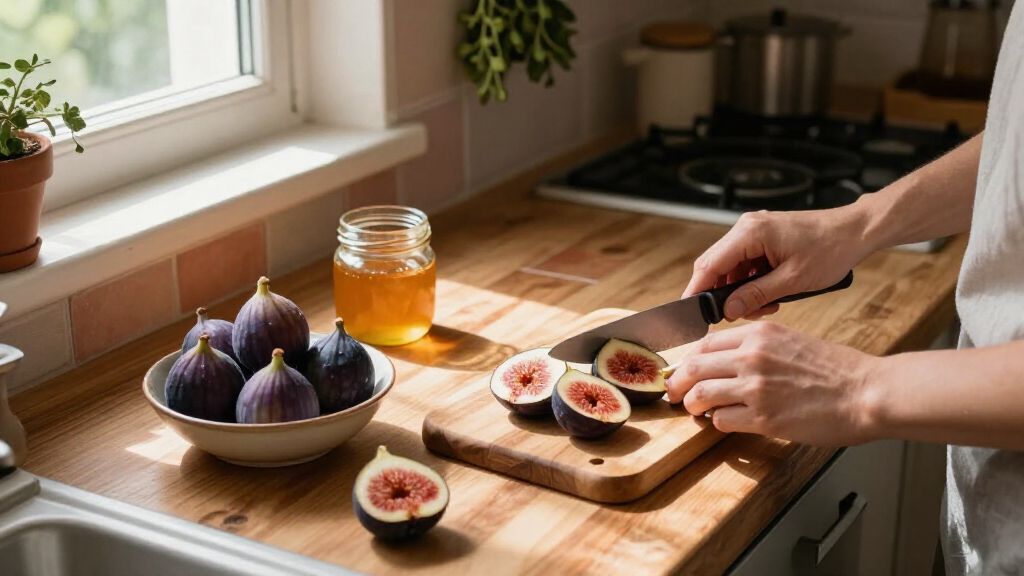
Fresh figs are commonly served with little preparation because their flavor depends heavily on tree ripeness. Savory uses include pairing them with ricotta or other salty cheeses, wrapping them in prosciutto, adding them to salads or roasting them. Sweet preparations include crostate, jam and baked figs, while mostarda and drying extend the fruit beyond its short fresh season.
Shoppers should choose figs that are plump, fragrant and gently soft. A slight droop at the neck, a small dry crack or a bead of nectar at the base can accompany ripeness. Hard fruit is unlikely to develop the same honeyed character at home. Figs with mold, sour smells, large wet patches or fermentation-like aromas should be rejected.
Unless they will be eaten the same day, fresh figs should be placed in the refrigerator in a single layer, ideally at 4°C (40°F) or below, and used within two or three days. Rinse them briefly under cool running water immediately before serving. Discard spoiled fruit rather than cutting around visible mold, since the flesh is soft and moisture-rich.
Fig Season in Italy: Sweet and Savory Ways to Use Fresh Figs
Italy is inside the calendar window for its main fig harvest. August and September bring the greatest customary abundance—and a brief opportunity to enjoy tree-ripe fruit before preserving the harvest for winter.
Two crops shape Italy’s fig calendar
Regional timing varies with latitude, elevation and weather. Early September nevertheless sits within the broad seasonal high point described by Mad Tasting.
The early crop
Fruit appears from June into early July on branches formed during the previous year. The harvest is smaller and less abundant.
The main crop
Fruit develops on new growth and generally becomes sweeter and more plentiful through August and September. Sicily, Calabria, Campania and Puglia can carry later varieties into October.
Read ripeness before you buy
Figs bruise easily and barely ripen after picking. Softening at home is not the same as developing the honeyed flavor of fruit matured on the tree.
Ready to eat
Signs of spoilage
Hard means under-ripe
A hard fig may soften slightly after purchase, but it will not acquire the full aromatic sweetness of a tree-ripened fig. Select fruit that is already ripe.
From market to plate in four moves
Handle fresh figs as a highly perishable fruit. Refrigerate promptly unless they will be eaten the same day.
Select ripe
Choose fragrant, gently soft fruit without spoilage.
Arrange singly
Keep figs in one layer to limit bruising and pressure.
Chill promptly
Refrigerate at 4°C / 40°F or below.
Rinse and eat
Wash briefly just before serving; use within two or three days.
One harvest, two directions
Serve the best tree-ripe figs simply. Move very ripe fruit quickly into baking or preserves, while sturdier specimens suit roasting and composed dishes.
Savory
Sweet fruit gains contrast from salt, creaminess and gentle heat.
Sweet & preserved
Heat and drying extend the harvest beyond its fragile fresh window.
Four market names to know
Use depends on variety, ripeness and local custom. These profiles are practical orientation—not rigid national rules.
| Variety | Appearance | Character | Fresh serving | Preserving |
|---|---|---|---|---|
| Dottato | Pale-green skin, amber flesh | Honeyed profile | ✓ Excellent | ✓ Strong tradition |
| Brogiotto Nero | Dark-purple skin, red flesh | Rich, full taste | ✓ Excellent | ~ Ripeness-led |
| Brogiotto Bianco | Light skin | More delicate | ✓ Handle gently | ~ Use promptly |
| Verdino | Smaller fruit | Concentrated sweetness | ✓ Flavorful | ~ Local custom |
Fresh fruit becomes winter tradition
Protected regional products connect the summer harvest to dried preparations associated with colder months and festive tables.
Traceability chain
Fico Bianco del Cilento DOP and Fichi di Cosenza DOP are based on Dottato figs and are chiefly known in dried form. Tuscany’s Fico Secco di Carmignano is traditionally dried, flavored with anise and pressed into flattened shapes linked with Christmas tables.
The peak matters to shoppers because figs are unusually dependent on where and when they are picked. Fruit harvested while firm for long-distance transport may soften, but it does not gain the full flavor of a fig left to mature on the tree. Buying during the local harvest window raises the likelihood of finding aromatic fruit that can be eaten without cooking.
The harvest also gives cooks a short period to move between fresh and preserved preparations. Very ripe figs can be served with breakfast ricotta, layered onto crostate or cooked into jam before they spoil. Less fragile specimens can be roasted or paired with cured meat. Cheese contains the milk allergen; anyone serving nuts with figs must flag the relevant tree-nut allergen, and packaged cured meats should be checked for listed allergens.
As an affiliate, we earn on qualifying purchases.
Two Crops Shape the Season
Regional timing varies across Italy. Warm southern areas tend to carry fruit later, while higher elevations in central regions can run behind coastal locations. Tuscany and the Cilento coast follow a similar two-crop rhythm, and sheltered northern areas also support fig trees. For broad availability, early September falls within the period Mad Tasting identifies as the seasonal high point.
Common market varieties include the pale-green Dottato, with amber flesh and a honeyed profile, and the dark-purple Brogiotto Nero, which has red flesh and a richer taste. Brogiotto Bianco is more delicate, while the smaller Verdino has concentrated sweetness. Uses vary by variety, ripeness and local custom rather than following a single national recipe.
Protected regional products connect the harvest with winter preservation. Fico Bianco del Cilento DOP and Fichi di Cosenza DOP are based on Dottato figs and are known mainly in dried form. Tuscany’s Fico Secco di Carmignano is traditionally dried, flavored with anise and pressed into flattened shapes associated with Christmas tables.
2026 Supply Data Still Missing
The source describes Italy’s established seasonal pattern but does not provide 2026 crop volumes, wholesale prices or regional yield figures. It is not yet clear whether weather, transport conditions or local harvest results have shifted availability in individual markets this year. The stated June-to-October span should be treated as a seasonal range, not a guarantee that every variety will be available in every region throughout that period.
October Brings Regional Late Varieties
The main crop should remain the focus of Italian markets through September, based on the seasonal timetable in the source. As supplies of highly perishable fresh fruit narrow, attention will move toward late southern varieties and preserved products. Sicily, Calabria, Campania and Puglia may continue offering figs into October, while drying, jam-making and mostarda production will carry part of the harvest into winter.
Key Questions
When is the main fig season in Italy?
The smaller fioroni crop appears from June into early July. The more abundant main crop runs through August and September, with some southern varieties continuing into October.
How can shoppers identify a ripe fresh fig?
Look for a fig that is plump, fragrant and gently soft. A slight neck droop or small dry crack may indicate ripeness, but mold, sour odors and wet patches signal spoilage.
Will hard figs ripen after purchase?
A hard fig may soften slightly, but it will not develop the same honeyed flavor as fruit ripened on the tree. Buyers should select figs that are already ripe.
How should fresh figs be stored?
Place them in a single refrigerated layer at 4°C (40°F) or below and eat them within two or three days. Wash only shortly before serving.
What are common sweet and savory fig preparations?
Fresh figs can be paired with ricotta, salty cheese or prosciutto, added to salads or roasted. Sweet options include crostate, baked figs, jam and dried fruit.
Source: Mad Tasting