Using browned butter in cookies can transform their texture and flavor, giving you the choice between chewy or crispy delights. The richness and moisture from browned butter help maintain softness inside while creating a crisp exterior. Adjusting ingredient ratios and baking techniques, like chilling the dough or spreading it thinner, can lead to different outcomes. A few tweaks can really elevate your cookies. Stick around to find out more tips and tricks for perfecting your cookie game!

Get kitchen staples and gadgets delivered free — and shop member deals
- Fast, free delivery on millions of items
- Access to Prime Big Deal Days deals on October 6–7
- Prime Video, Amazon Music and more included
Key Takeaways
- Browned butter enhances flavor complexity, adding nuttiness that complements both chewy and crispy cookie textures.
- The moisture from browned butter contributes to a softer interior, crucial for achieving chewiness in cookies.
- Thinner dough spreads result in crispier cookies, while thicker dough maintains a chewy texture when using browned butter.
- Chilling the dough before baking can influence the final texture, enhancing chewiness or promoting crispness based on the recipe.
- Adjusting the ratio of browned butter in the recipe can significantly affect the balance between chewiness and crispiness in cookies.
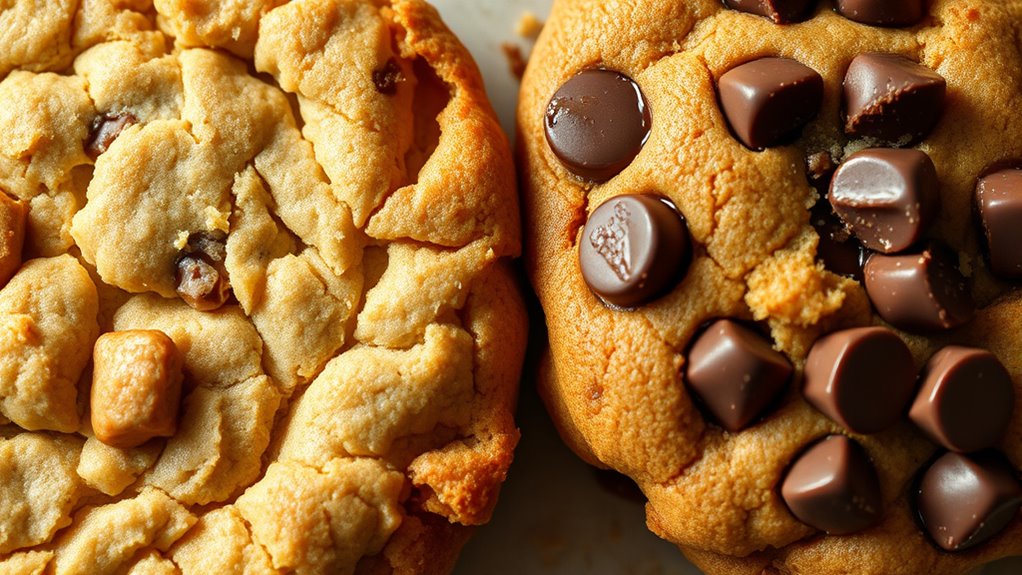
When you add browned butter to your cookie dough, you’re not just mixing in an ingredient; you’re elevating the flavor to a whole new level. The moment you heat butter until it turns a rich, golden brown, you’re not only developing a deeper, nuttier taste but also enhancing the overall aroma of your cookies. This flavor enhancement transforms the ordinary into something extraordinary, creating a delightful experience with every bite. As the butter browns, the milk solids caramelize, bringing forth complex notes that pair beautifully with sugars, chocolates, and spices.
Imagine biting into a warm cookie, its surface slightly crisp, yet the inside remains chewy. That contrast is where browned butter shines. When you use it in cookie recipes, it plays a pivotal role in determining the texture. If you’re aiming for a chewy cookie, you’ll want to balance the ratios of your ingredients carefully. The richness of the browned butter adds moisture, which helps keep the cookie soft in the center. By using brown sugar alongside, you’re not just sweetening the dough; you’re introducing a hint of molasses that perfectly complements the nuttiness of the browned butter.
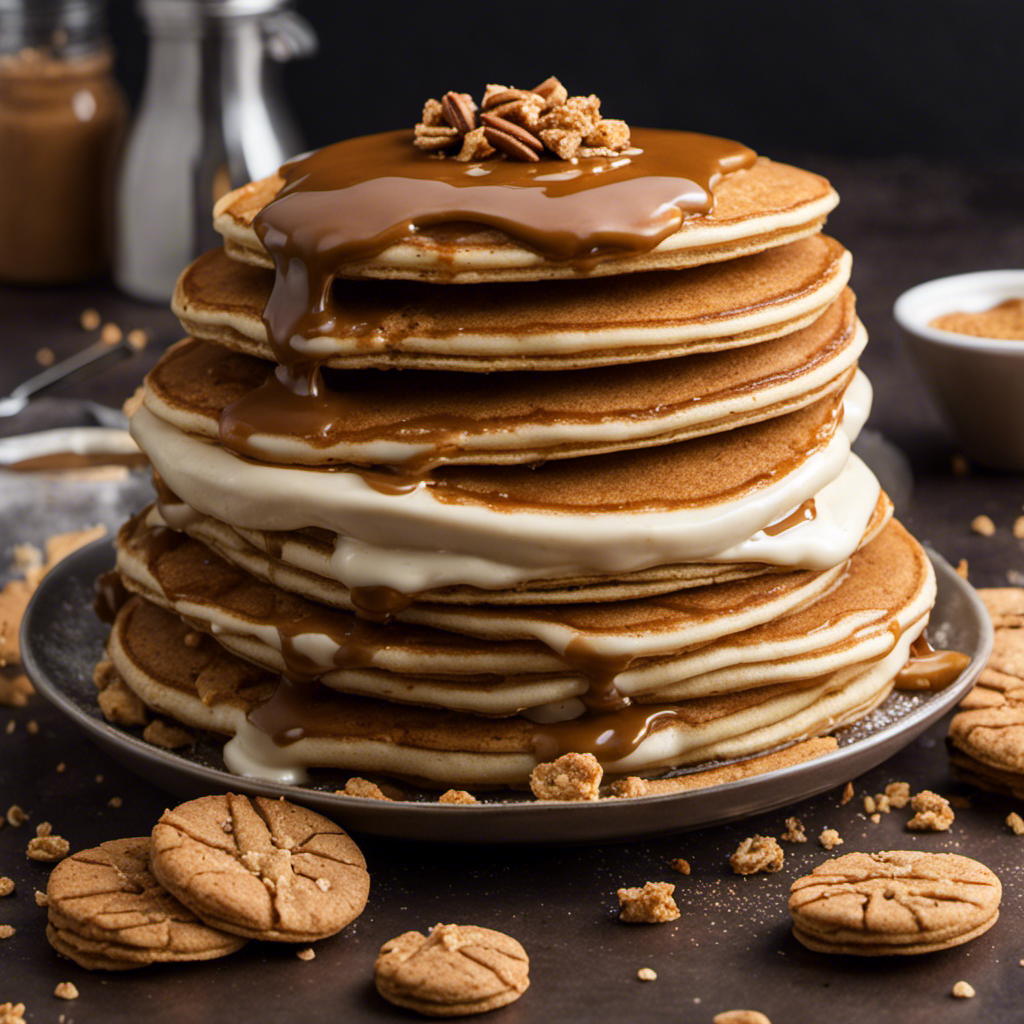
Bite into a cookie with browned butter for a delightful contrast of crispness and chewiness, perfectly balanced with rich, nutty flavors.
On the other hand, if you’re leaning more toward a crispy cookie, you might consider reducing some of the liquid ingredients. The more you incorporate browned butter, the more you’ll notice how it enhances the cookie’s exterior texture, allowing for that satisfying crunch. It’s all about finding the right balance. When your cookies come out of the oven, the aroma development will have already set the stage, inviting everyone to indulge in the warm, toasty fragrance wafting through the air.
Experimenting with browned butter in your cookie recipes can lead to delightful surprises. You might find that a simple adjustment, like chilling the dough before baking, can yield a thicker, chewier cookie that’s rich in flavor. Or perhaps you’ll discover that spreading the dough thinner results in a crispier delight, with that unmistakable nuttiness shining through. Ultimately, whether you prefer chewy or crispy, the addition of browned butter offers a versatile approach that enhances both flavor and texture. Additionally, growing your own food can be a rewarding experience that pairs beautifully with enjoying freshly baked cookies.
As an affiliate, we earn on qualifying purchases.
Frequently Asked Questions
Can I Use Margarine Instead of Butter for Browning?
You can use margarine instead of butter for browning, but it won’t give you the same depth of flavor. Margarine substitution might work in a pinch, but the taste differences are noticeable. Butter has a richer, nuttier essence when browned, while margarine tends to be milder. If you’re after that distinct flavor, you might want to stick with butter, but if you’re okay with a lighter taste, margarine will do just fine!
How Does Browning Affect Cookie Shelf Life?
Browning your butter adds a delightful depth of flavor, and it can also play a role in your cookies’ shelf stability. As you create that nutty essence, the moisture content changes, which might help in mold prevention. Cookies made with browned butter often stay fresh longer, but be sure to store them properly. Keep them in an airtight container, and you’ll enjoy those scrumptious treats for days without worry!
What Is the Best Type of Butter for Browning?
For browning, unsalted butter’s your best bet. It lets the natural butter flavor shine without the interference of added salt. Use a stovetop browning technique, melting the butter over medium heat and stirring until it turns a rich amber color and develops a nutty aroma. This process enhances the flavor and adds depth to your cookies, making them irresistibly delicious. So, grab that unsalted butter and get ready to elevate your baking!
Can I Brown Butter in the Microwave?
Yes, you can brown butter in the microwave, though it’s a bit of a dance. Start by melting your butter in short bursts, watching it like a hawk. As it melts, it’ll transform into a golden liquid, releasing a nutty aroma that sings of warmth. Stir it gently, letting the microwave browning work its magic. Just remember, it can go from perfect to burnt in a flash, so keep a close eye on it!
Do I Need to Refrigerate Browned Butter?
You don’t need to refrigerate browned butter if you plan to use it soon. However, if you want to store it for later, refrigeration is a good idea. Just remember to let it come to room temperature before using it again. Proper storage can enhance its flavor, making your baked goods even more delicious. For best results, keep it in an airtight container to maintain its rich taste and aroma.
Conclusion
When it comes to cookies, using browned butter is like adding a secret ingredient to a magic potion—it transforms everything. Whether you crave chewy or crispy, the nutty richness of browned butter elevates your cookies to a whole new level. So, experiment with your favorites and find the perfect balance. Remember, the right texture can turn a simple treat into an unforgettable experience. Get baking, and let those cookies shine!
Fall Picks
fall essentials
As an affiliate, we earn on qualifying purchases.