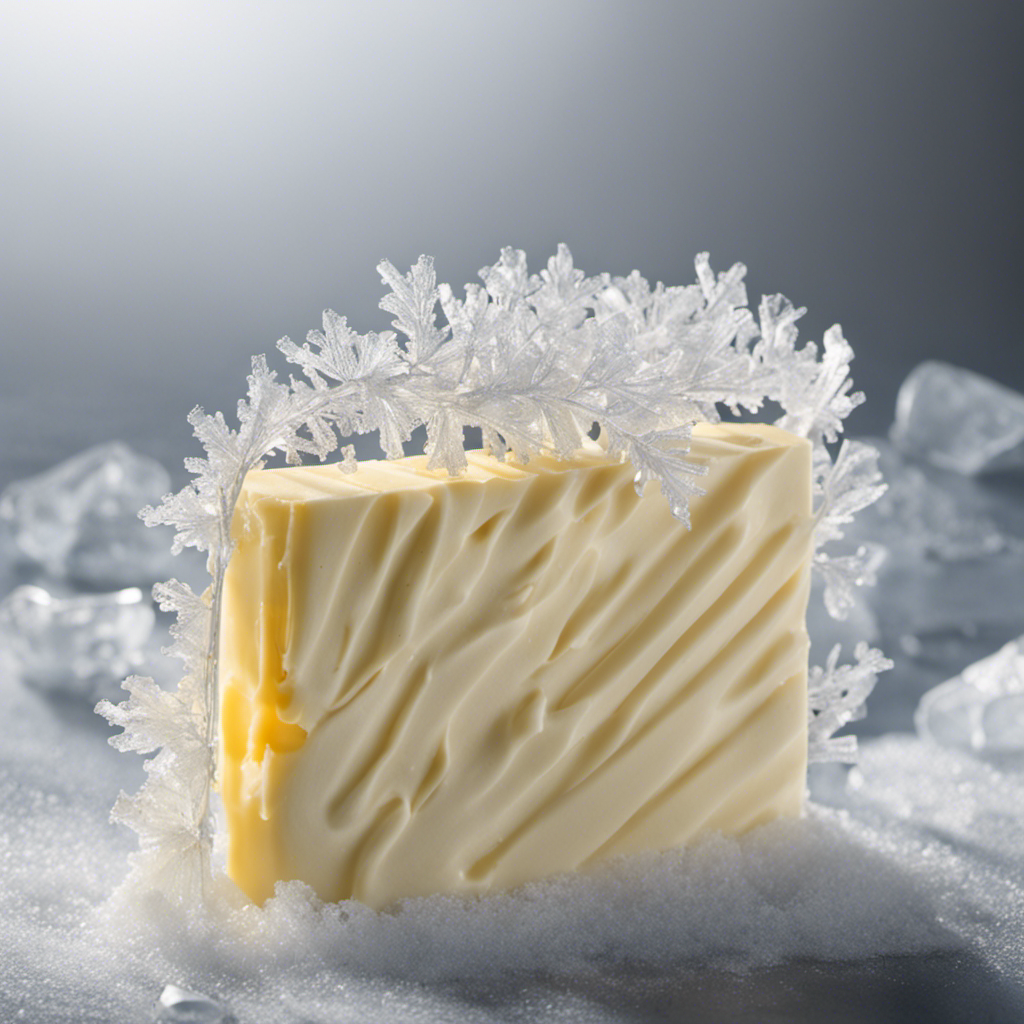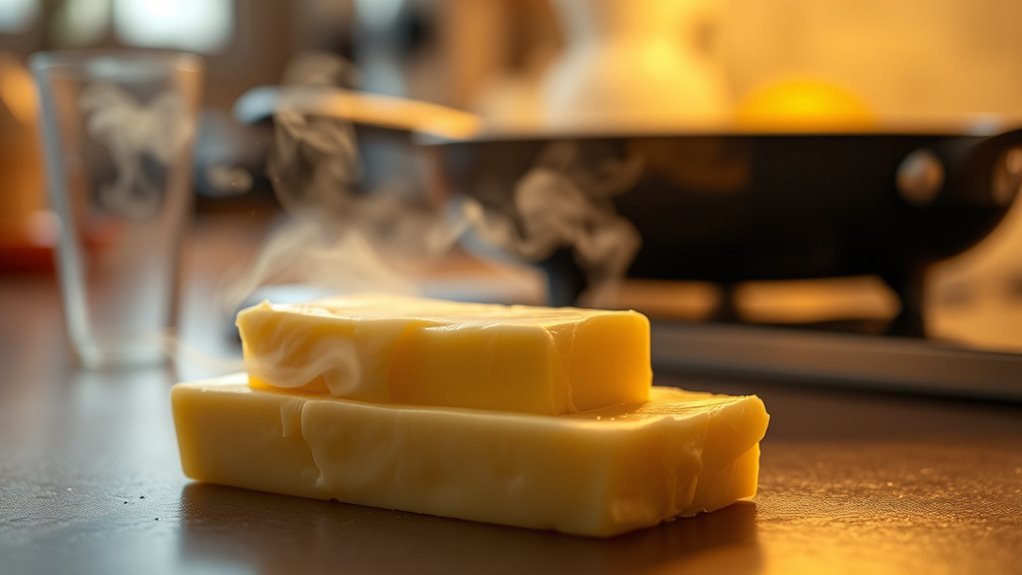

Butter turns rancid when it’s exposed to light, heat, and air. These factors trigger oxidation, breaking down the fats and forming free radicals. This process not only alters the flavor but also creates unpleasant odors that signal fat degradation. Leaving butter out on the countertop or using clear containers accelerates rancidity. To maintain freshness, consider proper storage methods. If you want to learn practical tips for preserving butter’s quality, there’s more to explore.
Key Takeaways
- Butter turns rancid due to oxidation processes that occur when exposed to air, light, and heat.
- Light, especially ultraviolet, accelerates fat breakdown in butter, leading to rancidity.
- Warm temperatures and prolonged exposure to air increase the risk of developing off-flavors in butter.
- Free radicals formed during oxidation produce undesirable smells and tastes in rancid butter.
- Proper storage in the refrigerator and using opaque containers can significantly extend butter’s freshness and shelf life.
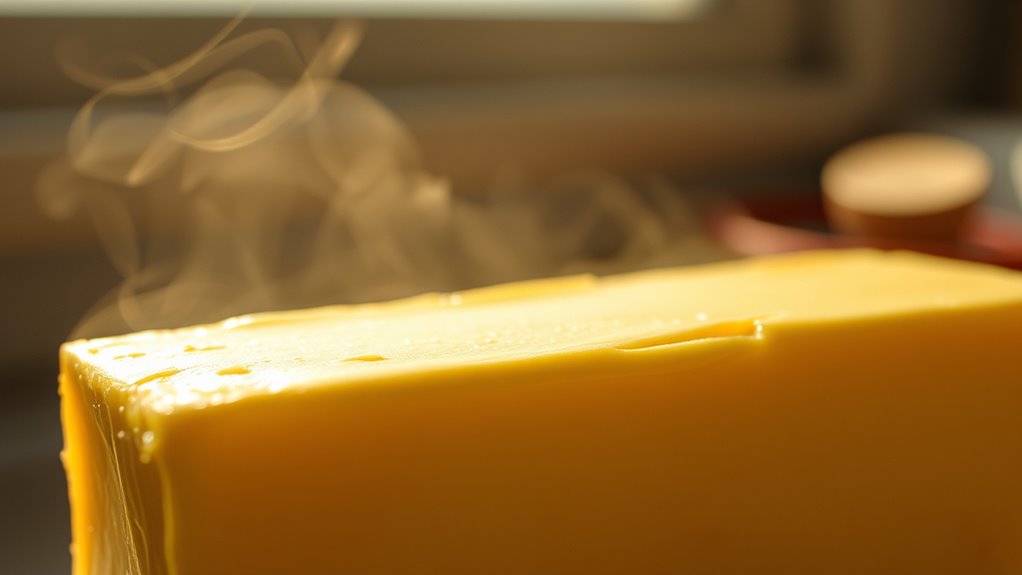
Have you ever wondered why that delicious pat of butter can turn unpleasantly rancid? It’s a mystery that many face, especially when you expect to enjoy a rich, creamy taste but encounter a sour or off flavor instead. The culprit behind this transformation is primarily oxidation processes, which occur when butter is exposed to air, light, and heat. Understanding these processes can help you store your butter properly and maintain its delightful flavor.
When butter is made, it contains fats that are quite sensitive to environmental factors. Once you open that lovely container, you expose it to oxygen in the air, which kicks off oxidation processes. This means that the fats in the butter start to break down, leading to the formation of free radicals. These free radicals can create compounds that smell and taste undesirable. If you’ve ever opened a tub of butter only to find it has a strange odor, you’ve likely encountered the results of these oxidation processes.
Storage conditions play an essential role in how quickly your butter can go rancid. If you leave your butter out on the countertop, it’s going to be more susceptible to oxidation due to the constant exposure to air and warmth. Ideally, you should keep your butter in the refrigerator, where the cooler temperatures can slow down these oxidation processes. However, if you find it too hard to spread when cold, consider keeping a small amount out for daily use while storing the rest in the fridge.
Another factor to consider is light. Exposure to light can also trigger oxidation processes, especially if the butter is in a clear container. Ultraviolet light can cause the fats to break down more rapidly, so it’s a good idea to choose opaque or darker packaging for your butter. This small change in storage can markedly extend its shelf life and preserve that wonderful flavor you love.

Home-X Single Stick Butter Container – Form Fitting Butter Dish Designed to Hold 1/4 lb of Butter, BPA-free Butter Dish with Lid, Durable Butter Keeper for Home Kitchen Décor
𝐅𝐨𝐫𝐦 𝐅𝐢𝐭𝐭𝐢𝐧𝐠 𝐃𝐞𝐬𝐢𝐠𝐧: Our butter dish with lid for countertop securely holds one stick (1/4 lb) of butter…
As an affiliate, we earn on qualifying purchases.
As an affiliate, we earn on qualifying purchases.
Frequently Asked Questions
How Can I Tell if Butter Is Rancid?
You can tell if butter is rancid by checking its color and smell. If the butter has a yellowish tint or noticeable discoloration, it’s time to toss it. Trust your nose with the butter smell test; if it smells sour or off, it’s no longer good. Rancid butter may also feel greasy or have an unusual texture, so always give it a quick inspection before using it in your recipes.
Does Salted Butter Spoil Faster Than Unsalted Butter?
Salted butter doesn’t spoil faster than unsalted butter; in fact, it might just be the superhero of preservation! The salt content acts as a natural preservative, helping to extend its shelf life. While both types can go rancid, salted butter can endure longer due to this added protection. Just keep it stored properly, away from light and heat, and you’ll enjoy that creamy goodness for a while longer!
Can I Freeze Butter to Extend Its Shelf Life?
Yes, you can freeze butter to extend its shelf life! Freezing benefits include preserving its flavor and texture, allowing you to enjoy it later without worry. Just wrap it tightly in plastic wrap or foil, then place it in an airtight container or freezer bag to prevent freezer burn. When you’re ready to use it, thaw the butter in the fridge for best results, ensuring your butter preservation efforts pay off deliciously!
What Is the Best Way to Store Butter?
To keep your butter fresh, store it in its original packaging in the refrigerator at a temperature of around 35°F to 40°F. *Interestingly*, butter can last up to 2-3 months in the fridge when properly stored. If you’re using it frequently, you can keep a small amount at room temperature for a week, but make sure it’s wrapped well. This simple step helps maintain its flavor and prevents spoilage.
Does the Type of Milk Affect Butter’s Rancidity?
Yes, the milk source can affect butter’s rancidity. Different types of milk, like cow, goat, or sheep, have varying fat compositions and antioxidant levels. These differences impact butter composition, influencing how quickly it can go rancid. For instance, butter made from milk with higher antioxidants tends to stay fresh longer. So, when choosing butter, consider the milk source if you want to prolong its shelf life and maintain its flavor.

Pisol Butter Dish with Lid for Countertop and Refrigerator Door Shelf, Airtight Butter Keeper Container, Butter Holder for East/West Coast Butter, BPA-free, Microwave/Dishwasher Safe
The Home of American 1/4 LB Butter: 8.03''/20.39cm(L) × 3.31''/8.4cm(W) × 2.64''/6.7cm(H), specially designed for 1 stick butter…
As an affiliate, we earn on qualifying purchases.
As an affiliate, we earn on qualifying purchases.
Conclusion
To keep your butter fresh, remember that light, heat, and air are its enemies. Store it in a cool, dark place and consider using a butter dish with a lid to minimize exposure. For instance, imagine you’ve got a beautiful block of artisanal butter. If you leave it out on the counter in direct sunlight, it could turn rancid in just a few days. Taking simple steps can guarantee your butter stays delicious and safe to use!
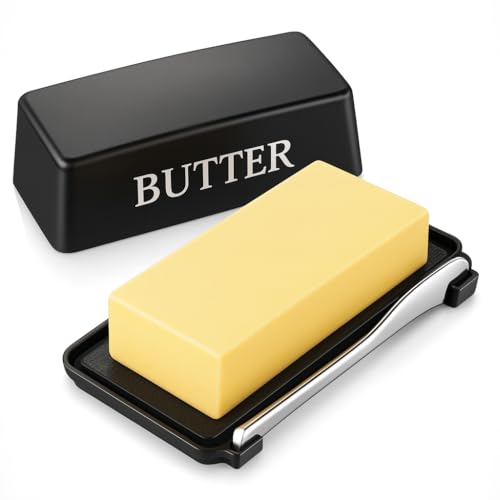
Butter Dish With Cover And Knife,Food Grade Plastic Butter Holder With Lid For Countertop,Black Dishwasher Safe Butter Storage Container
Large Capacity Butter Keeper This Butter Dish features a large capacity design that can comfortably hold East Coast…
As an affiliate, we earn on qualifying purchases.
As an affiliate, we earn on qualifying purchases.

Geelin 50 Pieces 8.5 Inch Rounded Serrated Blade Steak Knives Stainless Steel Round Tip Blade Steak Knife with Plastic Handle for Kitchen Butter Cutlery Restaurant(Black)
Sufficient Number: you will receive 50 pieces of steak knives, an ample amount to satisfy your daily needs,…
As an affiliate, we earn on qualifying purchases.
As an affiliate, we earn on qualifying purchases.