
Butter is incredibly versatile in the kitchen because it adds rich flavor and enhances dishes with a natural, comforting taste. Its unique physical and chemical properties make it perfect for baking, from flaky pie crusts to tender cookies, and for cooking, like sautéing and finishing dishes with a glossy touch. Its stability at moderate heat and ability to melt seamlessly help create the ideal textures and flavors. Keep exploring how butter can elevate your culinary creations even further.

Get kitchen staples and gadgets delivered free with Prime
- Fast, free delivery on millions of items
- Prime Video, Amazon Music and more included
- Member-only deals all year
Key Takeaways
- Butter’s rich, natural flavor enhances both sweet and savory dishes, adding warmth and depth.
- Its unique physical and chemical properties make it ideal for a wide range of baking techniques.
- Butter provides a desirable tenderness and flaky texture in baked goods like pies and cookies.
- It melts smoothly at moderate temperatures, making it perfect for sautéing, sauces, and finishing dishes.
- Its versatility allows seamless use across cooking, baking, and finishing, enriching dishes with flavor and appealing gloss.
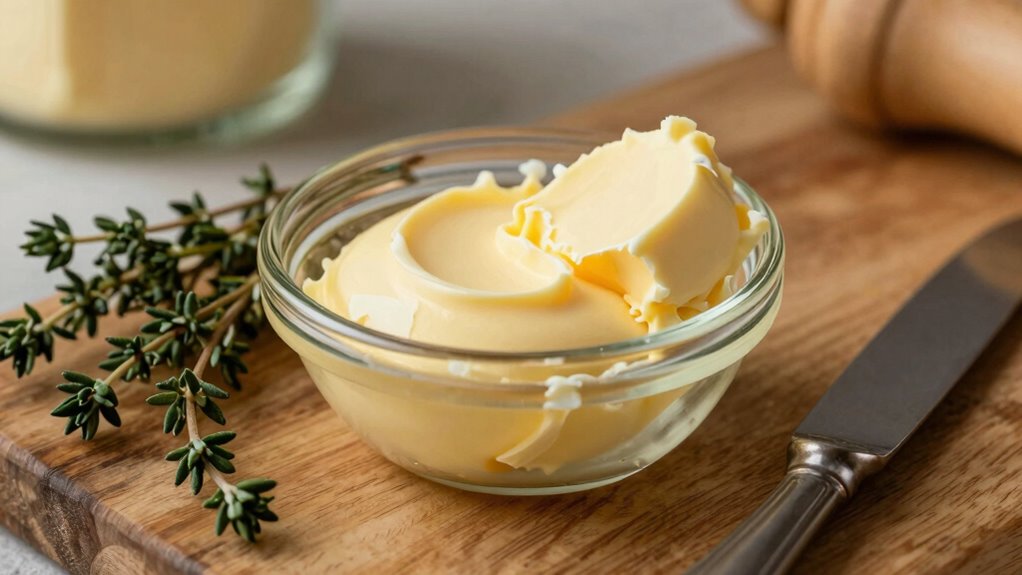
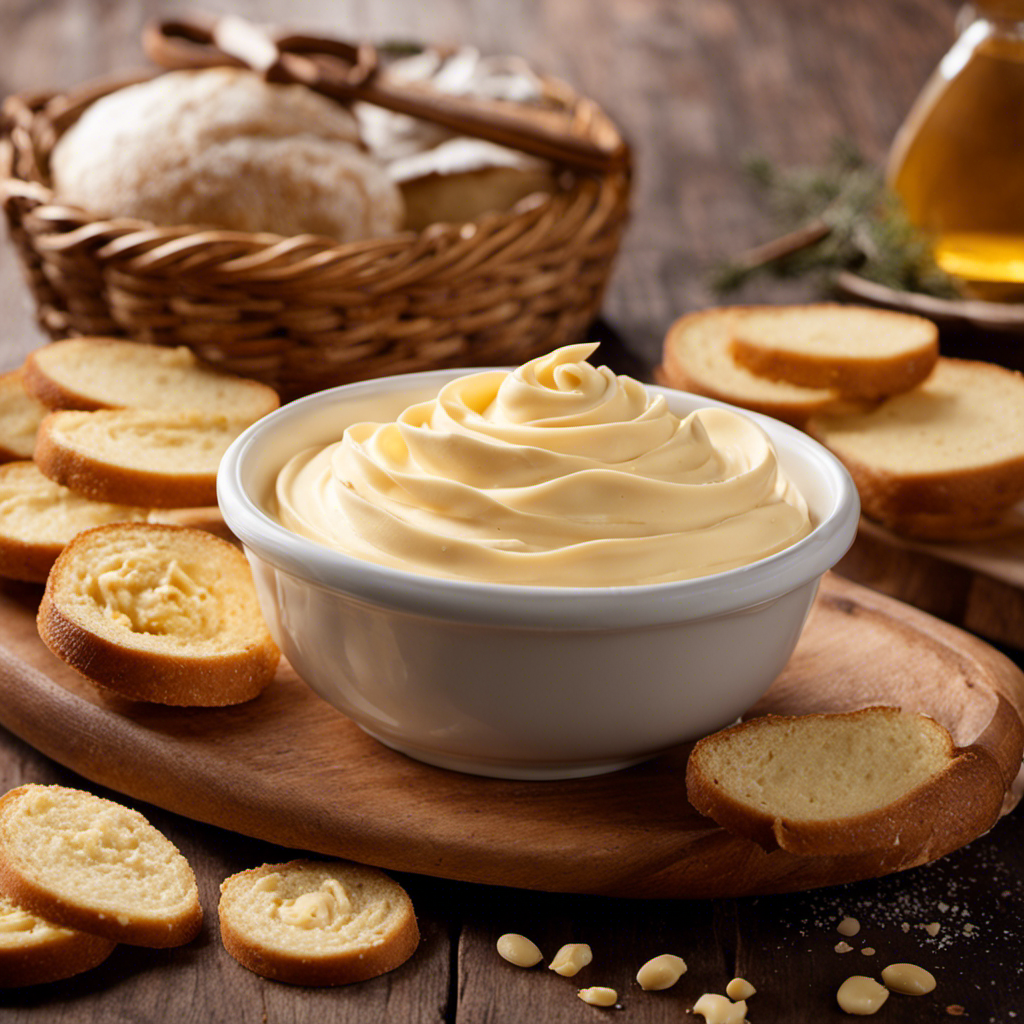
Have you ever wondered what makes butter such a versatile kitchen staple? The answer lies in its unique combination of flavor, texture, and culinary qualities. Butter’s dairy flavor adds a richness to dishes that no other fat can quite replicate, making it a favorite for everything from simple toast to complex sauces. Its creamy, slightly sweet profile enhances baked goods, giving them a depth of flavor that’s both comforting and satisfying. When you use butter, you’re not just adding fat—you’re infusing your dishes with a natural, wholesome taste that elevates even the simplest recipes.
Butter’s rich, creamy flavor elevates dishes with natural warmth and comforting depth.
One of butter’s biggest advantages is its baking versatility. It’s a cornerstone in baking for good reason. Whether you’re making flaky pie crusts, tender cookies, or moist cakes, butter’s ability to create the perfect crumb is unmatched. Its natural fats help trap air when creamed with sugar, giving baked goods a light and airy structure. Plus, butter’s melt-in-your-mouth texture produces a desirable tenderness that’s hard to achieve with other fats. You can also control the richness of your baked items by adjusting the amount of butter you use, making it adaptable to various recipes and personal preferences. baking versatility is largely attributed to butter’s unique physical and chemical properties, which are well-studied in culinary science. Understanding butter’s physical properties can help you optimize its use in different recipes and techniques.
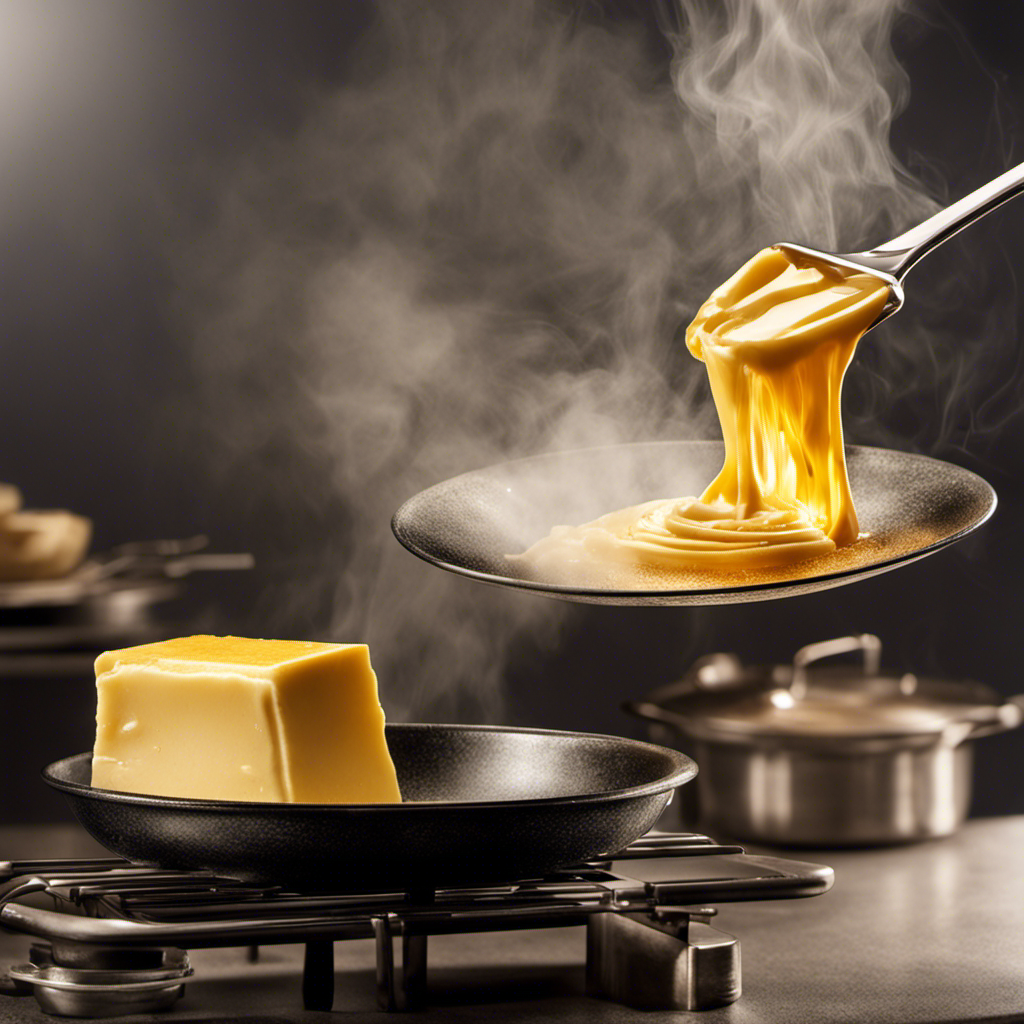
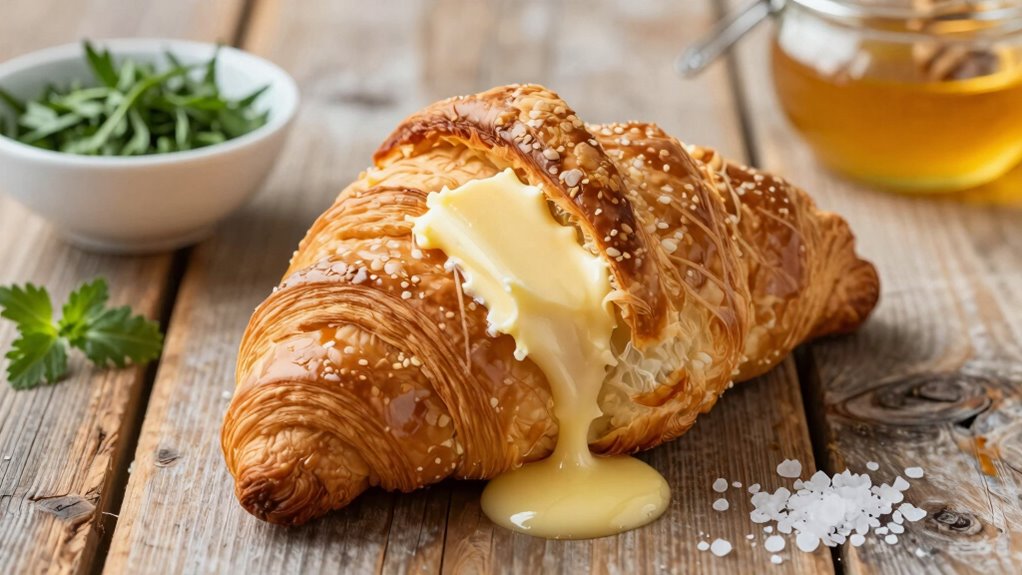
Beyond baking, butter’s culinary flexibility extends to cooking and finishing dishes. It’s excellent for sautéing vegetables, as it imparts a subtle dairy flavor that enhances the natural sweetness of produce. When melted, it creates a rich base for sauces, gravies, and even popcorn. The flavor it imparts remains stable at moderate heat, allowing you to develop depth in your dishes without fear of it breaking down or becoming bitter. Additionally, finishing a dish with a pat of cold butter can add a glossy sheen and an extra layer of flavor, making your meals feel more luxurious. Understanding butter’s melting point can help you use it more effectively in various cooking techniques.
As an affiliate, we earn on qualifying purchases.
Frequently Asked Questions
How Does Butter Compare to Margarine in Cooking Versatility?
You’ll find butter more versatile in cooking than margarine because it offers a rich dairy flavor that enhances dishes. Its natural composition allows it to melt smoothly, providing better texture enhancement in baked goods and sauces. Margarine, while useful, often lacks the depth of flavor and can have a different texture, making butter your go-to for adding richness and achieving the perfect consistency in a variety of recipes.
Can Butter Be Used Safely at High Cooking Temperatures?
Butter can’t dance safely at high heat without risking a smoky, bitter tune. Its smoke point is lower, so when you crank up the temperature, it risks burning, which dulls flavor enhancement. For high-temperature cooking, you might prefer oils with higher smoke points, like clarified butter or oils. But for gentle sautéing or finishing dishes, butter’s rich flavor and creamy texture shine, adding depth and warmth to every bite.
What Are the Health Benefits of Using Butter Over Other Fats?
Using butter offers benefits like dairy nutrition, providing essential vitamins such as A, D, E, and K, which support overall health. While it contains saturated fats, moderate consumption can be part of a balanced diet. Some studies suggest that butter may positively influence heart health by improving cholesterol ratios. When used wisely, butter can enrich your meals with flavor and nutrients, making it a versatile choice in your kitchen.
How Long Does Butter Last When Stored Properly?
When stored properly, butter typically lasts about 1 to 3 months in the refrigerator and up to a year if frozen. To maximize shelf life, keep it in an airtight container or wrapped tightly in foil or wax paper. Follow storage tips like keeping butter away from light and heat to prevent spoilage. Always check for signs of spoilage, such as sour smell or discoloration, before use.
Are There Different Types of Butter Suitable for Specific Recipes?
Butter’s diversity is nothing short of stunning, like a rainbow of flavors in your fridge. Yes, different types suit specific recipes; for example, European butters with higher fat content add richness to pastries, while cultured butters bring tang to sauces. Regional varieties, such as Irish or French butters, offer unique flavor profiles that can elevate your dishes. Choosing the right butter makes your culinary creations truly shine.
Conclusion
So, next time you reach for butter, remember it’s more than just a simple ingredient. Its gentle embrace can elevate your dishes, adding warmth and depth without overshadowing. Like a trusted confidant, butter offers comfort and versatility, quietly supporting your culinary creations. Embrace its subtle charm and let it remind you that sometimes, the most modest touches can truly make your meals memorable. After all, it’s the quiet magic that often leaves the deepest impression.
Fall Picks
fall essentials
As an affiliate, we earn on qualifying purchases.