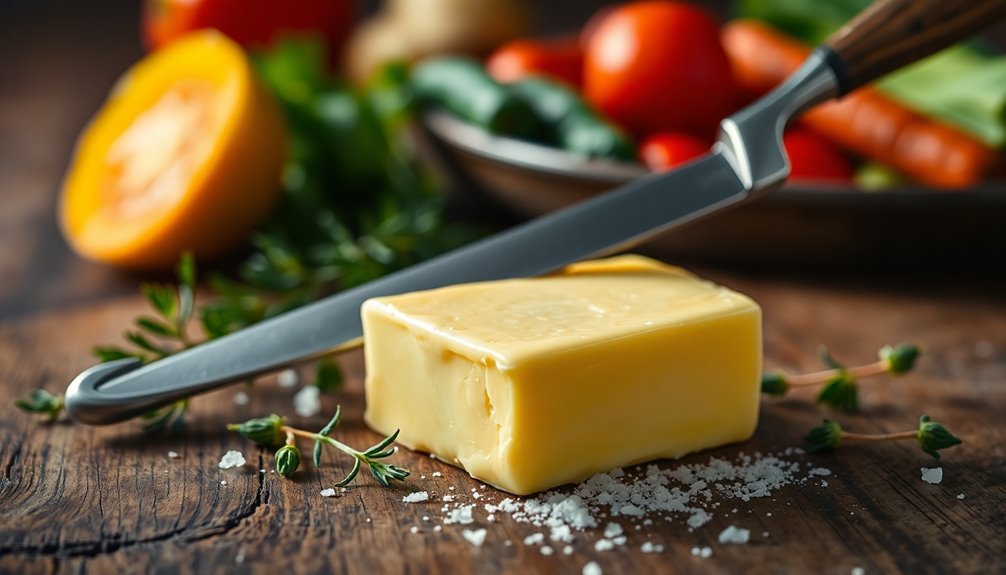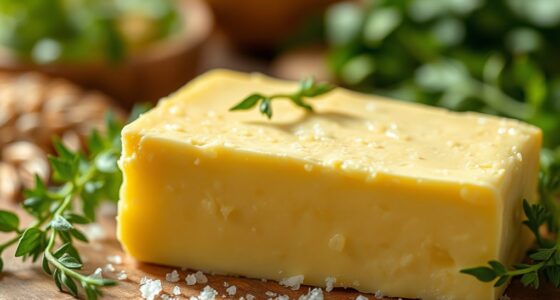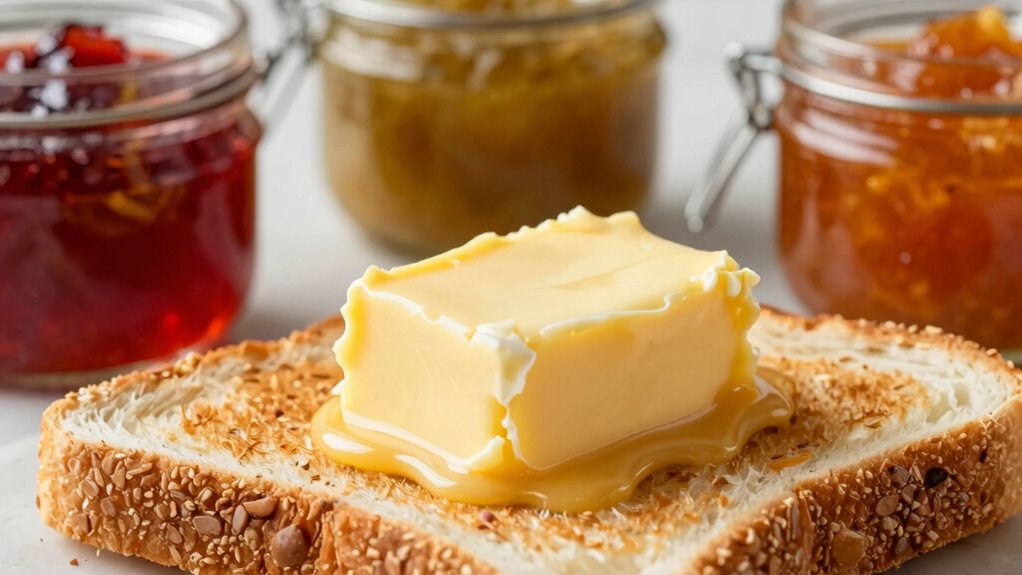

You often see butter unfairly compared to spreads because many overlook their key differences. Butter is a natural dairy product with a rich, consistent flavor and minimal processing, while spreads are usually highly processed, containing added ingredients, flavors, and sometimes artificial preservatives. People sometimes assume spreads are healthier when they might contain trans fats or artificial compounds. Understanding these distinctions helps you make better choices—if you keep exploring, you’ll discover even more about what sets them apart.

Get kitchen staples and gadgets delivered free — and shop member deals
- Fast, free delivery on millions of items
- Access to Prime Big Deal Days deals on October 6–7
- Prime Video, Amazon Music and more included
Key Takeaways
- Butter’s natural, minimally processed nature is often overlooked in favor of the heavily processed and artificially flavored spreads.
- Health perceptions favor spreads with added nutrients, overshadowing butter’s simpler, more traditional composition.
- Spread marketing emphasizes health benefits, making butter seem less healthy despite its natural ingredients.
- The wide variety of spread formulations creates confusion, unfairly comparing them to the more consistent flavor of butter.
- Media and marketing often highlight negative aspects of fats, unfairly casting butter in a less favorable light.
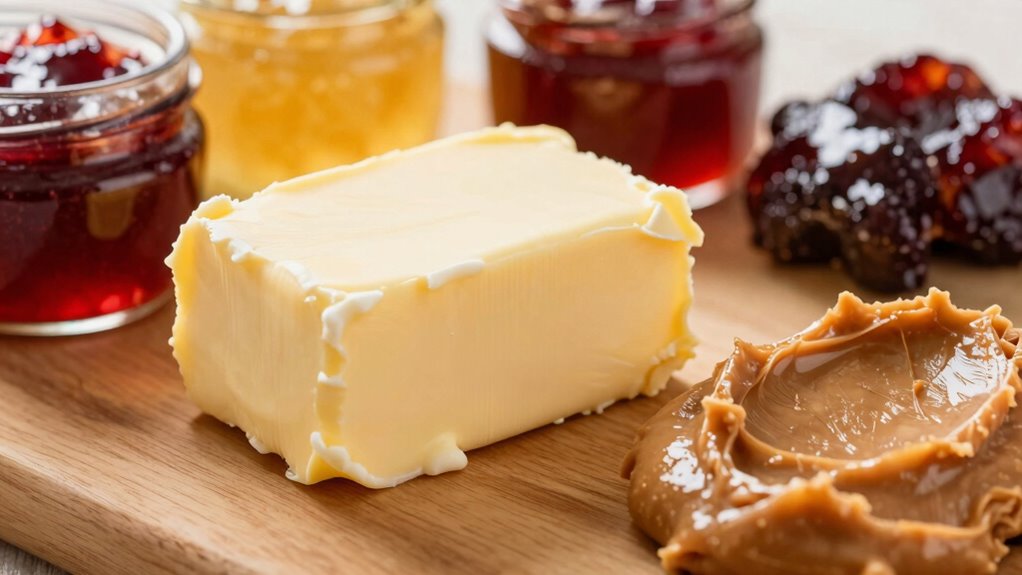
Butter often gets unfairly compared to spreads because people tend to lump all options together without considering their differences. At first glance, both might seem similar—something you spread on toast or use in cooking. But if you take a closer look, you’ll notice distinct flavor distinctions that set butter apart. Butter offers a rich, creamy taste with a natural sweetness, often described as smooth and indulgent. In contrast, many spreads—like margarine, plant-based butters, or flavored spreads—come with added ingredients, artificial flavors, or emulsifiers that alter their taste profile. Some spreads are designed to be savory, tangy, or even sweet, making them versatile but also more processed in comparison to butter’s straightforward, natural flavor.
You might also find yourself considering health perceptions when comparing butter and spreads. Many people see spreads as a healthier alternative, especially those labeled as “heart-healthy” or “low-fat.” This perception exists because spreads often contain less saturated fat or include added nutrients like omega-3s or plant sterols. However, it’s crucial to recognize that not all spreads are created equally. For example, some margarine varieties are made with trans fats, which have been linked to health risks. Others are loaded with preservatives or artificial ingredients, which can diminish their health appeal. Butter, on the other hand, is a natural dairy product with fewer additives, but it does contain saturated fat, which some health guidelines recommend limiting. Still, many people perceive butter as a more natural and wholesome choice, aligning with their preference for less processed foods. Additionally, understanding the differences in processing methods helps clarify why some might favor one over the other for health reasons.
Your decision often hinges on how you view these flavor distinctions and health perceptions. While spreads might seem more convenient or tailored to specific dietary needs, butter’s straightforward nature appeals to those who prioritize natural ingredients and traditional flavors. When you compare them, it’s easy to overlook these nuanced differences. Butter’s flavor is consistent and authentic, while spreads can vary widely depending on their formulation. Similarly, health perceptions are subjective—what’s healthier for one person might not be for another, depending on individual dietary goals and beliefs. Nutritional content can vary significantly, making it important to consider personal health priorities. For example, some people choose spreads containing added plant sterols to help manage cholesterol levels. Moreover, the processing techniques used in manufacturing spreads can impact their overall quality and health implications. Recognizing the natural composition of butter can be a decisive factor for many consumers. Ultimately, the comparison shouldn’t be black and white; understanding the unique qualities of each allows you to choose what best suits your taste and health preferences.
natural butter vs processed spreads
As an affiliate, we earn on qualifying purchases.
As an affiliate, we earn on qualifying purchases.
Frequently Asked Questions
How Do Spreads Differ From Butter in Nutritional Content?
Spreads differ from butter mainly in their ingredients and nutritional content. While butter is made from animal fats, spreads often include margarine alternatives or plant-based options, which can be lower in saturated fat and cholesterol. Some spreads are fortified with vitamins, making them healthier choices. If you’re exploring healthier options, look for plant-based spreads or margarine alternatives that suit your dietary needs and taste preferences.
Are There Health Benefits Unique to Butter?
Imagine a classic portrait of health, where dairy fats in butter offer unique benefits. Butter contains conjugated linoleic acid (CLA), which may support weight management, and fat-soluble vitamins like A, D, E, and K. While it does impact cholesterol levels, moderate consumption can contribute to overall health. Unlike some spreads, butter’s natural fats provide essential nutrients, making it a worthwhile choice when enjoyed mindfully.
What Are Common Misconceptions About Butter and Spreads?
You might think butter and spreads are the same, but misconceptions persist about their health and flavor. People often overlook butter’s rich flavor variations and how cultural perceptions influence its reputation. Spreads are sometimes seen as healthier, but they can contain additives or artificial ingredients. Understanding the differences helps you appreciate butter’s natural qualities and diverse flavors, rather than judging it unfairly based on misconceptions or outdated beliefs about health and taste.
How Do Taste and Texture Vary Between Butter and Spreads?
Imagine butter as a warm, golden sunrise—rich, creamy, and smooth—while spreads are a vibrant, colorful palette, offering diverse flavor profiles and varied textures. Butter boasts a pure, velvety texture, melting softly on your tongue. Spreads, however, can range from crumbly to buttery, with added flavors and ingredients creating a more complex, sometimes chunkier experience. Their textures and flavors cater to different moods and tastes, making each unique.
Can Spreads Be Healthier Alternatives to Butter?
Yes, spreads can be healthier alternatives to butter, especially if you choose vegan options with lower sugar content. Many spreads are made from plant-based ingredients like nuts, seeds, or oils, offering healthier fats and fewer saturated fats. Check labels for added sugars, as some spreads contain more sugar than butter. Opting for these can help reduce your intake of unhealthy fats and improve your overall diet.
Conclusion
So next time you reach for butter or a spread, remember they each have their own charm and purpose. Are we really comparing apples to oranges when both can make our toast delicious? Instead of judging one over the other, why not enjoy the unique qualities they bring to the table? After all, life’s too short not to savor the simple pleasures—whether it’s butter’s richness or a spread’s versatility. Isn’t it about time we appreciate each for what it truly is?
NFL season / tailgating Picks
team gear
As an affiliate, we earn on qualifying purchases.