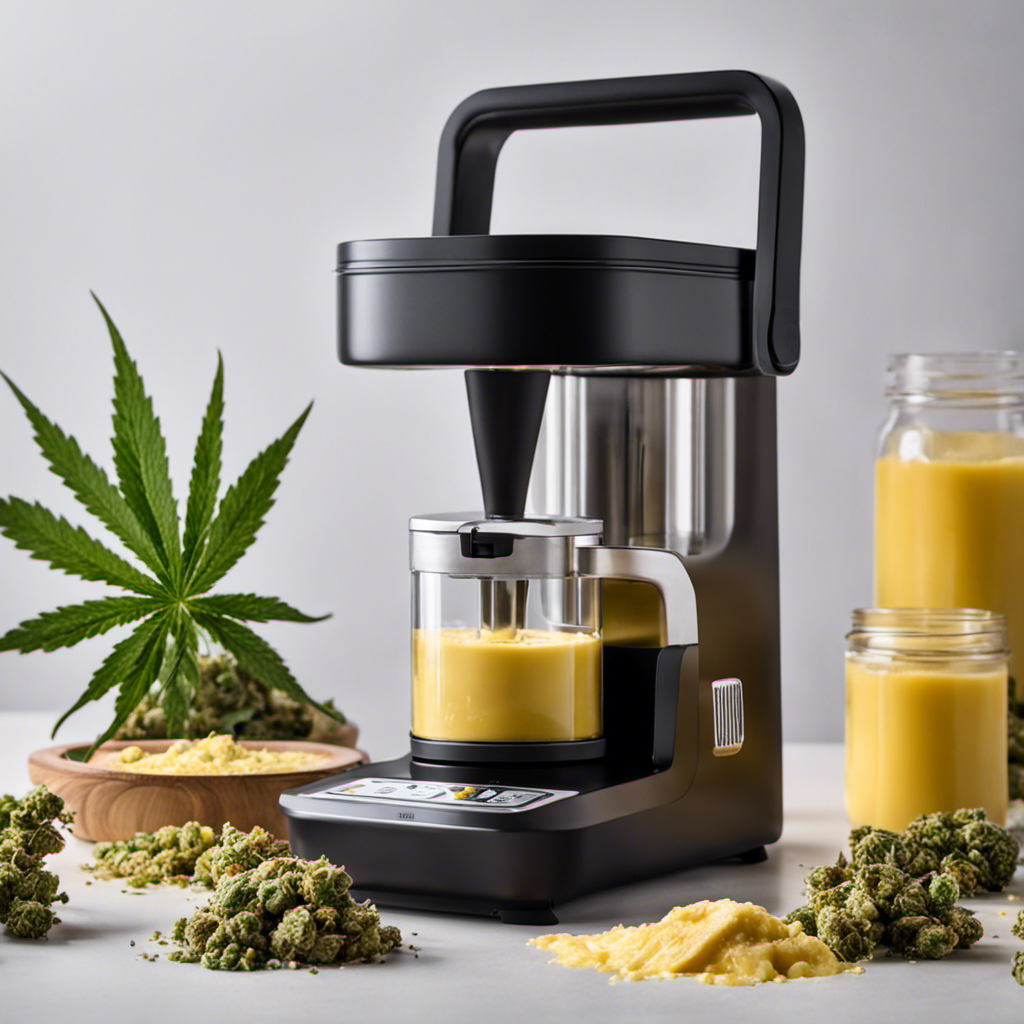

When you compare vacuum and atmospheric churning, you’ll see that each method dramatically influences the texture and stability of your food products. Vacuum churning offers smoother textures and better foam stability, reducing air incorporation for creamier results. In contrast, atmospheric churning creates fluffier, aerated textures, but they may not hold up over time. Understanding these differences can help you choose the best method for your needs; more insights on this topic await you ahead.
Key Takeaways
- Vacuum churning produces smoother textures by minimizing air incorporation, ideal for products like ice cream.
- Atmospheric churning creates fluffier textures but can compromise foam stability over time.
- Vacuum churning enhances foam stability, allowing products to maintain their structure longer than those produced with atmospheric methods.
- Although vacuum churning requires higher initial equipment investment, it leads to long-term savings through improved efficiency and product quality.
- The choice between methods significantly influences final product quality, making it essential to understand their differences for optimized food processing.

Have you ever wondered how vacuum churning stacks up against atmospheric churning in food processing? These two methods play essential roles in determining the quality and texture of various food products. When you explore the world of food processing, understanding the differences between vacuum and atmospheric churning can profoundly impact your production outcomes.
When you think about liquid agitation, vacuum churning offers a distinct advantage. By removing air from the process, vacuum churning minimizes the incorporation of unwanted gases. This helps maintain better control over the texture of your product. With less air, you can achieve a smoother consistency, which is especially important for items like ice cream or whipped toppings. On the other hand, atmospheric churning introduces air into the mix, creating a fluffier product. While this can be beneficial for certain applications, it often comes at the cost of foam stability.
Vacuum churning enhances texture control and foam stability, delivering smoother products like ice cream compared to airy, less stable outcomes from atmospheric churning.
Foam stability is vital when you’re creating products that need to maintain their structure. If you’ve ever experienced a whipped cream that quickly deflated, you know how essential this factor can be. Vacuum churning enhances foam stability by keeping temperatures lower and reducing the risk of over-whipping. This means you can produce a denser, creamier product that holds its shape longer. In contrast, atmospheric churning can lead to a more aerated foam, which may be desirable for certain dishes but could be problematic for others.
The difference in energy consumption is worth noting too. Vacuum churning often requires more initial investment in equipment, but it can lead to long-term savings in production efficiency and quality. When you’re producing large quantities, the benefits of maintaining foam stability and reducing air incorporation become even more apparent. You can save on ingredients and reduce waste, ultimately leading to a better bottom line. Additionally, using vacuum churning can improve the product’s foam stability by minimizing air introduction, which is a crucial factor for items like whipped toppings and ice creams.
vacuum ice cream maker
As an affiliate, we earn on qualifying purchases.
As an affiliate, we earn on qualifying purchases.
Frequently Asked Questions
What Are the Applications of Vacuum and Atmospheric Churning?
You’ll find vacuum and atmospheric churning have diverse applications. In industrial cleaning, vacuums efficiently remove dust and debris from large areas, ensuring a safe workspace. For laboratory testing, atmospheric churning helps mix solutions evenly, allowing for accurate results in experiments. Both methods enhance productivity and precision in their respective fields. By leveraging these techniques, you can optimize processes and achieve better outcomes in your operations, whether in cleaning or scientific research.
How Do Vacuum and Atmospheric Churning Affect Product Shelf Life?
Vacuum packaging can substantially extend your product’s shelf life by minimizing oxidation and preventing microbial growth. When you eliminate air, you’re reducing the chances of spoilage caused by oxygen and bacteria. On the other hand, atmospheric churning can introduce oxygen and foster a conducive environment for microbes, which may compromise your product’s freshness. By choosing the right method, you can effectively enhance the longevity of your products and maintain their quality.
Can Vacuum Churning Be Used for All Types of Mixtures?
No, vacuum churning can’t be used for all types of mixtures. In fact, studies show that about 30% of mixtures face compatibility issues when subjected to vacuum conditions. Some ingredients may not blend well, leading to process limitations that affect texture or stability. You’ve got to assess each mixture carefully to confirm it’s suitable for vacuum churning, considering factors like viscosity and aeration requirements for ideal results.
What Safety Precautions Are Needed for Vacuum Churning?
When using vacuum churning, you need to prioritize safety by implementing hazard prevention measures. Always wear appropriate personal protective equipment, like gloves and goggles, to shield yourself from potential splashes or spills. Make sure your workspace is well-ventilated and free of flammable materials. Familiarize yourself with emergency protocols in case of equipment failure or accidents. Regularly inspect the machinery to avoid malfunctions. Staying vigilant helps maintain a safe environment while you work.
How Do Costs Compare Between Vacuum and Atmospheric Churning Methods?
Imagine two chefs in a bustling kitchen, each choosing their method to whip up a delightful dessert. When you look at cost comparison, vacuum churning typically comes with higher equipment expenses due to specialized machinery. On the other hand, atmospheric churning requires less investment, making it more budget-friendly. However, consider the long-term benefits; the efficiency of vacuum churning might offset those initial costs, creating a balance in your culinary budget.
atmospheric whipped cream dispenser
As an affiliate, we earn on qualifying purchases.
As an affiliate, we earn on qualifying purchases.
Conclusion
In the end, understanding the differences between vacuum and atmospheric churning is vital for anyone looking to optimize their processes. Did you know that vacuum churning can reduce mixing times by up to 50% compared to atmospheric methods? That’s a significant improvement! By choosing the right technique, you can enhance efficiency, product quality, and overall results. So, whether you’re in food production or pharmaceuticals, making an informed choice will definitely pay off in the long run.
vacuum food churning machine
As an affiliate, we earn on qualifying purchases.
As an affiliate, we earn on qualifying purchases.
foam stability food processor
As an affiliate, we earn on qualifying purchases.
As an affiliate, we earn on qualifying purchases.