
TL;DR

Get kitchen staples and gadgets delivered free with Prime
- Fast, free delivery on millions of items
- Prime Video, Amazon Music and more included
- Member-only deals all year
Search interest in unregulated meat stalls in Bogotá is increasing amid reports of health risks. Authorities warn that these informal markets lack proper hygiene and safety standards, posing potential health hazards. The situation remains under investigation, with no official shutdowns yet announced.
Authorities in Bogotá are investigating a surge in unregulated meat stalls operating across the city, raising concerns about food safety and public health. While these informal vendors are popular among consumers seeking cheaper options, officials warn that the lack of proper hygiene and regulation could lead to health risks. The trend has gained attention amid increasing online searches and social media reports, though no official measures to shut down these stalls have been confirmed yet.
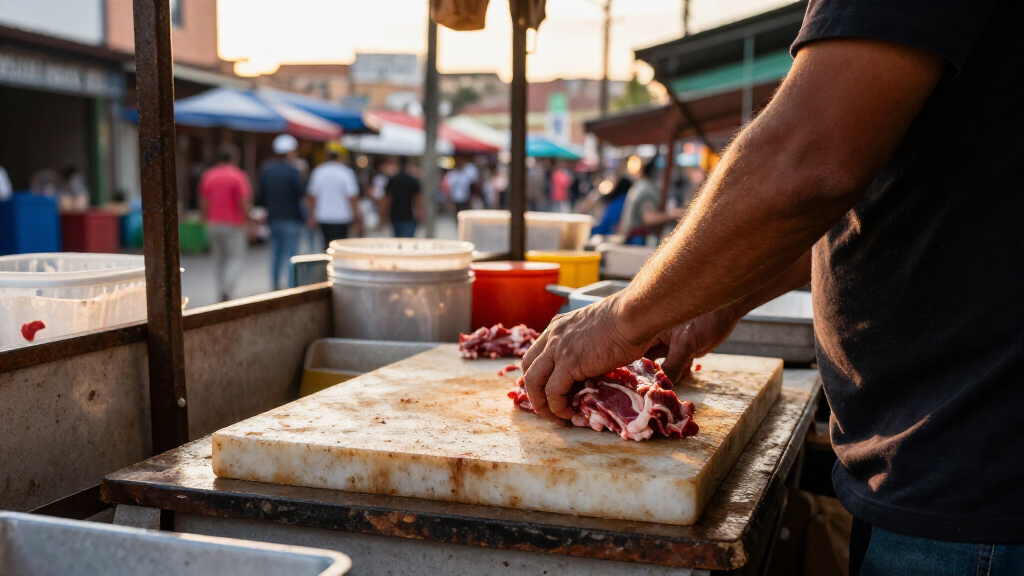
Recent reports indicate that numerous informal meat vendors are operating without official permits or health inspections in various neighborhoods of Bogotá. These stalls often sell beef, pork, and chicken at lower prices than licensed markets, attracting a significant customer base. Authorities have acknowledged the presence of these unregulated vendors but have not yet implemented comprehensive enforcement actions. The lack of oversight means these stalls may not adhere to proper refrigeration, hygiene, or handling standards, increasing the risk of foodborne illnesses.
Health experts warn that meat sold in unregulated markets can harbor pathogens such as Salmonella, E. coli, and Listeria, especially when stored at improper temperatures or handled without adequate hygiene. The city’s health department has issued statements urging consumers to exercise caution and buy only from verified vendors. However, the popularity of these informal stalls persists, driven by affordability and accessibility.
Local residents and small business owners have expressed mixed reactions. Some appreciate the lower prices, while others are concerned about safety. Officials emphasize that the city’s food safety regulations are clear but difficult to enforce consistently across informal markets, which are often located in densely populated or underserved areas.
Health Risks and Regulatory Gaps in Bogotá’s Food Market
This situation underscores critical gaps in Bogotá’s food safety oversight, as unregulated meat stalls pose potential health hazards to consumers. The rise of informal markets reflects economic pressures and consumer demand for affordable food, but it also highlights the challenge of ensuring public health standards are met outside formal channels. If unaddressed, these risks could lead to outbreaks of foodborne illnesses, putting vulnerable populations at greater risk and straining healthcare resources.
Products Worth Considering

Weber Genesis E-415 4-Burner Propane Gas Grill, Black

Cuisinart ICE-70P1 2-Quart Ice Cream Maker with Countdown Timer

KitchenAid Go Cordless Citrus Juicer with Battery, KCJR161BM
As an affiliate, we earn on qualifying purchases.
Growing Informal Markets and Food Safety Challenges in Bogotá
Over recent years, Bogotá has seen a rise in informal markets and street vendors, partly driven by economic factors and limited access to regulated food outlets. The COVID-19 pandemic further accelerated this trend, as many residents turned to cheaper, more accessible sources of food. Despite regulations requiring vendors to meet health standards, enforcement remains inconsistent, allowing unregulated stalls to proliferate. Previous incidents involving contaminated food have prompted warnings but have not significantly curbed the growth of these informal vendors.
Unconfirmed Enforcement Actions and Consumer Impact
It is not yet clear whether authorities will implement immediate shutdowns or stricter regulations against these informal stalls. The extent of the health risks posed by the current unregulated meat sales remains under study, and official inspection data is not publicly available. Additionally, the actual impact on public health, such as recent outbreaks or illnesses linked directly to these stalls, has not been confirmed.
Potential Policy Responses and Consumer Guidance
Authorities are expected to increase inspections and public awareness campaigns in the coming weeks to address the rise of unregulated meat stalls. Monitoring efforts will likely focus on identifying high-risk vendors and enforcing existing food safety laws. Consumers are advised to buy meat only from licensed vendors and to remain cautious about the hygiene standards of informal stalls. Further investigations are expected to clarify the scale of the issue and inform future regulatory actions.
Key Questions
Are unregulated meat stalls in Bogotá safe to buy from?
Health experts warn that without proper hygiene and refrigeration, meat sold in informal stalls can pose health risks, including foodborne illnesses. Consumers should exercise caution and prefer verified vendors.
What actions are authorities taking against these stalls?
Official statements indicate increased inspections and awareness campaigns, but no large-scale shutdowns or strict enforcement measures have been publicly confirmed yet.
Why do people buy from unregulated stalls despite the risks?
Many consumers seek lower prices and greater accessibility, especially in underserved neighborhoods where formal markets may be less available.
Could this situation lead to health outbreaks?
While the risk exists, there are no confirmed outbreaks linked directly to these stalls at this time. Authorities are monitoring the situation closely.
What should consumers do to protect themselves?
Buy meat from licensed vendors, check for proper hygiene and refrigeration, and be cautious of stalls that appear unclean or unregulated.
Source: local