TL;DR
The USDA has issued a food safety alert for chicken sold in nine states due to potential contamination. The alert involves recalls and safety warnings, with ongoing investigations into the scope of the issue.
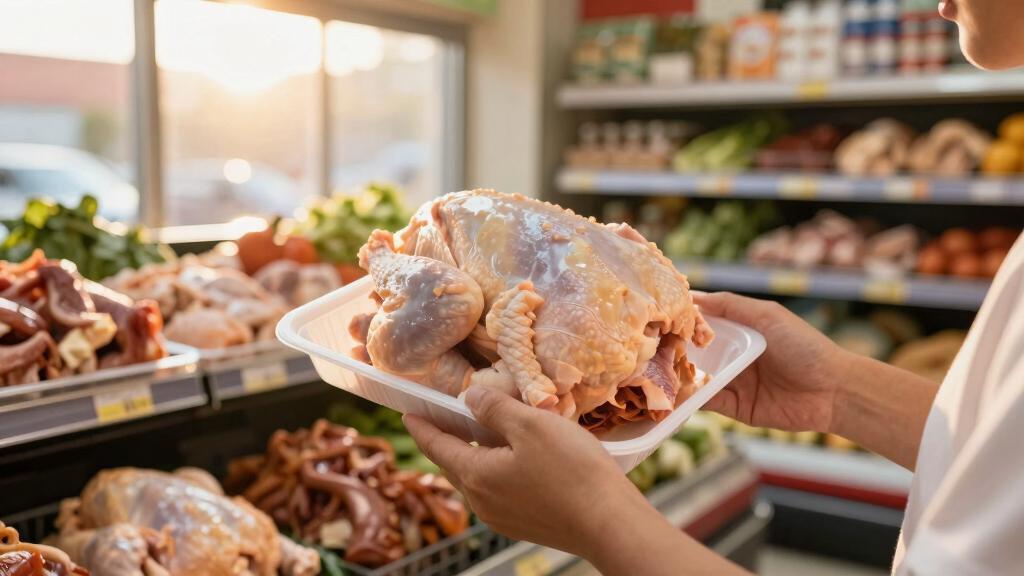
The United States Department of Agriculture (USDA) has issued a food safety alert concerning chicken sold across nine states, citing possible contamination that could pose health risks. This alert has led to recalls and warnings for consumers and retailers, emphasizing the importance of proper food handling and safety measures.

Get kitchen staples and gadgets delivered free with Prime
- Fast, free delivery on millions of items
- Prime Video, Amazon Music and more included
- Member-only deals all year
Implications for Consumer Food Safety and Retailers
This alert underscores ongoing concerns about food safety in the poultry supply chain. It highlights the potential health risks posed by contaminated chicken, which can cause foodborne illnesses such as salmonella or campylobacter infections. For consumers, this means increased vigilance when purchasing and preparing chicken, especially in the affected states. For retailers and suppliers, it signals the need for stricter quality control measures and rapid response to contamination reports, aiming to prevent widespread illness and protect public health.
Products Worth Considering

KitchenAid 38 oz Cold Brew Coffee Maker, KCM5912

KitchenAid Classic Series 4.5-Quart Tilt-Head Stand Mixer, Onyx Black
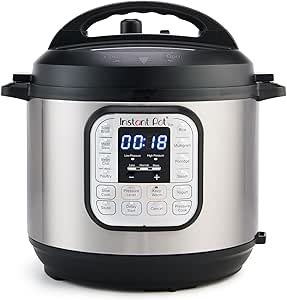
Instant Pot Duo 6-Quart 7-in-1 Electric Pressure Cooker
As an affiliate, we earn on qualifying purchases.
Background on USDA Food Safety Alerts and Recent Incidents
The USDA regularly issues alerts and recalls related to contaminated meat and poultry products. Past incidents have involved salmonella outbreaks linked to chicken, prompting recalls and stricter regulations. This recent alert follows a pattern of increased testing and surveillance by the USDA FSIS, which aims to identify and mitigate food safety risks before they escalate. The specific cause of this contamination remains under investigation, but it reflects ongoing challenges in maintaining safety standards across the poultry industry.
“Consumers should check their chicken products for recall notices and follow safety guidelines to prevent illness.”
— USDA Food Safety and Inspection Service
Details of the Contamination and Affected Products Still Unclear
It is not yet confirmed what specific contaminants are involved or the exact scope of the affected products. The USDA has not disclosed detailed information about the source of contamination, whether it is biological, chemical, or foreign substances. The full list of recalled products and brands is still being compiled, and investigations are ongoing to determine the cause and prevent future incidents.
USDA and Industry Actions to Clarify and Address the Issue
The USDA is expected to release a detailed list of affected products and brands in the coming days. Retailers and consumers are advised to stay alert for recall notices and follow food safety guidelines, including proper cooking temperatures. The agency will continue investigations and may implement additional safety measures or regulations to prevent similar incidents. Monitoring of the affected supply chain will be ongoing as authorities work to resolve the issue.
Key Questions
What specific chicken products are affected?
The USDA has not yet published a full list of affected products, but consumers are advised to check for recall notices on packaging and retailer websites.
What health risks are associated with this contamination?
If contaminated, chicken can cause foodborne illnesses such as salmonella or campylobacter infections, which can lead to symptoms like diarrhea, fever, and abdominal cramps.
How can I tell if my chicken is safe to eat?
Consumers should verify if their chicken products are part of the recall, check for proper storage, and cook poultry to an internal temperature of at least 165°F to kill pathogens.
Will there be a wider recall or investigation?
The USDA is actively investigating and may expand the recall if additional contaminated products or sources are identified.
What should retailers do in response?
Retailers are instructed to remove affected products from shelves immediately and cooperate with USDA investigations to ensure consumer safety.
Source: google-trends