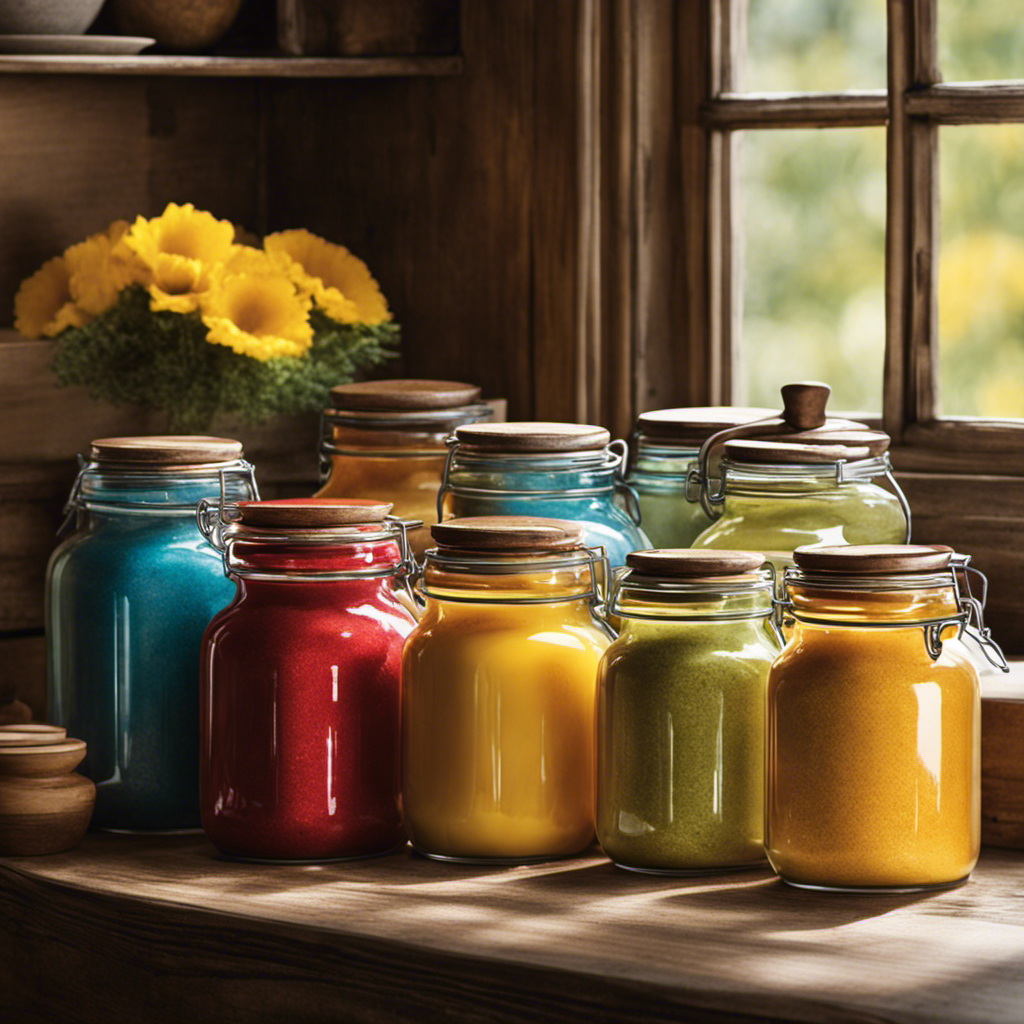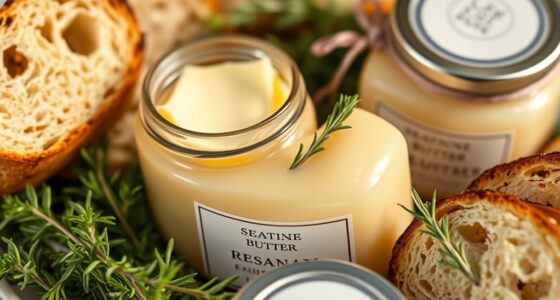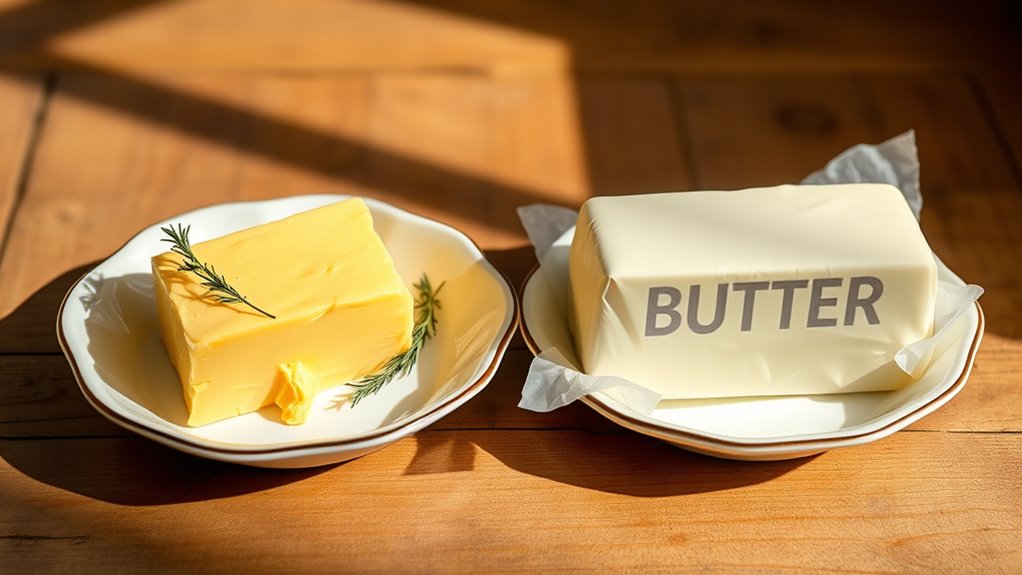

When choosing between organic and conventional butter, look for labels that indicate farming practices. Organic butter comes from cows grazing on organic pastures without synthetic pesticides. In contrast, conventional butter is often made from cows fed grain and treated with chemicals. You’ll notice that organic butter tends to have a richer flavor and creamier texture. By understanding these label clues, you can make a more informed choice that aligns with your values and preferences. There’s more to discover!
Key Takeaways
- Look for the USDA Organic seal on labels, indicating compliance with strict organic farming regulations.
- Check for terms like “pasture-raised” which suggest cows grazed on natural grass diets.
- Avoid products labeled with synthetic additives or preservatives, common in conventional butter.
- Notice the fat content; organic butter often has higher fat from pasture-raised cows, enhancing flavor.
- Review the source of the milk; organic butter comes from cows raised in healthier, more humane conditions.
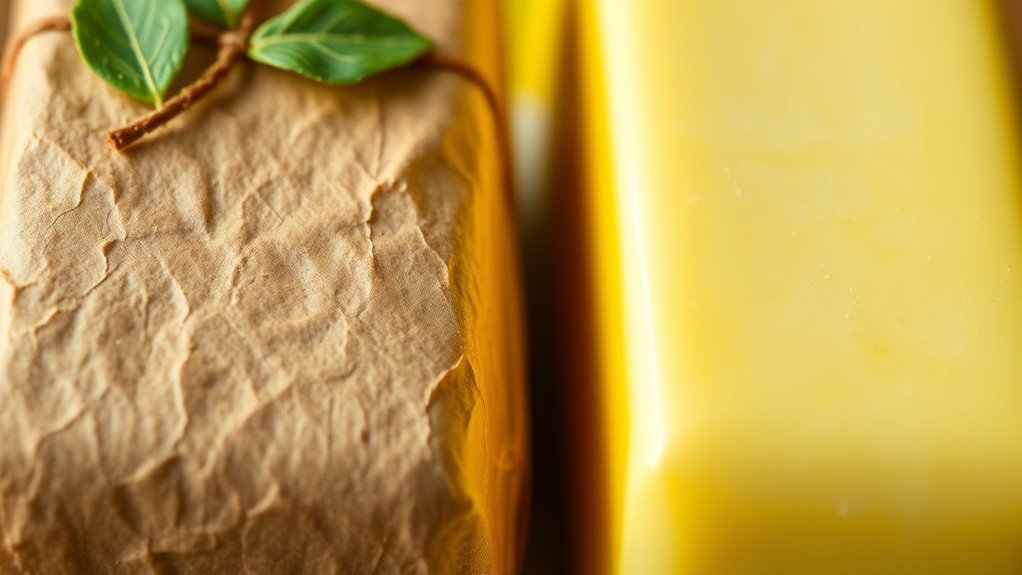
Have you ever wondered what sets organic butter apart from its conventional counterpart? The difference primarily lies in the dairy farming practices used to produce it. Organic butter comes from cows that are raised under strict regulations that promote their health and well-being. These cows graze on organic pastures, which means they eat grass that’s free from synthetic pesticides and fertilizers. In contrast, conventional butter is typically made from milk sourced from cows that may be fed grain diets, often treated with chemicals, and kept in less-than-ideal living conditions. So, when you choose organic butter, you’re not just making a decision for your taste buds; you’re also supporting sustainable farming practices.
You might be curious about how these farming methods impact the environment. Organic dairy farms often prioritize sustainability, employing practices that help maintain soil health and reduce pollution. By avoiding synthetic inputs, they minimize the chemical runoff that can harm local waterways and ecosystems. This means that the butter you’re enjoying isn’t just a treat for your palate; it’s also a choice that can contribute to a healthier planet. Conventional farms, on the other hand, may not always follow these environmentally friendly practices, leading to a higher environmental impact. So, if you’re concerned about the ecological footprint of your food, organic butter might be the way to go.
When it comes to taste, many people swear by organic butter for its richer flavor profile. Because the cows are fed a natural diet and have access to pasture, the milk they produce often has a higher fat content and a more robust taste. You might notice that organic butter spreads more smoothly and has a creamier texture, making it a delightful addition to your baking and cooking. Of course, personal preference plays a role here, but it’s hard to ignore how the quality of the milk can shine through in the final product. Additionally, the practice of sustainable farming promotes the overall health of the ecosystem, further enhancing the benefits of choosing organic products.
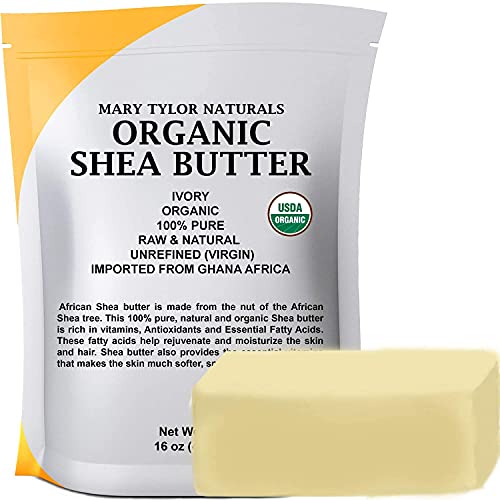
Mary Tylor Naturals Organic Shea Butter 1 lb — USDA Certified Raw, Unrefined, Ivory From Ghana Africa — Great for Hair, Skin and all your DIY Projects
Certified Organic
As an affiliate, we earn on qualifying purchases.
As an affiliate, we earn on qualifying purchases.
Frequently Asked Questions
What Are the Nutritional Differences Between Organic and Conventional Butter?
When you compare organic and conventional butter, you’ll notice some nutritional differences. Organic butter often has a higher fat composition of omega-3 fatty acids due to the cows’ grass-fed diets. In contrast, conventional butter might contain more saturated fats. The nutritional content can vary slightly, with organic options sometimes providing more vitamins like A and E. Ultimately, your choice may depend on your health goals and preferences for how the cows are raised.
How Do the Prices of Organic and Conventional Butter Compare?
When you stroll through the dairy aisle, the price tags tell a story. Organic butter often carries a heftier price tag, reflecting its premium nature and production methods. In contrast, conventional butter typically comes with a friendlier price, appealing to budget-conscious shoppers. This price comparison shapes consumer perception, as many believe they’re paying for quality with organic options. Ultimately, your choice depends on value and what you’re willing to invest in your culinary creations.
Are There Specific Brands That Are Highly Recommended for Organic Butter?
Yes, some highly recommended brands for organic butter include Kerrygold and Organic Valley. Both brands have strong reputations for quality and transparency in their farmer practices. Kerrygold sources its milk from grass-fed cows in Ireland, ensuring a rich flavor. Organic Valley emphasizes sustainable farming methods, supporting local farmers and community health. When choosing organic butter, consider these brands for their commitment to high standards and ethical practices. You won’t be disappointed!
Can I Use Organic Butter for Baking and Cooking?
Yes, you can definitely use organic butter for baking and cooking! It adds a rich, organic flavor that can enhance your dishes. Just keep in mind that while organic butter typically has good shelf stability, it’s best to store it properly to maintain its freshness. If you’re baking, it’s perfect for cookies and pastries, giving them a delicious taste. So go ahead and enjoy your cooking with organic butter!
How Long Does Organic Butter Last Compared to Conventional Butter?
Organic butter typically lasts about 2 to 3 weeks longer than conventional butter when stored properly. In fact, organic butter can have a shelf life of up to 6 months in the freezer. For best results, keep it wrapped tightly to prevent freezer burn and maintain its flavor. Always check for any off smells or discoloration, as these are signs that it’s time to toss it, regardless of the type you choose.

Organic Valley® Butter (Unsalted) — Organic, Pasture Raised, Non GMO — 4 Sticks — 16 oz
One pound (4 sticks) of Organic Valley Salted Butter
As an affiliate, we earn on qualifying purchases.
As an affiliate, we earn on qualifying purchases.
Conclusion
When you choose organic butter, you’re not just spreading a creamy delight; you’re inviting the sun-kissed fields of happy cows into your kitchen! The rich flavor dances on your toast like a joyful ballet, while conventional butter feels like a bland wallflower at a party. So, as you reach for that golden tub, remember: organic isn’t just a label; it’s a ticket to a buttery utopia where every bite sings of nature’s goodness and pure bliss!

365 by Whole Foods Market, Organic Butter Unsalted, 1 lb
Brought to you by Whole Foods Market
As an affiliate, we earn on qualifying purchases.
As an affiliate, we earn on qualifying purchases.

4th & Heart Original Grass-Fed Ghee, Clarified Butter, 1:1 Butter Substitute, Pasture-Raised, Lactose & Casein Free, 9 oz
SUPPORTS GUT HEALTH – Contains naturally occurring butyric acid and CLA—fatty acids that help support digestive function, nourish…
As an affiliate, we earn on qualifying purchases.
As an affiliate, we earn on qualifying purchases.