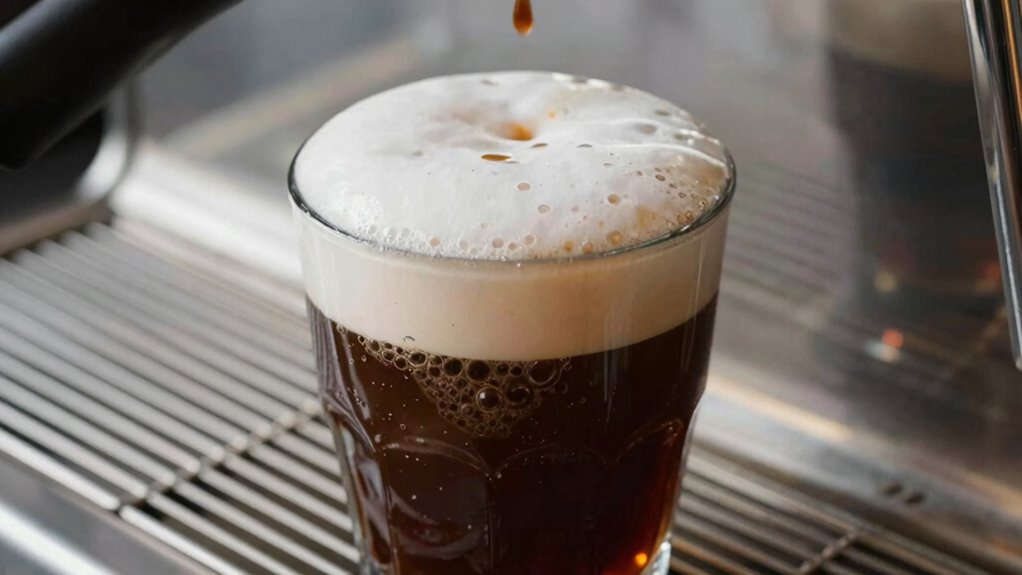

You might think that the fancy feel of nitro cold brew is all about presentation, but clean draft lines are what really keep it high-quality. Proper maintenance prevents off-flavors, bitterness, and flat textures, ensuring each pour remains smooth, flavorful, and visually appealing. Neglecting this can lead to contamination and a less upscale experience. Keep your lines clean and well-maintained, and you’ll serve better coffee every time. Want to find out how to do that effectively? Keep going for more tips.

Get kitchen staples and gadgets delivered free with Prime
- Fast, free delivery on millions of items
- Prime Video, Amazon Music and more included
- Member-only deals all year
Key Takeaways
- Clean draft lines ensure the nitro cold brew maintains its smooth, silky texture and fresh flavor.
- Proper maintenance prevents off-flavors caused by residue, oils, and mineral buildup.
- Regular cleaning and inspections preserve equipment performance and product quality.
- A well-maintained system enhances customer perception of freshness and upscale presentation.
- Neglecting draft line care can lead to contamination, flavor degradation, and a less premium experience.
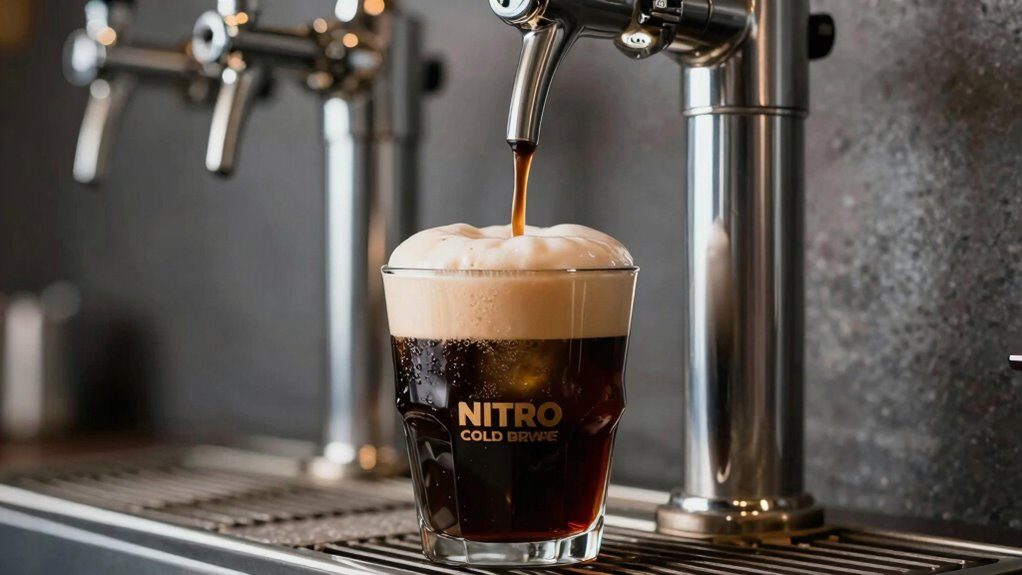
Nitro cold brew has become a popular choice for coffee lovers seeking a smooth, creamy texture without added dairy, thanks to its infusion with nitrogen gas. It’s often associated with a fancy, upscale vibe, but what truly makes it stand out isn’t just the presentation. The quality of your draft lines plays a crucial role in how your coffee tastes and how your customers perceive it. Clean, well-maintained draft lines ensure flavor clarity, which means your coffee’s nuanced flavors come through without any off-putting bitterness or stale notes. When your lines are dirty or neglected, it’s almost impossible to deliver that crisp, vibrant taste that makes nitro cold brew so appealing. Instead, you risk serving a product that’s muted, flat, or worse, contaminated, which can tarnish your reputation.
To keep your draft lines in top shape, you need to establish consistent maintenance routines. Regular cleaning isn’t just a suggestion; it’s a necessity. This involves flushing the lines with cleaning solutions designed to break down coffee oils, mineral deposits, and other residues that build up over time. Without this upkeep, these residues accumulate, leading to flavor degradation and inconsistent pours. You want each glass of nitro cold brew to deliver the same clarity and richness every time, and that only happens with diligent maintenance. Additionally, understanding draft line hygiene is essential for maintaining product quality and customer satisfaction. Proper procedures for cleaning and sanitizing draft systems help prevent the buildup of bacteria and mold, which can compromise both flavor and safety. Maintaining proper sanitation also extends the lifespan of your equipment, reducing long-term costs and ensuring optimal performance.
Regular cleaning and maintenance are essential for consistent, flavorful nitro cold brew.
Beyond cleaning, paying attention to the overall condition of your draft system is essential. Check for leaks, ensure the nitrogen tank pressure stays within the recommended range, and replace worn-out parts promptly. Doing so prevents oxygen ingress, which can cause the coffee to become stale and develop off-flavors. Also, keep an eye on temperature control, since cold storage helps preserve the coffee’s freshness and flavor profile. Regularly inspecting your system for signs of wear and tear can help identify potential issues early before they impact your product. Proper draft system maintenance ultimately safeguards the quality of your cold brew and enhances customer satisfaction.
When you prioritize these routines, you’re not just maintaining equipment—you’re preserving the integrity of your product. The result is a consistently smooth, flavorful cold brew with that signature silky texture that customers love. It’s easy to showcase a fancy tap setup, but without proper maintenance, that impression quickly fades. Clean draft lines are the backbone of flavor clarity, ensuring every pour is as fresh and appealing as the first. In the end, it’s those small, routine efforts that elevate your coffee from a simple beverage to a noteworthy experience, resonating with customers who appreciate quality and consistency.
As an affiliate, we earn on qualifying purchases.
Frequently Asked Questions
How Often Should Draft Lines Be Cleaned for Optimal Taste?
You should clean your draft lines at least every two weeks to guarantee peak taste. Regular cleaning is crucial for good coffee brewing and maintaining equipment, preventing build-up that can ruin flavors. If you serve a high volume of cold brew, consider cleaning weekly. Proper equipment maintenance keeps your draft lines fresh, ensuring every pour tastes clean and crisp, which is essential for delivering a quality experience to your customers.
Does the Type of Metal in Draft Lines Affect Coffee Flavor?
Yes, the metal composition of draft lines influences coffee flavor. Different metals, like stainless steel or copper, can affect taste due to their flavor influence and corrosion resistance. Stainless steel is popular because it’s durable and neutral, preserving the coffee’s true flavor. Copper, while excellent at heat transfer, may impart a slight metallic taste if not properly maintained. Selecting the right metal guarantees your cold brew tastes fresh and consistent.
Can Dirty Draft Lines Cause Health Issues?
Dirty draft lines can definitely cause health issues. Studies show that improper cleaning leads to microbial growth, which can cause illnesses. Around 20% of draft lines are contaminated with bacteria, risking flavor contamination and health. If you don’t clean the lines regularly, you might unknowingly consume harmful bacteria or mold, which can cause infections or allergic reactions. Keeping your draft lines clean is essential for both flavor integrity and your health.
What Are Signs of Worn or Damaged Draft Lines?
You’ll notice signs of worn or damaged draft lines through flavor contamination, where the beer tastes off or stale, and line corrosion, which appears as discoloration or buildup inside the lines. You might also see leaks, uneven pouring, or foam issues. These signs indicate the lines need inspection or replacement to guarantee clean, fresh-tasting drafts. Regular maintenance helps prevent flavor issues and keeps your draft system in top shape.
How Long Does a Draft Line Typically Last Before Replacement?
Think of your draft line as the backbone of flavor consistency, guiding every sip smoothly. Typically, you should replace it every 6 to 12 months, depending on usage and cleanliness. Regular equipment maintenance keeps your lines clear and your drinks tasting fresh. If you notice off-flavors or inconsistent pours, it’s time to swap out the line. Staying proactive guarantees your beer flows crisp and your customers stay happy.
Conclusion
Remember, the allure of nitro cold brew is like a velvet curtain, smooth and inviting, but behind it, clean draft lines are the sturdy stage that makes the show possible. When your draft lines are pristine, every pour is a masterpiece—rich, creamy, and perfect. If you want your coffee experience to shine as brightly as that frothy cascade, keep those lines clean and well-maintained. That’s what truly turns a simple brew into a moment of magic.
Fall Picks
fall essentials
As an affiliate, we earn on qualifying purchases.