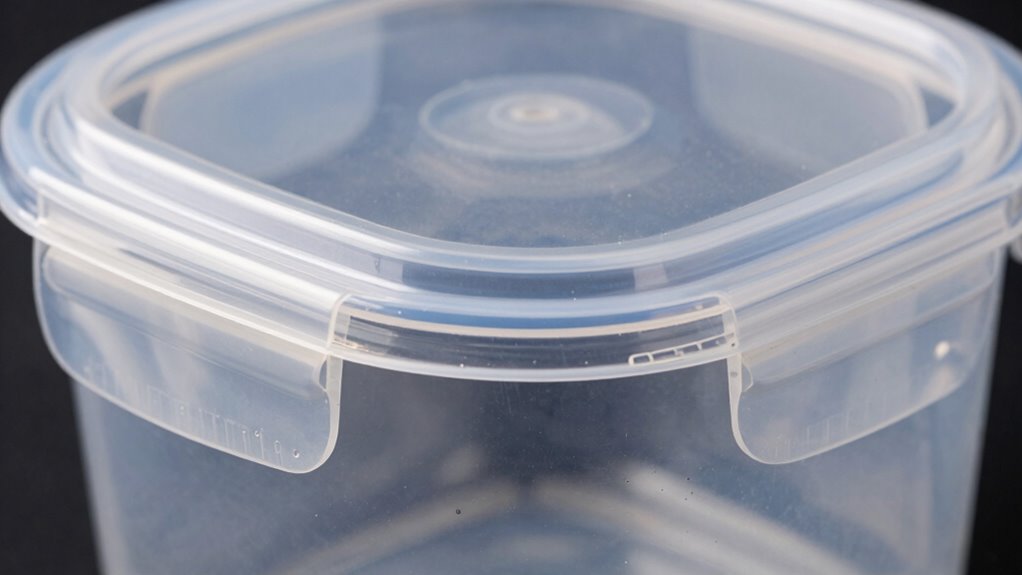
Leak-proof containers can still fail if you don’t match lids precisely to their containers. Using mismatched or loose lids creates gaps that let leaks happen during transport or storage. Even a durable container won’t keep liquids inside if the lid doesn’t fit tightly or seal properly. To avoid spills, always double-check that the lid is compatible and clicks securely. Want to discover more tips to prevent leaks? Keep going to find out the key details.

Get kitchen staples and gadgets delivered free with Prime
- Fast, free delivery on millions of items
- Prime Video, Amazon Music and more included
- Member-only deals all year
Key Takeaways
- Mismatched lids may not align properly, compromising the seal and leading to leaks.
- Using lids from different brands or containers can result in poor fit and spill risks.
- Loose or wobbly lids reduce the effectiveness of leak-proof features like gaskets.
- Locking mechanisms or seals only work if the lid fits snugly on the specific container.
- Even with lock features, incompatible lids can cause leaks during transport or storage.
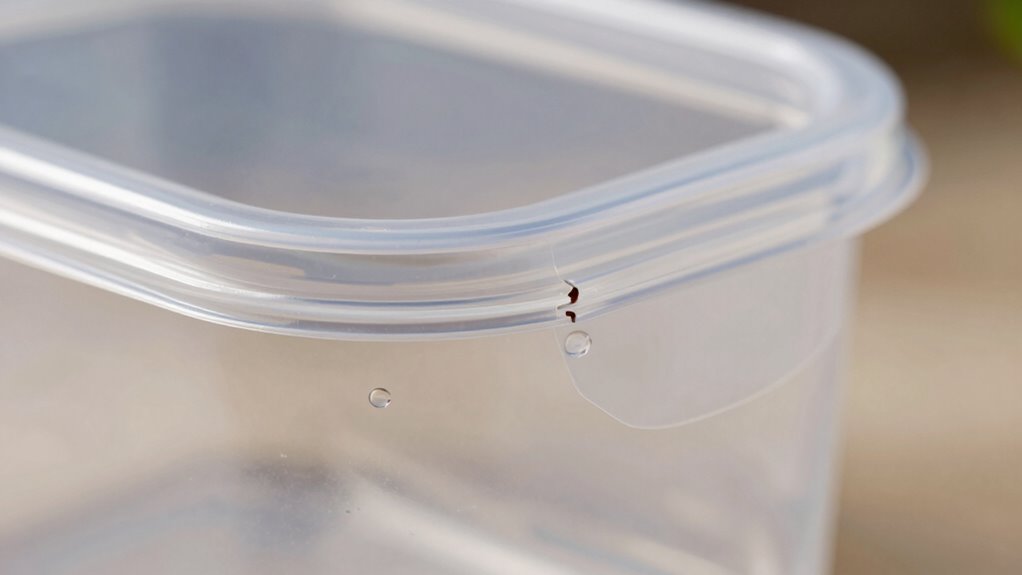
When choosing leak-proof containers, it’s crucial to consider the container material comparison. Plastic containers are lightweight, durable, and often budget-friendly, but not all plastics are created equal. Look for BPA-free options that can withstand freezing, heating, and regular washing without warping or degrading. Glass containers, on the other hand, tend to be more resistant to staining and odors, and they often come with tight-sealing lids. However, they’re heavier and more fragile, so think about your lifestyle and how often you’ll carry them around.
Choose BPA-free plastic or sturdy glass containers based on your lifestyle and storage needs.
Food storage tips play a vital role in ensuring leak-proof performance. Always check that the lid fits securely and aligns properly with the container. Some lids have a silicone gasket or seal, which helps create an airtight, leak-proof barrier. If a lid feels loose or wobbly, it might not be the right fit for that container, increasing the risk of spills. Remember, a lid designed for one container might not work well on another, even if they look similar. That’s why matching lids to their specific containers is so important.
It’s tempting to reuse lids from different brands or types of containers, but doing so can compromise the seal. Always use the original lid designed for your container, and double-check that it clicks or seals tightly before packing food or liquids. For liquids like soups or smoothies, consider containers with locking mechanisms or clamps that compress the gasket for a more secure seal. These features are especially useful when transporting liquids or oily foods that are more prone to leaks. Proper lid compatibility is essential to prevent accidental spills and messes during transportation or storage. Additionally, understanding the material interactions between the lid and container can help extend the lifespan of your storage solutions.
Ultimately, a leak-proof container’s effectiveness depends on matching the lid to the container and understanding the materials involved. By paying attention to container material comparisons and following food storage tips, you can prevent unnecessary messes and keep your food fresh and secure. No matter how high-quality your container is, if the lid isn’t properly matched, leaks are inevitable. Take the time to choose the right fit, and your leak-proof containers will serve you well every time. Properly matching lids to containers is essential for maintaining a leak-proof seal and ensuring food safety.
leak-proof food storage containers with secure lids
As an affiliate, we earn on qualifying purchases.
As an affiliate, we earn on qualifying purchases.
Frequently Asked Questions
Can Using Damaged Lids Cause Leaks?
Yes, using damaged lids can cause leaks. Damaged lids compromise container durability, making it easier for liquids to escape. If the lid material has cracks, dents, or warping, it won’t form a proper seal, even if it’s the right match for the container. Always check your lids for damage before use to verify they fit securely, preventing leaks and keeping your contents safe and spill-free.
Do Brands Guarantee Lid Compatibility?
Think of brand reliability as a handshake—some brands promise compatibility, but guarantees vary. While many companies aim to ensure their lids fit perfectly, they don’t always guarantee it, especially across different product lines. Check the product warranty before buying; it often covers lid issues. Ultimately, you can’t rely solely on brand promises—test fit and compatibility yourself, and keep receipts in case you need warranty support.
How Long Do Leak-Proof Seals Last?
Leak-proof seals typically last between 1 to 3 years, but this depends on seal durability and material aging. Over time, exposure to heat, cold, and frequent washing can weaken the seal, causing leaks. To maintain peak performance, inspect the seal regularly and replace it if you notice cracks or loss of elasticity. Proper care, like hand washing and avoiding harsh chemicals, can extend the lifespan of your container’s leak-proof seal.
Are There Universal Lids for All Containers?
While universal lids promise container versatility and compatibility, they often fall short. You might think they fit all containers, but in reality, they rarely do, leading to leaks and spills. For reliable performance, match lids specifically to container brands or designs. Don’t sacrifice leak-proof integrity for convenience; instead, verify compatibility labels or invest in dedicated sets. This guarantees your containers stay secure, making your storage solutions truly leak-proof.
Can Temperature Changes Affect Lid Fit?
Yes, temperature changes can affect lid fit. When temperatures fluctuate, materials experience expansion or contraction due to temperature expansion, which can lead to lid deformation or loosened seals. This makes the lid less secure and can cause leaks. To prevent this, choose containers with lids designed to accommodate temperature shifts, and avoid exposing them to extreme heat or cold, ensuring a snug, leak-proof fit regardless of temperature changes.
Conclusion
Remember, even the most advanced leak-proof containers can fail if you don’t match the lids to their specific use. It’s like trying to fit a square peg in a round hole—nothing clicks into place, and chaos ensues. So, always double-check your lids before sealing your containers. When you do, you’ll keep your snacks, liquids, and secrets safer than Fort Knox. Don’t let a mismatched lid turn your perfect container into a disaster waiting to happen!
NFL season / tailgating Picks
team gear
As an affiliate, we earn on qualifying purchases.