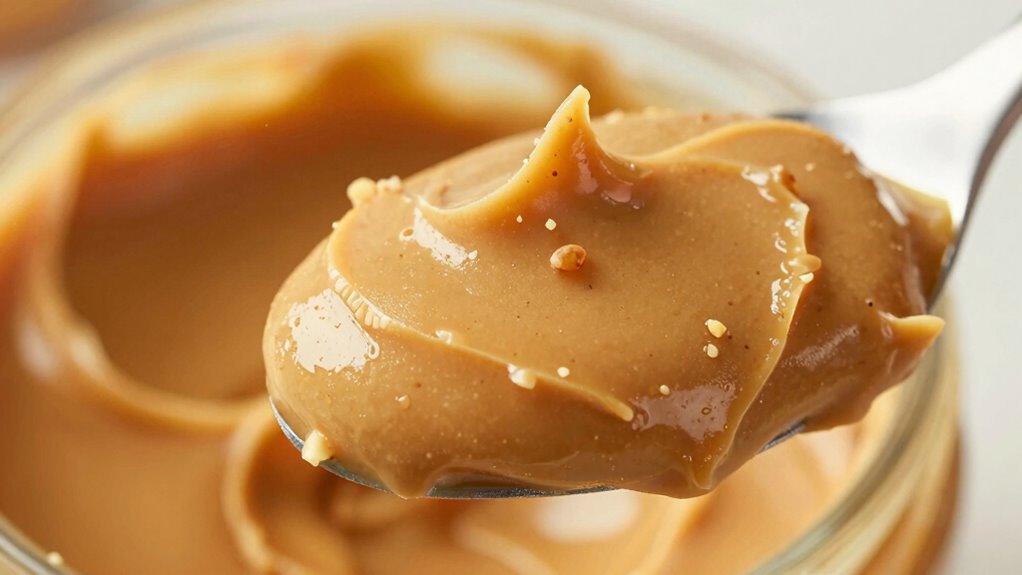

Peanut butter combines healthy fats, protein, and fiber to create a nutrient-dense food that supports your overall health. The fats are mainly monounsaturated and polyunsaturated, which help absorb essential vitamins and boost energy. The protein aids muscle repair and keeps you full longer, while the fiber promotes digestion. Together, these nutrients improve nutrient absorption and enhance your diet’s quality. Keep exploring to discover how this powerful combo can help you reach your wellness goals.

Get kitchen staples and gadgets delivered free with Prime
- Fast, free delivery on millions of items
- Prime Video, Amazon Music and more included
- Member-only deals all year
Key Takeaways
- Peanut butter’s healthy fats aid in the absorption of fat-soluble vitamins like A, D, E, and K.
- Its protein content supplies amino acids necessary for muscle repair and immune function.
- The fiber in peanut butter promotes digestive health and helps maintain feelings of fullness.
- The combination of fats, protein, and fiber enhances overall nutrient absorption during meals.
- Together, these nutrients create a nutrient-dense food that supports balanced nutrition and wellness.
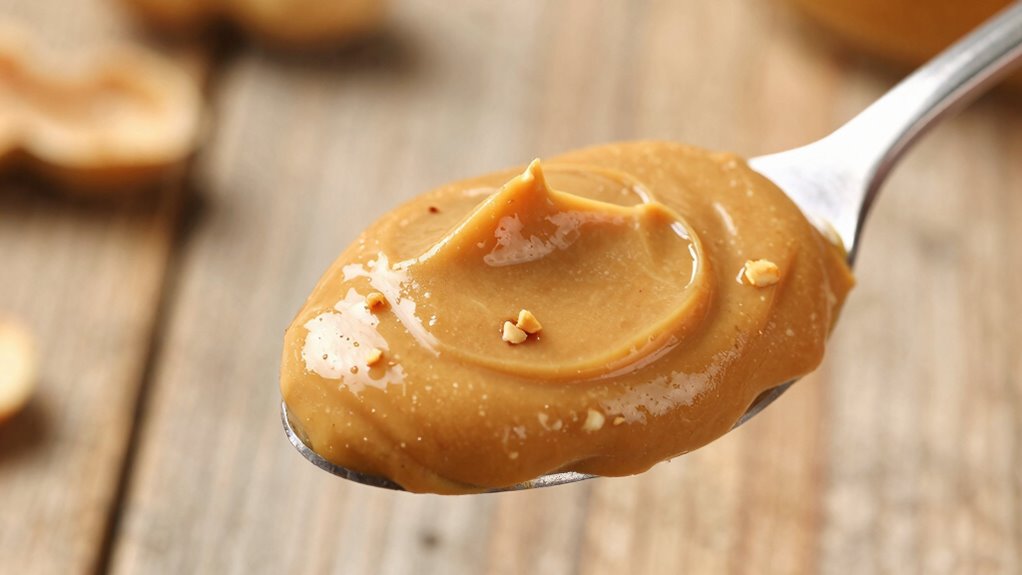
Have you ever wondered how peanut butter packs a nutritious punch by combining fat, protein, and fiber? It’s a powerhouse of nutrients that work together to support your overall health. When you include peanut butter in your diet, you’re not just enjoying a tasty spread; you’re fueling your body with ingredients that promote nutrient absorption and digestive health. The fats in peanut butter are primarily healthy monounsaturated and polyunsaturated fats, which are essential for absorbing fat-soluble vitamins like A, D, E, and K. These vitamins need fat to be properly absorbed and utilized by your body, making peanut butter a smart addition to meals that include vegetables or whole grains. The healthy fats also help sustain your energy throughout the day and support brain health, giving you both nourishment and mental clarity.
The protein in peanut butter plays a fundamental role in muscle repair, immune function, and enzyme production. When you consume protein-rich foods like peanut butter, your body breaks down the proteins into amino acids, which are then used to build and repair tissues. This process is essential for maintaining your overall health and supporting your body’s natural repair mechanisms. Furthermore, the protein content in peanut butter helps you feel full longer, curbing unnecessary snacking. As part of a balanced diet, it aids in maintaining steady blood sugar levels and supports your metabolic health. Additionally, the combination of healthy fats, protein, and fiber makes peanut butter a nutrient-dense food that can contribute to a balanced diet. Including it as part of a balanced diet can also help you meet your daily nutritional needs more effectively. Consuming a variety of nutrient-rich foods like peanut butter can also support your overall health and wellness goals. Incorporating a variety of such foods improves your nutritional intake and overall wellness. Properly integrating nutrient-dense foods like peanut butter into your meals can enhance your body’s ability to absorb vital nutrients.
natural peanut butter with no added sugar
As an affiliate, we earn on qualifying purchases.
As an affiliate, we earn on qualifying purchases.
Frequently Asked Questions
How Does Peanut Butter Affect Blood Sugar Levels?
Peanut butter causes a moderate blood sugar response because its healthy fats and protein slow down carbohydrate absorption. This results in a lower glycemic impact, helping you maintain steady energy levels. While it doesn’t spike blood sugar quickly, portion control is essential, as large amounts can still influence blood sugar. Overall, peanut butter’s balanced nutrients support a more stable blood sugar response, making it a good choice for sustained energy.
Are There Differences in Nutrient Content Among Peanut Butter Brands?
Yes, nutrient variation exists among peanut butter brands. When you compare brands, you’ll notice differences in added sugars, salt, and oils, which can affect your health. Some brands focus on natural ingredients, offering higher protein and fiber content, while others may contain fillers or preservatives. To make the best choice, check the nutrition label and compare the nutrient content to find a brand that aligns with your dietary goals.
Can Peanut Butter Help With Weight Loss?
Yes, peanut butter can help with weight loss when you pay attention to its caloric density and practice portion control. Its healthy fats, protein, and fiber keep you full longer, reducing overeating. Stick to small servings, like a tablespoon, and pair it with fruits or whole grains. This way, you enjoy its benefits without consuming excess calories, supporting your weight management goals effectively.
Is Natural Peanut Butter Healthier Than Processed Varieties?
Natural peanut butter often wins the health race over processed options, as it’s free from added additives and preservatives that can dull its natural goodness. When you choose natural, you’re embracing a purer, more wholesome spread that retains its original nutrients. Processed varieties might have extra ingredients to enhance flavor or shelf life, but they can also hide unwanted fillers, making natural peanut butter the smarter, cleaner choice for your health.
How Much Peanut Butter Is Recommended Daily?
You should aim for about 2 tablespoons of peanut butter daily, which provides healthy fats, protein, and fiber. If you’re watching calories or fats, consider peanut butter substitutions like almond or cashew butter, or try alternative nut spreads that offer similar benefits. Keep portion sizes in check, and enjoy these nutritious options in moderation to support your health and satisfy your snack cravings.
Conclusion
So, next time you scoop up that spoonful of peanut butter, remember it’s like a balanced symphony of fat, protein, and fiber working together. This tasty trio fuels your body, keeps you full, and satisfies your cravings. Think of peanut butter as a trusty sidekick, blending richness with nourishment. Embrace its power—your snack isn’t just delicious, it’s a little jar of health in disguise, ready to energize your day.
Halloween Picks
halloween
As an affiliate, we earn on qualifying purchases.