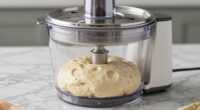
If your homemade pasta keeps sticking, it’s likely due to excess moisture, high humidity, or not enough flour during handling. To fix this fast, dust the pasta with a little more flour or cornstarch, toss gently, and let the pasta dry slightly before cooking. Proper rest and careful handling help prevent stickiness from developing. Keep exploring for detailed tips to keep your pasta non-sticky every time.

Get kitchen staples and gadgets delivered free with Prime
- Fast, free delivery on millions of items
- Prime Video, Amazon Music and more included
- Member-only deals all year
Key Takeaways
- Excess moisture from high humidity or improper hydration makes homemade pasta sticky.
- Insufficient flour during handling causes the dough to cling and stick to surfaces.
- Overworking or overrolling the dough increases stickiness and reduces elasticity.
- Resting the dough helps develop gluten, reducing stickiness and improving texture.
- Quickly fixing sticky pasta involves dusting with flour or tossing gently in cornstarch before cooking.
As an affiliate, we earn on qualifying purchases.
Why Does Homemade Pasta Stick? Causes You Should Know
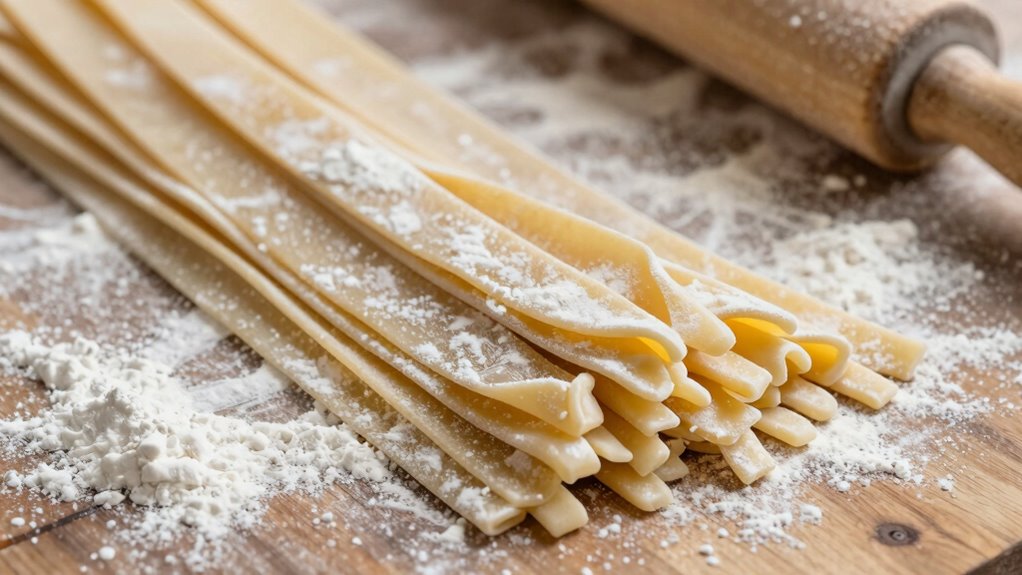
Homemade pasta tends to stick when the dough is too moist or not properly coated with flour. This often results from improper dough hydration, where the dough contains excess moisture, making it sticky. Additionally, humidity levels can play a significant role; high humidity introduces more moisture into the air, increasing the chance of sticking. If the dough isn’t balanced with the right amount of flour, it can become too wet and sticky to handle easily. Not managing these factors can cause your pasta to cling to surfaces or itself during rolling and cooking. Understanding how dough hydration affects stickiness and adjusting for environmental factors like humidity can help you keep your pasta from sticking, ensuring a smoother, more manageable process. Proper water chemistry and storage techniques can also impact how well your pasta holds together and resists sticking. Being aware of humidity and its effects allows you to adapt your recipe and techniques accordingly. Furthermore, using a dough conditioner can sometimes help improve elasticity and reduce sticking issues. Incorporating proper mixing techniques can also ensure the dough has an even consistency, further preventing it from sticking during preparation.
How to Prevent Homemade Pasta From Sticking While Rolling and Cooking
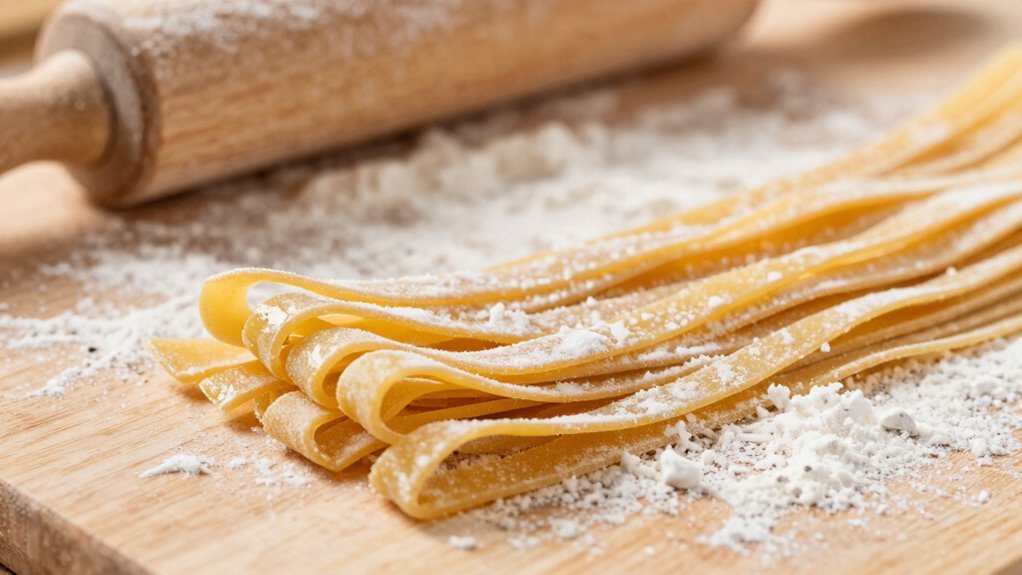
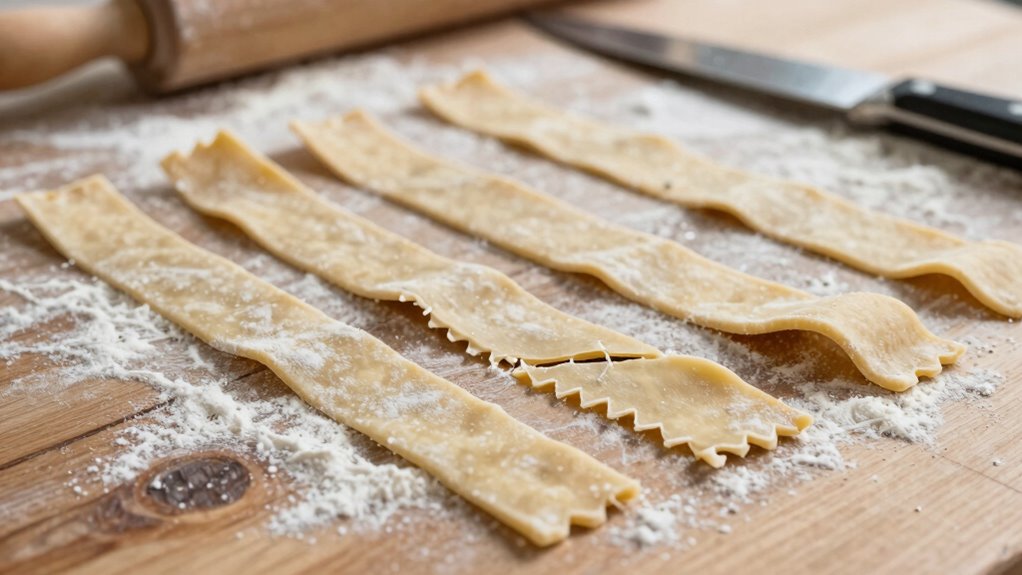
To prevent your pasta from sticking during rolling and cooking, you need to take specific steps to minimize adhesion. Proper flour dusting is essential; sprinkle just enough flour to coat the surface and prevent sticking without making the dough dry. Also, guarantee proper drying before cooking—let your pasta rest until it’s firm and slightly dry on the surface. This reduces moisture that causes sticking.
- Use a light dusting of flour on your work surface and dough
- Avoid overworking the dough to keep it less sticky
- Properly dry your pasta before boiling to prevent clumping
Best Techniques for Handling and Resting Your Pasta Dough
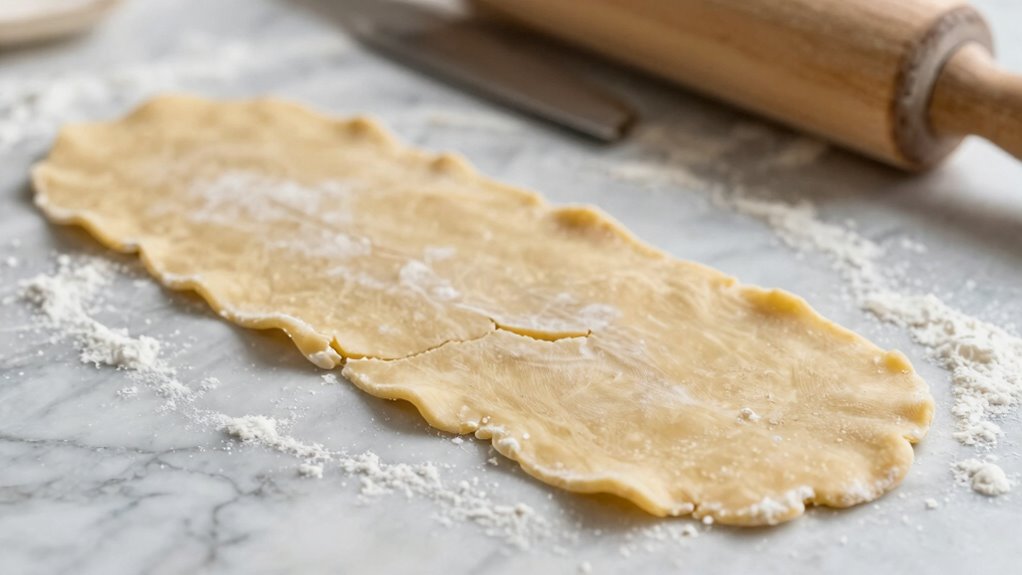
Handling and resting your pasta dough properly is essential for achieving the right texture and elasticity. Proper dough hydration ensures the ingredients combine smoothly, making the dough easier to work with. After mixing, let the dough rest for at least 30 minutes, wrapped in plastic, to allow gluten development. Resting relaxes the gluten strands, preventing the dough from shrinking and making it more pliable. During this time, gluten forms a strong, elastic network that helps your pasta hold its shape. When handling, dust lightly with flour to prevent sticking, but avoid over-flouring, which can dry out the dough. Use gentle pressure when kneading and rolling to encourage even gluten development. These techniques help produce a dough that’s easy to shape and yields perfectly textured homemade pasta. Additionally, understanding lease terms can be useful if you plan to rent or lease equipment for your pasta-making setup, ensuring you’re aware of any obligations or costs involved. Proper handling and resting are also supported by technological tools, which can assist you in achieving consistent results.
How to Fix Sticky Pasta : Quick Tips When Things Go Wrong
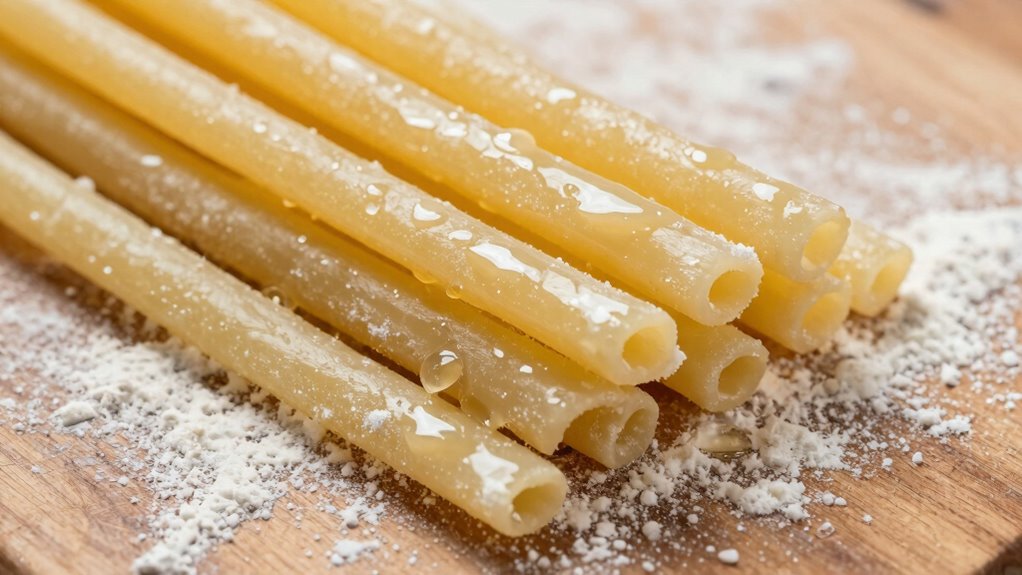
If your pasta turns out sticky and difficult to work with, don’t worry—there are quick fixes you can try. First, lightly dust the dough with more flour or flour alternatives like rice or chickpea flour to prevent sticking. If you’ve already cut the pasta, toss it gently in a little flour or cornstarch to keep it from clumping. Also, for pasta storage, keep it on a lightly floured surface or a well-floured baking sheet to avoid stickiness during handling. Remember, using the right flour alternatives can help reduce stickiness and improve texture. If the dough remains too sticky, refrigerate it for a few minutes to tighten up the consistency before working with it again. Additionally, understanding the importance of proper dough consistency can help you achieve a better texture and prevent sticking from the start. These quick tips will help you fix sticky pasta in no time.
Easy Tips to Keep Your Homemade Pasta Non-Sticky Every Time
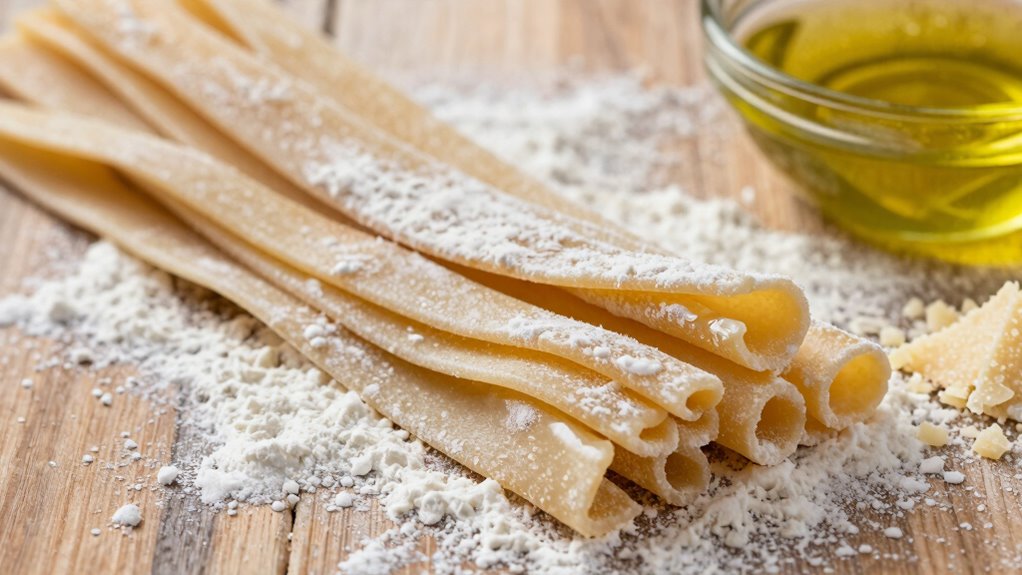
Keeping your homemade pasta non-sticky is simple when you follow a few key steps. First, dust your pasta with a light coating of flour or cornstarch before storing or cooking. Proper pasta storage is essential—spread it out on a floured surface or in a single layer in airtight containers to prevent sticking. If you’re using ingredient substitutions, like gluten-free flours, add a bit more flour or a binding agent to maintain a dry surface. Always toss your pasta gently during cooking to prevent clumping, and avoid overcrowding the pot. Once cooked, rinse your pasta briefly with cold water to stop sticking and toss it with a little oil if needed. Incorporating innovative European cloud servers into your kitchen technology can also optimize your cooking routines with smart timers and temperature controls. Additionally, paying attention to air quality considerations in your kitchen environment can help maintain optimal conditions for cooking and storage. Using appropriate food safety practices ensures your pasta remains fresh and safe to eat. Being aware of home security systems can also ensure your kitchen setup remains safe and monitored while you prepare your meals. These tips help keep your homemade pasta perfectly non-sticky every time.
Frequently Asked Questions
Can Adding Oil Prevent Homemade Pasta From Sticking?
Adding oil can help prevent homemade pasta from sticking, but it’s not always the best solution. Oil addition creates a thin barrier on the pasta’s surface, reducing sticking during boiling. However, too much oil can make the pasta greasy. To effectively stick prevention, focus on using plenty of salted water and stirring frequently. These methods ensure your pasta cooks evenly and stays separate without relying solely on oil.
Does the Type of Flour Affect Pasta Stickiness?
Yes, the flour type influences pasta stickiness. Using flour with higher gluten content, like semolina or bread flour, helps develop elasticity and reduces sticking. Low-gluten flours, such as cake or pastry flour, can make pasta more fragile and sticky. To prevent sticking, choose a flour with the right gluten level for your recipe, and guarantee you knead it well and dust your work surface with extra flour.
How Does Humidity Impact Homemade Pasta Sticking?
Humidity effects can turn your pasta into a sticky mess, like a sponge soaking up moisture. When humidity is high, your pasta absorbs excess moisture from the air, making it stickier and harder to handle. To fix this fast, dust your workspace with a little extra flour and let your pasta rest in a dry, cool area. Keeping humidity levels in check helps prevent your pasta from turning into a clingy disaster.
Is It Okay to Freeze Sticky Pasta?
Yes, you can freeze sticky pasta. Use proper freezing techniques by dusting the pasta with flour and placing it in an airtight container or freezer bag. Make sure to remove excess air to prevent freezer burn. When you’re ready to use it, thaw the pasta in the refrigerator or directly cook from frozen. Thawing tips include letting it sit overnight or running it under cold water to loosen any sticking.
What Are Common Mistakes That Cause Pasta to Stick?
You often cause pasta to stick when you don’t use enough flour or neglect to toss it with oil after cooking. Poor pasta quality or improper storage methods can also lead to sticking. To prevent this, guarantee you use the right amount of flour when making your pasta and store it properly, like keeping it dry and airtight. These steps help keep your pasta from sticking and maintain its perfect texture.
Conclusion
Think of your pasta as a delicate dance—when you understand its rhythm, it moves smoothly. By preventing sticking, you’re guiding it gracefully through each step, turning chaos into harmony. Remember, a little patience and knowledge are your partners in this culinary journey. When you master these techniques, you’re not just making pasta; you’re crafting a symbol of care and mastery that elevates every meal into a memorable performance.
Columbus Day / Indigenous Peoples' Day Picks
long weekend sales
As an affiliate, we earn on qualifying purchases.