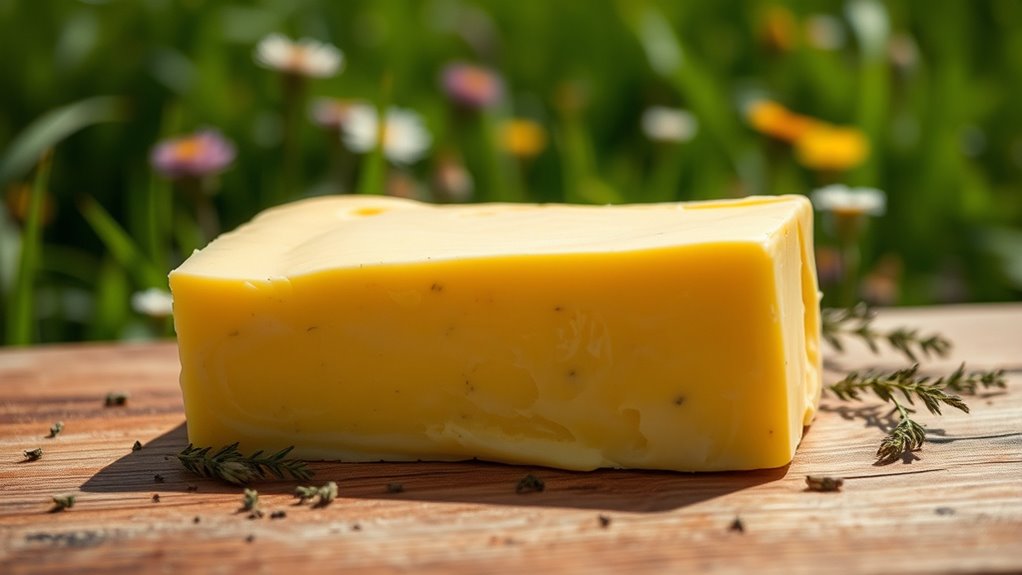

Yes, grass-fed butter changes its nutrition markedly. You’ll find that it has higher levels of omega-3 fatty acids and more conjugated linoleic acid (CLA), making it a richer source of essential nutrients. This nutrient density can enhance your overall health and support wellness. Plus, its distinctive flavor will elevate your meals. If you’re curious about the broader benefits of grass-fed butter, there’s plenty more to explore!
Key Takeaways
- Grass-fed butter contains higher omega-3 fatty acids compared to conventional butter, enhancing its nutritional profile.
- It is richer in conjugated linoleic acid (CLA), which is linked to various health benefits.
- The nutrient density of grass-fed butter supports overall health and wellness through improved nutrient intake.
- Its unique flavor from a grass-based diet makes it ideal for enhancing dishes in cooking and baking.
- Grass-fed butter supports sustainable farming practices, promoting a healthier food system and environment.
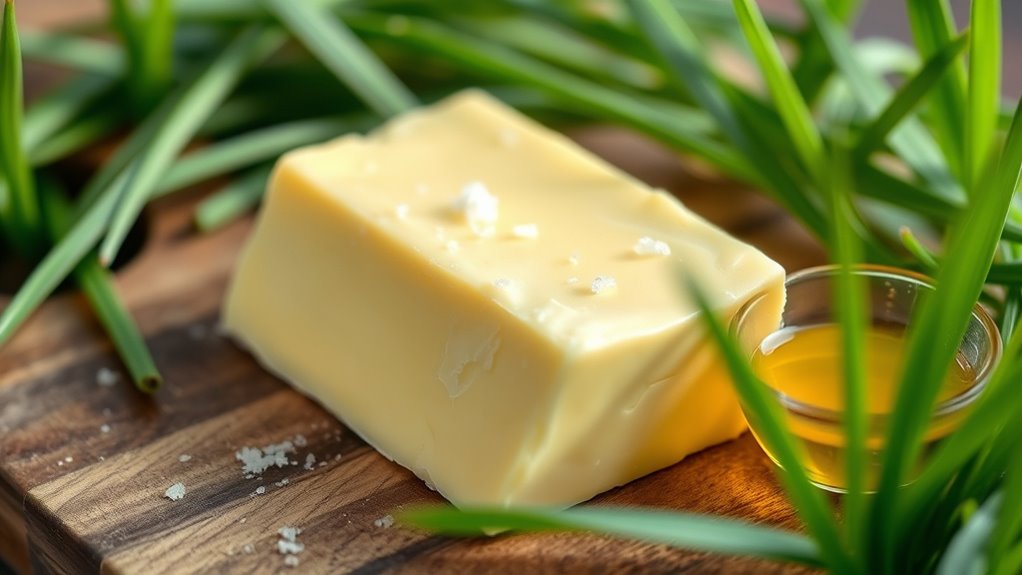
Grass-fed butter is often hailed as a nutritious alternative to conventional butter, and for good reason. It’s packed with essential nutrients that can enhance your health. One of the most significant changes in grass-fed butter compared to its conventional counterpart is its fatty acid profile. You’ll find higher levels of omega-3 fatty acids and conjugated linoleic acid (CLA), both of which are linked to numerous health benefits. By choosing grass-fed butter, you’re not only indulging in a richer source of nutrients but also making a choice that could positively impact your overall well-being.
Grass-fed butter is a nutrient-dense alternative, offering higher omega-3s and CLA for enhanced health benefits.
When it comes to flavor differences, grass-fed butter stands out. You’ll likely notice a creamier, more robust taste that many people find appealing. This richness comes from the cows’ diet, which consists primarily of grass instead of grain. The grass gives the butter a unique flavor that can elevate your cooking and baking. Whether you’re spreading it on toast or using it in your favorite recipes, grass-fed butter brings a depth of flavor that’s hard to replicate. You might even find that it enhances the taste of your dishes, making them more enjoyable.
Another key aspect of grass-fed butter is its sustainability benefits. By supporting farms that practice grass-fed methods, you’re contributing to a more sustainable food system. Grass-fed farming often emphasizes rotational grazing, which can improve soil health, reduce the need for chemical fertilizers, and promote biodiversity. When you choose grass-fed butter, you’re not just making a healthier choice for yourself; you’re also supporting agricultural practices that are kinder to the planet. This connection can make your dietary choices feel more purposeful and aligned with your values.
Moreover, the health benefits of grass-fed butter extend beyond its nutrient profile. Studies suggest that grass-fed dairy products may help reduce the risk of heart disease due to their favorable fatty acid composition. When you incorporate grass-fed butter into your diet, you may find that you’re making a choice that aligns with both your health goals and your ethical considerations. Additionally, grass-fed butter is often praised for its higher levels of essential nutrients that contribute to overall wellness.

1100W Electric Sesame Paste Machine, Multifunctional Peanut Butter Maker, Quiet Nut Butter Grinder, Easy to Clean, High Efficiency for Home & Business Use
【Safe & Durable】 Safe and durable design with built-in overheating protection and a thickened aviation aluminum casing. The...
As an affiliate, we earn on qualifying purchases.
Frequently Asked Questions
Is Grass-Fed Butter Suitable for People With Lactose Intolerance?
Grass-fed butter can be suitable for people with lactose intolerance, but it depends on your individual tolerance. Since it contains lower lactose levels than regular butter, some folks can digest it without issues. However, if you have dairy allergies, you should avoid it entirely. Always start with a small amount to see how your body reacts, as everyone’s lactose digestion varies. Consulting a healthcare professional is also a smart move for personalized advice.
How Does Grass-Fed Butter Compare to Regular Butter in Taste?
When you compare grass-fed butter to regular butter, you’ll notice distinct differences in flavor profile and texture. Grass-fed butter often has a richer, creamier taste with a slightly nuttier flavor, thanks to the cows’ diet. The texture is generally smoother and more spreadable, making it a delightful choice for spreading or baking. You’ll find that these subtle nuances can enhance your dishes, giving them an extra layer of deliciousness.
Can I Use Grass-Fed Butter in Baking Recipes?
Absolutely, you can use grass-fed butter in baking recipes! While some might prefer dairy alternatives for health reasons, grass-fed butter adds a rich flavor and creaminess that’s hard to beat. It works well in most baking substitutions, enhancing cookies, cakes, and pastries. Just remember, if you’re swapping out regular butter for grass-fed, the taste might be slightly different, but it’ll elevate your baked goods to a new level! Enjoy experimenting!
Are There Any Environmental Benefits to Choosing Grass-Fed Butter?
Yes, choosing grass-fed butter can offer environmental benefits. By opting for grass-fed dairy, you support sustainable agriculture practices that promote healthier soil and reduce carbon footprints. These farms often prioritize biodiversity preservation, fostering ecosystems that benefit local wildlife. Plus, animals raised on pasture contribute to nutrient cycling, enhancing land health. When you choose grass-fed butter, you’re not just enhancing your cooking; you’re making a positive impact on the environment too.
How Do I Store Grass-Fed Butter for Maximum Freshness?
To store grass-fed butter for maximum freshness, keep it in its original packaging or wrap it tightly in parchment paper. Make sure to refrigerate it, as this helps preserve its flavor and nutrients. For longer storage, consider freezing portions in an airtight container—just thaw it in the fridge when you need it. Remember, these storage tips will enhance freshness preservation and ensure you enjoy that rich, creamy taste for longer!

Commercial Peanut Butter Maker, Multifunctional Nut Butter Grinder 15kg/H, 1100W Copper Motor, Low Noise & Easy Clean, Perfect for Sesame Paste and Tahini
【Safe & Durable】 Safe and durable design with built-in overheating protection and a thickened aviation aluminum casing. The...
As an affiliate, we earn on qualifying purchases.
Conclusion
In conclusion, choosing grass-fed butter can be like opting for a vibrant painting over a monochrome sketch. Its nutrition profile is richer, offering higher levels of omega-3 fatty acids and vitamins A and K2 compared to conventional butter. By making this simple switch, you’re not just enhancing your meals but also nourishing your body with better quality fats. So next time you reach for butter, remember that grass-fed options can truly elevate your health and flavor.

Upgraded Commercial Electric Sesame Butter Machine Stainless Steel Sesame Mill Grinding 30kg/h Household Automatic Mill Grinding Machine for Tahini Butter, Almond Butter(One Color 100)
High-quality materials: The shell of the product is made of food-grade stainless steel, and the body is covered...
As an affiliate, we earn on qualifying purchases.

110v 15kg/H Sesame Peanut Butter Machine Tahini Machine Multifunction Commercial Home Soy Almond Nut Butter Making Machine XT-100
Fully ground, fragrant and delicious, suitable for a variety of places,The output is upgraded, and the grinding sauce...
As an affiliate, we earn on qualifying purchases.