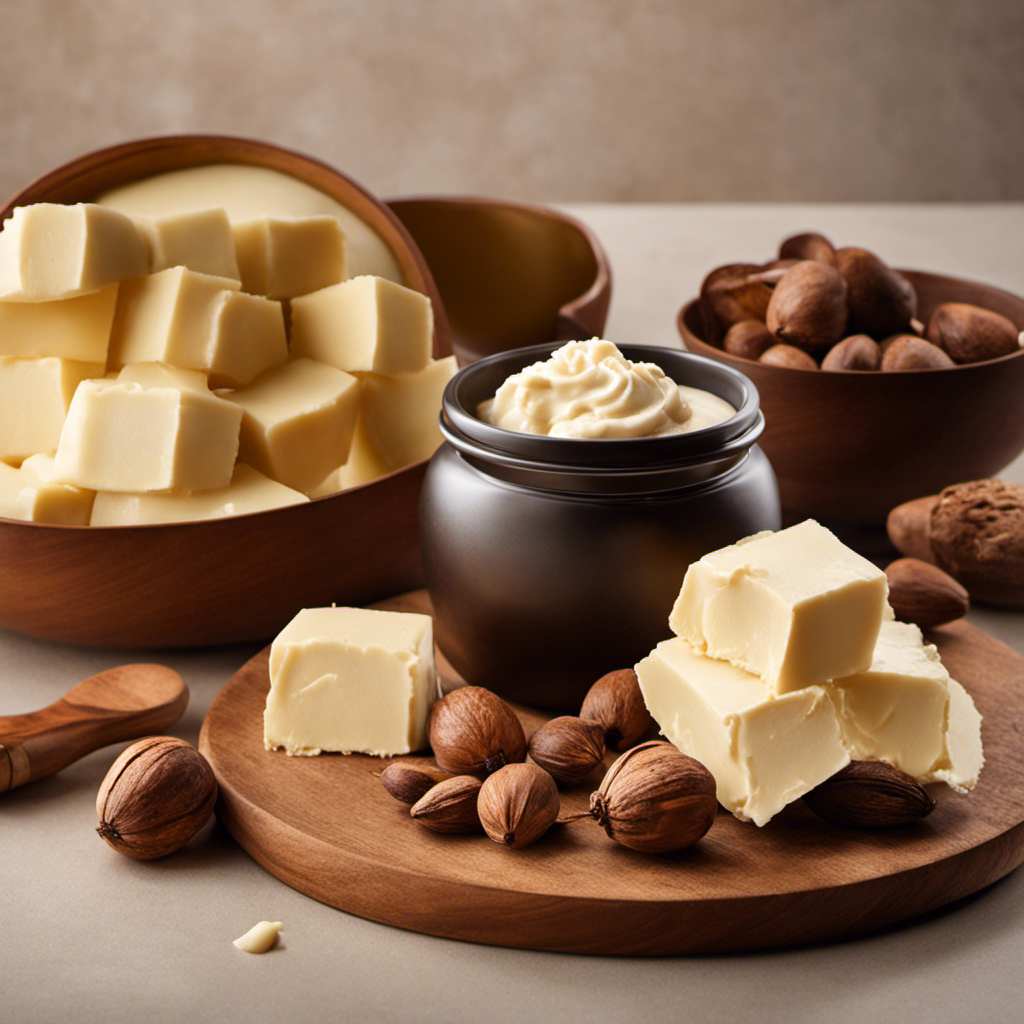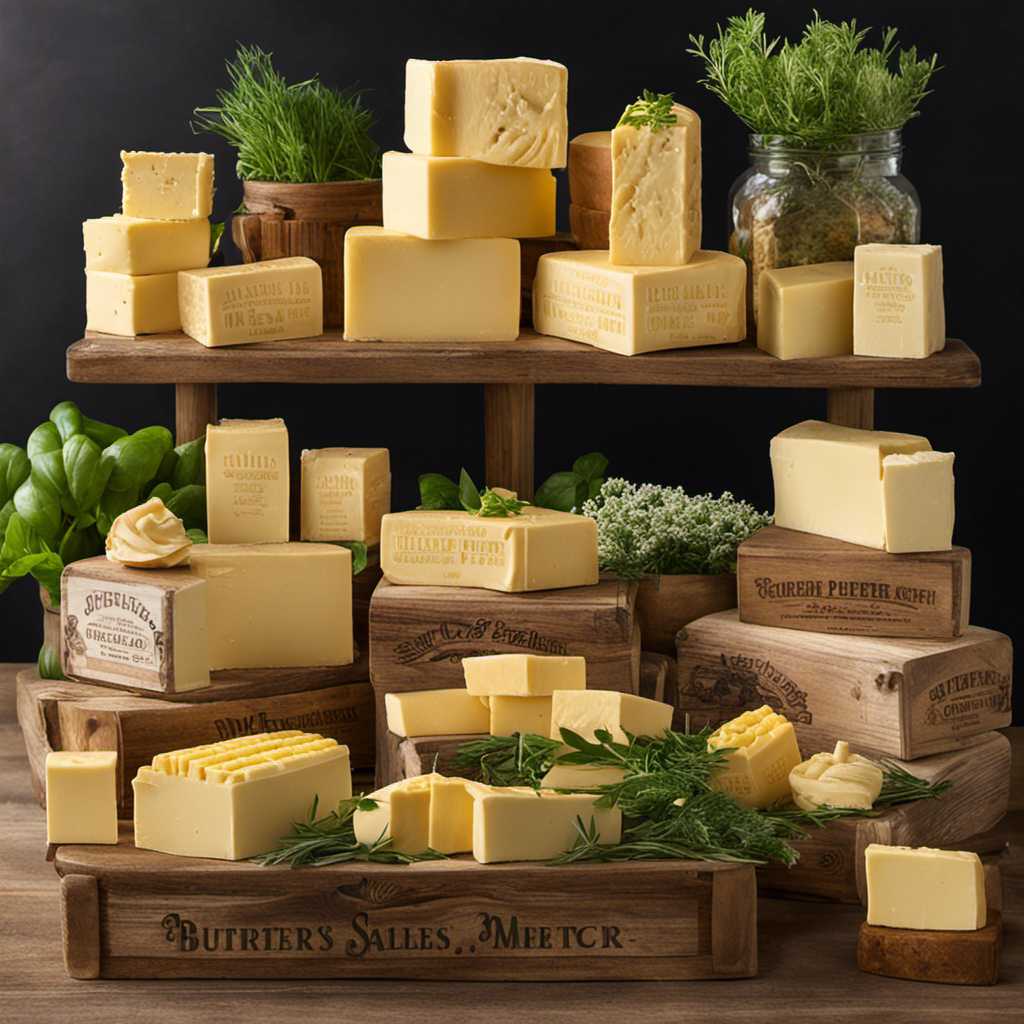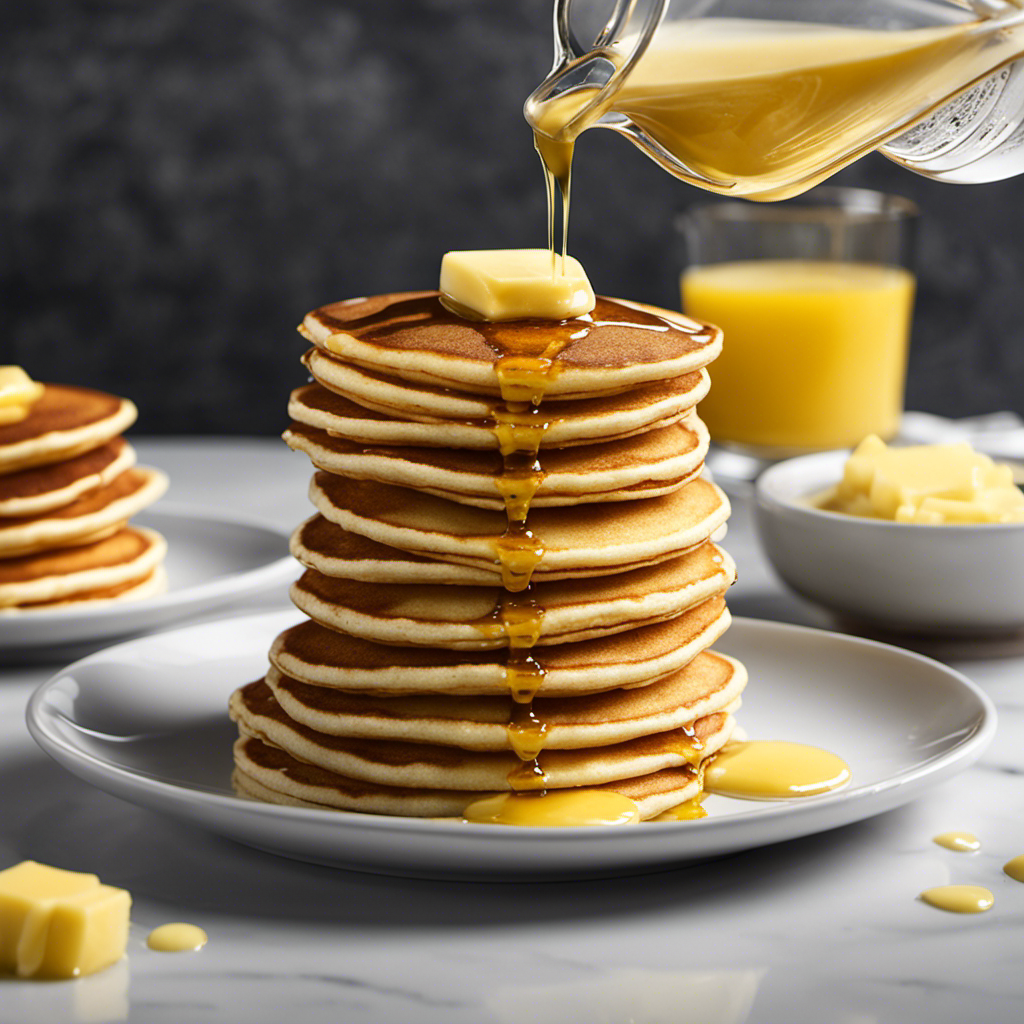

Butter can be a finishing touch, a baking essential, a cooking fat, or the main flavor in a remarkably simple dish. It gives pie crusts structure, helps vegetables brown, enriches sauces, and turns ordinary toast into something worth slowing down for. Yet choosing and using butter is not always straightforward. The dairy case now includes cultured, European-style, spreadable, lactose-free, salted, and unsalted options, while dietary needs may call for a substitute or a different kind of spread altogether.

Get kitchen staples and gadgets delivered free with Prime
- Fast, free delivery on millions of items
- Prime Video, Amazon Music and more included
- Member-only deals all year
This guide is an orientation to the world of butter and butter-adjacent foods. It explains the major varieties, how to select the right option for a recipe, what to consider when accommodating dietary needs, and how to make butter or nut butter at home. Use it as a starting point, then follow the linked guides for deeper comparisons and more focused recommendations.
Understanding the Main Types of Butter
Most butter is made by churning cream until its fat separates from the liquid buttermilk. Differences in the cream, culturing process, salt level, fat content, and production method influence the finished butter’s taste and behavior. Those distinctions matter most when butter plays a prominent role in a recipe.
Salted and Unsalted Butter
Unsalted butter gives cooks direct control over seasoning. That makes it a common choice for baking, delicate sauces, and recipes in which small changes in salt can affect the final balance. It is also easier to taste the butter itself without salt amplifying or masking its flavor.
Salted butter is convenient for toast, sandwiches, baked potatoes, and other table uses. It can also be used in cooking and baking, but the amount of salt varies among brands. When substituting salted butter in a recipe written for unsalted butter, consider reducing the separately added salt and adjusting to taste where possible.
Sweet Cream, Cultured, and European-Style Butter
Sweet cream butter is made from fresh cream and generally has a clean, mild profile. Cultured butter begins with cream that has been fermented before churning, creating a tangier and more complex flavor. That added character can stand out in pastries, pan sauces, mashed potatoes, or bread served with little more than butter.
European-style butter often has a somewhat different fat and moisture balance from standard American butter. That can influence richness, texture, and baking performance. French butter is especially associated with cultured flavors and regional traditions. If you want to explore this category, start with these French butter brands worth getting to know.
Spreadable Butter
Cold butter can tear soft bread, which is why spreadable products are popular for breakfast and quick meals. Some combine butter with oil, while others rely on processing or formulation choices that help them remain softer under refrigeration. Because ingredients differ, read the label if you want a particular balance of butter, oil, salt, and additional flavorings.
Spreadable butter works particularly well on toast, muffins, pancakes, waffles, and sandwiches. It is not automatically interchangeable with stick butter in baking, however, because a different fat or water content can change dough and batter. For table use, compare the best spreadable butter brands for morning toast and choose according to flavor, ingredients, and preferred texture.
As an affiliate, we earn on qualifying purchases.
Matching Butter to the Recipe
The “best” butter is often the one suited to the job. A flavorful cultured butter may be ideal on fresh bread, while a predictable unsalted butter can be more useful in a cake. Before choosing, ask whether the butter needs to provide flavor, structure, browning, moisture, or easy spreadability.
Baking
Butter performs several jobs in baking. Creaming it with sugar introduces air; rubbing or cutting it into flour limits gluten development; and layering it within dough helps create flakes. Temperature is therefore as important as brand or style.
- Use softened, not melted, butter when a recipe calls for creaming. It should yield to pressure while still holding its shape.
- Keep butter cold for pie crusts, biscuits, and laminated doughs when distinct pieces or layers are needed.
- Measure carefully. Replacing butter with a spread containing more water or oil may alter texture and rise.
- For browned butter, cook gently until the milk solids become golden and aromatic, then stop before they burn.
Salted butter can work in many baked goods, but unsalted butter makes the seasoning easier to control. In recipes where butter provides much of the flavor—such as shortbread or butter cookies—the differences between products will be more noticeable than they are in a heavily spiced cake.
Sautéing, Roasting, and Sauces
Butter contributes rich flavor and promotes browning, but its milk solids can darken quickly over higher heat. Moderate heat and close attention help prevent scorching. For hotter cooking, some cooks combine butter with another suitable cooking fat or add butter later for flavor. Clarified butter, from which water and milk solids have been removed, behaves differently and can be useful when a recipe calls for it specifically.
Butter also helps finish pan sauces. After building the sauce, small pieces of cool butter can be incorporated away from intense heat to add body and gloss. In pasta, grains, and vegetables, a modest amount added near the end often preserves more buttery aroma than fat added only at the beginning.
Serving at the Table
When butter is served plainly, flavor and texture take center stage. Let refrigerated butter soften briefly in a cool room, keeping food-safety conditions in mind, and serve only what is likely to be used. Cultured or specialty butter can be paired simply with bread, radishes, steamed vegetables, or baked potatoes. Compound butter—softened butter mixed with herbs, citrus zest, spices, or roasted garlic—offers an easy way to customize a meal.
Dietary Needs and Butter Alternatives
Food choices involving cholesterol, diabetes, lactose intolerance, or allergies are personal and sometimes medically significant. Labels and serving sizes provide useful information, but they do not replace advice from a qualified clinician or registered dietitian who understands an individual’s health history.
Considering Cholesterol and Saturated Fat
People managing cholesterol may need to consider their overall eating pattern, not merely swap one isolated ingredient. Frequency, portion size, the types of fats used across the day, and the rest of the meal all matter. A replacement should also fit its intended purpose: a spread for toast does not need the same properties as a fat used to laminate pastry.
For an overview of alternatives, see these butter substitutes for people managing high cholesterol. If you would rather compare products still sold as butter, the guide to butters to consider when watching cholesterol offers a more focused starting point. Use those comparisons alongside professional dietary guidance rather than treating any single product as a health solution.
Lactose-Free Choices
Lactose intolerance and milk allergy are not the same. Someone avoiding lactose may tolerate products that would still be inappropriate for a person with a milk-protein allergy. “Dairy-free,” “lactose-free,” and “plant-based” therefore should not be treated as interchangeable terms.
Check ingredient lists, allergen statements, and manufacturing information according to your needs. Unsalted options are especially useful when baking or controlling seasoning. This roundup of lactose-free unsalted butter options can help narrow the field, but packaging should always be checked because formulations may change.
Peanut Butter and Blood Sugar Considerations
Peanut butter is not dairy butter, but it occupies a similar role as a rich spread and recipe ingredient. Products can differ in added sugar, sodium, oils, texture, and serving size. People managing diabetes may want to review the complete nutrition label and consider how peanut butter fits with the carbohydrates and portions in the entire meal or snack.
The guide to peanut butters for people managing diabetes provides a targeted comparison. Individual glucose responses and dietary goals vary, so product selection should be personalized with appropriate medical guidance.
Making Butter at Home
Homemade butter offers a direct look at how cream becomes butter and buttermilk. The basic process is uncomplicated: cream is agitated beyond the whipped-cream stage until butterfat gathers into solids and separates from liquid. The butter is then drained, rinsed with cold water, and worked to remove remaining moisture. Salt can be mixed in afterward if desired.
A jar or mixer can handle occasional small batches, but a churn can make repeated batches more convenient. Anyone interested in choosing dedicated equipment can explore these electric countertop butter churns for homemade butter.
A Practical Homemade-Butter Workflow
- Begin with fresh cream and thoroughly clean equipment.
- Churn until the butter solids clearly separate from the liquid.
- Drain and reserve the buttermilk if you plan to use it in an appropriate recipe.
- Rinse the butter in very cold water, pressing or folding it as the water turns cloudy.
- Continue until the rinse water is clear, then work out excess moisture.
- Add salt or flavorings, shape the butter, refrigerate it promptly, and use clean utensils when serving.
Homemade butter may retain more moisture than a consistent commercial baking butter, so results can vary in precision recipes. It shines when served fresh, flavored as a compound butter, or used in cooking where slight variation is less consequential.
Making Peanut Butter and Other Nut Spreads
Nut-butter making is a different process from dairy-butter churning. Instead of separating fat from cream, a machine grinds nuts until their oils release and the mixture becomes a paste. The final texture depends on the nuts, roast level, processing time, machine design, and any added ingredients.
A powerful food processor may be sufficient for occasional batches, while a dedicated machine can appeal to people who make nut butter frequently. Compare capacity, cleaning requirements, permitted ingredients, and manufacturer instructions before choosing. The roundup of peanut butter makers for homemade spreads is a useful place to begin.
Homemade peanut butter can be left plain or seasoned to taste, but it lacks the standardized formulation and shelf stability of many packaged products. Prepare manageable amounts, store them properly, watch for signs of spoilage, and account for every added ingredient when allergies or dietary targets are important.
Buying, Storing, and Using Butter Wisely
Start at the label. Look at whether the product is salted, cultured, lactose-free, blended with oil, or intended mainly as a spread. Choose stick butter for recipes that depend on conventional butter proportions unless the recipe specifies another format. For table butter, taste and spreadability may matter more than baking consistency.
Butter readily absorbs odors, so keep it well wrapped and away from strongly scented foods. Refrigeration is the standard choice for routine storage; freezing can extend storage for unopened or tightly wrapped butter when done according to package guidance. Keep specialty and homemade products labeled so household members know what they contain and when they were prepared.
Most importantly, let the recipe determine the purchase. Keep a versatile unsalted butter for baking and cooking, then add a salted, cultured, spreadable, lactose-free, or plant-based option when it serves a clear purpose. With that small framework, the crowded butter aisle becomes far easier to navigate—and every deeper choice, from French butter to a home churn, begins with knowing exactly how you plan to use it.
Fall Picks
fall essentials
As an affiliate, we earn on qualifying purchases.