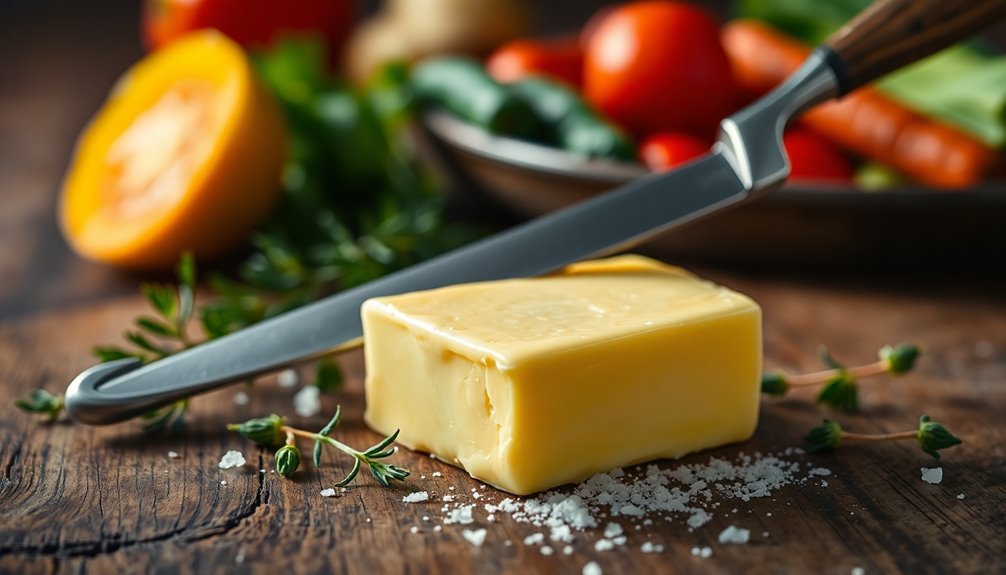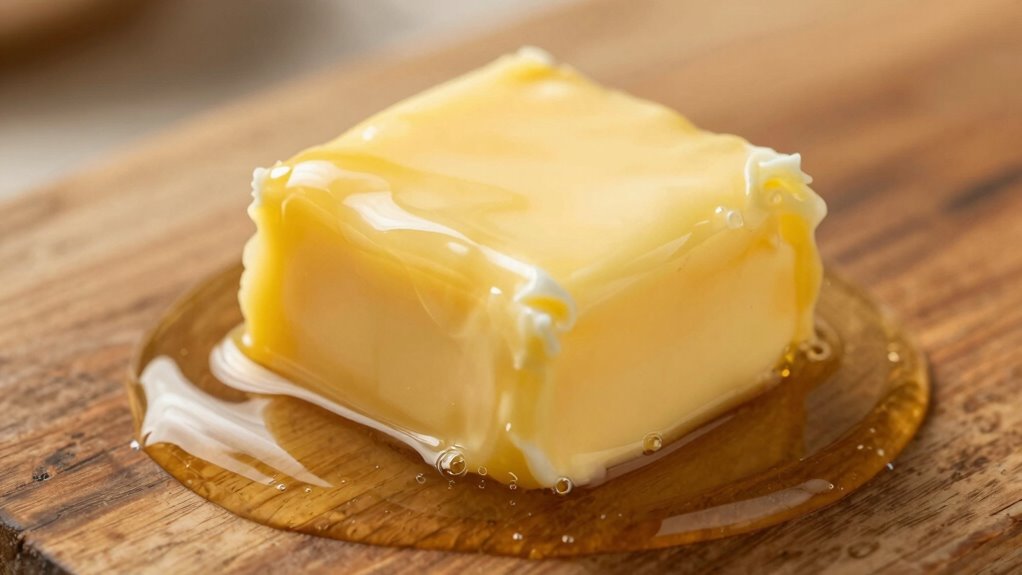

Clarified butter, or ghee, doesn’t change the overall nutrition profile much but makes the fats more concentrated by removing water and milk solids. This means it’s higher in fat-soluble vitamins like A, E, and K, and provides more calories per serving. However, its saturated fat content remains high, so moderation is key. If you want to understand how these changes impact your diet and health, there’s more to explore.

Get kitchen staples and gadgets delivered free with Prime
- Fast, free delivery on millions of items
- Prime Video, Amazon Music and more included
- Member-only deals all year
Key Takeaways
- Clarification removes water and milk solids, concentrating fats and fat-soluble vitamins without drastically altering overall nutrient content.
- The process preserves essential vitamins like A, E, and K, maintaining nutrient density.
- Nutritional changes are minimal; the main difference is increased fat concentration per serving.
- Ghee’s high saturated fat content remains unchanged, so health impacts are similar to butter.
- Clarified butter offers a more stable, concentrated source of nutrients with slight modifications to the original profile.
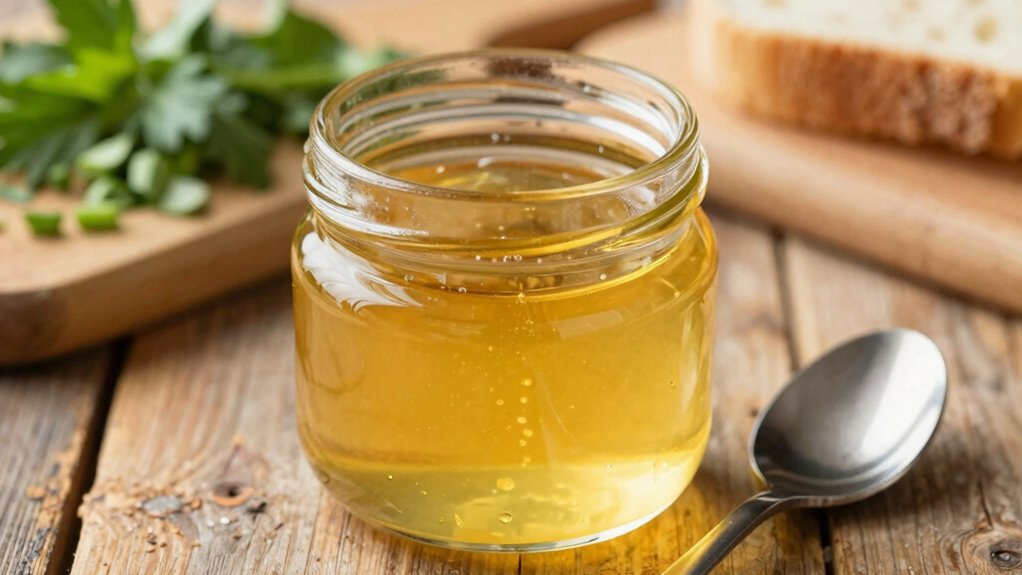
Clarified butter, also known as ghee, is a popular ingredient prized for its rich flavor and long shelf life. When you start cooking with it, you’ll notice that it behaves differently compared to regular butter. Its high smoke point makes it ideal for various cooking techniques, like sautéing, frying, and roasting. Because the milk solids are removed during preparation, it offers a cleaner, more intense butter flavor without burning as quickly. This can influence the way you prepare meals, allowing you to use higher heat without compromising taste or safety.
Ghee’s high smoke point allows for safer, higher-heat cooking with intense, clean butter flavor.
From a dietary perspective, clarified butter offers some notable differences from traditional butter. Since most of the lactose and casein are removed during the clarification process, it becomes more suitable for those with lactose intolerance or dairy sensitivities. This means you can incorporate it into your diet without as much concern about digestive discomfort or allergic reactions. Additionally, the process of removing water and milk solids results in a product with a higher fat concentration, which can influence your overall calorie intake. However, it’s important to remember that ghee is still high in saturated fats, so moderation remains essential if you’re watching your fat intake for health reasons.
When considering whether clarified butter changes the nutrition profile much, you should look at the core components. During clarification, the water content and milk solids are eliminated, leaving behind mainly fats. This process slightly increases the fat density per serving. So, while the total fat content remains similar, the concentrated fats mean you’re getting a more calorie-dense ingredient. Some vitamins, like A, E, and K, are retained in ghee, which can contribute to your daily nutrient intake, but the levels are generally comparable to those in butter. Additionally, nutrient retention during the clarification process ensures that essential fat-soluble vitamins remain present in the final product. This concentration of nutrients can make it a more potent source of certain vitamins, depending on the quality of the original butter used. Furthermore, the processing method used in clarification helps preserve these vitamins, making ghee a nutrient-dense option.
If your focus is on health and nutrition, you’ll find that clarified butter doesn’t drastically alter the nutrient profile; instead, it refines it. It provides a more concentrated source of fats and fat-soluble vitamins, which can be beneficial or problematic depending on your dietary goals. For instance, if you’re on a low-fat or heart-healthy diet, you’ll want to consume ghee sparingly. Conversely, if you’re following a ketogenic or high-fat diet, it can be a valuable source of energy.
ghee clarified butter high smoke point
As an affiliate, we earn on qualifying purchases.
As an affiliate, we earn on qualifying purchases.
Frequently Asked Questions
Does Clarified Butter Contain Any Added Preservatives?
Clarified butter typically contains no added preservatives because it’s preservative-free and made from natural ingredients. During the clarification process, milk solids are removed, leaving pure butterfat that naturally resists spoilage. This means you usually get a product free of artificial preservatives, making it a healthier choice. Just make certain you buy from reputable sources to confirm it’s free from any added chemicals or preservatives.
Is Clarified Butter Suitable for a Low-Fat Diet?
Clarified butter isn’t ideal for a low-fat diet because it’s high in fat content, mainly saturated fats. If you’re seeking low-fat alternatives, consider options like olive oil or other plant-based oils. It’s important to take into account your dietary restrictions, especially if you’re managing heart health or weight. Clarified butter can be flavorful, but for low-fat needs, sticking to lower-fat options will better support your nutrition goals.
How Long Does Clarified Butter Last Without Refrigeration?
Clarified butter can last several weeks without refrigeration if stored properly. Its shelf life depends on storage tips like keeping it in an airtight container and away from light and heat. Usually, it stays good for 1 to 3 months at room temperature. For longer storage, refrigerate it to extend freshness. Always check for signs of spoilage, like off smells or mold, before using clarified butter that’s been stored for a while.
Can Clarified Butter Be Used in Baking Recipes?
Yes, you can definitely use clarified butter in baking recipes. In fact, it’s a popular baking substitution because it adds a rich, nutty flavor that enhances the overall taste. Did you know that clarified butter has a higher smoke point, making it perfect for baking at higher temperatures? This means you can enjoy better flavor and texture in your baked goods while benefiting from its unique qualities.
Is Clarified Butter Safe for People With Dairy Allergies?
If you have dairy allergy concerns, clarified butter is generally safe because it contains minimal lactose and casein. However, if you’re sensitive to dairy proteins, it might still trigger a reaction. For lactose intolerance considerations, clarified butter is usually well-tolerated due to its low lactose content. Always check labels or consult your healthcare provider to verify it suits your dietary needs and doesn’t cause adverse reactions.
Conclusion
While clarifying butter removes some components like water and milk solids, it doesn’t drastically change its core nutrition profile—mainly fats and calories. So, if you’re worried about losing nutrients, rest assured, you’re mainly just refining the butter’s purity. Remember, moderation is key; even pure fats can impact your health if consumed excessively. Embrace clarified butter as a flavorful, concentrated fat source, but keep your overall diet balanced for the best results.
Halloween Picks
halloween
As an affiliate, we earn on qualifying purchases.