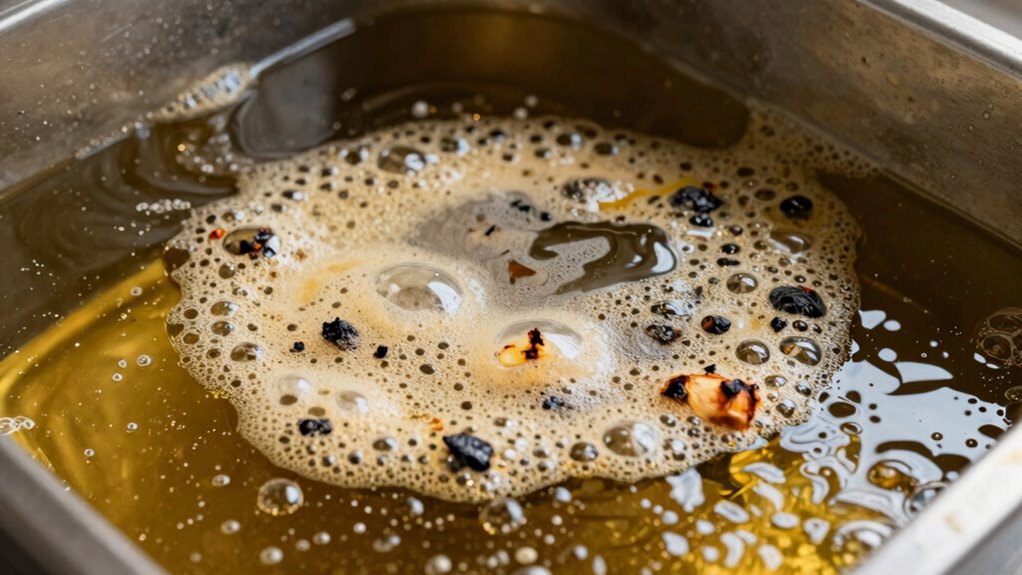

Dark foam in your fryer oil signals that the oil is breaking down and needs replacement. It’s caused by contaminants like food particles, moisture, and oxidation, which destabilize the oil and create foam during frying. If you notice persistent dark foam along with a burnt smell or murky appearance, it’s time to change the oil to maintain food quality and safety. Keep going to learn how to spot other signs and best disposal practices.
Key Takeaways
- Dark foam during frying indicates oil contamination and oxidation, signaling the need for replacement.
- Signs like murky appearance, burnt smell, and excessive bubbling also show oil degradation.
- Regular monitoring of foam, color, and smell helps determine when to change the oil.
- Proper filtration and maintenance extend oil life and prevent dark foam buildup.
- Responsible disposal or recycling of used oil ensures environmental safety and sustainability.
What Is Dark Foam in Fryer Oil and Why Does It Form?
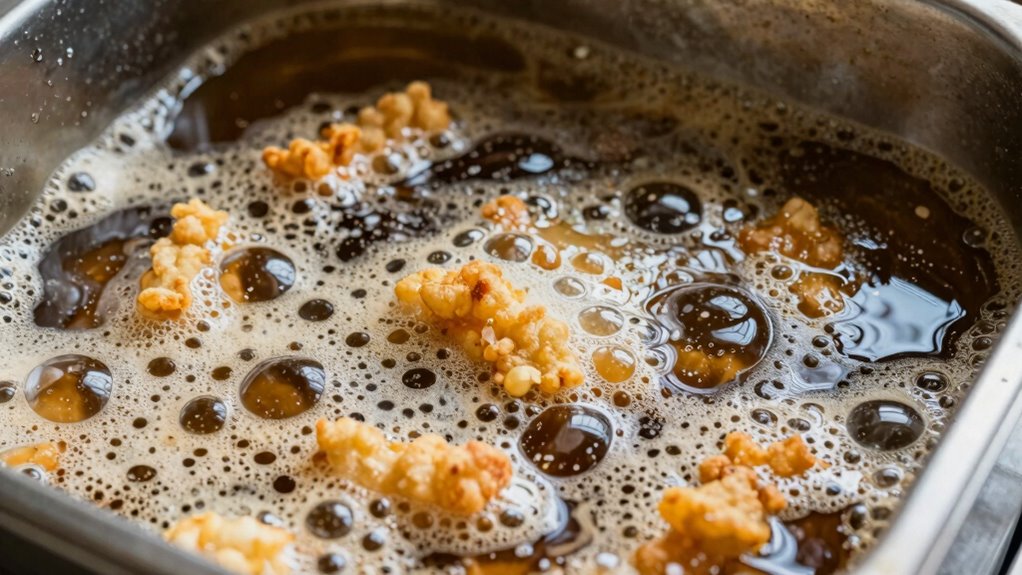
Dark foam in fryer oil often appears during the frying process, signaling that something is changing inside the oil. This foam is typically caused by impurities, food particles, and moisture that accumulate over time. When these contaminants aren’t removed through proper oil filtration, they destabilize the oil’s surface, creating foam. Regular fryer maintenance, including consistent oil filtration, is essential to prevent the buildup of these unwanted substances. As the oil degrades, the foam darkens and becomes more persistent, indicating declining oil quality. Recognizing dark foam as a sign of oil breakdown helps you take timely action, ensuring the fryer operates efficiently and your food stays safe and tasty. Proper oil filtration is your first line of defense against dark foam formation. Additionally, using appropriate filtration equipment can significantly extend the life of your frying oil by removing debris before it causes problems. Being aware of thermal behavior and how it influences oil stability can further help you prevent premature oil breakdown and foam formation. Understanding oil aging processes can also provide insight into when it’s time to replace your oil to maintain optimal frying conditions. Monitoring the chemical changes within the oil can help identify early signs of degradation, preventing foam buildup and ensuring consistent food quality. Regularly checking for smoke point decline can also serve as an indicator that the oil is nearing the end of its useful life.
How Dark Foam Signals Oil Breakdown and Loss of Quality
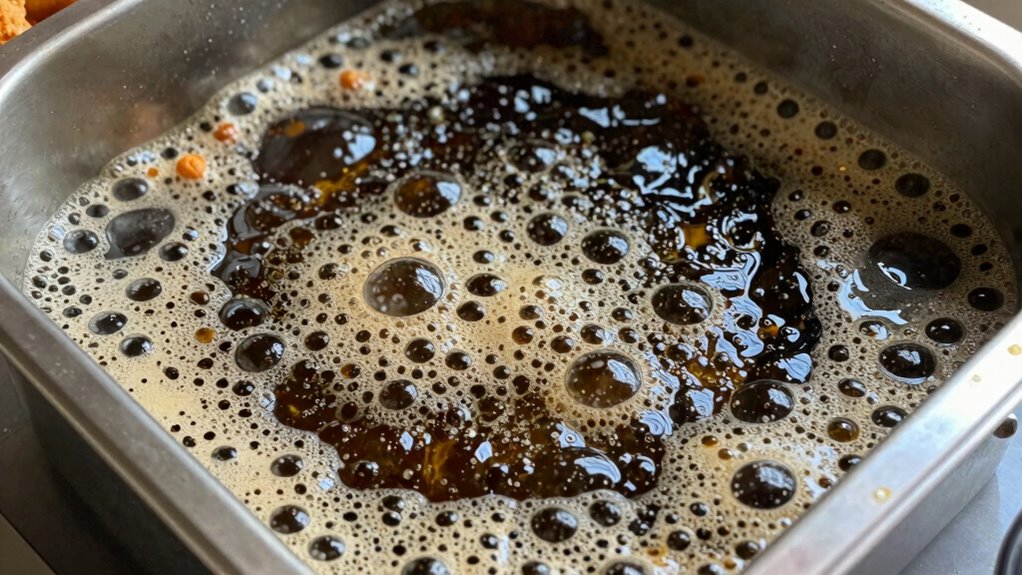
When you notice dark foam forming on the surface of your fryer oil, it’s a clear sign that the oil is breaking down and losing its quality. This foam results from oil oxidation, which produces unstable compounds that cause foam formation. As the oil deteriorates, its ability to fry food properly diminishes, leading to poorer texture and flavor. Recognizing these signs helps you decide when to replace your oil, maintaining safe and tasty frying. Additionally, proper oil maintenance can extend the lifespan of your fryer oil and ensure optimal cooking results. Monitoring color accuracy during oil use can also help detect early signs of degradation, allowing for timely intervention. Regularly inspecting the oil’s appearance and consistency is essential for quality control, ensuring your fried foods remain crispy and flavorful. Being aware of the smoke point can also help prevent premature oil breakdown and maintain frying efficiency. Moreover, understanding the oxidation process can help you better manage oil quality over time.
Other Signs That Your Fryer Oil Needs Changing
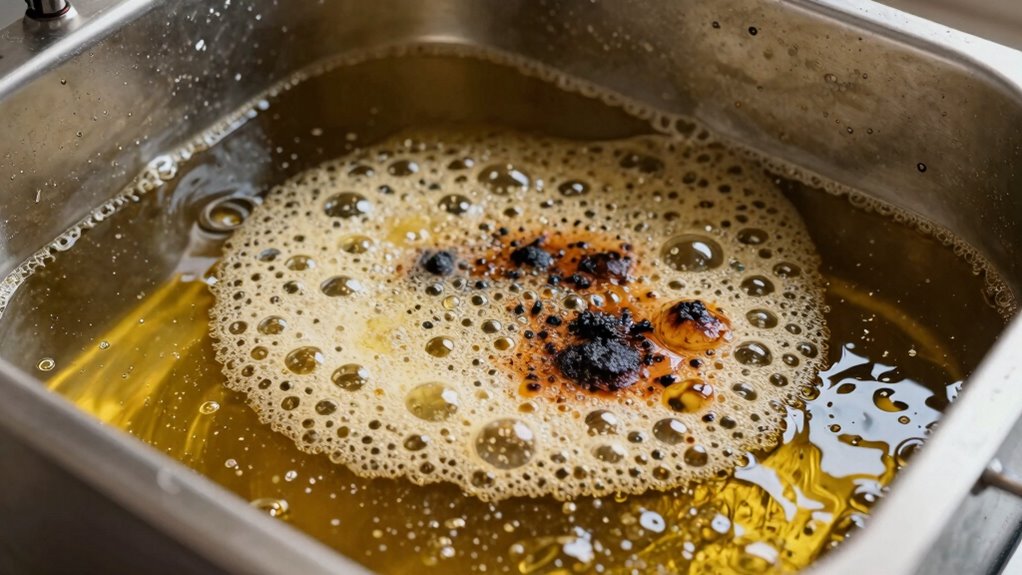
Aside from dark foam, several other signs indicate it’s time to change your fryer oil. If you notice smoke or a strong burnt smell during frying, your oil has likely degraded and needs replacing. Poor oil filtering can also cause cloudiness or debris buildup, which affects food quality and safety. Regularly checking your oil filtration system helps prevent these issues and maintain optimal oil quality. Temperature control issues, such as the oil not maintaining consistent heat or overheating quickly, are warning signs of oil breakdown. When the oil’s viscosity changes, or it becomes sticky or tacky, it’s a clear indication that it’s past its prime. Regularly checking these signs helps prevent fried foods from tasting off and ensures your fryer operates efficiently. Being aware of oil quality indicators can also help you determine the right time to change the oil before it impacts your cooking. Monitoring oil temperature stability is essential to avoid overheating and prolong oil life. Incorporating proper oil maintenance routines, such as filtering and monitoring temperature, can extend the life of your fryer oil and improve overall food quality.
How to Check if Your Fryer Oil Has Gone Bad
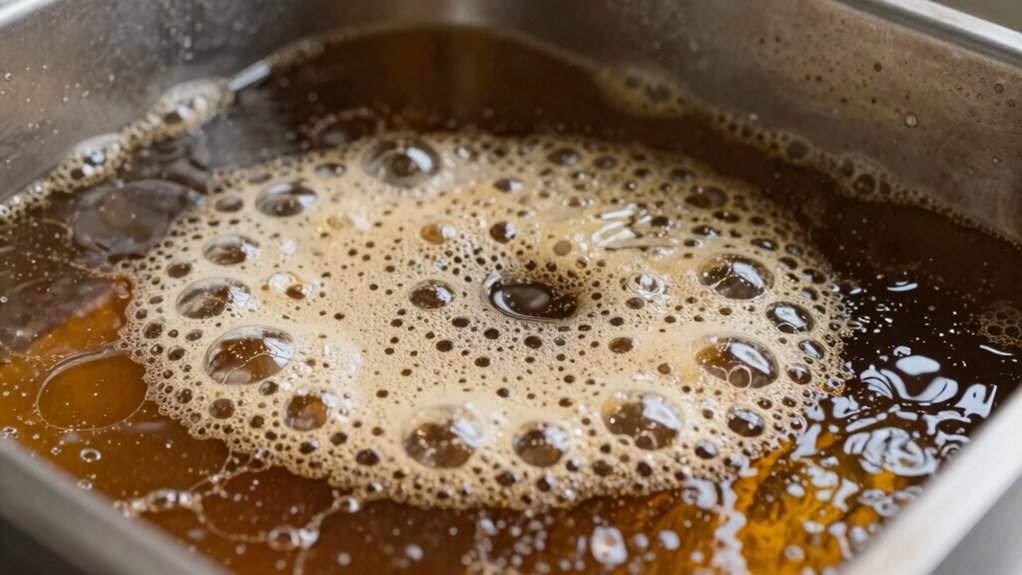
Wondering if your fryer oil is still good? You can tell by checking a few key signs. First, observe the color—dark, murky oil indicates it’s past its prime. Second, smell the oil; a rancid odor means it’s time to replace. Third, look for foam or excessive bubbling, which signals breakdown. Fourth, test the oil’s temperature control; if it doesn’t reach proper frying temps or fluctuates, the oil may be degraded. Regular oil filtration can help extend its life, but these signs are clear indicators of spoilage. Always monitor these aspects to ensure your oil remains safe and effective for frying. Additionally, understanding oil breakdown signs can help you better assess when to change your fryer oil. Implementing proper oil maintenance practices can further prolong oil usability and ensure optimal frying results. Being aware of the dark foam warning sign can alert you early to oil degradation, preventing potential health risks. Recognizing oil quality indicators is essential for maintaining safe cooking conditions. Proper quality control during the frying process can help detect issues before they affect taste and safety. If in doubt, it’s better to be cautious and replace the oil to maintain quality and safety.
Tips to Prevent Dark Foam and Extend Your Oil’s Life
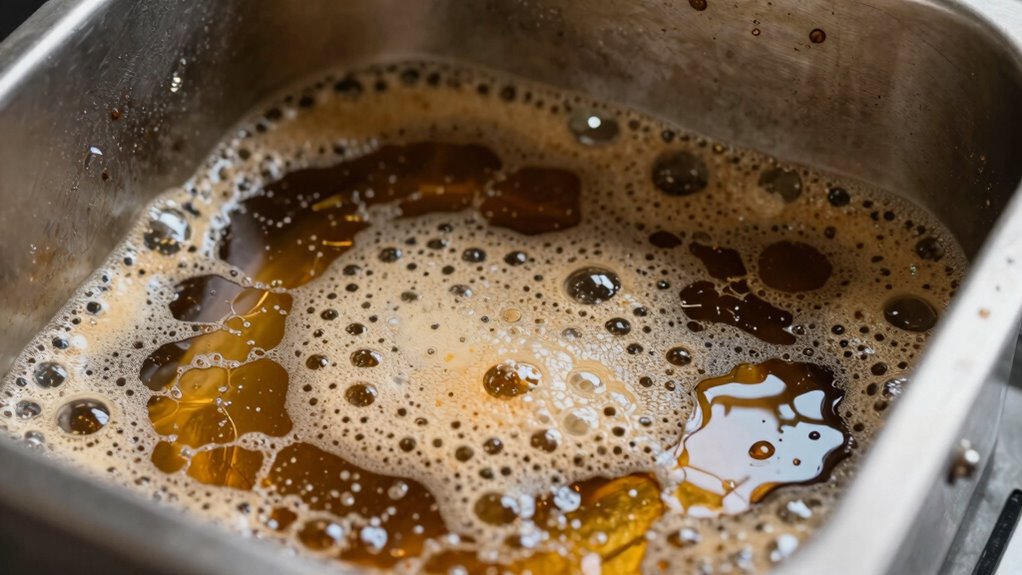
To prevent dark foam and extend your oil’s lifespan, it’s vital to maintain proper frying practices. Regular oil filtration removes food debris and impurities that can cause foam and accelerate breakdown. Implementing a consistent filtration schedule keeps the oil cleaner and healthier for longer. Additionally, controlling the frying temperature is essential; keep it steady and within the recommended range to avoid overheating, which can produce foam and degrade the oil faster. Overcrowding the fryer can also lead to temperature fluctuations and uneven cooking, which promotes foam formation. By combining proper oil filtration with vigilant temperature control, you minimize the chances of dark foam developing. Proper oil maintenance and monitoring can significantly impact the lifespan of your frying oil. Recognizing the signs of oil deterioration, such as dark foam, allows for timely replacement and safer frying. Maintaining proper frying techniques and understanding the oil’s lifespan are crucial for safe and effective cooking. These steps help preserve your oil’s quality, prolong its usability, and guarantee safer, more effective frying.
Safe Ways to Dispose of Old Fryer Oil and Replace It
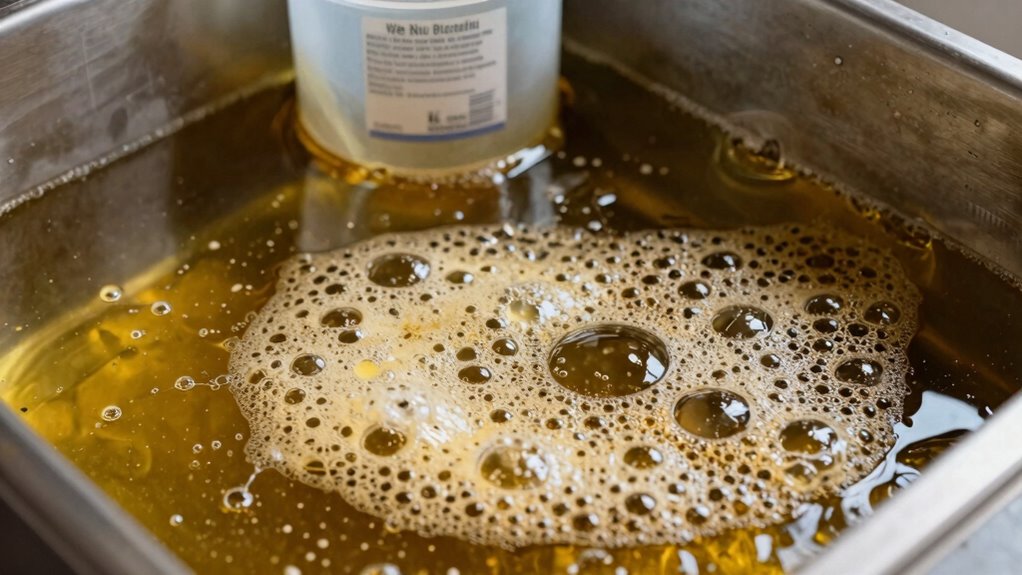
Proper disposal of old fryer oil is essential for safety and environmental responsibility. To do this right, start by filtering the oil through a fine mesh or oil filtration system to remove food particles. Once filtered, consider these safe disposal methods:
Filtering fryer oil before disposal ensures safety and environmental responsibility.
- Pour it into a sealed container and take it to a recycling center that accepts cooking oil.
- Use it for biodiesel production if available locally.
- Compost small quantities if it’s vegetable oil and your local regulations permit.
- Avoid pouring oil down drains or onto the ground, which can clog pipes and harm ecosystems.
Implementing energy-efficient practices, like filtering and recycling, can also help reduce waste and promote sustainable use of resources. Regular fryer maintenance, including proper oil filtration, helps extend oil life and keeps your fryer operating safely. Additionally, monitoring for the ‘Dark Foam’ warning sign can indicate when the oil has degraded and needs replacement. Always dispose of used oil responsibly to protect the environment and prevent costly repairs.
Frequently Asked Questions
Can Dark Foam in Oil Affect the Taste of Fried Foods?
Dark foam in oil can definitely affect the taste of your fried foods. It indicates reduced oil stability, which can lead to flavor alteration and a greasy, off-putting taste. When you see dark foam, it’s a sign your oil isn’t at its best, and continuing to fry with it may result in foods that taste stale or burnt. To maintain the best flavor, replace the oil when dark foam appears.
How Often Should I Check My Fryer Oil for Dark Foam?
You should check your fryer oil for dark foam daily during fryer maintenance. This coincidence highlights the importance of regular oil filtration, which helps prevent foam buildup. Frequent inspections catch early signs of oil degradation, ensuring your fried foods stay tasty and your equipment stays in top shape. Don’t wait for the foam to become obvious—make checking part of your routine to maintain oil quality and extend its lifespan.
Is Dark Foam Harmful if Ingested Accidentally?
Dark foam in fryer oil isn’t typically harmful if accidentally ingested, but it can pose health concerns over time due to possible toxins or degraded oil. To stay safe, avoid consuming food cooked in dark foam areas and follow safety precautions like regular oil checks and proper disposal. If you experience any discomfort, consult a healthcare professional. Prioritizing safety helps prevent potential health risks associated with degraded or unsafe oil.
Does Using Fresh Oil Prevent Dark Foam Formation?
Using fresh oil definitely helps prevent dark foam formation in your deep fryer. When the oil is fresh and of good quality, it’s less likely to produce foam during frying. Make sure to monitor oil freshness regularly, as old or degraded oil increases the risk of foam, which can affect food quality and safety. Proper foam prevention guarantees a cleaner, safer frying process and better-tasting results.
Are There Specific Oils More Prone to Dark Foam?
Surprisingly, some oils are more prone to dark foam, especially those with lower smoke points like unrefined oils. You’d think higher smoke points would cause more trouble, but nope! Oils prone to oxidation break down faster, producing dark foam. So, choose oils with higher smoke points and stability, like refined vegetable or peanut oil, to minimize dark foam and extend your frying adventures. Keep an eye on oxidation; it’s the real culprit.
Conclusion
When dark foam appears, it’s like your fryer’s way of whispering that it’s time for a fresh start. Think of it as clearing away the stormy clouds to let the sunshine shine through again. Regular checks and proper maintenance help keep your oil vibrant and your frying adventures worry-free. Embrace these simple steps, and your oil will continue to dance gracefully, turning out golden delights while you enjoy peace of mind.