
Choosing between cold pressing and heat-assisted pressing affects your product’s flavor, nutrients, and overall quality. Cold pressing uses minimal heat, preserving natural flavors and bioactive compounds, making it ideal for health-conscious products. Heat-assisted pressing speeds up extraction but can degrade nutrients and create a more neutral flavor. Understanding these differences helps you make better choices based on your priorities. If you want to learn more about how these methods impact your products, keep exploring the details ahead.

Get kitchen staples and gadgets delivered free with Prime
- Fast, free delivery on millions of items
- Prime Video, Amazon Music and more included
- Member-only deals all year
Key Takeaways
- Cold pressing preserves natural flavors, nutrients, and bioactive compounds by minimizing heat exposure.
- Heat-assisted pressing increases yield and efficiency but can degrade delicate nutrients and alter flavor.
- Maintaining lower temperatures during cold pressing is crucial to retain antioxidant levels and health benefits.
- The choice impacts product quality: cold pressing offers richer taste, while heat-assisted suits large-scale production.
- Understanding these differences helps consumers and producers prioritize flavor, nutrition, and processing efficiency.
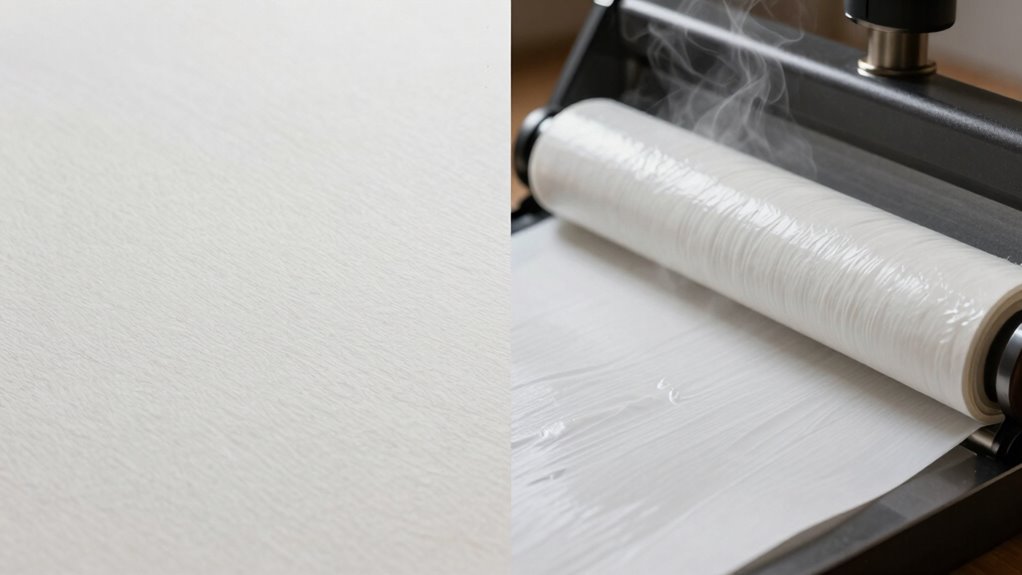
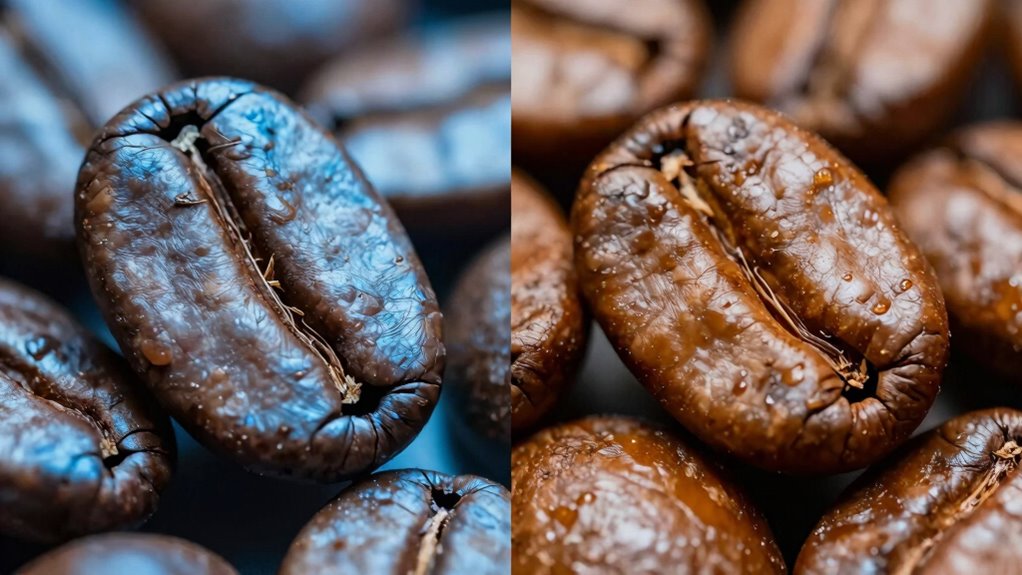
When choosing between cold press and heat-assisted pressing, understanding their differences is essential for achieving the best results. Both methods extract oils or juices from fruits and seeds, but they do so through distinct processes that considerably impact flavor and nutrient content. Cold pressing involves using minimal or no heat during extraction, which helps preserve the natural qualities of the product. This method is gentle, ensuring that delicate flavors remain intact and the nutrients stay preserved. You’ll notice that cold-pressed oils often have a richer, fresher taste, and they retain more of the beneficial compounds that heat can degrade.
Cold pressing preserves natural flavors and nutrients, ensuring a fresher, richer taste with maximum health benefits.
In contrast, heat-assisted pressing employs higher temperatures to speed up the extraction process. While this can increase yield and efficiency, it often leads to some loss of subtle flavors and nutrients. The heat can alter the chemical makeup of the oil or juice, resulting in a different profile that might lack some of the original freshness. If you’re after maximum flavor retention and nutrient preservation, heat-assisted methods might not be your best choice. However, they can be practical for large-scale production where speed and quantity are priorities. Additionally, nutrient degradation can occur at higher temperatures, emphasizing the importance of choosing the right method based on your nutritional priorities. The temperature control during cold pressing is crucial for maintaining bioactive compounds, which are sensitive to heat and play a significant role in the health benefits of these products.
Understanding how each process affects flavor retention is fundamental. Cold pressing keeps the natural essence of the ingredients, making it ideal if you want a product that tastes as close to fresh as possible. This is especially important for health-conscious consumers who prefer products rich in antioxidants and other bioactive compounds. On the other hand, heat-assisted pressing can sometimes produce a more neutral flavor, which might be desirable in certain culinary applications where a more refined or consistent taste is needed. Additionally, nutrient degradation can occur at higher temperatures, emphasizing the importance of choosing the right method based on your nutritional priorities. The temperature control during cold pressing is crucial for maintaining bioactive compounds, which are sensitive to heat and play a significant role in the health benefits of these products. Moreover, cold pressing generally involves less processing, which can help retain the natural qualities of the ingredients more effectively.
As an affiliate, we earn on qualifying purchases.
Frequently Asked Questions
How Does Pressing Temperature Affect the Longevity of the Final Product?
Higher pressing temperatures can negatively impact the longevity of your final product by causing materials to weaken or degrade over time, reducing pressing durability. Conversely, lower or controlled temperatures help preserve material integrity, ensuring your product remains resilient and lasts longer. Temperature effects are essential; too much heat accelerates wear, while the right temperature maintains strength. Always choose ideal pressing conditions to maximize your product’s durability and lifespan.
Are There Specific Materials Better Suited for Cold or Heat-Assisted Pressing?
They say “know your tools,” and that’s especially true here. Some materials, like delicate fabrics or certain plastics, are better suited for cold pressing to preserve texture and prevent damage. Meanwhile, heat-assisted pressing works well for metals or thicker composites, ensuring better material compatibility and a smoother finish. Choosing the right method depends on your material’s properties and the desired final texture, making your work more durable and high-quality.
What Environmental Impacts Differ Between Cold and Heat-Assisted Pressing Methods?
You’ll find that cold pressing generally has lower energy consumption, making it more sustainable and reducing your environmental impact. It avoids high heat, which means less energy use and fewer emissions. Conversely, heat-assisted pressing consumes more energy but can improve efficiency and reduce waste for certain materials. Choosing the method depends on your sustainability goals; cold pressing offers notable environmental benefits due to its lower energy requirements.
Can Combining Both Pressing Techniques Improve Overall Product Quality?
Combining cold and heat-assisted pressing can enhance product quality by optimizing material compatibility and energy efficiency. Studies show that hybrid methods can reduce energy consumption by up to 30%, leading to better adhesion and fewer defects. By sequentially applying both techniques, you can tailor the process to specific materials, ensuring durability and precision while minimizing environmental impact. This approach offers a balanced solution for improved results and sustainability.
How Do Processing Times Vary Between Cold and Heat-Assisted Methods?
You’ll find that processing times differ markedly between cold and heat-assisted methods. Cold pressing requires longer durations because lower temperatures slow down the extraction process, emphasizing temperature control to prevent product degradation. Heat-assisted pressing speeds things up by increasing process efficiency through higher temperatures, which accelerate extraction. However, you need to balance temperature control carefully, as excessive heat can compromise quality, making timing essential for ideal results.
Conclusion
So, now that you’ve seen the difference, it’s clear that choosing between cold press and heat-assisted pressing isn’t just a matter of preference. Think of it like the ancient alchemists’ quest for gold—each method reveal unique qualities in your oils. Whether you want pure, nutrient-rich extracts or a more robust flavor, understanding the difference helps you make smarter choices. Don’t be left in the dust—embrace the science today and elevate your pressing game!
Halloween Picks
halloween
As an affiliate, we earn on qualifying purchases.