
When shopping for butter, check that it’s stored in a refrigerator at temperatures below 40°F. Look for butter in well-packaged foil or paper, which protects it from light and air. Avoid products with damaged packaging or those sitting at room temperature, as they may be past their prime. Always check the expiration date to ensure freshness. By following these guidelines, you can improve your cooking and baking results. You’ll find more tips that help you choose the best butter.
Key Takeaways
- Ensure butter is stored in a refrigerator or cooler at temperatures below 40°F for optimal freshness.
- Check the expiration date on the packaging to avoid purchasing stale butter.
- Look for well-wrapped butter in foil or paper to protect it from light and air exposure.
- Avoid butter that shows signs of improper storage, like sitting out at room temperature.
- Opt for brands that maintain proper refrigeration conditions to enhance flavor and quality.

When you walk into a grocery store, you might not think much about how butter is stored, but it plays a vital role in maintaining its freshness and flavor. Butter’s rich taste can easily go stale or develop off-flavors if it’s not handled properly. The right refrigeration practices are crucial in ensuring that you get the best product possible. So, the next time you’re perusing the dairy aisle, pay attention to how the butter is displayed and stored.
Pay attention to butter storage in grocery stores; proper refrigeration is key to preserving its freshness and flavor.
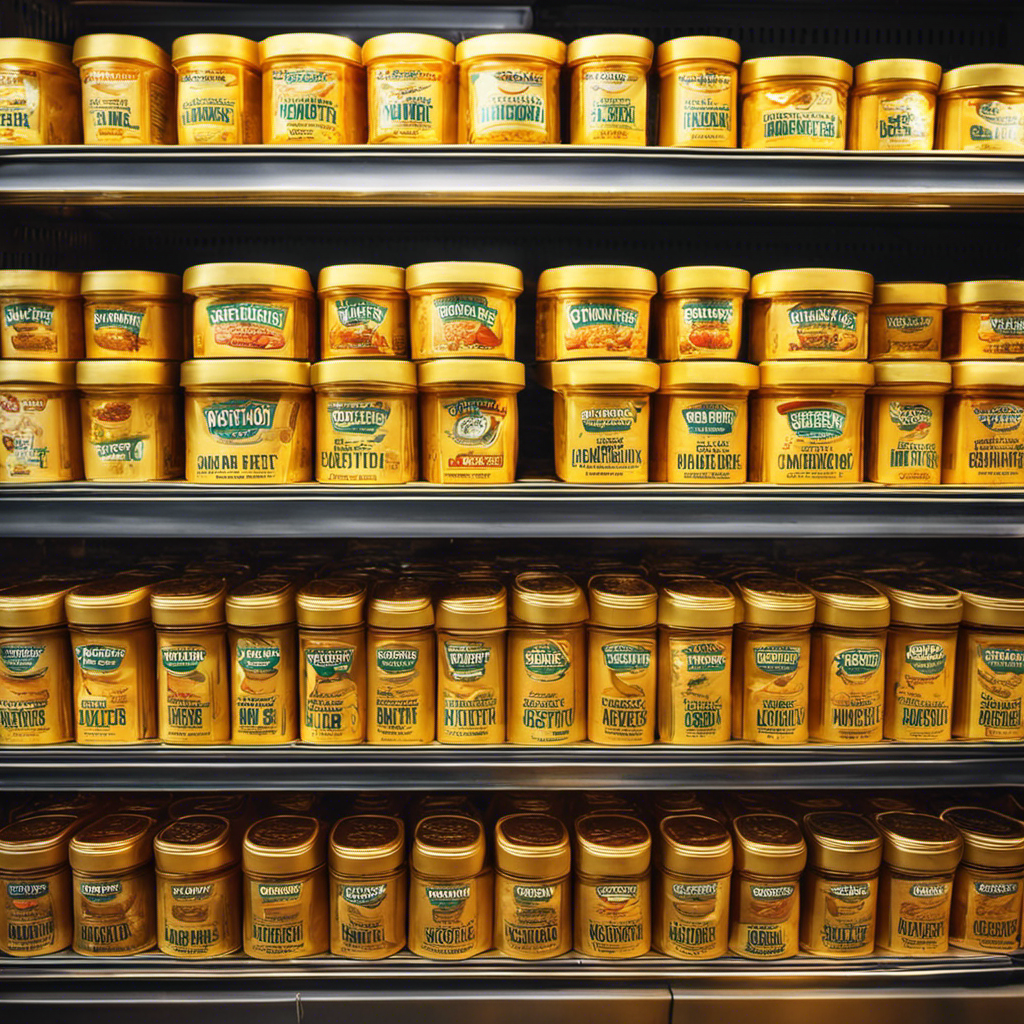
Refrigeration practices vary from store to store, but ideally, the butter should be kept in a consistently cold environment. When you spot butter on the shelves, check if it’s stored in a refrigerator or a cooler that maintains a temperature below 40°F. This ensures that the butter remains solid and the flavor stays intact. If you see butter sitting out at room temperature, it might be a sign that the store isn’t practicing proper refrigeration, and it’s best to pick a different brand or even another store altogether.
Another important factor is shelf life monitoring. Butter has a limited shelf life, typically around three months when stored properly in the fridge. Look for the expiration date on the packaging before purchasing. If you notice that the butter is close to its expiration or if the packaging looks damaged, it might be best to choose another option. Proper shelf life monitoring helps you avoid purchasing butter that’s past its prime, which can lead to disappointing cooking and baking experiences.
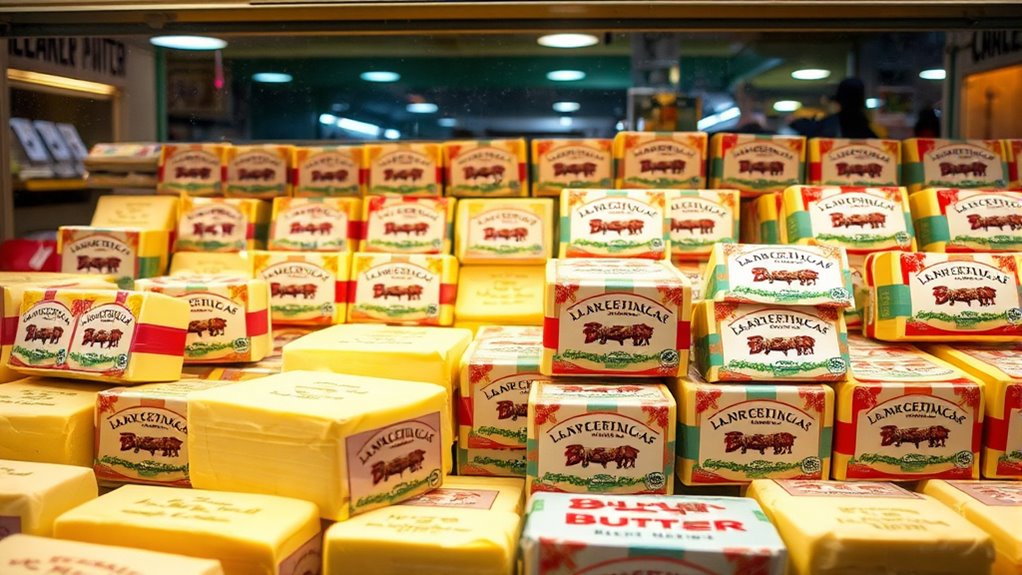
Additionally, consider the packaging. Butter wrapped in foil or paper tends to be more protected from light and air, both of which can quickly degrade its quality. If you find butter in plastic containers, be cautious; while they might be convenient, they often don’t provide the same level of protection.
Using proper refrigeration practices can help maintain the quality of butter, just as it does with other dairy products like cheese and yogurt.
When you take these factors into account, you not only improve your chances of selecting fresh butter but also enhance your cooking and baking outcomes. By being mindful of refrigeration practices and shelf life monitoring, you’re ensuring that every bite of butter you enjoy is as tasty and fresh as possible. So next time you’re in the grocery store, take a moment to check the butter; your taste buds will thank you!

400 Pack Butter Wrapping Paper Set, 200 Pcs Aluminum Packaging Wrapping Sheets and 200 Pcs Silicone Oil Sheets, 9.84 x 9.84 and 8.66 x 8.66 Inches, for Homemade Butter Storage and Chocolate Packaging
Perfectly Sized for Freshness & Organization: Our butter paper set complete set of 400 pieces including 200 aluminum…
As an affiliate, we earn on qualifying purchases.
As an affiliate, we earn on qualifying purchases.
Frequently Asked Questions
Can I Freeze Butter for Long-Term Storage?
Yes, you can freeze butter for long-term storage. Just make sure to keep it in its original butter packaging or transfer it to airtight storage containers to prevent freezer burn. If you’re freezing a large quantity, consider cutting it into smaller portions for easy use later. When you’re ready to use it, thaw the butter in the refrigerator, and you’ll enjoy its fresh taste just like when it was first bought.
Does Salted Butter Last Longer Than Unsalted Butter?
Yes, salted butter does last longer than unsalted butter. The salt acts as a preservative, which helps extend its shelf life. You can typically store salted butter in the fridge for up to six months, while unsalted butter is best used within three months for ideal freshness. If you’re unsure about how long you’ve had your butter, check for any off smells or discoloration before using it.
What Is the Best Temperature to Store Butter at Home?
You wouldn’t want your butter to turn into a sad, melted mess, right? The best temperature to store butter at home is between 32°F and 35°F (0°C to 2°C). Make sure you keep it in its original butter packaging or a good-quality storage container to prevent it from absorbing odors. If you’re using it regularly, keeping it at room temperature for short periods is fine, but remember to use a covered dish!
How Can I Tell if Butter Has Gone Bad?
You can tell if butter has gone bad by checking for a sour smell or off odor; it should smell fresh and creamy. Look for any signs of mold growth on the surface, which indicates spoilage. If the butter has developed a strange color or texture, it’s best to discard it. Always trust your senses—if it doesn’t smell or look right, don’t hesitate to toss it out for safety.
Is Organic Butter Worth the Price Difference?
Yes, organic butter’s often worth the price difference. Studies show that organic farming can lead to higher butter quality, with richer flavors and better nutritional profiles. Many consumers report that organic butter tastes creamier and fresher. While it might cost more, you’re investing in better ingredients and supporting sustainable practices. If you value quality and environmental impact, splurging on organic butter can be a delicious choice for your cooking and baking needs.
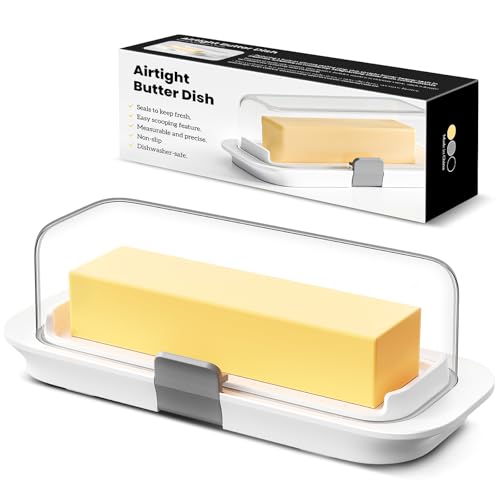
Pisol Butter Dish with Lid for Countertop and Refrigerator Door Shelf, Airtight Butter Keeper Container, Butter Holder for East/West Coast Butter, BPA-free, Microwave/Dishwasher Safe
The Home of American 1/4 LB Butter: 8.03''/20.39cm(L) × 3.31''/8.4cm(W) × 2.64''/6.7cm(H), specially designed for 1 stick butter…
As an affiliate, we earn on qualifying purchases.
As an affiliate, we earn on qualifying purchases.
Conclusion
When you’re shopping for butter, remember that it should be stored at a temperature of 35°F to 40°F for maximum freshness. Did you know that around 90% of American households use butter? So, choosing the right product can really make a difference in your cooking and baking experiences. By checking the packaging and ensuring it’s stored properly, you’ll enjoy the rich flavor and creamy texture that only quality butter can provide. Happy shopping!
butter expiration date checker
As an affiliate, we earn on qualifying purchases.
As an affiliate, we earn on qualifying purchases.
400 Pack Butter Wrapping Paper Set, 200 Pcs Aluminum Packaging Wrapping Sheets and 200 Pcs Silicone Oil Sheets, 9.84 x 9.84 and 8.66 x 8.66 Inches, for Homemade Butter Storage and Chocolate Packaging
Perfectly Sized for Freshness & Organization: Our butter paper set complete set of 400 pieces including 200 aluminum…
As an affiliate, we earn on qualifying purchases.
As an affiliate, we earn on qualifying purchases.