Butter’s a game changer for rice and grains, like in pilaf and risotto. It not only enriches the flavor and creates a creamy texture, but it also helps keep grains separate and fluffy. This magic ingredient enhances the dish’s overall depth and harmony, balancing spices perfectly. Plus, it packs essential vitamins that support your health. Ready to explore how butter can elevate your favorite grain dishes even further? There’s so much more to discover!
Key Takeaways
- Butter enhances the flavor of rice and grains, adding richness and depth to dishes like pilaf and risotto.
- It provides essential vitamins A, D, E, and K, supporting overall health while enriching grain dishes.
- The addition of butter creates a creamy texture, elevating the mouthfeel and comfort of meals.
- Butter helps keep grains separate and fluffy, preventing clumping in dishes such as couscous and quinoa.
- By melding with spices and seasonings, butter amplifies flavor harmony and complexity in grain preparations.

Have you ever wondered how a simple pat of butter can transform your rice or grains into a comforting dish? It’s true! Just a small amount of butter can elevate the texture and flavor of your meals in a way that’s both satisfying and nutritious. When you mix butter into your rice or grains, you’re not just adding a creamy richness; you’re also reaping some health benefits.
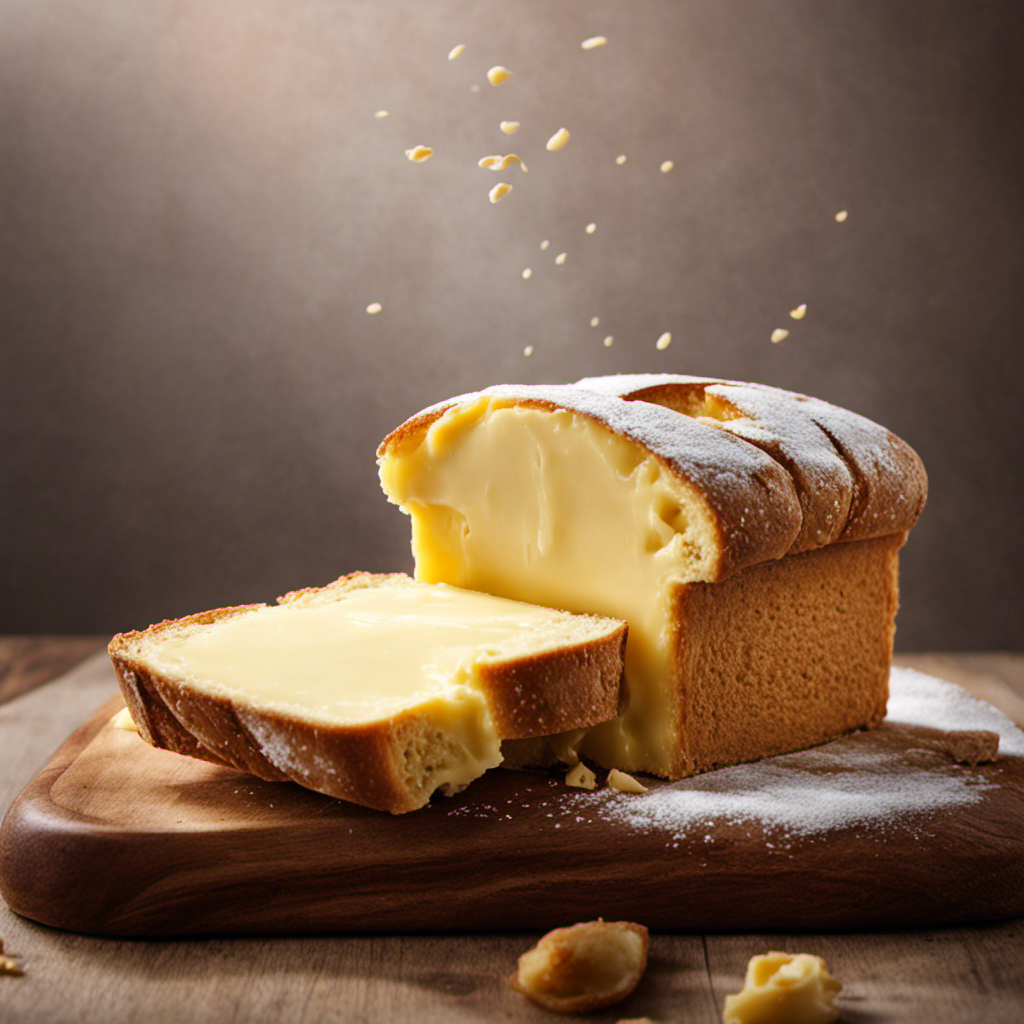
Butter contains essential vitamins like A, D, E, and K, all of which are vital for a well-balanced diet. These vitamins support your immune system, promote eye health, and contribute to bone strength. Additionally, butter contains healthy fats that your body needs for energy and absorption of those fat-soluble vitamins. So, when you stir in that pat of butter, you’re also nourishing your body while enhancing your food’s taste.
Now, let’s talk about flavor enhancement. You know that feeling when you take a bite of perfectly cooked risotto? The creaminess, the rich taste—it’s often thanks to the butter that finishes the dish. Butter adds a velvety texture that makes each grain feel luxurious in your mouth. This isn’t just about making your meal taste better; it’s about creating a comforting experience that warms you from the inside out.
Butter transforms dishes like risotto into a luxurious experience, adding creaminess and warmth that comforts you from within.
Consider pilaf, a dish that’s often cooked with broth and spices. When you add butter at the end, it melds with the flavors, creating a savory depth you can’t achieve with broth alone. The fat in the butter helps to carry and amplify the spices, making every bite more complex and satisfying. Additionally, the incorporation of butter can enhance the overall water chemistry of your dish, ensuring that flavors are well balanced and harmonious.
You might think that butter’s only role is to add flavor, but it also helps keep your grains separate and prevents them from becoming gummy. This is especially important for dishes like couscous or quinoa, where texture can make or break the meal. A little butter can go a long way in achieving that perfect light and fluffy finish.
Frequently Asked Questions
Can I Substitute Butter With Oil in These Recipes?
Yes, you can substitute butter with oil in these recipes. Using oil often has health implications, as it can contain healthier fats. However, you’ll notice flavor variations; oil might give dishes a lighter taste compared to the rich, creamy flavor of butter. Experimenting with different oils, like olive or coconut, can enhance your dish’s profile while keeping it healthier. Just remember to adjust the amount based on the type of oil you choose.
What Types of Rice Are Best for Pilaf and Risotto?
For pilaf, long-grain rice like basmati or jasmine works best, as they stay separate and fluffy. When you’re making risotto, stick with arborio, carnaroli, or vialone nano varieties; their starch content creates that creamy texture you love. Both dishes require specific rice preparation techniques—rinsing for pilaf to remove excess starch, while risotto needs gradual broth addition, stirring for creaminess. Choose the right rice, and you’ll elevate your dish!
How Do I Store Leftover Buttered Rice?
When it comes to storing leftover buttered rice, you’ve got to strike while the iron’s hot. First, let the rice cool completely. Then, for refrigeration, place it in an airtight container and store it for up to four days. If you want to keep it longer, use freezing techniques: scoop portions into freezer bags, removing excess air, and freeze for up to six months. Just thaw in the fridge when you’re ready to enjoy it again!
Can I Use Margarine Instead of Butter?
Yes, you can use margarine instead of butter! While margarine has a slightly different flavor, it can still work well in your dishes. If you’re looking for a more butter-like taste, consider trying vegan butter options, which often mimic the richness of butter closely. Just keep in mind that margarine flavor comparison might vary based on the brand, so experiment to find the one you enjoy most in your recipes!
What Spices Pair Well With Buttered Rice Dishes?
You’ll love how spices can elevate buttered rice dishes! Consider herb pairings like thyme, rosemary, or parsley for a fresh, aromatic touch. Spice blending with cumin, paprika, or turmeric can add warmth and depth to your rice. Don’t forget about a hint of garlic powder or onion powder for extra flavor. Experiment with these combinations, and you’ll create delicious, fragrant rice that complements any meal perfectly!
Conclusion
So there you have it—your journey from a butterless bowl of rice to a creamy, dreamy risotto. Who knew a little fat could transform mere grains into a culinary masterpiece? You might even start believing you’re a gourmet chef, impressing friends with your “secret” ingredient. Just remember, moderation is key—too much butter and you might end up needing a separate seat for your ego! So go ahead, embrace the butter; your taste buds will thank you!