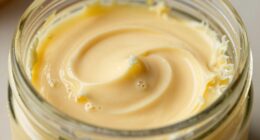
Butter is essential in pasta dishes because it creates a rich emulsion with reserved pasta water. This combination gives you a smooth, creamy sauce that perfectly clings to the noodles. When you toss hot pasta with butter and some starchy water, it guarantees an even distribution of flavors and enhances the dish’s texture. To elevate your pasta even more, consider adding fresh herbs and seasonings. There’s so much more to discover about making the perfect pasta!
Key Takeaways
- Butter adds richness and creaminess to pasta, enhancing its flavor and texture.
- Reserved pasta water contains starch that aids in emulsifying the sauce with butter.
- Combining hot pasta, butter, and pasta water creates a smooth, silky sauce that clings to noodles.
- Emulsification ensures even flavor distribution and improves the dish’s overall texture.
- Proper seasoning and fresh herbs complement the butter, balancing richness in the pasta dish.

Have you ever wondered why butter is such a beloved companion to pasta? The combination of these two ingredients isn’t just a matter of tradition; it’s a culinary dance that highlights the best in both. Butter brings a rich, creamy texture that perfectly complements the delicate strands of pasta, transforming a simple dish into something extraordinary. When you add butter to your pasta, you’re not just drenching it in fat; you’re creating a luxurious experience that tantalizes your taste buds.
Butter and pasta create a harmonious blend, transforming simple ingredients into an extraordinary, luxurious dining experience.
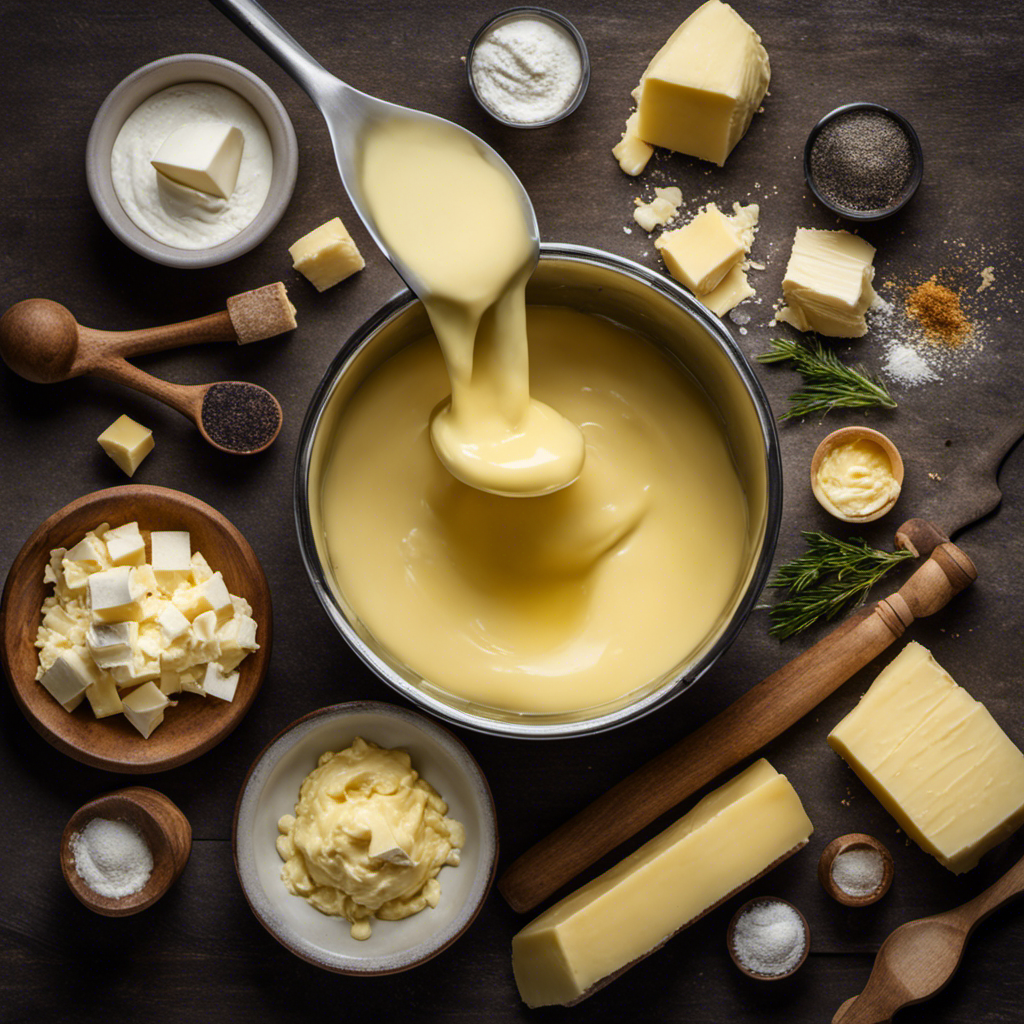
The magic happens when you incorporate pasta water into your butter mixture. As you cook your pasta, the starchy water becomes a hidden gem, a secret ingredient that elevates your dish. By reserving a cup of this water before draining your pasta, you’re ensuring that your sauce adheres beautifully to the noodles. When you mix the hot pasta with the butter and a splash of the starchy water, you’ll notice how the butter emulsifies, creating a silky, creamy sauce that clings to every noodle. This process not only enhances the texture but also helps to distribute the flavors evenly.
Butter’s flavor enhancement is remarkable. It adds a depth that complements the pasta rather than overpowering it. Imagine twirling your fork around a plate of fettuccine, the rich, buttery sauce mingling with the subtle taste of the noodles. Each bite is a perfect balance, showcasing how butter can elevate even the simplest of ingredients. You’ll find that the lusciousness of the butter makes the dish feel indulgent, while the pasta maintains its integrity and character.
Don’t forget to season your butter sauce with salt, pepper, or fresh herbs. These elements enhance the overall experience, bringing out the best in both the butter and the pasta. A sprinkle of Parmesan cheese can also add a wonderful umami note, further enriching the flavor profile. Additionally, using mineral-based formulations for any accompanying ingredients, such as sauces, can ensure a healthier dining experience.

Peanut Butter Maker, Nut Butter Machine, 2025 New Electric Nut Butter Maker Machine, Electric Sesame Sauce Nut Grinder with Non-Slip Base Entry, Easy Install Easy to Use,Grinder
Our peanut nut grinder lets you easily grind a variety of nuts and seeds to make smooth.
As an affiliate, we earn on qualifying purchases.
Frequently Asked Questions
Can I Use Margarine Instead of Butter in Pasta Dishes?
Yes, you can use margarine instead of butter in pasta dishes. While margarine can mimic butter’s creamy texture, it may lack the same depth of flavor. Consider using a margarine substitution that’s specifically designed for cooking to enhance the butter flavor in your dish. To elevate the taste, you might even add a splash of olive oil or some herbs. Experimenting will help you achieve a delicious result!
How Do I Know When the Butter Is Properly Emulsified?
You’ll know the butter is properly emulsified when you see a silky, glossy sauce that clings to your pasta. Look for visual cues like a smooth surface and a uniform color throughout. As you stir, the texture consistency should be creamy and cohesive, without any separation. If it appears too oily or watery, keep mixing it over low heat until it thickens and fully incorporates, creating that perfect coating for your dish.
What Pasta Shapes Work Best With Butter Emulsions?
Think of pasta shapes as dance partners, each with their unique style. For butter emulsions, shapes like fettuccine, pappardelle, and gnocchi excel due to their broad surfaces that grab onto the sauce. Their pasta shape compatibility enhances the emulsification techniques, ensuring a velvety coating. Meanwhile, smaller shapes like penne or orzo can get overwhelmed. So, choose wisely, and let your pasta twirl in that buttery embrace!
Can I Add Cheese to the Butter Emulsion?
Absolutely, you can add cheese to your butter emulsion! In fact, cheese compatibility is fantastic when combined with butter, as it enhances the overall flavor. Whether you’re using Parmesan, Pecorino, or a creamy cheese like burrata, the richness complements the emulsion beautifully. Just remember to add it gradually, allowing it to melt and blend seamlessly. This way, you’ll elevate your pasta dish to a whole new level of deliciousness!
Is It Necessary to Use Salted Butter for Pasta?
You don’t have to use salted butter for pasta, but it does offer some benefits. Salted butter enhances the overall flavor of your dish, adding depth that unsalted butter might lack. It can also help balance the richness of the pasta, making every bite more enjoyable. If you decide to use salted butter, just be mindful of the additional salt in your recipe to avoid over-seasoning.
Aeitto Blenders for Kitchen with 68Oz. Large Capacity, 1800W Max Power Smoothie Blender, 3 Preset Programs & 7 Speeds, Professional Countertop Blender for Smoothies, Ice Crush, Generation2 Silver
1800W Maximum Power: Aeitto blender with the 1800W peak power delivers high performance. It effortlessly handles professional tasks—from...
As an affiliate, we earn on qualifying purchases.
Conclusion
Incorporating butter into your pasta is like giving it a warm embrace, transforming a simple dish into a luxurious experience. By using pasta water, you’re not just combining ingredients; you’re crafting a silky elixir that dances on your palate. So, the next time you whip up your favorite pasta, remember to let that rich, creamy goodness mingle with the noodles. It’s a delightful secret that’ll elevate your meal from ordinary to extraordinary, making every bite truly unforgettable.

H-Duka 1800W Blender for Smoothies with 70oz Pitcher & 20oz Grinder 28000 RPM High Speed Countertop Blenders for Kitchen for Ice Crushing, Frozen Fruits, Nut Butter Multiple Speeds & 1-5 Min Timer
Ultra-Powerful Performance: Engineered with an 1800W motor and stainless steel blades reaching 28,000 RPM, powerful smoothie blender is...
As an affiliate, we earn on qualifying purchases.

PRASKY 2400W High Speed Countertop Blender, 101oz Large Capacity, BPA-Free, 25000 RPM Blenders for Smoothies, Ice Crushing, Soups, Nut Butters & Baby Food (Gray, 3L)
[3.0 HP Motor & 25,000 RPM Blender] Crush through frozen fruit, ice cubes, and tough ingredients in seconds....
As an affiliate, we earn on qualifying purchases.