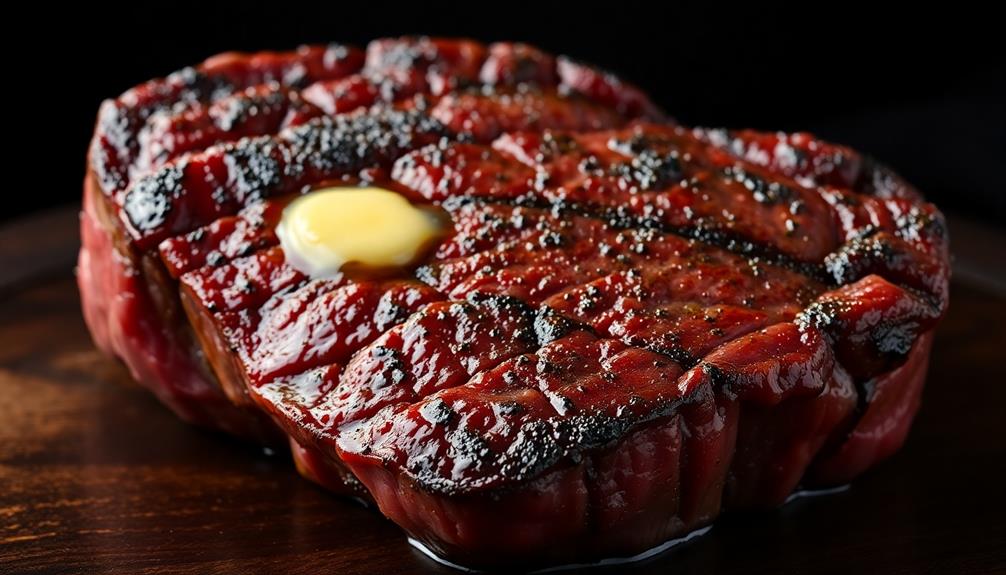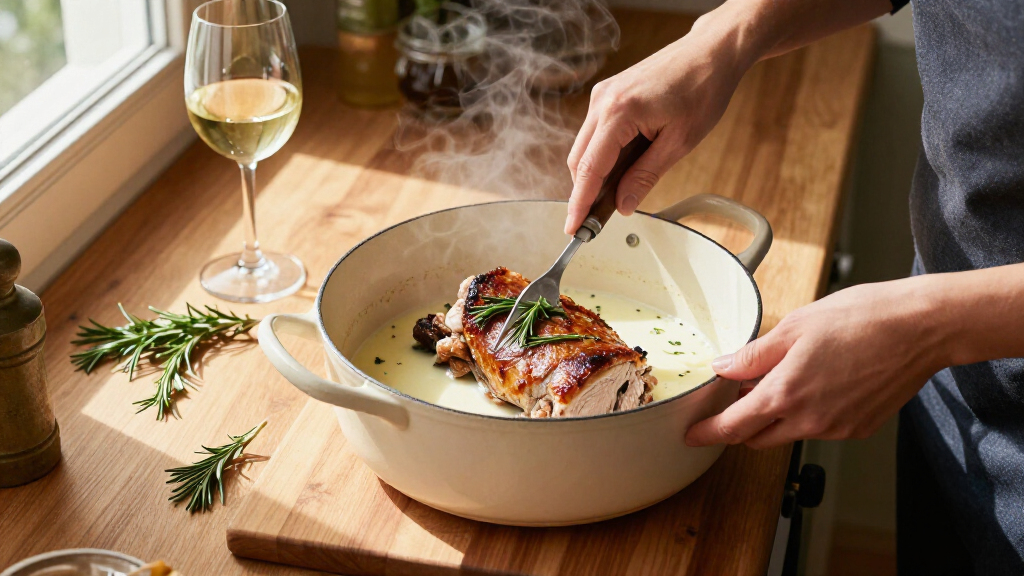

🔍 Read the full analysis: Sunday Arrosto: Pork Loin In Milk, The Emilian Way on Mad Tasting

Get kitchen staples and gadgets delivered free with Prime
- Fast, free delivery on millions of items
- Prime Video, Amazon Music and more included
- Member-only deals all year
TL;DR
Pork loin braised in milk, known as arista di maiale al latte, is an Emilian-style roast associated especially with the area around Bologna. The milk may separate into soft curds as it cooks; the source says this is normal, and recommends cooking whole-cut pork to 145°F (63°C) and resting it for three minutes.
Mad Tasting’s guide to pork loin braised in milk, or arista di maiale al latte, describes an Emilian roast associated especially with the area around Bologna. The method browns pork before gently cooking it with milk and aromatics; the guide says the milk may form soft curds, a normal feature of the rustic sauce, and gives food-safety advice for doneness and resting.
The recipe centers on a whole pork loin, milk, salt, pepper and a small number of aromatics such as garlic or rosemary. The pork is first patted dry, seasoned and browned in butter or oil. Milk is then added and brought to a gentle simmer, with the roast cooked slowly and turned occasionally. The guide says browning contributes flavor to the sauce, while a quiet simmer helps keep milk from scorching.
The source recommends checking the thickest part of the roast with a meat thermometer rather than relying on a fixed cooking time. It gives 145°F (63°C) as the target for whole-cut pork, followed by a three-minute rest. It cautions that loin is lean and can dry out if cooked too long. Once rested, the roast can be sliced and served with the sauce, either as it is or blended smooth.
Milk is the dish’s defining braising liquid, while wine, broth or additional herbs may appear in some versions, according to the guide. Wine is optional. The source also describes potatoes or seasonal greens as possible accompaniments, keeping the meal focused on the mild, savory roast and its sauce.
Emilia-Romagna · Sunday table
Sunday Arrosto:
Pork Loin in Milk,
the Emilian Way
A rustic roast called arista di maiale al latte: browned pork, a gentle milk braise and a mellow sauce associated especially with the area around Bologna.
01 / At a glance
A Sunday roast built around milk
The method is simple: brown the pork, then cook it gently with milk and a few aromatics. Browning adds flavor to the sauce; a quiet simmer helps keep the milk from scorching.
Pork loin
A whole loin makes neat slices. Because it is lean, watch doneness closely to help keep the meat moist.
Milk + aromatics
Milk is central. Salt, pepper and a small number of aromatics such as garlic or rosemary can round out the pot.
Rustic, mellow sauce
Meat juices mingle with the milk as it cooks. Keep the sauce textured or blend it smooth before serving.
02 / The method
From browned surface to tender slices
Cooking time varies with roast shape, starting temperature and pot. Use a thermometer at the thickest point instead of relying on a fixed time.
Prepare
Pat the loin dry, then season it with salt and pepper.
Brown
Sear in butter or oil to build flavor on the meat and in the pot.
Braise gently
Add milk and aromatics. Simmer quietly, turning the roast occasionally.
Check & rest
Measure the center, then rest the roast before carving into slices.
03 / Doneness matters
Check the roast before serving
For whole-cut pork, the guide recommends a clear temperature target and a short rest. Lean loin can dry out if it stays over heat too long.
(63°C) Thickest point
then rest 3 minutes
Insert a meat thermometer into the thickest part of the roast and cook to 145°F (63°C).
Let the pork rest for three minutes before slicing. Roast shape and starting temperature affect timing, so there is no single reliable cook time.
04 / Choose your texture
Loin or shoulder?
The cut changes the result. The guide presents loin as the familiar option for slices and shoulder as a richer, softer alternative.
Pork loin
Lean and easy to carve into tidy slices. Pay close attention to doneness to avoid overcooking.
Pork shoulder
More fat and connective tissue can yield a softer, richer result, with a different texture from loin.
“A separated milk sauce is normal in many versions of pork loin in milk.”Mad Tasting guide
05 / Variations & serving
Keep the milk at the center
Versions can vary, but the source does not set a single required ingredient list, milk quantity or cooking time.
Wine is optional
Some versions may include wine, broth or extra herbs. Milk remains the defining braising liquid.
Choose a simple side
Potatoes or seasonal greens can accompany the mild, savory roast and its sauce.
Serve the sauce your way
Leave the soft curds for a rustic finish or blend the sauce smooth before serving.
06 / Quick answers
What to know at the table
What is arista di maiale al latte?
An Emilian-style roast in which pork is browned, then gently braised with milk and aromatics.
Is a separated sauce normal?
Yes. The guide says soft curds and thinner liquid can form as milk cooks with the meat juices.
Can wine be left out?
Yes. Wine is optional; milk remains the defining braising liquid.
How should I judge cooking time?
Check the thickest point with a thermometer. Timing changes with roast shape, starting temperature and pot.
A Sunday Roast Built Around Milk
The guide presents the dish as a practical centerpiece for a long Sunday meal: the pork browns first, then cooks gently while the braising liquid develops flavor. Its relatively simple ingredient list and method make the preparation accessible to home cooks, while the milk-based sauce distinguishes it from roasts built around wine or stock.
Its food-safety guidance also gives readers a concrete way to judge doneness. Since roast shape and starting temperature affect cooking time, the source favors measuring the center of the meat over following a single time estimate. That matters especially for lean pork loin, which can become dry if left over heat too long.
Products Worth Considering

Le Creuset Signature 6.5-Quart Deep Round Dutch Oven with Light Gold Crucible Knob, Enameled Cast Iron, Bleu Riviera

Le Creuset Signature Enameled Cast Iron Round Dutch Oven, 5.5 qt, Deep Teal

Le Creuset Enamemed Cast Iron Oval Dutch Oven, 5 qt., White/Crucible
As an affiliate, we earn on qualifying purchases.
The Emilian Milk-Braising Method
The source identifies arista di maiale al latte as an Emilian-style roast particularly associated with the area around Bologna. Its defining sequence is to brown the pork, add milk and aromatics, then braise gently until tender. Meat juices and browned surfaces mingle with the milk as it cooks, producing a mellow sauce with a softly sweet quality, as described by Mad Tasting.
The guide distinguishes loin from pork shoulder. Loin is the familiar choice for neat slices, but its leanness calls for closer attention to cooking. Shoulder contains more fat and connective tissue and may yield a softer, richer result, though it changes the texture. The source does not provide a single required ingredient list or cooking time, and notes that versions can vary while milk remains central.
“A separated milk sauce is normal in many versions of pork loin in milk.”
— Mad Tasting guide
Recipe Variations and Timing
The source does not specify a definitive cooking time, the quantity of milk, or a single required set of aromatics. It says those factors can vary, and that roast shape, starting temperature and the cooking pot affect how quickly the center heats. The precise historical origin of the dish and the extent of its regional popularity are also not established in the supplied material.
The guide describes milk separation as normal, but the source excerpt does not include its full troubleshooting or leftover-storage instructions. It therefore does not establish a specific storage duration or detailed reheating method.
Check the Roast Before Serving
For cooks following the method, the next step is to monitor the simmer and check the pork’s thickest point with a thermometer. After it reaches 145°F (63°C), allow the roast to rest for three minutes before slicing. Serve the milk sauce as it is or blend it, then pair the pork with potatoes or seasonal greens if desired.
Any further recipe details, including exact quantities and leftover handling, depend on the full recipe instructions; they are not specified in the supplied source excerpt.
Key Questions
What is pork loin in milk?
It is an Emilian-style roast called arista di maiale al latte. Pork is browned and then gently braised with milk and aromatics.
Is it safe if the milk sauce separates?
The guide says soft curds and thinner liquid can form as the milk cooks with the meat juices, and describes this as a normal rustic result. The sauce can be served as it is or blended smooth.
What temperature should the pork reach?
The source recommends checking whole-cut pork at its thickest point and cooking it to 145°F (63°C), followed by a three-minute rest.
Can wine be left out?
Yes. The guide says wine is optional and milk remains the defining braising liquid.
Which cut works best for neat slices?
The guide recommends pork loin for neat slices, while noting that its leanness means cooks should watch doneness closely. Pork shoulder is an alternative for a softer, richer texture, with a different result.
Source: Mad Tasting