
TL;DR

Get kitchen staples and gadgets delivered free with Prime
- Fast, free delivery on millions of items
- Prime Video, Amazon Music and more included
- Member-only deals all year
A Good Housekeeping report recommends eight nutrient-rich breakfast foods, including chia seeds, cottage cheese, Greek yogurt, whole grains, protein shakes, bananas, eggs and berries. The examples offer ways to add protein, fiber and other nutrients, but individual nutritional needs and product labels vary.
A Good Housekeeping report has highlighted eight foods nutrition experts recommend for breakfast, including eggs, oats, berries, yogurt and whole grains. The roundup gives readers practical ways to build a morning meal with protein, fiber and other nutrients, while noting that choices such as flavored yogurt and protein powder can differ by brand.
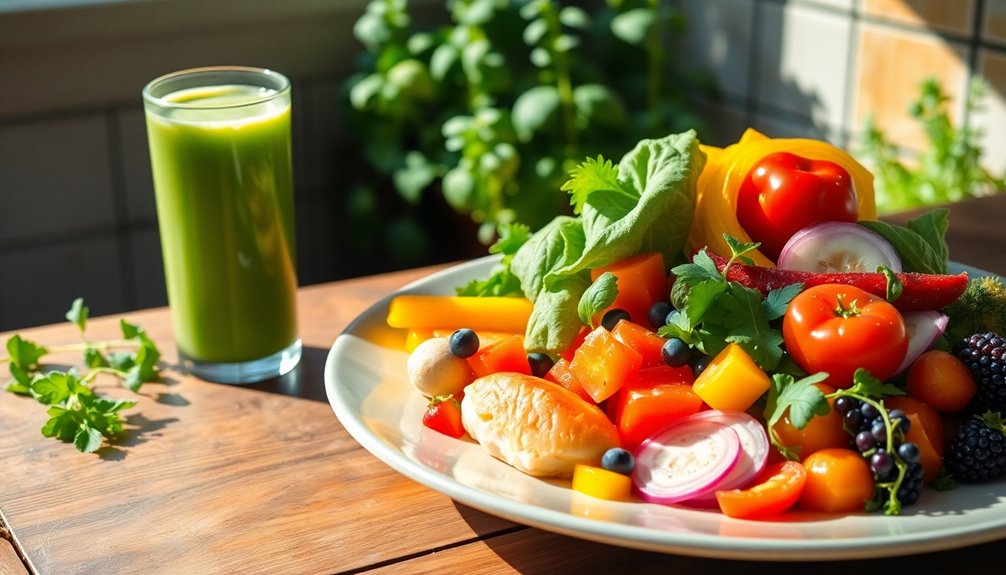
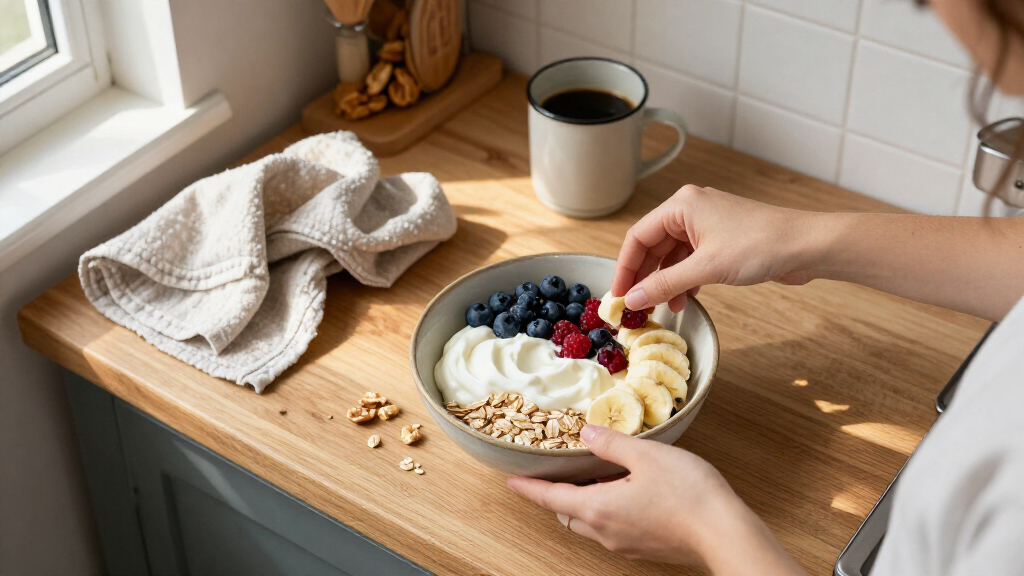
The foods named in the report are chia seeds, cottage cheese, Greek yogurt, whole grains, protein shakes, bananas, eggs and berries. The article describes them as flexible options rather than a single required menu: yogurt can be paired with fruit and nuts, eggs can go on whole-grain toast, and grains such as quinoa or millet can form the base of a sweet or savory bowl.
Several examples include specific nutrition figures. The report says a half-cup of low-fat cottage cheese contains 14 grams of protein, while one cup of Greek yogurt is listed as containing 24 grams. It says two large eggs contain more than half the daily choline requirement, and one egg has about 8 grams of protein. A cup of strawberries is reported to provide 3 grams of fiber and a day’s vitamin C needs; these figures may vary with serving size and product.
The article also offers preparation and label advice. It suggests making chia pudding by combining ¼ cup chia seeds with 1 cup of milk and refrigerating the mixture overnight. For Greek yogurt, it recommends plain varieties for people seeking to limit added sugars. Registered dietitian Amy Fischer says her protein shakes include spinach, unsweetened nut milk, high-fiber fruit and cinnamon; she advises choosing a complete protein powder that has third-party verification and avoiding added sweeteners and fillers.
Building a More Balanced Breakfast
The roundup matters because breakfast choices can make it easier to include protein and fiber early in the day, especially for people who want filling options that are quick to assemble. Its examples span different formats, from a drinkable shake to eggs on toast, and can be adjusted for taste or dietary preference.
The article does not establish that one breakfast is best for everyone or that eating these foods will produce a particular health outcome. Rather, it presents foods with useful nutrients and offers combinations readers can adapt. The practical distinctions—such as choosing plain yogurt to manage added sugar or checking protein powder ingredients—help readers compare products instead of relying on broad health claims.
chia seeds for overnight chia pudding
As an affiliate, we earn on qualifying purchases.
As an affiliate, we earn on qualifying purchases.
Eight Foods, Many Breakfast Formats
The source is a Good Housekeeping nutrition report titled “The Best Healthy Breakfast Foods to Start Your Day Right, According to Nutrition Experts.” It combines food-by-food descriptions with serving suggestions and comments attributed to nutrition professionals. The supplied material does not include a publication date, a complete list of expert contributors, or citations for every nutrition statement.
Its recommendations range from familiar staples to adaptable ingredients. Whole grains can include bread labeled 100% whole grain or whole wheat, as well as quinoa, farro, buckwheat and millet. Berries can be added to oats or yogurt, while bananas can be served with oats and walnuts. The report describes chia seeds as vegan and gluten-free and suggests either dairy or plant-based milk for pudding.
““Protein shakes are a great way to get in veggies with breakfast.””
— Amy Fischer, M.S., R.D., C.D.N., as quoted in Good Housekeeping
Nutrition Figures Need Product Context
The report’s nutrition figures are tied to stated serving sizes, but the supplied material does not identify the brands or full methods behind each value. Protein, sugar and other nutrient amounts can differ by product and preparation, so package labels are needed for a specific item. The material also does not provide enough detail to evaluate the studies referenced in its discussion of berries or the health effects described for individual foods.
There is no personalized guidance in the roundup for people with medical conditions, allergies or specific nutrition needs. Although the report notes chia seeds are gluten-free and vegan, other products and toppings may contain allergens; people with food allergies should check ingredient and cross-contact information. The article is a general food guide, not individualized medical advice.
Checking Labels Before Choosing
Readers can use the suggestions as a starting point, then compare ingredient lists and nutrition labels when buying yogurt, cottage cheese, bread or protein powder. A practical next step is to combine foods from the list—for example, eggs with whole-grain toast and vegetables, or plain Greek yogurt with berries and nuts—based on personal preferences and needs.
The supplied source does not announce new guidance or a follow-up study. Any more specific recommendation would depend on the person’s health circumstances, the products selected and the serving sizes used.
Key Questions
Which breakfast foods does the report recommend?
It lists chia seeds, cottage cheese, Greek yogurt, whole grains, protein shakes, bananas, eggs and berries, with oats also discussed in serving suggestions.
What protein amounts does the article give?
The report says a half-cup of low-fat cottage cheese contains 14 grams of protein, one cup of Greek yogurt contains 24 grams, and one egg has about 8 grams. Values can vary by product and serving.
How does the report suggest making chia pudding?
Mix ¼ cup chia seeds with 1 cup of milk, stir, cover and refrigerate overnight. Fruit, nut butter or other toppings can be added.
What should shoppers check when choosing protein powder?
Dietitian Amy Fischer recommends a complete protein with third-party verification and advises looking for fewer ingredients, without added sweeteners, fillers or stabilizers. People with allergies should also review the label.
Source: rss
Fall Picks
fall essentials
As an affiliate, we earn on qualifying purchases.