TL;DR

Get kitchen staples and gadgets delivered free with Prime
- Fast, free delivery on millions of items
- Prime Video, Amazon Music and more included
- Member-only deals all year
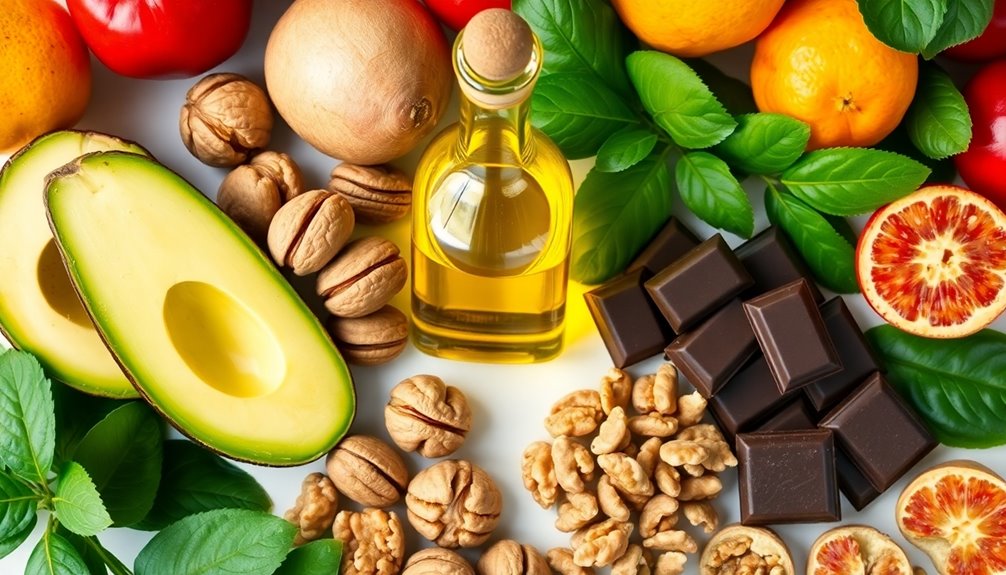
A Good Housekeeping report lists 10 fruits that contribute protein alongside fiber, vitamins and other nutrients. Dietitians quoted in the report say fruit can add to daily protein intake, but should not be treated as a main protein source. The supplied source gives nutrition details for eight entries and cuts off before explaining pomegranate or the tenth fruit.
A Good Housekeeping report identifies 10 fruits that can contribute protein to a meal or snack, while dietitians quoted in the article caution that fruit is not a main protein source. The supplied report details eight entries, including passion fruit, guava and avocado, but ends at the heading for pomegranate, leaving its final nutrition details and the tenth fruit unverified here.
The report’s listed amounts are per cup: passion fruit has about 5 grams of protein, guava more than 4 grams, avocado about 3 grams, kiwi roughly 2 grams, and blackberries about 2 grams. Raspberries contain slightly less than blackberries, while cherries have just under 2 grams, jackfruit about 3 grams and tomatoes roughly 2 grams. These figures describe the report’s serving measure, not a claim that the foods provide equivalent protein to meat, eggs, beans or tofu.
Dietitian Michelle Routhenstein, MS, RD, told Good Housekeeping that fruit contributes to total protein intake and brings other plant compounds, including antioxidants and flavanols. The report also highlights other nutrients: avocado provides monounsaturated fat and potassium; berries offer fiber and anthocyanins; tomatoes contain lycopene; and passion fruit supplies vitamin C. Dietitian Brittany Werner, MS, RDN, also discusses fiber and other nutrients in several entries.
The suggested uses range from scooping passion fruit into yogurt or oatmeal to adding guava to salsa. Routhenstein recommends using mashed avocado in place of mayonnaise in tuna salad, and the report describes unripe jackfruit as a plant-based option for a shredded-meat-style texture. These are serving ideas, not evidence that the fruits alone meet a person’s protein needs.
How Fruit Adds to Protein Intake
The list offers shoppers a practical way to add small amounts of protein while also eating foods that contain fiber and micronutrients. It may be useful for people planning varied meals, but the per-cup amounts make clear that fruit generally works as a supporting ingredient rather than a protein-centered food.
That distinction matters when interpreting the headline. The report does not say that fruit can replace concentrated protein sources or establish that adding these items produces a particular health outcome. Instead, its dietitians describe fruit as one part of an overall eating pattern, with benefits and nutrients that differ from one fruit to another.
passion fruit puree for yogurt and oatmeal
As an affiliate, we earn on qualifying purchases.
As an affiliate, we earn on qualifying purchases.
What the Dietitians Recommend
The source frames fruit as nutrient-dense food that can contribute fiber, vitamins, minerals and plant compounds, in addition to modest protein. Routhenstein’s comments distinguish this contribution from the higher protein content typically associated with foods such as meat, eggs, beans and tofu.
Several health effects in the article are presented as nutrient-related context rather than guarantees. For example, Werner discusses fiber in berries and its role in cholesterol management, while Routhenstein connects carotenoids in guava with inflammation-related risk factors. The supplied material does not provide study citations, methods or serving guidance beyond the stated cup measures, so those claims should be read as attributed dietitian explanations.
“You’re not going to be using fruit as your main protein source, but it will contribute to your overall protein intake.”
— Michelle Routhenstein, MS, RD, preventive cardiology dietitian, as quoted by Good Housekeeping
Missing Details for Two Fruits
The supplied source material stops after the word “Pomegranate”, without its protein amount, nutrition notes or preparation suggestions. It also does not identify the tenth fruit named in the headline. Those details cannot be confirmed from the text provided and are not filled in here.
The report’s publication date is also absent from the supplied material. Its nutrient figures are presented as approximate amounts per cup, but the excerpt does not specify varieties, measurement methods or how values may differ by ripeness and preparation. The broader health benefits are attributed to the dietitians; the excerpt does not provide citations that would allow independent evaluation of each claim.
Check the Full Fruit List
Readers seeking the complete list, including the remaining fruit and the pomegranate entry, can consult the original Good Housekeeping report. Anyone using the figures to plan a diet should compare serving sizes and overall protein needs with guidance from a qualified health professional; the source presents fruit as a contribution, not a replacement for primary protein foods.
Key Questions
Which fruit in the supplied list has the most protein?
Passion fruit is listed at about 5 grams per cup, followed by guava at more than 4 grams per cup, according to the Good Housekeeping report.
Can fruit replace meat, eggs, beans or tofu as a protein source?
The dietitian quoted in the report says fruit is not a main protein source. It can contribute to total intake, but the article does not recommend using it as a replacement for more concentrated protein foods.
How much protein do berries provide?
The report says blackberries contain about 2 grams per cup and raspberries slightly less. It also notes that both provide fiber and antioxidants.
Does the supplied source give the full list of 10 fruits?
No. The provided text includes details for eight fruits and then ends at the pomegranate heading. It does not show pomegranate’s figures or identify the tenth fruit.
Source: rss
Fall Picks
fall essentials
As an affiliate, we earn on qualifying purchases.