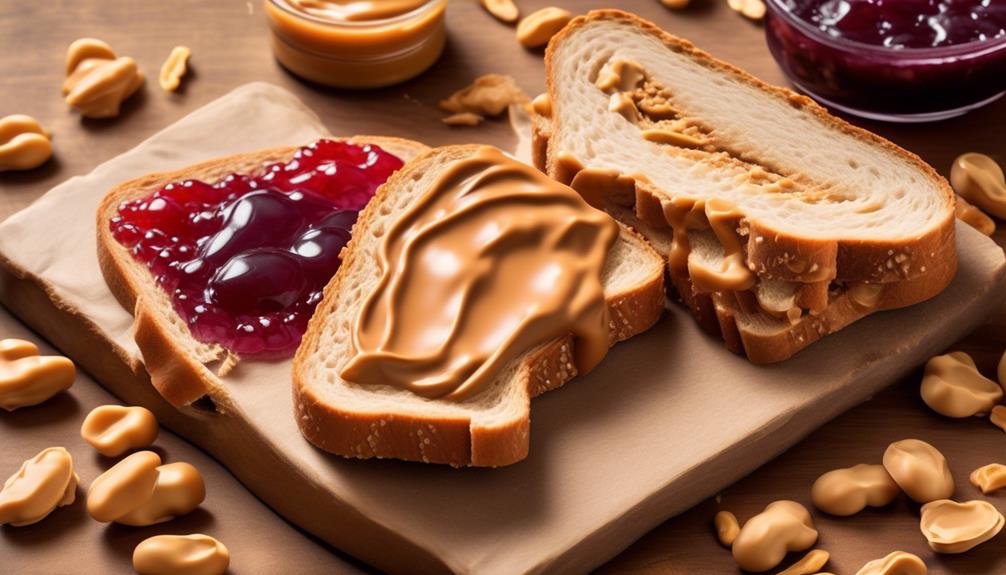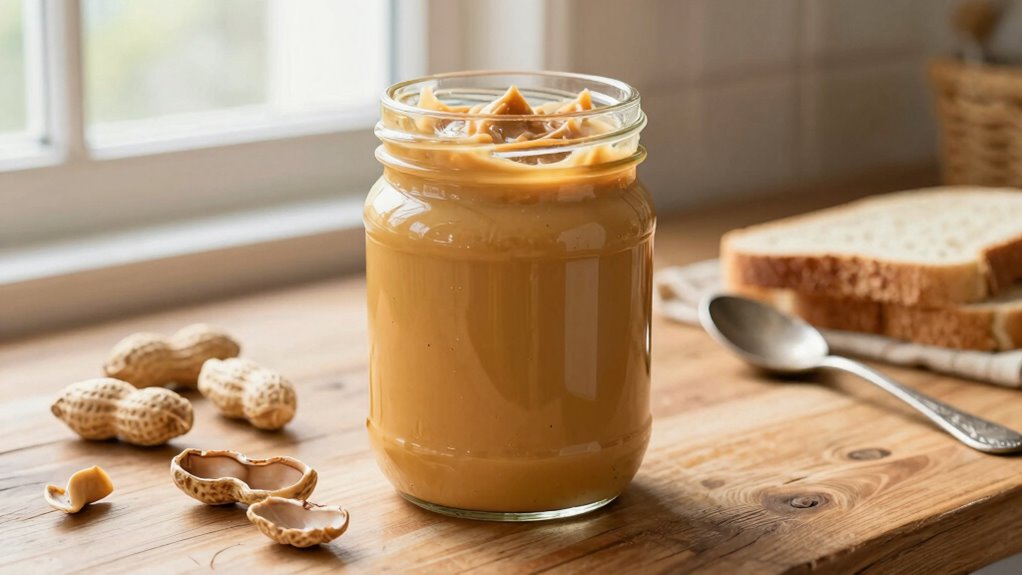

You became familiar with peanut butter thanks to advances in agriculture, food preservation, and mass production that made it affordable, safe, and easy to store. As farming methods improved, harvests increased, and food technology guaranteed quality and safety. Manufacturers saw its potential, creating smoother spreads and marketing health benefits. These innovations made peanut butter a common, convenient protein source in many households. To discover how all these factors came together to make it a pantry staple, keep exploring further.
Key Takeaways
- Agricultural innovations and increased peanut cultivation made the crop widely available and affordable.
- Food preservation and processing advances improved peanut butter’s texture, flavor, and shelf life.
- Mass production techniques lowered costs and made peanut butter accessible to a broad consumer base.
- Marketing highlighted its nutritional benefits and convenience, boosting household popularity.
- Its durability, safety standards, and cultural acceptance established peanut butter as a pantry staple.
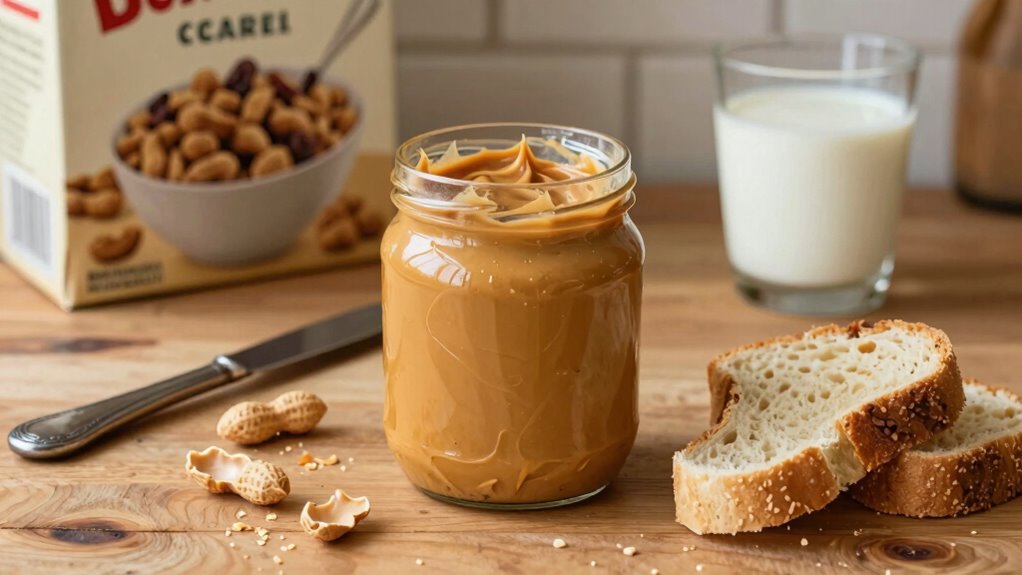
Have you ever wondered how peanut butter became a staple in pantries around the world? It’s a story rooted in both agricultural development and a desire for practical food preservation. Long before it reached your breakfast table, peanut butter’s history involved efforts to preserve peanuts and improve farming techniques that made its production efficient and widespread. This agricultural development laid the foundation for the mass production of peanut butter, making it accessible to the masses and transforming it into a household staple.
Peanut butter’s rise as a pantry staple stems from agricultural innovation and food preservation efforts in the early 20th century.
During this period, the focus on agricultural development wasn’t just about increasing crop yields; it also involved refining methods to improve the quality and shelf life of peanuts. Farmers adopted new techniques, leading to healthier plants and larger harvests. As peanut cultivation expanded, food manufacturers saw an opportunity to turn this versatile legume into a processed product that could be stored easily and distributed widely. The desire for efficient, long-lasting foods aligned with the broader movement of food preservation—preserving food to combat shortages, wartime needs, and economic instability. Additionally, innovations in food processing technology helped improve the texture and flavor of peanut butter, making it even more appealing to consumers. Advances in food technology also facilitated mass production, ensuring consistency and quality in every jar. These technological advancements also contributed to the development of safety standards that made peanut butter safer for everyday consumption. Peanut butter fit neatly into this framework because it was nutritious, portable, and had a relatively long shelf life.
The push for commercial production also coincided with advancements in food processing technology, making peanut butter smoother and more appealing. As companies refined their methods, the product became more consistent, further cementing its place in American households and beyond. This era also saw marketing campaigns that emphasized the health benefits of peanuts and peanut butter, appealing to busy families seeking affordable, convenient protein sources. Over time, peanut butter’s affordability and nutritional value helped it become a pantry essential, especially during periods when food preservation and agricultural development efforts were focused on maximizing food security. Additionally, the increasing demand for processed foods contributed to the widespread popularity of peanut butter as a reliable staple.
Today, peanut butter’s status as a pantry staple continues to be supported by its historical roots in agricultural progress and food preservation strategies. Its journey from a simple legume to a beloved spread reflects innovations that made food more accessible and durable. You can thank this blend of agricultural development and historical preservation efforts for the fact that, whenever you reach for a jar, you’re enjoying a product born out of a long history of innovation and progress.

SKIPPY Natural Peanut Butter Creamy Spread, 26.5 oz Jar
- Size: 26.5 oz jar of peanut butter
- Ingredients: Four simple ingredients, no preservatives
- Flavor: Sweet and savory peanut flavor
As an affiliate, we earn on qualifying purchases.
As an affiliate, we earn on qualifying purchases.
Frequently Asked Questions
When Was Peanut Butter First Introduced to the U.S. Market?
You’ll find that peanut butter was first introduced to the U.S. market in the late 1800s, around the 1880s. Its peanut butter history begins with early American spreads that gained popularity as nutritious, affordable options. Inventors and companies refined the process, making it more accessible. By the early 20th century, peanut butter became a household staple, loved for its versatility and protein content, solidifying its place in American pantries.
What Are the Main Differences Between Natural and Processed Peanut Butter?
Did you know that natural peanut butter has over 90% peanuts, while processed versions often contain added sugars and oils? The main difference in ingredient comparison is that natural peanut butter offers a pure, nutty flavor profile with minimal additives, whereas processed types tend to be sweeter and more uniform. If you prefer a more authentic taste, natural peanut butter’s richer flavor and simpler ingredients are your best choice.
How Long Does Homemade Peanut Butter Typically Last?
Homemade peanut butter typically lasts about two to three weeks when stored properly. To maximize its shelf life, keep it in an airtight container and refrigerate it to prevent spoilage. Make sure to use clean utensils each time you scoop out a portion, and stir well before storing. Proper storage tips help maintain its freshness, flavor, and texture, ensuring you enjoy your homemade spread for as long as possible.
Are There Any Health Risks Associated With Consuming Peanut Butter?
Peanut butter is like a double-edged sword—you get benefits but risks too. You should watch out for allergy concerns, especially if you or someone in your family has nut allergies. Additionally, some brands add excess sugars, which can impact your health over time. Consuming in moderation and reading labels helps you enjoy peanut butter safely, minimizing health risks while still savoring its creamy goodness.
Which Countries Are the Largest Producers of Peanuts Worldwide?
You’ll find China, India, Nigeria, and the United States leading global cultivation of peanuts, making them the largest producers worldwide. These countries excel in peanut farming due to favorable climates and extensive agricultural practices. China and India dominate in total output, while Nigeria and the U.S. contribute considerably to global cultivation. If you’re curious about peanut supply chains, understanding these regions helps explain why peanuts are so accessible worldwide.
Conclusion
So, next time you spread peanut butter on your toast, remember it’s more than just a tasty snack—it’s a symbol of innovation and versatility that transformed pantries worldwide. Its journey from humble legume to beloved staple is a story of ingenuity and adaptation. Like a good friend, peanut butter’s presence is comforting, reliable, and always there when you need it most. Truly, it’s a pantry hero whose story is far from over.