
If you notice your espresso machine is brewing slower, the water flow weakens, or your shots taste off, it’s a sign mineral buildup from hard water. Other warning signs include unusual noises, decreased crema, or inconsistent extraction. Ignoring these clues can cause damage and reduce coffee quality. Regular descaling and water maintenance help prevent costly repairs. Keep an eye on these signs, and if you want to learn more about proper care, there’s more to explore.
Key Takeaways
- Slow water flow and weaker espresso shots indicate mineral buildup needing descaling.
- Unusual noises like squealing or rattling signal internal deposits affecting machine parts.
- Changes in flavor or reduced crema quality suggest deposits are disrupting extraction.
- Persistent clogging or brewing difficulties point to significant scale accumulation.
- Regular maintenance and early detection of these signs prevent costly repairs and preserve coffee quality.

Descaler (2 Pack, 2 Uses Per Bottle) – Made in the USA – Universal Descaling Solution for Keurig, Nespresso, Delonghi and All Single Use Coffee and Espresso Machines
2-Pack Coffee Descaler and Cleaner – Clean and rinse away residue and oil buildup in your coffee maker…
As an affiliate, we earn on qualifying purchases.
As an affiliate, we earn on qualifying purchases.
Why Water Minerals Cause Buildup in Your Espresso Machine
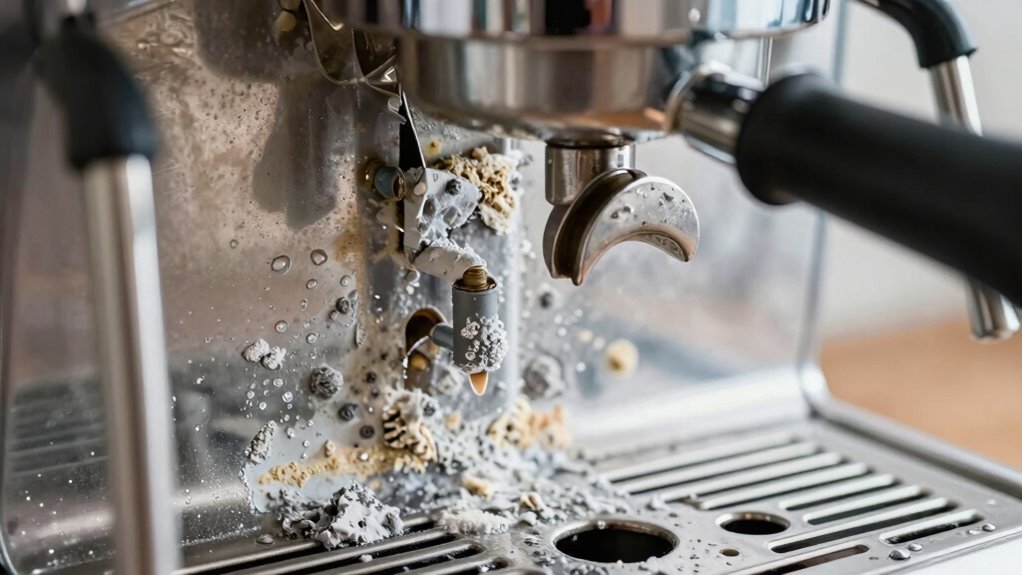
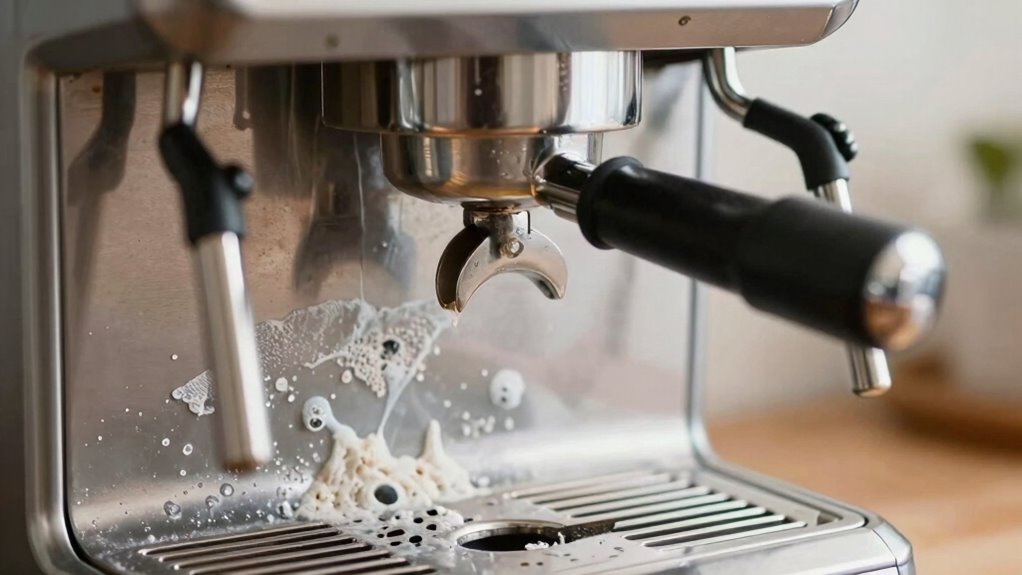
If your tap water contains high levels of minerals, these minerals can settle and accumulate inside your espresso machine over time. This process is linked to water hardness, which measures the mineral content, mainly calcium and magnesium. When water with high mineral levels is heated during brewing, minerals tend to precipitate out and form deposits. These deposits lead to mineral accumulation on heating elements, water channels, and internal surfaces. Over time, this buildup can hinder water flow, reduce heating efficiency, and cause clogs. The harder the water, the faster these mineral deposits form. Regularly using hard water without descaling accelerates wear and tear on your espresso machine, making it essential to understand how water hardness influences mineral accumulation. Additionally, understanding the water softening process can help prevent excessive buildup and prolong your machine’s lifespan. Proper maintenance and descaling procedures are crucial for keeping mineral deposits in check and ensuring optimal performance. Implementing water filtration systems can also significantly reduce mineral content and extend the intervals between descaling. Maintaining appropriate water quality is vital for preventing mineral deposits and ensuring your espresso machine operates efficiently for years to come. To further protect your investment, being aware of machine lifespan factors related to mineral buildup can help you schedule timely maintenance and avoid costly repairs.
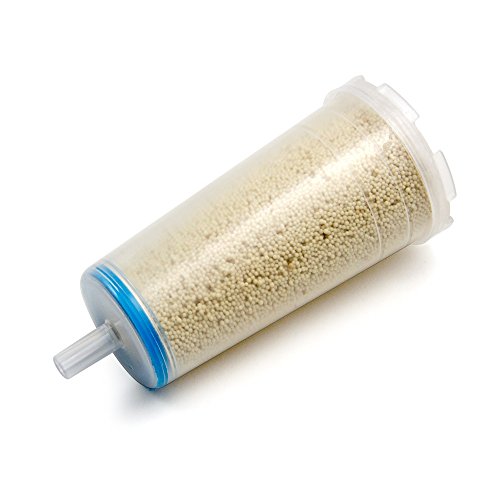
Espresso Machine Water Softener Filter for Ascaso, Isomac, Quickmill, Expobar, Lelit, VBM, and Many More!
Easy installation in seconds!
As an affiliate, we earn on qualifying purchases.
As an affiliate, we earn on qualifying purchases.
How to Recognize When Your Espresso Machine Needs Descaling
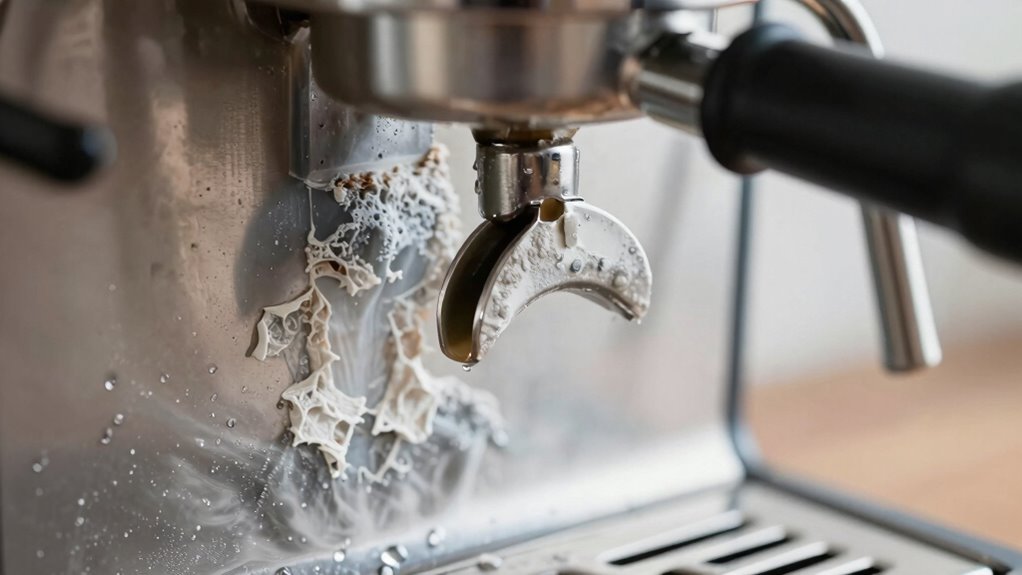
You’ll notice your espresso machine isn’t performing as well when water flow slows down or makes strange noises. Taste changes in your brew can also signal mineral buildup inside. Keep an eye and ear out for these signs to know when it’s time to descale. Additionally, a holistic approach to maintenance can help preserve the overall performance and longevity of your machine. Regularly checking for descaling signs can prevent more serious issues and ensure your espresso remains rich and flavorful. Incorporating home maintenance practices such as inspecting water quality and cleaning components can further support your machine’s health and consistent operation. Being aware of essential oil indications can also be beneficial in maintaining the optimal functioning of your equipment. Understanding scale formation and how it impacts performance can empower you to take timely action and extend the lifespan of your espresso machine.
Water Flow Slowdowns
Have you noticed that your espresso shots are taking longer to brew or seem weaker than usual? This slowdown often signals mineral deposits building up inside your machine. Over time, mineral deposits from hard water can accumulate in the water flow pathways, restricting flow and reducing efficiency. As these deposits grow thicker, water struggles to pass through at the normal rate, causing slower extraction times and weaker flavor. You might also see inconsistent water pressure or difficulty in achieving the right shot volume. Recognizing these signs early helps prevent more serious issues. If your machine’s water flow feels sluggish or your shots aren’t coming out as they should, it’s a clear indicator that descaling is needed to remove mineral deposits and restore ideal performance. Additionally, understanding the role of Free Floating in maintaining your espresso machine can help you implement more effective descaling routines.
Unusual Machine Noises
Unusual noises from your espresso machine can be a clear sign that descaling is overdue. If you notice strange machine noise or odd operational sounds during brewing or steaming, it’s a warning sign. These noises often indicate mineral buildup inside the machine’s internal components, causing parts to work harder or vibrate unnaturally. You might hear grinding, squealing, or rattling sounds that weren’t there before. Such noises can disrupt smooth operation and lead to more significant issues if ignored. Regularly paying attention to these unusual sounds helps you catch descaling needs early. Addressing mineral deposits through proper cleaning guarantees your machine runs quietly and efficiently, preventing damage and maintaining the quality of your espresso.
Changes In Brew Taste
When your espresso begins to taste off—such as becoming more bitter, sour, or weak—it’s a strong indicator that your machine needs descaling. You’ll notice changes in brew strength, with the espresso feeling less rich and more diluted. The crema quality also declines, appearing thinner, less frothy, or patchy. These flavor shifts happen because mineral buildup hampers water flow and heat transfer, affecting extraction. If your shots no longer have the smooth, balanced taste they once did, it’s time to contemplate descaling. Ignoring these taste changes can lead to more significant issues, like clogged filters or inconsistent brewing. Regular descaling restores proper flow, improves brew strength, and brings back that fresh, velvety crema you expect from a well-maintained machine. Additionally, descaling frequency can vary depending on water hardness and usage, so staying attentive to these signs helps maintain optimal performance.

ACTIVE Espresso Machine Cleaning Tablets Descaling – 120 Tabs | Compatible with Breville Barista Express, Gaggia, Delonghi, Jura, Philips | Expresso Maker Backflush Oil Remover Solution Clean Tablet
Best Values Cleaning Tabs: 120 Count of Espresso Maker Tablets, Compare to smaller pack, sachet, packets, liquid solution,…
As an affiliate, we earn on qualifying purchases.
As an affiliate, we earn on qualifying purchases.
What Causes Scale Deposits in Home Espresso Machines
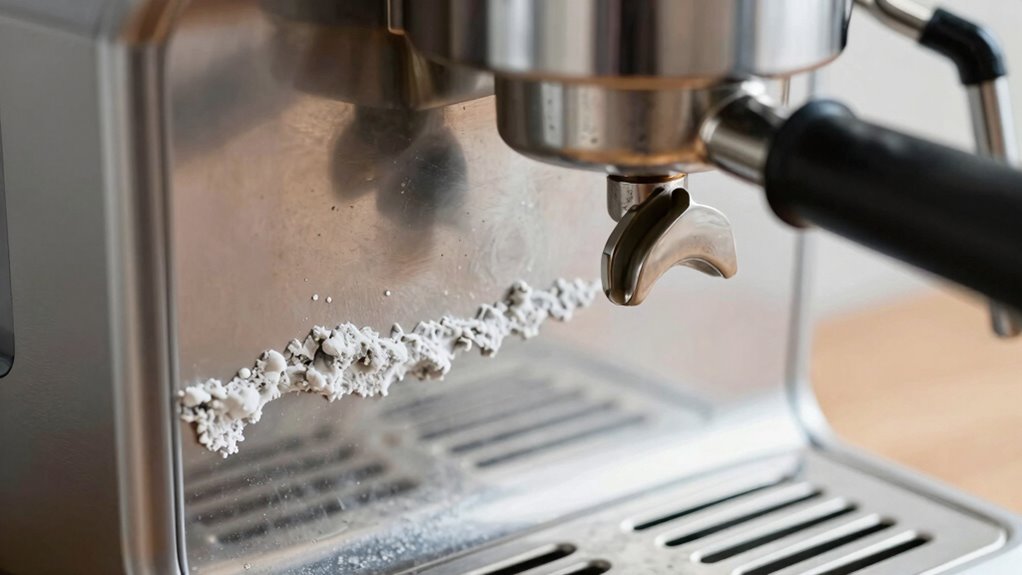
Scale deposits in home espresso machines primarily form when minerals in your water, such as calcium and magnesium, come into contact with the heating element and other metal parts. This causes water mineral buildup, which leads to hard, stubborn deposits. Over time, these deposits can cause appliance corrosion, damaging vital components and reducing lifespan. To understand why this happens, keep in mind:
Minerals like calcium and magnesium cause mineral buildup, leading to corrosion and reduced machine lifespan.
- Hard water contains high mineral content, increasing the risk of scale buildup.
- Frequent heating accelerates mineral crystallization on metal surfaces.
- Lack of regular descaling allows mineral deposits to accumulate and harden.
- Proper maintenance, including regular descaling, can prevent scale formation and prolong your machine’s life.
- Using water softeners or filtered water can significantly reduce mineral content and help prevent buildup.
- Regularly inspecting your machine for early signs of scale deposits can help address issues before they become severe.
- Employing descaling solutions as recommended by the manufacturer can further ensure thorough cleaning and prevent future buildup.
- Choosing the right descaling methods can optimize the effectiveness of your maintenance routine and extend your espresso machine’s lifespan.
These factors contribute to the formation of scale deposits, making descaling essential for maintaining your machine’s performance and longevity.

OptiPure EspressoMate EM4 Water Softener System for Espresso Machines, Improves Taste and Removes Impurities, 5-Piece Set
Commercial Foodservice Equipment
As an affiliate, we earn on qualifying purchases.
As an affiliate, we earn on qualifying purchases.
How Mineral Buildup Affects Your Coffee and Machine Performance
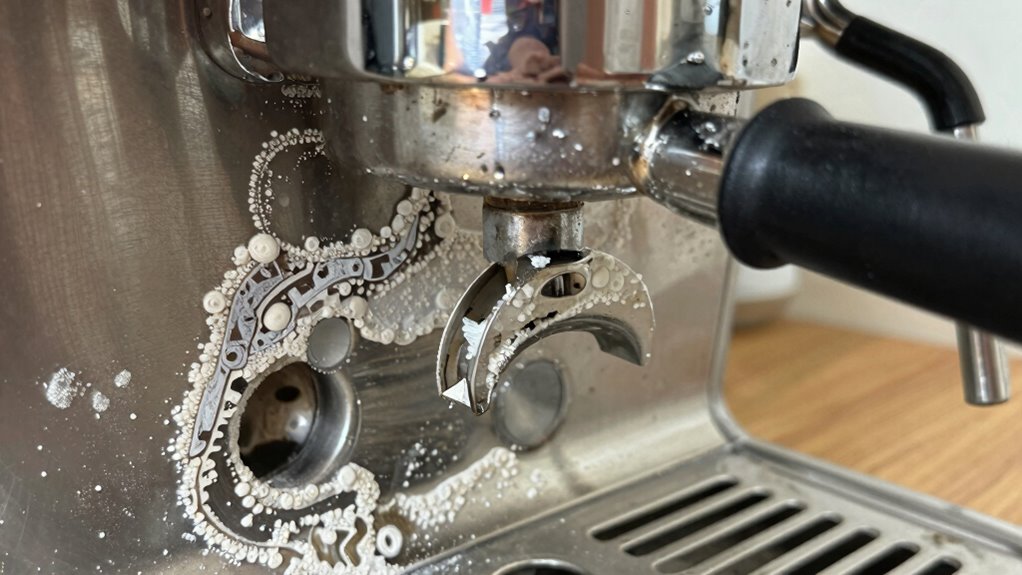
Mineral buildup from hard water doesn’t just threaten your espresso machine’s health—it also directly impacts the quality of your coffee. Calcium deposits and mineral accumulation clog your machine’s internal components, leading to uneven water flow and inconsistent extraction. As mineral deposits form, they create barriers that prevent water from reaching the coffee grounds evenly, resulting in weaker, less flavorful shots. The buildup can also cause your machine to work harder, increasing energy consumption and wear. Over time, these deposits can alter water temperature and pressure, compromising the extraction process, which can significantly affect system efficiency. This can lead to system inefficiency and increased maintenance needs. Regular descaling removes calcium deposits and reduces mineral accumulation, ensuring your machine runs smoothly and your coffee retains its rich, balanced flavor. Additionally, understanding the importance of water quality can help you prevent excessive mineral buildup and extend the lifespan of your espresso machine. Incorporating vetted descaling solutions can further optimize your maintenance routine and protect your investment.
Risks of Ignoring Signs That Your Machine Needs Descaling
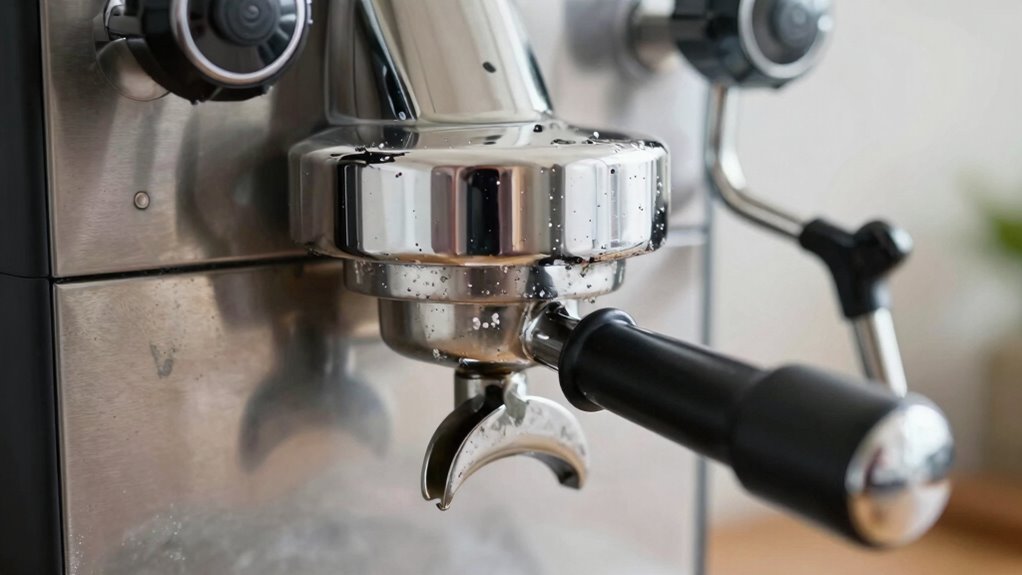
Ignoring the signs that your espresso machine needs descaling can lead to serious problems. Without timely scale prevention, mineral buildup worsens, causing clogs and reducing efficiency. This can result in inconsistent coffee quality and increased energy consumption. Additionally, ignoring these signs can damage internal components, leading to costly repairs or replacements. Regular mineral analysis helps identify early buildup, but neglecting it accelerates damage.
Neglecting descaling signs causes damage, efficiency loss, and costly repairs. Regular mineral analysis prevents costly internal damage.
Be aware of:
- Reduced water flow and longer brewing times
- Changes in coffee flavor or temperature
- Visible white or chalky deposits inside the machine
How to Descale Your Espresso Machine: A Step-by-Step Guide
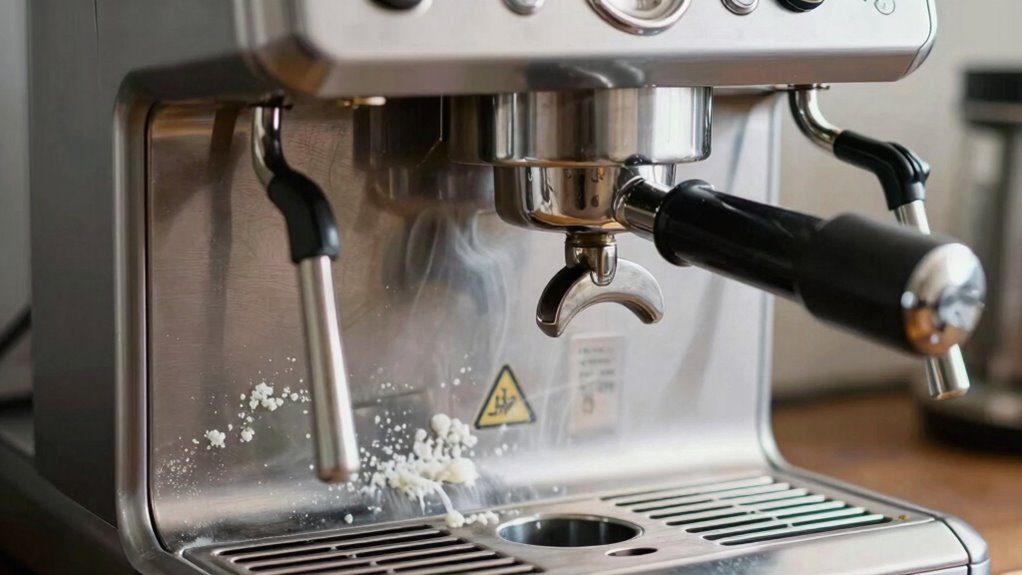
Ready to restore your espresso machine’s performance? Start by checking your water hardness level. Hard water accelerates scale formation, so understanding your water type helps determine how often to descale. Begin by unplugging your machine and removing any water from the reservoir. Mix a descaling solution or white vinegar with water, following the manufacturer’s instructions. Pour the solution into the water tank. Turn on the machine and run a brewing cycle without coffee grounds, allowing the solution to flow through the system. Afterward, let it sit for 15-20 minutes to break down mineral deposits. Then, run several cycles with plain water to rinse out any remaining descaler. Regular descaling prevents scale buildup and keeps your espresso tasting great. Using the right filtration can also help reduce mineral buildup and prolong the need for descaling. Additionally, maintaining proper water quality is essential for preventing scale, ensuring your machine continues to operate at peak performance. Incorporating home maintenance practices such as regular cleaning and descaling routines can further extend the lifespan of your espresso machine and improve your coffee quality.
Best Descaling Products and DIY Solutions for Home Use
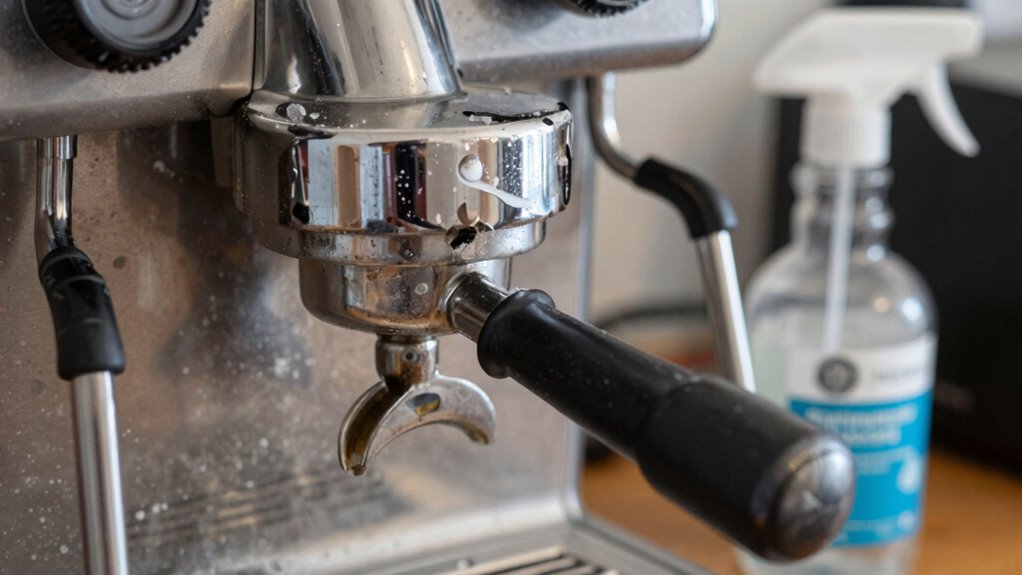
Choosing the right descaling products and DIY solutions can make a big difference in maintaining your espresso machine. You’ll want effective options that are safe and easy to use at home. Let’s explore the top products, proven DIY methods, and essential safety tips to keep your machine in top shape.
Top Descaling Products
When it comes to maintaining your espresso machine, using the right descaling products can make a significant difference in ensuring peak performance and taste. The best products effectively remove mineral buildup without harming your machine, preserving the coffee flavor and extending its longevity. Look for formulas that are compatible with your machine type and environmentally friendly. Popular options include:
- Commercial descaling liquids designed for espresso machines
- Citric acid solutions for DIY descaling
- Vinegar-based solutions, used carefully to prevent damage
These products help prevent clogs and corrosion, ensuring your machine runs smoothly over time. By choosing the right descaler, you protect your investment and enjoy consistently rich coffee flavor with every shot. Proper maintenance ultimately prolongs your machine’s lifespan and optimizes its performance.
Effective DIY Methods
While commercial descaling products work well, many homeowners prefer cost-effective and straightforward DIY solutions to keep their espresso machines in top shape. A common method involves using vinegar or citric acid diluted with water. These options effectively remove mineral buildup without costly additives. For best results, choose high-quality coffee bean selection, which reduces mineral deposits from the start. Remember to follow machine storage tips—such as keeping it dry and clean—to prevent future scaling. Here’s a quick comparison:
| Solution | Pros | Cons |
|---|---|---|
| White Vinegar | Cheap, readily available | Strong smell, may affect taste |
| Citric Acid | Natural, effective | Slightly more effort |
| Lemon Juice | Natural, pleasant scent | Less potent |
These DIY methods are simple, eco-friendly, and keep your machine running smoothly.
Safety Tips for Use
To guarantee safe and effective descaling, it’s important to select the right products and follow proper procedures. Always use descaling solutions specifically designed for coffee brewing equipment to avoid damaging your machine. When using DIY solutions like vinegar, dilute properly and rinse thoroughly to prevent residue buildup. Remember, machine safety is vital during descaling; improper handling can cause leaks or malfunctions.
To stay safe, keep these tips in mind:
- Never mix multiple descaling agents, as harmful fumes or reactions may occur.
- Always unplug your espresso machine before starting the process.
- Rinse thoroughly after descaling to prevent flavor contamination and ensure machine safety.
Following these precautions helps maintain your machine’s performance and keeps your coffee brewing safe and delicious.
How Often Should You Descale Your Espresso Machine?
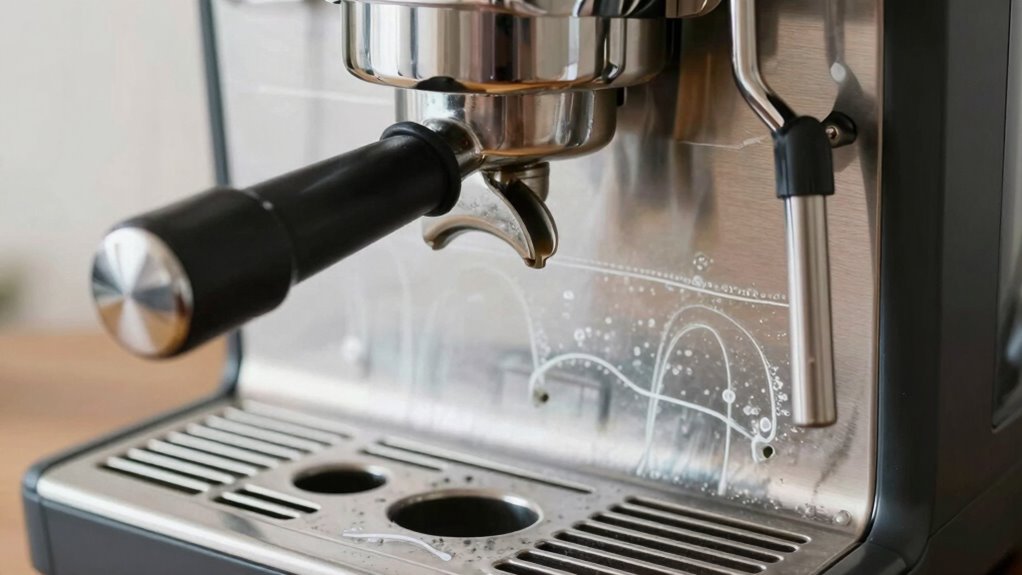
Most espresso machines should be descaled every 1 to 3 months, depending on how often you use them and the water mineralization. If you use hard water, you’ll need to descale more frequently, as mineral buildup accelerates. Regular descaling prevents clogs and maintains peak performance.
| Water Mineralization | Recommended Descaling Frequency |
|---|---|
| Soft water | Every 2-3 months |
| Moderate mineralization | Every 1-2 months |
| Hard water | Monthly or every 4 weeks |
| Very hard water | Every 2-3 weeks |
Adjust your schedule based on these factors to keep your machine running smoothly and extend its lifespan.
Tips to Prevent Mineral Buildup and Keep Your Machine Running Smoothly

To keep your espresso machine running smoothly, start by using filtered water to reduce mineral deposits. Establish a regular cleaning schedule to prevent buildup and maintain ideal performance. These simple steps can extend your machine’s lifespan and ensure great-tasting coffee every time.
Use Filtered Water
Have you noticed how mineral deposits can quickly build up inside your espresso machine? Using filtered water can markedly reduce mineral buildup, keeping your machine running smoothly. Filtered water contains fewer impurities and minerals that cause scale formation. To maximize this benefit, consider:
- Installing a water filter jug or built-in filtration system
- Regularly replacing filters to maintain water quality
- Avoiding tap water with high mineral content
Regular Cleaning Schedule
Establishing a regular cleaning schedule is essential for preventing mineral buildup and ensuring your espresso machine operates at its best. Consistent cleaning keeps components like the water reservoir and brew head free of residue that can hinder coffee brewing quality. Incorporate water filtration to reduce mineral content in your water, which minimizes scale formation. Regularly descale your machine according to the manufacturer’s instructions, especially if you notice a decline in coffee flavor or longer brewing times. Clean removable parts weekly to remove coffee oils and mineral deposits. Using filtered water consistently lowers mineral accumulation, making your cleaning routine more effective. By sticking to a routine, you’ll extend your machine’s lifespan, improve coffee taste, and avoid costly repairs caused by mineral buildup.
When to Call a Professional for Espresso Machine Maintenance
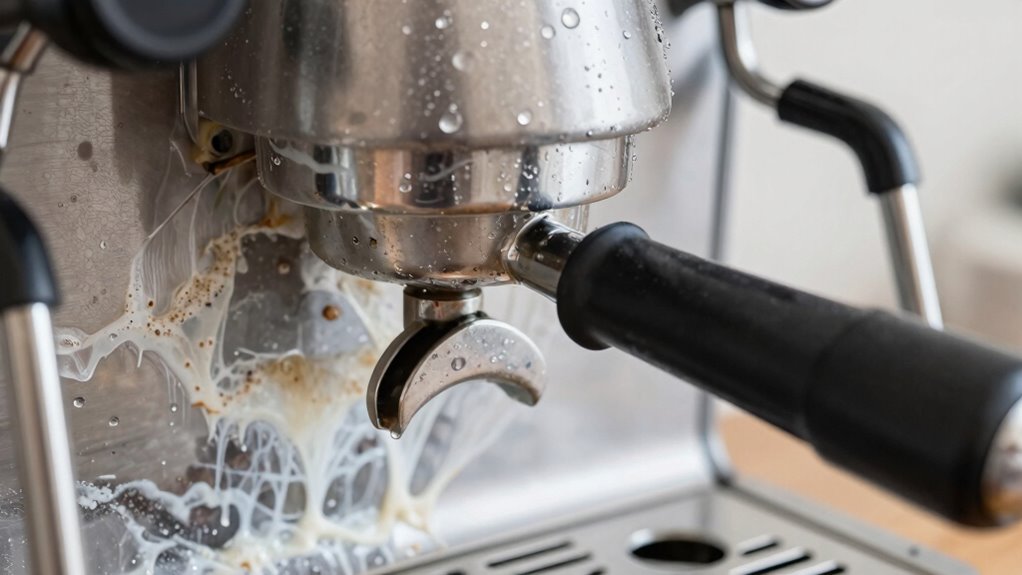
Knowing when to call a professional for espresso machine maintenance can save you time and prevent costly repairs. If you notice persistent issues like inconsistent extraction, strange noises, or a decline in coffee flavor, it’s time to seek expert help. Professional technicians can check for problems beyond regular cleaning, such as grinder calibration and ensuring coffee bean freshness, which directly impact taste and machine performance.
Consider calling a pro if you experience:
- Frequent clogs or difficulty in brewing
- Unusual buildup or mineral deposits despite descaling efforts
- Ongoing performance issues despite cleaning and descaling routines
Addressing these signs early can extend your machine’s lifespan and maintain ideal espresso quality. Don’t ignore subtle changes—they often signal underlying problems best handled by a professional.
Frequently Asked Questions
Can Mineral Buildup Affect the Taste of My Espresso?
Yes, mineral buildup can definitely affect the taste of your espresso. When water quality is poor, minerals accumulate in your machine, leading to taste deterioration. This buildup can cause your espresso to taste bitter or metallic, ruining the rich flavor you want. To keep your coffee tasting fresh, regular descaling is essential. It removes mineral deposits and maintains ideal water flow, ensuring your espresso remains flavorful and satisfying.
Is Descaling Necessary for Commercial Espresso Machines?
Imagine your commercial espresso machine working flawlessly, every shot rich and flavorful. Yes, descaling is necessary for commercial machines. Regular maintenance routines prevent mineral buildup that can clog components and spoil water quality. If you ignore descaling, you risk reduced efficiency, uneven extraction, and costly repairs. Keep your machine in top condition by following maintenance routines and using water with the right mineral balance to guarantee every espresso tastes perfect.
What Are the Signs of Internal Damage From Scale Deposits?
You’ll notice internal damage from scale deposits through signs like scale corrosion and internal blockages. These issues can cause irregular water flow, reduced pressure, and inconsistent espresso quality. You might also hear strange noises or see leaks, indicating buildup. If you ignore these signs, the damage worsens, leading to costly repairs or replacement. Regular descaling prevents this damage, ensuring your machine stays in top shape and functions properly.
How Long Does a Typical Descaling Process Take?
A typical descaling process usually takes about 20 to 30 minutes, depending on your machine and water quality. While it might seem quick, neglecting regular descaling can cause costly repairs. Don’t wait for signs of damage; instead, stick to your recommended descaling frequency. This routine keeps your machine running smoothly, ensuring your coffee tastes perfect and preventing those frustrating, time-consuming repairs that come from ignored scale buildup.
Are There Eco-Friendly Descaling Options Available?
Yes, eco-friendly descaling options are available. You can use biodegradable solutions or natural descalers that are safe for your machine and the environment. These products often contain ingredients like citric acid or vinegar, which effectively remove scale without harmful chemicals. Not only do they help protect your espresso machine, but they also reduce your ecological footprint. Always follow the manufacturer’s instructions for safe and effective descaling with these natural alternatives.
Conclusion
Don’t wait until your espresso machine throws a fit—regular descaling keeps it running smoothly and your coffee tasting great. Recognizing the warning signs early is key, so stay vigilant and take action before problems worsen. Remember, an ounce of prevention is worth a pound of cure. Keep up with maintenance, use the right products, and your machine will serve you well for years to come. Stay ahead of the game, and enjoy perfect brews every time.