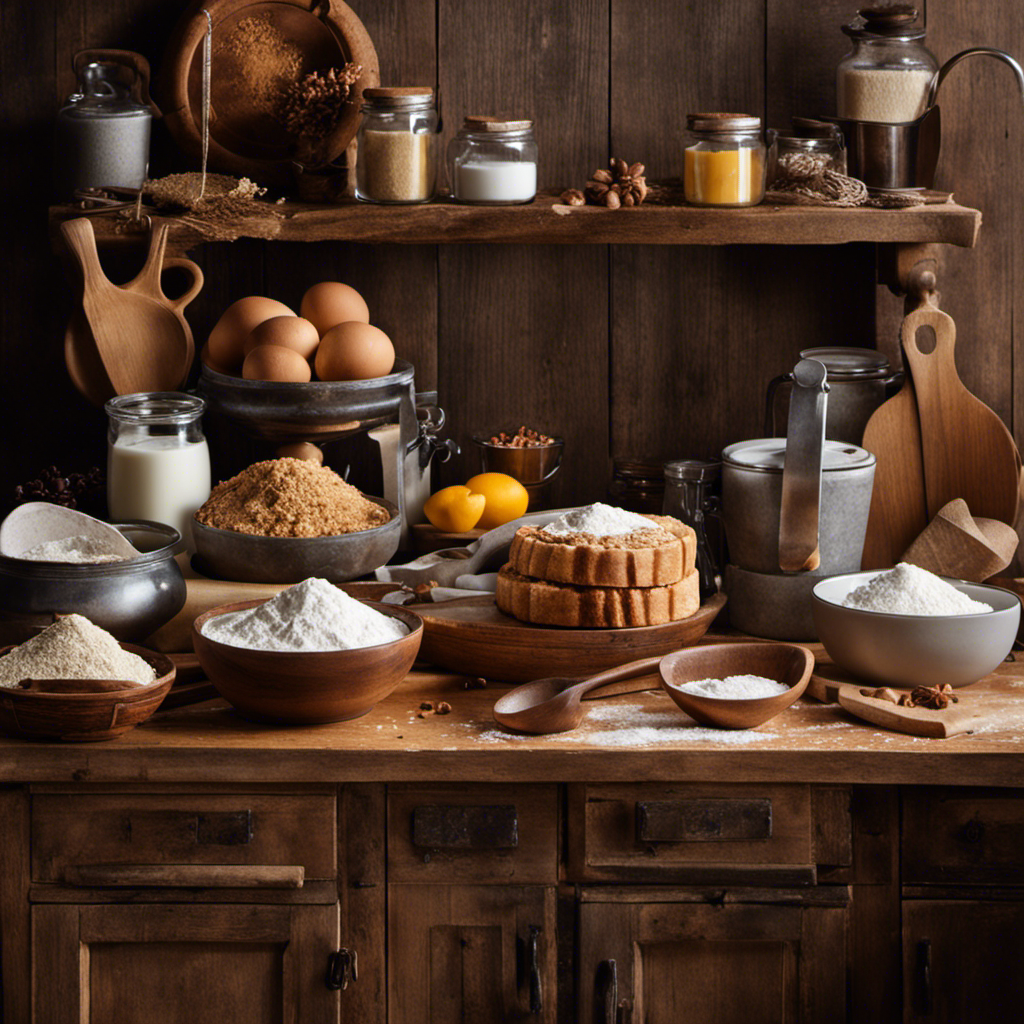
Brown butter brings a rich, nutty flavor to your baked goods, elevating cookies, cakes, and muffins with its warm aroma and delightful taste. It also adds moisture, keeping your treats chewy and fluffy for days. By simply substituting regular butter with brown butter in equal amounts, you’ll enhance the overall texture and flavor without altering the recipe’s structure. The difference is remarkable, and you’ll discover even more benefits and tips ahead!

Get kitchen staples and gadgets delivered free with Prime
- Fast, free delivery on millions of items
- Prime Video, Amazon Music and more included
- Member-only deals all year
Key Takeaways
- Brown butter adds a rich, nutty flavor to baked goods, enhancing their overall taste profile significantly.
- The Maillard reaction during browning caramelizes milk solids, creating a warm, toasty aroma that elevates desserts.
- It contributes extra moisture, helping baked items stay fresh and chewy longer, improving texture and mouthfeel.
- Brown butter can extend the shelf life of cookies, cakes, and muffins when stored in airtight containers.
- It can be used in equal amounts to replace regular butter, enhancing recipes without complicating measurements.

Have you ever wondered how a simple twist can elevate your baked goods? Using brown butter instead of regular butter can transform your cookies, cakes, and muffins into something truly special. The nutty, rich flavor of brown butter adds depth and complexity, making every bite a delightful experience. Plus, it brings an extra level of moisture that enhances the texture of your treats.
Elevate your baked goods with brown butter for a nutty flavor and extra moisture that transforms every bite.
When you brown butter, you’re not just melting it; you’re developing flavor through the Maillard reaction, which occurs as the milk solids caramelize. This process creates a warm, toasty aroma that signals deliciousness is coming your way. Imagine biting into a chocolate chip cookie that’s not only soft and chewy but also bursting with a subtle, nutty flavor. That’s the magic of brown butter. You’ll find it’s a simple change that yields extraordinary results.
Now, if you’re worried about how brown butter impacts shelf life, fear not. Brown butter can actually help your baked goods stay moist longer. The fat content remains the same, but the depth of flavor and moisture retention can keep your cookies chewy and your cakes fluffy for days. However, it’s crucial to store your treats properly. Airtight containers work wonders, preventing them from drying out and maintaining that delightful texture.
If you’re looking for substitution options, don’t hesitate to experiment. You can replace regular butter with brown butter in equal amounts; it’s a straightforward swap and doesn’t require any complicated calculations. If you want to reduce the richness, you might consider using half brown butter and half another fat, like coconut oil or vegetable oil. This mix can add a unique twist while still retaining that nutty flavor profile.
Another common question is whether you can use brown butter in recipes that call for melted butter. Absolutely! Just make sure to let it cool slightly before mixing it into your batter. This ensures you won’t accidentally cook your eggs if they’re added at that stage. Additionally, using brown butter can enhance the overall flavor profile of your baked goods, creating a more complex taste experience that elevates your desserts.
As an affiliate, we earn on qualifying purchases.
Frequently Asked Questions
Can Brown Butter Be Made Ahead of Time and Stored?
Yes, you can definitely make brown butter ahead of time and store it! Just let it cool, then transfer it to an airtight container. For best flavor enhancement, keep it in the fridge for up to a week or freeze it for longer storage. When you’re ready to use it, simply reheat gently until it’s melted. These storage tips will help you enjoy that rich, nutty flavor whenever you need it!
How Does Brown Butter Compare to Regular Butter in Baking?
Brown butter enhances flavor while regular butter maintains moisture. When you use brown butter, you’re adding a rich, nutty depth that transforms your baked goods. It caramelizes sugars, creating complexity that regular butter can’t match. On the other hand, regular butter is excellent for keeping your treats soft and moist. So, when you’re baking, consider the balance: brown butter for depth and flavor, regular butter for that perfect tender texture.
Is There a Non-Dairy Substitute for Brown Butter?
Yes, there are several non-dairy substitutes for brown butter! You can use vegan substitutes like coconut oil or vegan butter, which can mimic the rich flavor and moisture. To get that nutty taste, try browning coconut oil carefully. Dairy-free alternatives like tahini or nut-based spreads can also work well. Just remember to adjust your recipes slightly, as these substitutes might behave differently than traditional brown butter, but they can definitely enhance your baked goods!
Can I Use Brown Butter in Savory Dishes?
Absolutely, you can use brown butter in savory dishes! Its sweet aroma adds a unique depth to your meals, enhancing flavors in everything from sautéed vegetables to pasta sauces. Just melt the butter until it turns golden brown, then drizzle it over your dish or incorporate it into your cooking. You’ll find that it not only enriches the taste but also provides a delightful nuttiness, making your savory creations truly unforgettable!
What Types of Baked Goods Benefit Most From Brown Butter?
You’ll find that cookies, brownies, and cakes benefit most from brown butter. Its nutty aroma enhances the overall experience, while the rich flavor elevates your baked goods to a new level. For instance, chocolate chip cookies become more complex and delicious, and brownies gain a deeper taste. Even simple pound cakes can transform with that warm, toasty essence. Don’t hesitate to experiment; your treats will thank you for it!
Conclusion
Incorporating brown butter into your baking not only enhances flavor but also adds a unique moisture that can elevate your treats. Did you know that using brown butter can increase the perceived richness of your baked goods by up to 30%? This means your cookies, cakes, and pastries can taste even more decadent and satisfying. So, next time you’re in the kitchen, don’t skip the browning step—your taste buds will thank you!
Fall Picks
fall essentials
As an affiliate, we earn on qualifying purchases.