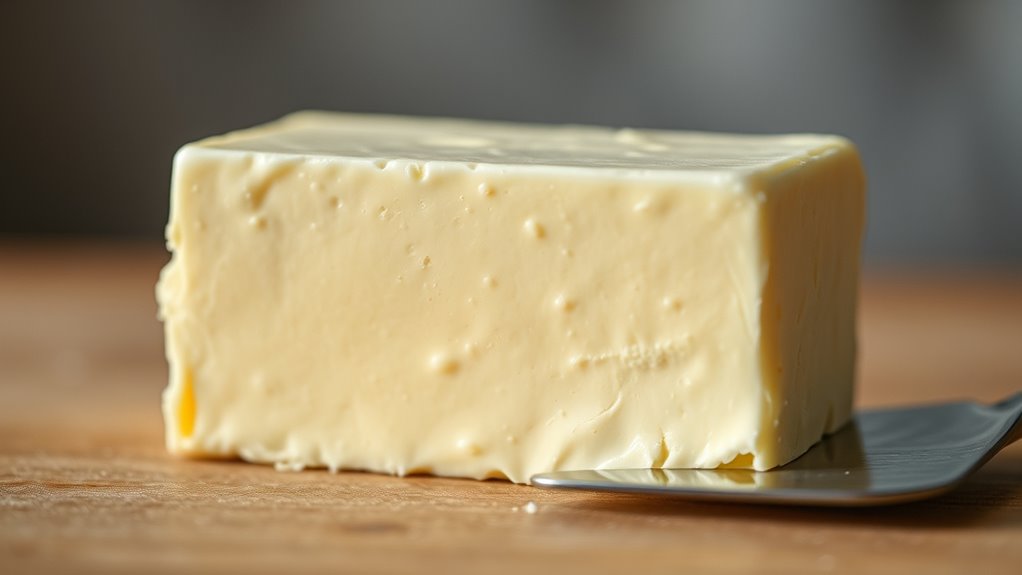

Deaeration and oxidation control are key for keeping your butter fresh and flavorful. By removing air via vacuum sealing, you can prevent rancidity and flavor loss. Adding natural antioxidants like vitamin E can further protect against spoilage. These techniques not only enhance the shelf life of butter but also preserve its rich taste and nutritional value. Want to know more about how to maximize your butter’s freshness? There are additional tips that can make a big difference!

Get kitchen staples and gadgets delivered free — and shop member deals
- Fast, free delivery on millions of items
- Access to Prime Big Deal Days deals on October 6–7
- Prime Video, Amazon Music and more included
Key Takeaways
- Deaeration is crucial in butter to prevent air exposure, which protects quality and extends shelf life.
- Vacuum sealing effectively removes air, preventing oxidation and maintaining butter’s texture and flavor.
- Incorporating natural antioxidants, like vitamin E, helps protect butter from free radical damage and spoilage.
- Combining vacuum sealing with antioxidants provides a robust defense against rancidity and enhances overall butter quality.
- Proper storage techniques and understanding oxidation control are essential for maintaining butter’s flavor and nutritional integrity.
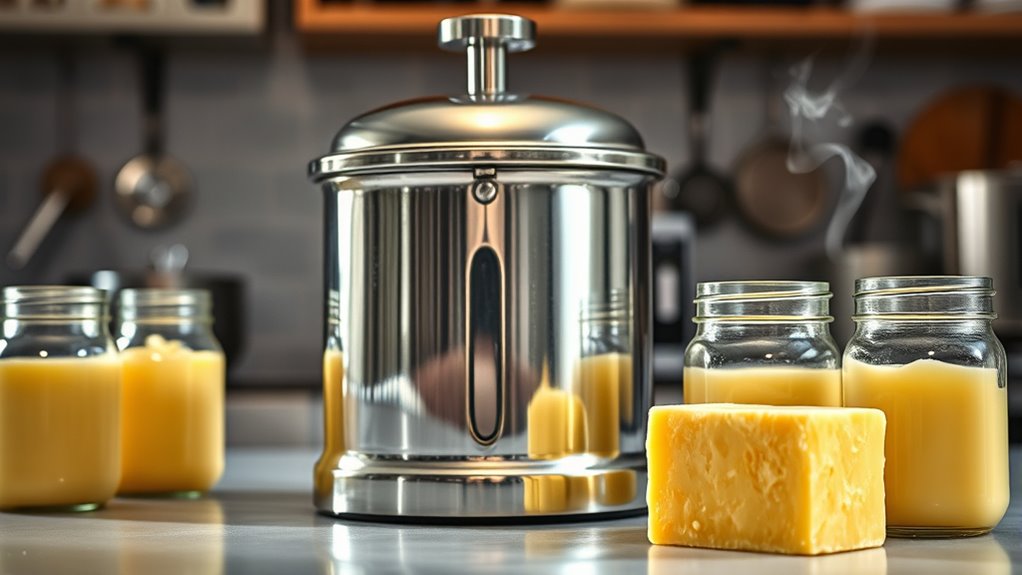
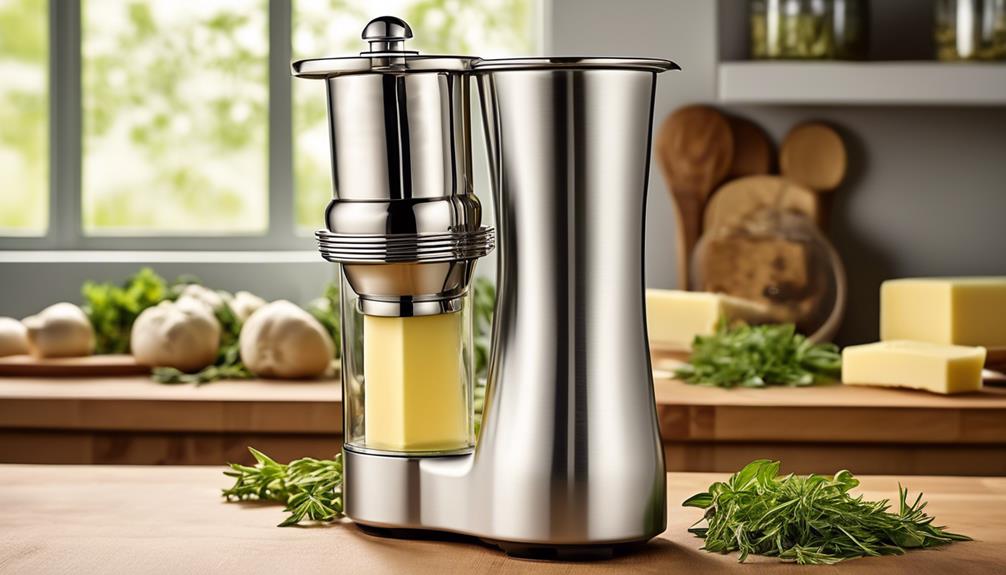
When you think about butter, you might not realize how essential deaeration and oxidation control are to its quality and shelf life. Butter is a delicate dairy product, and exposure to air can lead to oxidation, which deteriorates its flavor and nutritional value. By implementing effective deaeration techniques, you can significantly enhance the longevity and taste of your butter. One common method to achieve this is through vacuum sealing, a process that removes air from the packaging, preventing oxidation from occurring.
Understanding deaeration and oxidation control is key to preserving butter’s flavor and freshness for longer.
Vacuum sealing is more than just a fancy storage option; it actively works to keep your butter fresh. When you seal butter in a vacuum-sealed bag or container, you create an airtight environment. This absence of oxygen minimizes the risk of rancidity, which can develop quickly if butter is left exposed to air. Additionally, vacuum sealing helps maintain the butter’s original texture and flavor, so every time you spread it on your toast, you’re getting that fresh taste you love.
But vacuum sealing alone might not be enough to combat all the oxidative effects that can harm your butter. That’s where antioxidant addition comes into play. Antioxidants are compounds that help protect food from the damaging effects of free radicals, which are often generated through exposure to air. By incorporating natural antioxidants like vitamin E or rosemary extract into your butter, you can further enhance its stability and shelf life. These antioxidants work by neutralizing free radicals, making it less likely for your butter to spoil.
You might think antioxidants are only for health supplements, but they play a vital role in food preservation too. When you add them to your butter, they don’t just enhance its quality; they also give you peace of mind knowing you’re protecting your food against spoilage. The combination of vacuum sealing and antioxidant addition creates a powerful defense against oxidation, ensuring that your butter remains delicious and nutritious for longer. Additionally, regular music sessions can aid in pain management and relaxation, making your cooking experience more enjoyable.
Incorporating these techniques into your butter storage routine isn’t just about extending shelf life; it’s also about enjoying the best quality product possible. By understanding the importance of deaeration and oxidation control, you can take simple steps to enhance your butter experience. So, the next time you reach for that stick of butter, remember the crucial role that vacuum sealing and antioxidant addition play in keeping it fresh and flavorful.
As an affiliate, we earn on qualifying purchases.
Frequently Asked Questions
What Are the Health Benefits of Butter Consumption?
Butter can offer several health benefits when consumed in moderation. It’s rich in vitamins A, D, E, and K, providing essential nutritional benefits for your body. The healthy fats in butter can support heart health by promoting good cholesterol levels. Plus, its fatty acids may help improve metabolism and enhance nutrient absorption. Just be mindful of portion sizes, as too much can counteract its positive effects. Enjoy butter as part of a balanced diet!
How Is Butter Made From Milk?
You take fresh milk and let it sit, allowing the cream separation to occur naturally. Once the cream rises to the top, you skim it off and churn it vigorously. During the churning process, the fat molecules clump together, creating butter while buttermilk separates. After a bit of rinsing and kneading, you’ve transformed liquid cream into rich, delicious butter, perfect for spreading or cooking. Isn’t it amazing how simple ingredients create such a treat?
What Types of Butter Are Available Commercially?
You’ll find several butter varieties available commercially, each boasting unique flavor profiles. There’s unsalted butter, which lets your recipes shine without added salt, and salted butter, perfect for spreading on bread. You might also come across cultured butter, known for its tangy taste, and European-style butter, which has a higher fat content for a richer flavor. Don’t forget about flavored butters, infused with herbs or spices, adding a delightful twist to your dishes!
How Should Butter Be Stored for Freshness?
To keep butter as fresh as a morning breeze, you should store it in its original packaging or wrap it tightly in foil. This protects it from light and air, which can spoil its flavor. Ideal storage conditions include a cool, dark place, like the fridge. If you’ve got extra butter, consider using airtight containers or vacuum-sealed bags to maintain its creamy goodness. Remember, fresh butter’s like a warm hug for your taste buds!
Can Butter Be Frozen Without Losing Quality?
Yes, you can freeze butter without sacrificing quality if you use proper freezing techniques. Start by cutting the butter into smaller blocks, which helps it freeze and thaw evenly. Wrap each piece tightly in plastic wrap or aluminum foil, then place them in an airtight container or freezer bag. This way, you’ll guarantee quality preservation. When you’re ready to use it, simply thaw the amount you need in the fridge for best results.
Conclusion
In the grand symphony of dairy, controlling deaeration and oxidation in butter is like wielding a magic wand that turns ordinary spreads into culinary gold! By minimizing air exposure and keeping those pesky oxidizers at bay, you’re not just preserving flavor—you’re safeguarding your taste buds from an epic disaster! So, embrace these techniques like a superhero of butter, ensuring every bite is a creamy, luscious experience that’ll make your heart sing and your palate dance!
NFL season / tailgating Picks
team gear
As an affiliate, we earn on qualifying purchases.