🔍 Read the full analysis: Zucchine Ripiene: Stuffed Zucchini Before The Season Ends on Mad Tasting

Get kitchen staples and gadgets delivered free with Prime
- Fast, free delivery on millions of items
- Prime Video, Amazon Music and more included
- Member-only deals all year
TL;DR
Mad Tasting is highlighting zucchine ripiene as a practical way to use abundant late-summer zucchini before seasonal supplies decline. The method returns the scooped flesh to the shells with meat, tuna, cheese, grains or vegetables, but moisture control and safe cooking temperatures matter.
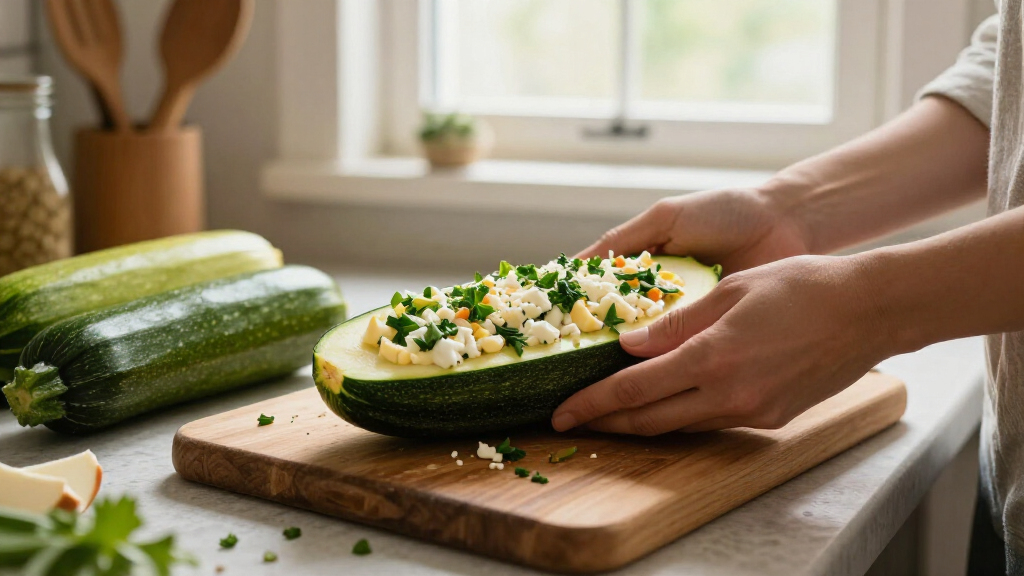
Mad Tasting has highlighted zucchine ripiene, or Italian stuffed zucchini, as a timely way to use abundant late-summer produce before the season ends. The dish turns hollowed zucchini into edible vessels, with the removed flesh cooked and returned as part of a filling, offering home cooks a flexible antipasto, side dish or main course with little vegetable waste.
The method begins with firm, medium zucchini measuring roughly 6 to 8 inches long, according to the Mad Tasting guide. Cooks halve long zucchini lengthwise to make small boats, while round varieties can be topped, hollowed and filled whole. Glossy skin, a body that feels heavy for its size and the absence of soft spots indicate a suitable vegetable. Large garden zucchini can also be used, although mature seeds and spongy centers should be removed.
Moisture control is the central technical issue because zucchini contain about 95 percent water, the guide says. Cooks should leave a shell wall about one-quarter to one-third of an inch thick, salt the hollowed shells and drain them cut-side down for 15 to 20 minutes. The scooped flesh should then be chopped and sautéed with onion and garlic for about six to eight minutes, allowing much of its water to evaporate before it enters the filling.
The filled shells are baked at 400°F, or 200°C, generally for 30 to 40 minutes. The guide recommends a lightly oiled baking dish with a shallow amount of tomato sauce or water, followed by an uncovered final 15 minutes to brown the surface. If raw ground meat is used, the center of the stuffing must reach 165°F, or 74°C; browning the meat before mixing it into the filling offers a simpler route to safe, even cooking.
Zucchine Ripiene: Stuffed Zucchini Before the Season Ends
Zucchine ripiene turn late-summer abundance into edible vessels. Scoop, sauté and return the flesh with a flexible savory filling—then bake until the shells are tender and the tops are deeply browned.
From firm zucchini to browned boats
Choose glossy, medium zucchini that feel heavy for their size. Long varieties become boats; round varieties can be topped, hollowed and filled whole.
Select
Look for firm skin and no soft spots. Remove mature seeds and spongy centers from oversized zucchini.
Hollow
Cut lengthwise and scoop carefully, leaving a sturdy wall about ¼ to ⅓ inch thick.
Drain
Salt the shells and place them cut-side down for 15–20 minutes, then blot away moisture.
Sauté
Chop the flesh and cook it with onion and garlic for 6–8 minutes so excess water evaporates.
Fill & bake
Bake for 30–40 minutes at 400°F. Leave uncovered for the final 15 minutes to brown.
One shell, many possible fillings
The filling sets the dish’s role, richness, allergens and food-safety needs. In every version, returning the cooked zucchini flesh reduces waste and keeps the vegetable central.
Ligurian-inspired
Breadcrumbs, cheese and herbs, sometimes enriched with mortadella.
Piedmontese-inspired
Tuna, capers and breadcrumbs create a savory filling suited to smaller starter portions.
Meat-filled
Brown sausage or ground meat before mixing for simpler, more even cooking and deeper flavor.
Grain & herb
Use cooked rice, farro or another grain with herbs, aromatics and a binding ingredient.
Cheese & vegetable
Combine sautéed vegetables with cheese, herbs and breadcrumbs for structure and browning.
Leftover-led
Stale bread, cooked grains and small amounts of pantry ingredients can become a complete meal.
Moisture and heat are the decisive variables
Visual browning shows surface progress, not internal safety. Texture depends on removing excess water; meat safety depends on measuring the center.
The moisture pathway
Three interventions progressively reduce the risk of watery filling and collapsed shells.
Three final checks
Cooking time varies with size, shell thickness and filling density.
Match the method to the zucchini
Medium vegetables are easiest to manage, but large garden zucchini remain useful when their mature seeds and spongy centers are removed.
| Variable | Best-case choice | Workable alternative | Risk to manage |
|---|---|---|---|
| Size | ✓Firm, medium, 6–8 inches | ~Large garden zucchini | ✗Spongy center and mature seeds |
| Shell | ✓¼–⅓ inch wall | ~Slightly thicker for heavy fillings | ✗Too thin to hold its shape |
| Pan liquid | ✓Shallow sauce or water | ~Lightly oiled dish only | ✗Excess sauce that steams the filling |
| Meat handling | ✓Brown meat before filling | ~Use raw, then verify temperature | ✗Judging safety by browning alone |
| Storage | ✓Cool and refrigerate promptly | ~Store covered for planned leftovers | ✗Extended time at room temperature |
Allergen check: recipes may contain gluten, milk, egg or fish. Zucchine ripiene has no fixed filling, so verify every ingredient.
A repeatable path from harvest to table
The technique links seasonal supply, low-waste preparation and pantry flexibility without requiring one fixed recipe.
A cucina povera tradition
Cucina povera means resourceful cooking: households stretched small amounts of meat, cheese and stale bread with garden produce. The zucchini supplied both vessel and filling, while regional and family preferences shaped everything added around it.
A Flexible Answer to Surplus
Zucchine ripiene matter at this point in the season because the technique can absorb several kitchen leftovers alongside a surplus vegetable. Breadcrumbs, stale bread, cheese, sausage, tuna, grains, herbs and other vegetables can all form part of the stuffing. That flexibility lets cooks adapt the dish to available ingredients, household preferences and the number of people being served.
The method also keeps the zucchini central to the meal. Instead of discarding the interior, cooks return the sautéed zucchini flesh to the stuffing, preserving its flavor and reducing waste. Portion size can change the dish’s role: small tuna-filled boats can be served as an Italian-style starter, while two substantial meat-filled halves accompanied by salad can serve as dinner.
The filling determines the dish’s nutrition, allergens and food-safety needs. Versions containing breadcrumbs may include gluten; cheese can introduce milk allergens; egg-based mixtures contain egg; and tuna versions contain fish. Diners with allergies need ingredient-specific information because zucchine ripiene has no fixed filling. Prepared leftovers should be refrigerated promptly in a covered container rather than left at room temperature for an extended period.
Products Worth Considering

Cuisinart Stainless Steel Bread Maker, 12 Programs, 2 lb Capacity

Cuisinart 6-Quart Basket Air Fryer with Viewing Window, Stainless Steel and Black (AIR-200NAS)

Breville Bambino Espresso Machine, Brushed Stainless Steel
As an affiliate, we earn on qualifying purchases.
A Cucina Povera Tradition
The guide traces stuffed zucchini to cucina povera, or resourceful cooking, in which households stretched small amounts of meat, cheese and stale bread with produce from the garden. The format developed around economy: the zucchini supplied both the outer shell and part of the stuffing, while ingredients already in the kitchen provided substance and seasoning.
Italian versions vary by region, family and season. The source describes Ligurian fillings built around breadcrumbs, cheese and herbs, sometimes with mortadella, while Piedmontese preparations may combine tuna, capers and breadcrumbs. These are regional tendencies rather than formal rules, and household recipes may cross those lines or omit meat and fish altogether.
Season and Timing Still Vary
The source does not provide an exact closing date for zucchini season. Availability varies with location, climate, weather and whether the vegetables come from a home garden, farmers’ market or supermarket. The late-summer timing is clear, but local supply may continue beyond the period described by the guide.
Cooking time also remains approximate. Zucchini size, shell thickness and filling density affect how quickly the vegetables soften and the center heats. Visual browning cannot establish that a raw-meat filling is safe, so cooks should rely on an instant-read thermometer for the 165°F target.
The Remaining Seasonal Window
For cooks planning to make the dish, the next step is to select firm zucchini while seasonal supplies last and choose a filling suited to the vegetable’s size and moisture. Watery, oversized zucchini benefit from mature-seed removal and a drier stuffing mixture, while medium vegetables generally retain their shape more easily.
After baking, the immediate checks are tender shells, browned tops and, where raw ground meat was included, a center temperature of 165°F. Any leftovers should be cooled and refrigerated promptly. The guide presents the preparation as a repeatable seasonal method, leaving households to adjust the filling as harvests and pantry supplies change.
Key Questions
What are zucchine ripiene?
Zucchine ripiene are Italian stuffed zucchini. The vegetables are hollowed, filled with a savory mixture that usually includes the scooped flesh, and baked until tender and browned.
Which zucchini work best for stuffing?
Firm, medium zucchini about 6 to 8 inches long are well suited to the method. They should feel heavy for their size and have glossy skin without soft spots.
How can cooks prevent soggy stuffed zucchini?
Leave a sturdy shell, then salt and drain it for 15 to 20 minutes. Sauté the removed flesh until excess water evaporates, avoid excessive sauce and finish the baking uncovered.
Can zucchine ripiene be made without meat?
Yes. Fillings can use breadcrumbs, cheese, grains, herbs and vegetables. Ingredient labels still matter because common versions may contain gluten, milk or egg allergens.
What temperature should a meat filling reach?
A filling containing raw ground meat must reach 165°F, or 74°C, at its center. The source recommends checking with an instant-read thermometer or browning the meat before assembling the dish.
Source: Mad Tasting