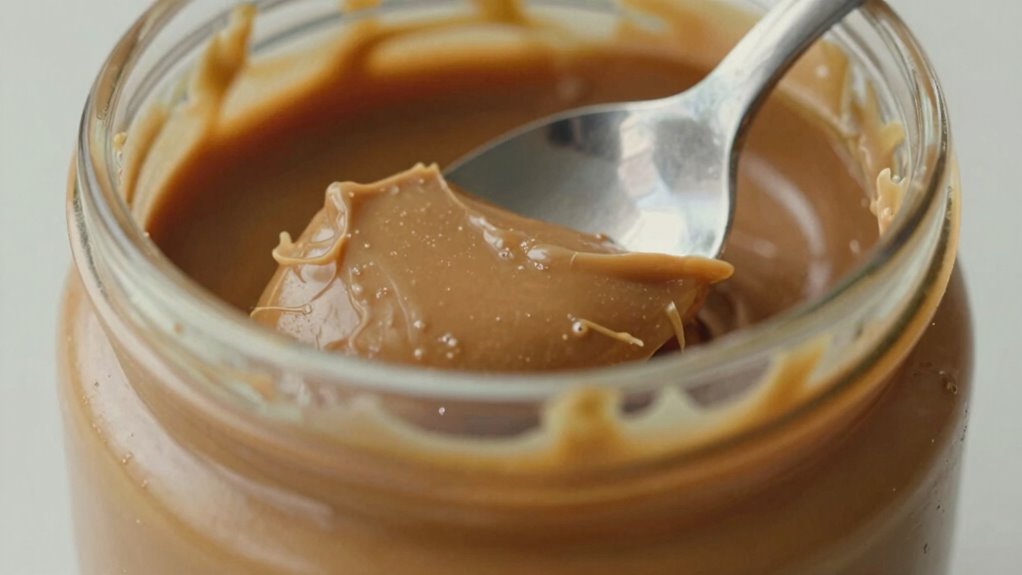

If your peanut butter tastes bitter or flat, poor quality peanuts, improper storage, or overprocessing could be to blame. Old or poorly stored peanuts lose natural oils and flavor, leading to dullness or bitterness. Overprocessing can strip away these oils, reducing the nutty aroma. Additionally, insufficient roasting may result in a flat taste, while rancidity from oxidation causes bitterness. To find out how to fix these issues and improve flavor, there’s more to discover below.

Get kitchen staples and gadgets delivered free with Prime
- Fast, free delivery on millions of items
- Prime Video, Amazon Music and more included
- Member-only deals all year
Key Takeaways
- Natural oils in peanuts can oxidize or separate, causing bitterness or a flat taste if not properly stirred.
- Poor-quality or stale peanuts lose flavor and may develop sour or bitter notes.
- Improper storage leads to rancidity, resulting in bitter flavors and diminished freshness.
- Overprocessing or under-roasting can diminish natural aroma and create dull or flat flavors.
- Lack of proper roasting reduces the nutty aroma, making the peanut butter taste bland or flat.
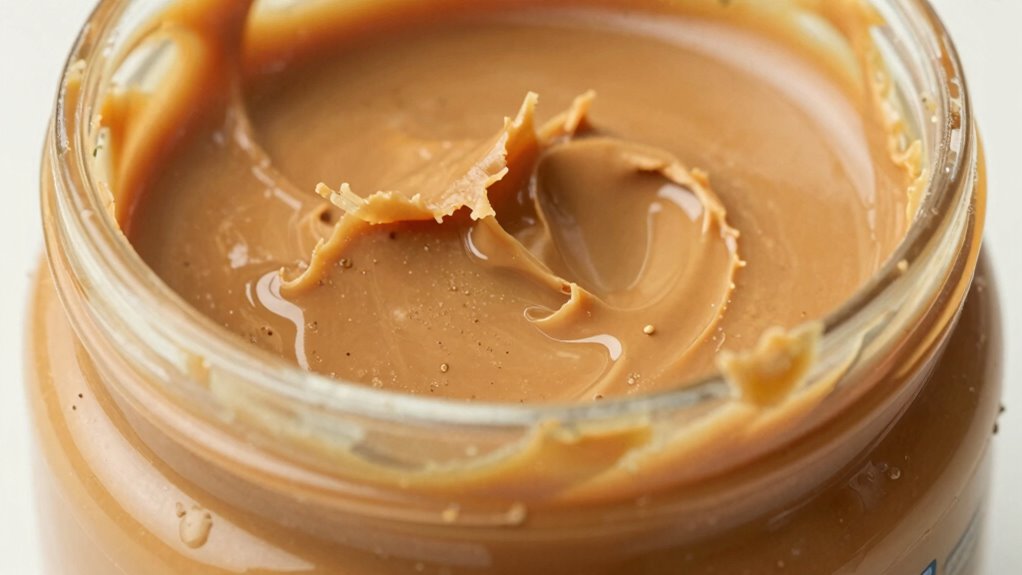
If your peanut butter tastes bitter or flat, you’re not alone, and there are several common reasons behind these flavors. One major factor is the natural flavor of the peanut butter itself. When peanuts are processed, their inherent oils and compounds can produce a taste that some might find less appealing, especially if the natural flavor dominates. This is particularly true if the peanut butter contains little to no added sweeteners or flavor enhancements. Sometimes, the natural oil separation can lead to a slightly bitter or flat taste if not stirred thoroughly or if the oil has gone rancid. Rancidity occurs when the oils oxidize, which can happen if the peanut butter isn’t stored properly or has been on the shelf for too long. This process results in a bitter flavor that masks the natural sweetness or nutty aroma you expect. Proper storage techniques prevent rancidity and maintain freshness.
Ingredient quality plays a critical role in how your peanut butter tastes. Lower-quality ingredients, such as peanuts that are old, poorly stored, or of inferior grade, can produce a flat or bitter flavor. When the peanuts used are not fresh or are of questionable quality, their natural oils and flavors diminish or turn sour, affecting the overall taste. Additionally, some brands might include additives or fillers that don’t enhance flavor and can sometimes contribute to an off-putting or bland taste. If a peanut butter contains preservatives or stabilizers of lesser quality, these can interfere with the natural flavor profile, leaving you with a less satisfying experience. Proper storage techniques can also help maintain the freshness of the product and prevent rancidity.
Another reason your peanut butter might taste flat is due to overprocessing. Excessive grinding or refining can strip away some of the natural oils and flavors, resulting in a dull, muted taste. Conversely, under-processing might leave too much oil on the surface, leading to separation and a less uniform flavor. If your peanut butter is missing that rich, roasted aroma, it could be a sign that the ingredient quality isn’t up to par or that it was processed improperly. Roasting peanuts properly enhances their natural flavor, giving the butter a warm, inviting aroma. Without this step or with subpar roasting, the finished product might taste flat or bitter. Proper roasting techniques help preserve the natural nutty aroma and flavor, making the peanut butter more enjoyable.
natural peanut butter with no added preservatives
As an affiliate, we earn on qualifying purchases.
As an affiliate, we earn on qualifying purchases.
Frequently Asked Questions
Can the Type of Peanuts Affect Peanut Butter’s Flavor?
Yes, the type of peanuts considerably affects peanut butter’s flavor. Different peanut varieties offer unique flavor profiles, from sweet and nutty to more earthy or bitter notes. When you choose a specific peanut variety, you’re influencing the final taste of your peanut butter. For instance, Spanish peanuts tend to have a richer flavor, while Virginia peanuts offer a milder, smoother taste, shaping your peanut butter’s overall flavor profile.
How Does Storage Temperature Influence Peanut Butter’s Taste?
Temperature stability plays a vital role in maintaining peanut butter’s flavor. If you store it at high temperatures, flavor degradation occurs, making it taste flat or bitter. Conversely, keeping it in a cool, consistent environment preserves its natural taste and texture. Avoid temperature fluctuations, as they can cause oil separation and spoil the flavor over time. Proper storage guarantees your peanut butter remains fresh, flavorful, and enjoyable.
Does the Roasting Process Impact Bitterness in Peanut Butter?
Yes, the roasting process impacts bitterness in peanut butter. When you increase roasting intensity, the peanuts undergo more flavor development, which can enhance bitterness if overdone. A lighter roast preserves natural sweetness and nuttiness, reducing bitterness, while a darker roast creates richer, more complex flavors but may introduce a bitter edge. So, balancing roasting intensity is key to achieving the desired flavor profile in your peanut butter.
Are Natural or Organic Peanut Butters More Prone to Flat Taste?
Think of natural or organic peanut butters as a blank canvas—more prone to a flat taste because their flavor consistency varies with ingredient purity. You might notice subtle differences in flavor, like a whisper rather than a shout, since they lack stabilizers and additives. This purity brings a wholesome vibe, but it also means your peanut butter might not always deliver that rich, creamy punch you expect.
Can Added Ingredients Like Sugar or Salt Alter Bitterness?
Adding sugar or salt can definitely change the bitterness of peanut butter. These ingredients work through flavor masking, which reduces bitter or flat notes, making the taste more balanced and appealing. Salt particularly interacts with natural compounds, enhancing sweetness and diminishing harsh flavors. Sugar also helps by balancing flavors through ingredient interaction, resulting in a smoother, more palatable peanut butter experience. So, a simple pinch can make a notable difference!
Conclusion
Understanding why your peanut butter tastes bitter or flat helps you choose the right jar. Factors like oil separation, oxidation, or added preservatives can all impact flavor. Did you know that over 80% of peanut butter brands contain added sugars or preservatives? By paying attention to ingredients and storage, you can enjoy a fresher, tastier spread. So next time, take a moment to check the label—your taste buds will thank you!
NFL season / tailgating Picks
team gear
As an affiliate, we earn on qualifying purchases.