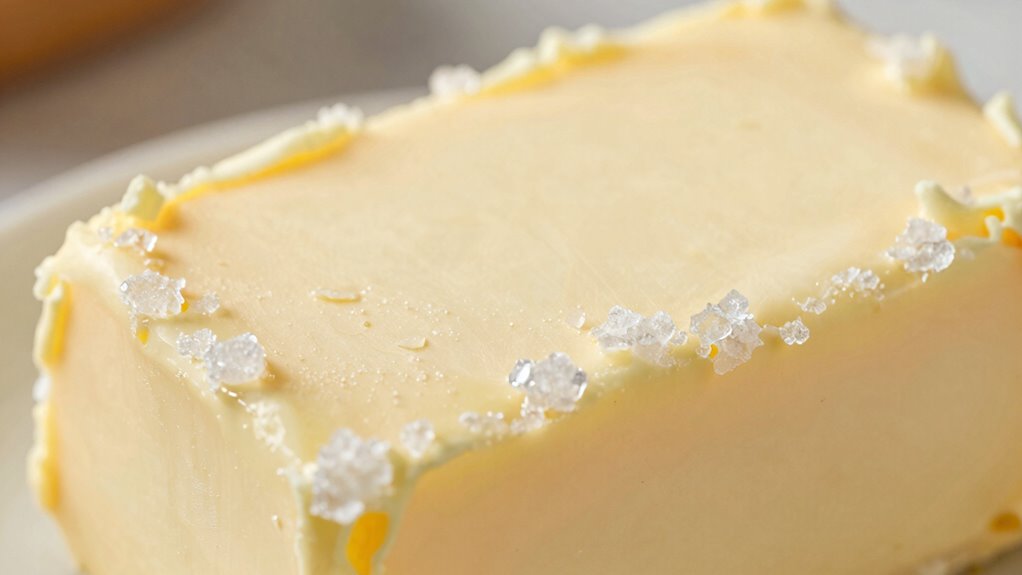

Freezing butter keeps it fresh longer by preventing spoilage and protecting its flavor and quality. Properly wrapped, it stays firm, easy to handle, and resists freezer burn. You can divide it into smaller portions or use ice cube trays for quick use. This method also helps with precise baking and reduces waste. If you explore further, you’ll discover even more ways to make freezing work for your kitchen needs.

Get kitchen staples and gadgets delivered free with Prime
- Fast, free delivery on millions of items
- Prime Video, Amazon Music and more included
- Member-only deals all year
Key Takeaways
- Freezing extends butter’s shelf life while maintaining its flavor, texture, and nutritional quality over time.
- Proper wrapping prevents freezer burn and preserves butter’s freshness, ensuring better taste and performance.
- Frozen butter is easier to handle, grate, or portion accurately, improving baking and cooking precision.
- Chilled or frozen butter creates flaky, tender baked goods by maintaining its structure during baking.
- Freezing reduces waste by allowing long-term storage and quick access to pre-measured amounts.
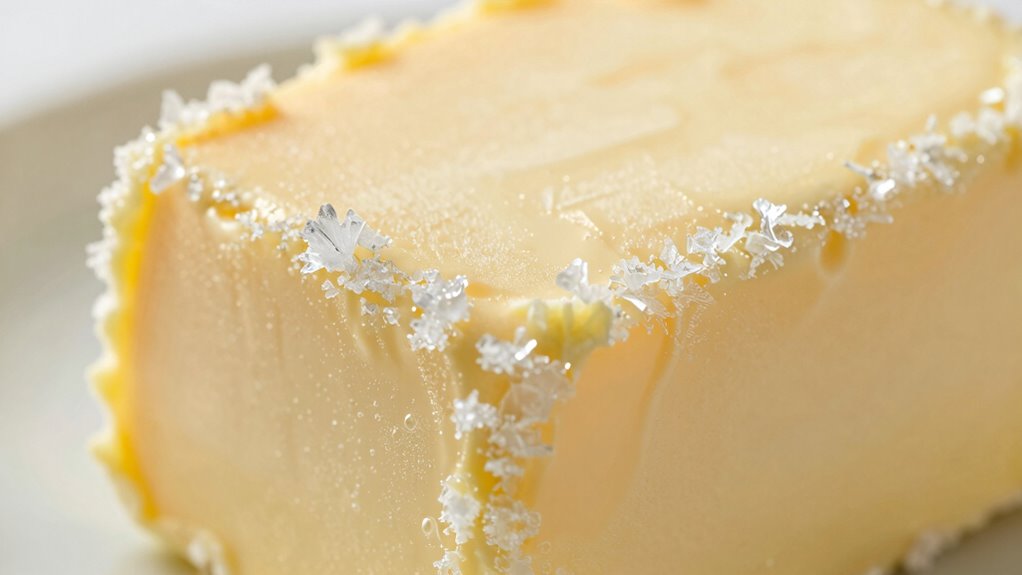
Have you ever wondered why freezing butter can improve its performance in the kitchen? It’s a surprising trick that many home cooks overlook, but once you understand how to best approach butter storage and freezing techniques, you’ll see just how versatile and practical frozen butter can be. When you freeze butter correctly, you’re not just extending its shelf life—you’re also gaining control over its texture and usability. Proper butter storage in the freezer ensures that it remains fresh and easy to work with, whether you’re grating it into a recipe or softening it for spreading. The key is to prevent freezer burn and maintain quality, so wrapping butter tightly in aluminum foil, plastic wrap, or placing it in an airtight container is essential. This way, you avoid exposure to air and moisture, which can degrade flavor and texture over time.
Freezing techniques are simple but powerful. When you freeze butter in smaller portions, it becomes more convenient to use just what you need without thawing the entire block. Using an ice cube tray or dividing butter into smaller chunks before freezing allows you to take out precise amounts for baking or cooking. This approach minimizes waste and ensures freshness with each use. Plus, when you’re ready to use frozen butter, you can grate it directly into hot dishes or onto baked goods. Grated frozen butter melts quickly, blending seamlessly into doughs and batters, giving you a flaky crust or tender crumb without having to wait for it to soften at room temperature. This method is especially useful when you’re short on time or want to keep the texture intact. Additionally, understanding butter storage techniques helps preserve its flavor and quality over time. Using proper freezing methods can significantly extend the usability of your butter without sacrificing its taste or texture. Moreover, employing these techniques aligns with sustainable living practices, reducing waste and making the most of your ingredients. When you understand freezing techniques, you can also better manage seasonal or bulk purchases, ensuring your ingredients stay fresh longer. Proper freezing not only preserves the quality but also helps maintain the nutritional value of butter, ensuring you get the most out of every serving.
The benefits of freezing butter extend beyond convenience. Cold butter can be easier to handle, especially when making pastry doughs or biscuits, because it remains firm and doesn’t become greasy or sticky. Many bakers swear by freezing butter before incorporating it into recipes, as it helps create those characteristic flaky layers. Plus, frozen butter can last for several months, so you’re not pressured to use it all quickly. The key is to remember that freezing doesn’t compromise quality if you use proper butter storage and freezing techniques. When stored correctly, frozen butter maintains its flavor and consistency, making it a reliable ingredient for all your culinary needs. So next time you buy butter, consider freezing a portion—you’ll find it works better than most people expect.
Products Worth Considering

Cuisinart ICE-70P1 2-Quart Ice Cream Maker with Countdown Timer

Instant Pot InstantChill Ice Cream Maker with Rolled Ice Cream Cold Plate, 2-Pint

Breville Barista Pro Espresso Machine with Grinder, Brushed Stainless Steel
As an affiliate, we earn on qualifying purchases.
Frequently Asked Questions
How Long Can I Freeze Butter Before It Goes Bad?
You can freeze butter for up to six months without it going bad, making it a great option for long-term butter storage. Many people believe freezing myths that spoil the quality, but in reality, properly wrapped butter retains freshness and flavor. Just make certain you store it in an airtight container or wrapping to prevent freezer burn. When you need it, thaw it in the fridge for best results.
Does Freezing Affect the Flavor of Butter?
Think of freezing as a time capsule—your butter’s flavor preservation remains mostly intact, with only minor texture changes. Freezing can slightly dull the fresh, creamy taste, but it generally doesn’t ruin the flavor. When you thaw butter, it might become a little softer or grainy, yet the overall flavor stays well-preserved. So, your butter’s taste stays delightful, even after being frozen, making it a smart storage choice.
Can Frozen Butter Be Used Directly in Recipes?
Yes, you can use frozen butter directly in recipes. Just guarantee your butter’s cream quality is good, as it impacts flavor and texture. Proper packaging methods, like wrapping tightly or using airtight containers, prevent freezer burn and maintain freshness. When baking or cooking, grate or cut the frozen butter into small pieces for even distribution, which helps it incorporate smoothly into your recipes without needing to thaw first.
How Should I Properly Store Frozen Butter?
Imagine opening your freezer to find perfectly preserved butter, ready to spread or bake. To store frozen butter properly, wrap it tightly in parchment or foil, then place it in an airtight container or resealable bag. Use freezing methods like vacuum sealing for longer storage. This keeps its texture smooth, prevents freezer burn, and guarantees you’ll always have fresh butter on hand for any recipe.
Is Frozen Butter Suitable for All Types of Cooking?
Frozen butter is suitable for most types of cooking, but keep in mind its texture and melting point. When frozen, butter becomes firmer, which is great for grating or slicing. However, it melts faster once heated, so you should watch your cooking process. For baking and sautéing, frozen butter works well, but for recipes requiring creamy or softened butter, it’s best to thaw it first to achieve the desired texture and consistency.
Conclusion
So, next time you’re unsure about freezing butter, give it a shot. It’s a simple trick that often proves more effective than you’d think, helping you prolong freshness and improve texture when baking or spreading. Don’t judge a book by its cover—freezing might just surprise you with how well it works. With a little patience, you’ll see that sometimes, the best solutions are the ones hiding in plain sight.