
Butterfat plays a bigger role in your dairy recipes than you might realize. It impacts the texture, flavor, and stability of your dishes, acting as a natural emulsifier and influencing everything from creaminess to mouthfeel. Variations in butterfat can make your results too greasy or too bland if not controlled carefully. Understanding how butterfat works helps you create better, more consistent products. Keep exploring, and you’ll discover how mastering butterfat can elevate your culinary skills.
Key Takeaways
- Butterfat acts as a natural emulsifier, affecting the stability and texture of dairy-based recipes.
- Precise butterfat levels ensure consistent flavor, richness, and mouthfeel in dairy products.
- Variations in butterfat content can significantly alter the final product’s sensory qualities.
- Proper cream separation and butterfat control are essential for achieving desired product characteristics.
- Recognizing butterfat’s role helps chefs and food scientists optimize dairy recipes for quality and consistency.
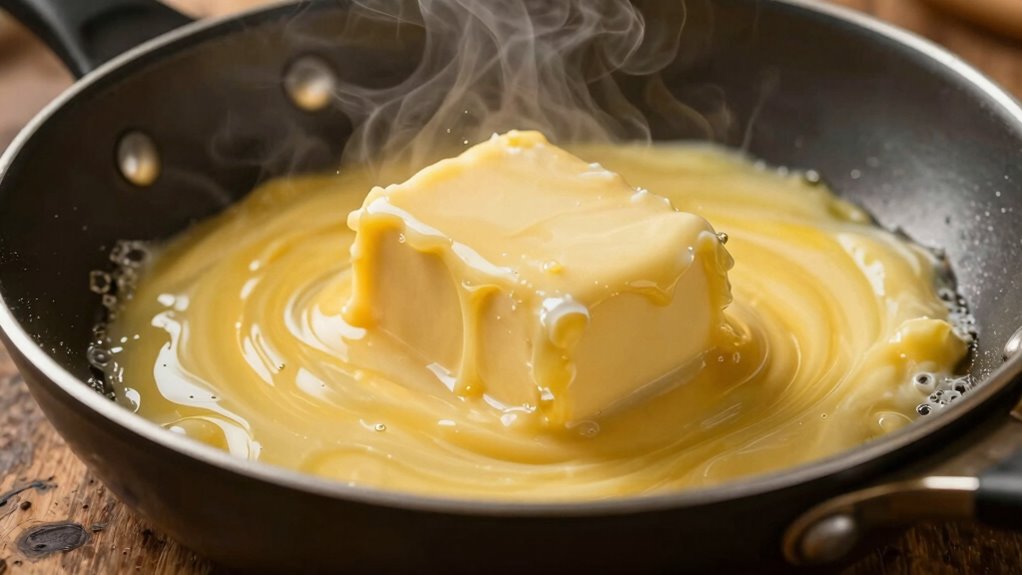
Have you ever wondered why butterfat plays such an essential role in dairy products? The secret lies in the process of cream separation, which is fundamental to understanding dairy chemistry. When milk is processed, the fat globules naturally separate from the watery part of the milk, forming cream. This separation isn’t accidental; it’s a critical step that influences the texture, flavor, and overall quality of dairy products. Without proper cream separation, the final products would lack the richness and consistency you expect from butter, cheese, and cream-based items. Butterfat isn’t just a flavor enhancer—it’s the backbone of dairy chemistry, shaping how dairy ingredients behave in recipes and processing.
In dairy chemistry, butterfat’s role extends beyond just adding creaminess. It affects emulsification, which is essential in creating stable mixtures like whipped cream or margarine. The fat globules act as natural emulsifiers, helping mix ingredients that normally wouldn’t combine, such as water and oil. When you understand how butterfat interacts at the molecular level, you realize its importance in maintaining the stability and texture of dairy products. This is why, in professional dairies, the precise control of cream separation and butterfat content is key for consistency and quality. If the butterfat percentage is off, products may turn out too bland, too greasy, or fail to achieve the desired consistency. Recognizing the significance of cream separation helps in appreciating how dairy products develop their characteristic qualities. Furthermore, the amount of butterfat influences not just the sensory qualities but also the nutritional profile of dairy products. Higher butterfat content means richer, more decadent textures, which many consumers prefer. It’s also a significant factor in determining the melting point, spreadability, and mouthfeel of dairy items. When recipes call for cream or butter, they often assume a certain butterfat level; ignoring this can lead to unexpected results. Understanding the butterfat content and the science behind cream separation is essential for chefs, food scientists, and home cooks alike. A thorough knowledge of dairy chemistry can help optimize the quality and characteristics of dairy-based recipes and products. Additionally, advancements in dairy processing technology continue to improve how butterfat is managed, ensuring better consistency and quality in dairy products.

Milk Cream Centrifugal Separator Electric Cream Separator Stainless Steel 100L/H Goat Cow Milk Separator Turning Raw or Whole Milk into Cream and Skim Milk for 110V 100W
This Fresh Milk Cream Separator is a centrifugal device that separates milk into cream and skimmed milk.
As an affiliate, we earn on qualifying purchases.
As an affiliate, we earn on qualifying purchases.
Frequently Asked Questions
How Does Butterfat Affect Baking at High Altitudes?
Butterfat helps your baked goods stay moist and tender at high altitudes. It aids in moisture retention, which is essential because drier air can cause baked items to dry out or rise unevenly. To adapt, you should make altitude adjustments, like slightly increasing butterfat or reducing leavening agents. This guarantees your recipes maintain their texture and flavor despite the challenging conditions, giving you consistent, delicious results every time.
Can Butterfat Content Vary Between Different Dairy Sources?
You’ll find that dairy source greatly influences butterfat variation, with some sources like cream or whole milk having higher fat content than skim or low-fat options. Even within the same type of dairy, butterfat can differ based on processing methods and regional standards. So, when baking or cooking, knowing your dairy source helps you adjust recipes accurately, ensuring the perfect texture and flavor every time.
What Role Does Butterfat Play in Flavor Development?
Butterfat plays a key role in flavor development by adding richness and depth, which enhances flavor complexity. It also improves mouthfeel, making your dishes feel smoother and more luxurious on the palate. When you use higher butterfat content, you’re more likely to notice a fuller, more satisfying taste experience. This is why butterfat is so important in creating balanced, flavorful recipes that leave a lasting impression.
Does Butterfat Influence Shelf Life of Dairy Products?
Butterfat boosts butter’s shelf stability, slowing spoilage and extending freshness. By protecting against oxidation and microbial growth, it plays a pivotal role in fat preservation. You’ll find that high-fat dairy products tend to last longer because the fat acts as a natural barrier, maintaining quality over time. So, if you’re aiming for longer-lasting dairy, consider how butterfat’s protective power helps preserve flavor, texture, and overall shelf life.
How Is Butterfat Measured in Commercial Recipes?
You measure butterfat in commercial recipes primarily through methods like lactometer testing, Gerber method, or infrared spectroscopy. These techniques assess butterfat composition, accounting for dairy fat variability, ensuring accurate fat content. By analyzing samples, you can determine precise butterfat percentages, which influence product quality and consistency. Regular testing helps maintain standards, especially when sourcing from different dairy suppliers, ensuring your recipes meet desired specifications and achieve ideal texture and flavor.
butterfat content tester
As an affiliate, we earn on qualifying purchases.
As an affiliate, we earn on qualifying purchases.
Conclusion
Just as the alchemists sought gold in every ounce, recognizing butterfat’s true worth transforms your baking. It’s the secret ingredient that elevates flavor, texture, and richness beyond the ordinary. Ignoring its importance is like passing by a hidden treasure—missing out on the magic it brings. So, next time you cook or bake, remember: butterfat isn’t just an ingredient; it’s the silent artist behind every delicious masterpiece, waiting to turn simple into sublime.

Microbial Production of Emulsifier for Utilization in Dairy Products: Microbial Production of Emulsifier form yeasts
As an affiliate, we earn on qualifying purchases.
As an affiliate, we earn on qualifying purchases.

Heavy Duty 304 Stainless Steel Electric Cream Separator, 50L/H Goat Milk Extraction Centrifuge Machine for Dairy Processing, Efficient Milk and Cream Separation Equipment
Upgrade your dairy experience with our 2026 Electric Milk Cream Separator. Designed for both beginners and professionals, this…
As an affiliate, we earn on qualifying purchases.
As an affiliate, we earn on qualifying purchases.