
Butter works better than oil in some cakes because it boosts flavor with its natural aroma and subtle sweetness, making your baked goods more satisfying. It also creates a tender, moist crumb and helps produce a lighter, fluffier texture due to its ability to incorporate air when creamed with sugar. Plus, the solid fat helps set the cake’s structure and keeps it moist without being greasy. If you keep exploring, you’ll discover even more reasons why butter makes a difference.

Get kitchen staples and gadgets delivered free with Prime
- Fast, free delivery on millions of items
- Prime Video, Amazon Music and more included
- Member-only deals all year
Key Takeaways
- Butter enhances flavor with natural aroma and subtle sweetness, enriching the cake’s overall taste.
- Its solid fat content at room temperature helps set the cake structure and maintain moisture.
- Butter creates a tender, airy crumb by incorporating air effectively during creaming.
- Its emulsification properties lead to more reliable batter stability and better crumb formation.
- Butter produces a softer, more delicate texture compared to denser, oil-based cakes.
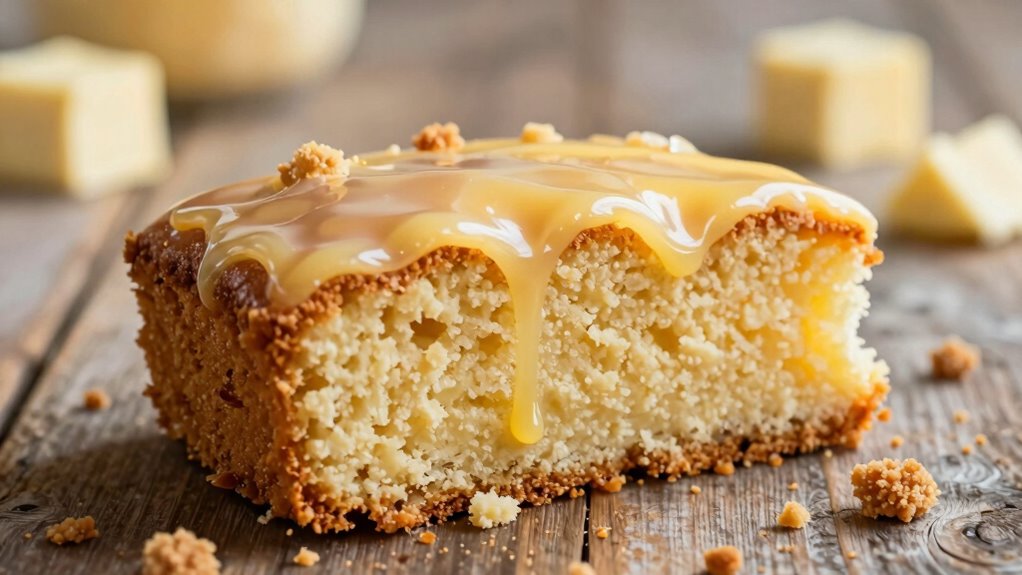
Have you ever wondered why many bakers prefer butter over oil when making cakes? The answer lies in the unique qualities butter brings to the batter, especially in regarding flavor and texture. Butter isn’t just a fat; it’s a flavor booster that elevates your cake’s taste, giving it a rich, creamy depth that oil simply can’t match. When you use butter, it melts into the batter, releasing its natural aroma and subtle sweetness, which enhances the overall flavor profile of your baked good. This results in a more complex, satisfying taste that keeps people coming back for seconds. Unlike oil, which tends to have a neutral flavor, butter adds a layer of richness that complements other ingredients, like vanilla or cocoa, making every bite more indulgent.
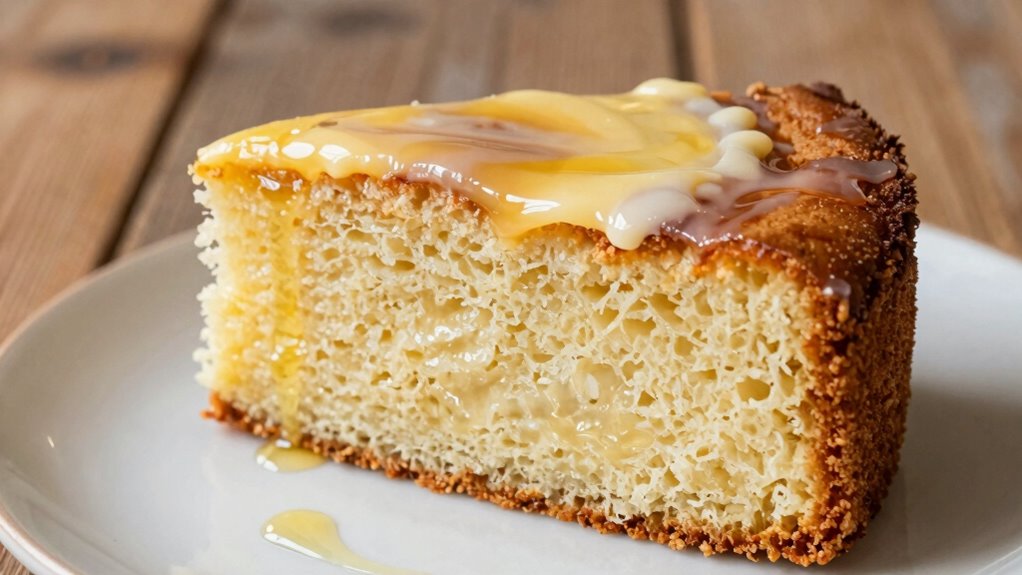
In addition to flavor enhancement, butter plays a vital role in improving the cake’s texture. When you incorporate butter into your batter, it creates a tender crumb that feels moist and delicate on the palate. Butter’s solid fat content at room temperature helps trap air pockets when you cream it with sugar, leading to a lighter, fluffier rise. This process contributes to a better overall texture, giving your cake a soft, velvety finish that oil often struggles to achieve. Oil, on the other hand, tends to produce a denser crumb because it doesn’t incorporate air as effectively during mixing. The result is a cake that’s slightly heavier and less airy, which might not be what you’re aiming for regarding recipes like sponge cakes or butter cakes. A better understanding of baking chemistry can help you optimize your results with either ingredient.
Furthermore, butter’s ability to create a desirable texture is linked to its composition. The fat in butter solidifies at room temperature, which helps set the structure of the cake as it cools. This structural integrity ensures your cake remains moist but not greasy, maintaining the perfect balance of tenderness and stability. Oil, being a liquid at room temperature, doesn’t contribute as much to this setting, making it harder to achieve that ideal crumb. This is especially noticeable in traditional recipes where a fine, crumbly texture is key. Understanding the emulsification process behind these ingredients can help you make better choices in your recipes. Mastering this process with butter can also lead to more reliable results, especially in delicate cakes. Oil, being a liquid at room temperature, doesn’t contribute as much to this setting, making it harder to achieve that ideal crumb. This is especially noticeable in traditional recipes where a fine, crumbly texture is key.
Products Worth Considering

KitchenAid Artisan 5-Quart Tilt-Head Stand Mixer, KSM150PS, Almond Cream

Cuisinart 6-Quart Basket Air Fryer with Viewing Window, Stainless Steel and Black (AIR-200NAS)

Breville Bambino Espresso Machine, Brushed Stainless Steel
As an affiliate, we earn on qualifying purchases.
Frequently Asked Questions
Does Butter Affect Cake Shelf Life Differently Than Oil?
Yes, butter affects cake shelf life differently than oil. Butter’s higher water content can reduce shelf stability, making cakes spoil faster if not stored properly. Its preservation effects are less than oil’s, which resists spoilage longer due to its fat composition. While butter adds flavor and tenderness, you should consider these factors if you want your cake to stay fresh longer. Proper storage can help mitigate some of these shelf stability concerns.
Can Butter Be Substituted With Margarine in Cake Recipes?
They say “you get what you pay for,” but you can substitute margarine for butter in cake recipes. Just keep in mind that margarine’s flavor differs and it melts differently, which could affect your cake’s texture and taste. Margarine works well in a pinch, but the richness and creaminess of butter often give cakes a better flavor and moistness. Experiment to see which one suits your baking style best.
How Does Butter Influence Cake Flavor Compared to Oil?
Butter enhances cake flavor by providing a rich, creamy taste that oil can’t match. It contributes to flavor enhancement and aroma development, making each bite more savory and inviting. As butter melts during baking, it releases complex flavors that deepen the cake’s aroma. You’ll notice a more tender crumb and a fuller flavor profile, thanks to butter’s unique ability to develop taste and scent throughout the baking process.
Is Butter’s Moisture Content Better for Cake Crumb Texture?
You’ll find that butter’s moisture content is ideal for cake crumb tenderness because it naturally retains moisture better than oil. This moisture retention helps keep the crumb soft and delicate, preventing it from becoming dry or crumbly too quickly. When you use butter, you’re also enhancing flavor, which complements the moist, tender crumb. So, butter’s ability to hold onto moisture makes your cake irresistibly tender and flavorful.
Does Using Butter Impact the Cake’s Nutritional Profile?
Using butter affects the cake’s nutritional profile by increasing its fat content, which adds richness and flavor. While butter offers some nutritional benefits like vitamins A and E, it’s also higher in saturated fat compared to oil. This means your cake might be more indulgent and calorie-dense. If you’re mindful of fat intake, consider using butter sparingly or balancing it with healthier ingredients to enjoy both flavor and nutrition.
Conclusion
So, while oil might make your cake moist and easy to mix, butter brings richness and flavor that oil simply can’t match. You might think a smoother batter is the goal, but it’s the depth of taste and tender crumb that truly elevates your cake. In the end, butter’s solid presence in your batter creates a balance—sometimes, the weight of tradition outweighs the lightness of convenience, making your cake unforgettable.