Adding butter early helps infuse your ingredients with richness and builds a deeper flavor, making textures softer and more cohesive. In contrast, adding it at the end gives a glossy finish, preserves delicate aromas, and creates a luxurious, velvety texture. Your choice depends on whether you’re aiming for integrated flavors or a bright, buttery accent. Keep exploring how timing can transform your dishes—you’ll discover even more ways to perfect your cooking.

Get kitchen staples and gadgets delivered free with Prime
- Fast, free delivery on millions of items
- Prime Video, Amazon Music and more included
- Member-only deals all year
Key Takeaways
- Add butter at the start to infuse richness and build foundational flavor in sauces and sautés.
- Incorporate butter toward the end for a glossy finish and to preserve delicate aroma and taste.
- Early addition softens ingredients and creates a cohesive, tender texture throughout the dish.
- Late addition provides a bright, buttery accent with a silky texture, ideal for finishing dishes.
- Proper timing depends on dish type, desired flavor intensity, and temperature control to prevent burning.

Knowing the right moment to add butter can make a big difference in your cooking, guaranteeing flavors meld perfectly and textures stay just right. When you add butter at the start of cooking, it can serve as a foundation, infusing your ingredients with richness and creating a base that enhances flavor from the beginning. Melting butter early allows it to mingle with other ingredients, providing a subtle layer of flavor enhancement that permeates the dish. This technique works well for sautéing vegetables or building sauces, where the butter’s fat helps carry aroma and taste throughout. Plus, adding butter early can help improve texture, making ingredients more tender and creating a smoother, more cohesive dish. However, adding butter at the start requires careful temperature control to prevent burning, especially with high heat, which can lead to a bitter taste and reduce the benefits of flavor enhancement.
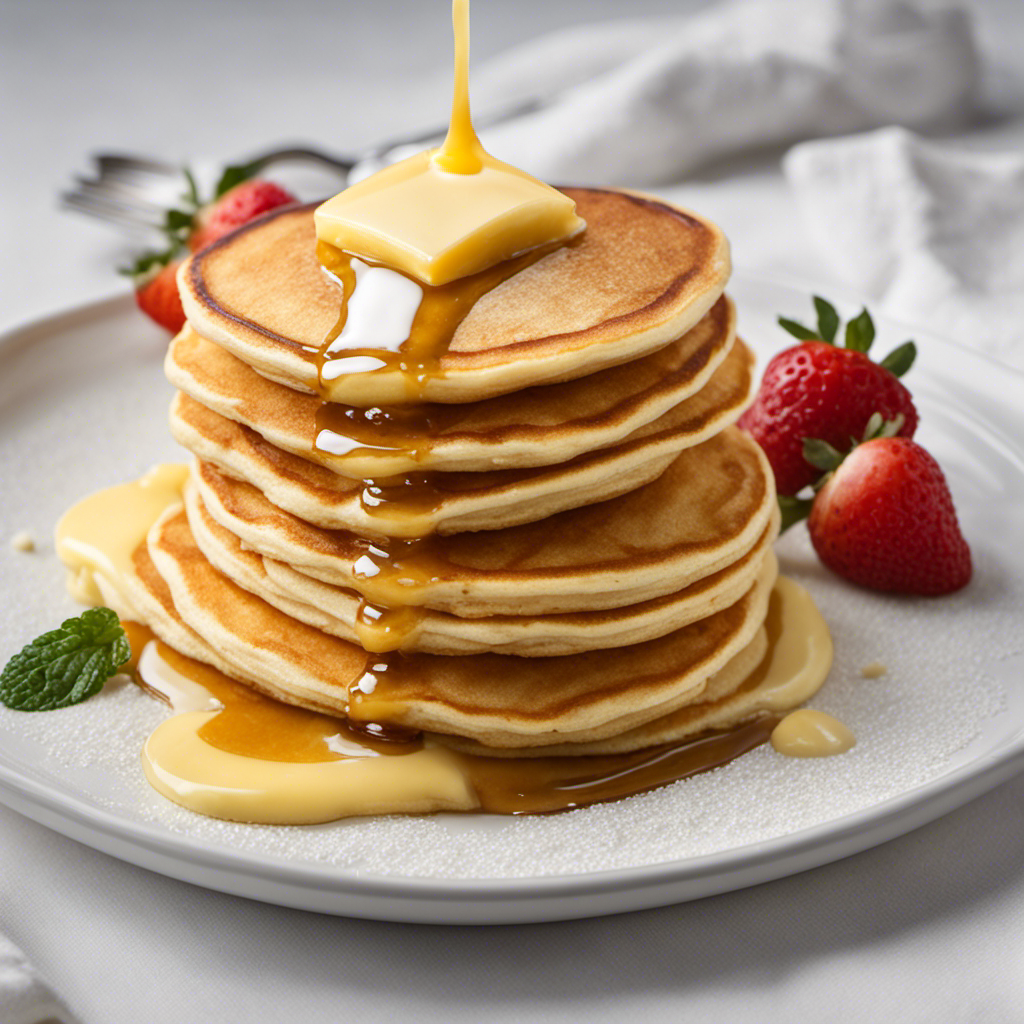
On the other hand, adding butter toward the end of cooking offers a different set of advantages. When you stir in butter at the conclusion, it melts quickly and coats the dish, delivering a rich, glossy finish that elevates both flavor and appearance. This method allows you to preserve the butter’s delicate aroma and taste, ensuring that it doesn’t lose its subtle nuances during prolonged cooking. It’s particularly effective for finishing sauces, risottos, or sautéed greens, where the goal is a burst of buttery richness right before serving. Adding butter at the end also provides better control over texture improvement, giving dishes a silky, velvety feel without the risk of over-melting or separation that can happen if it’s added too early. This technique is ideal when you want the butter’s flavor to stand out sharply, giving your dish a luxurious, well-rounded finish. Understanding the cooking process and how different timings affect flavor and texture can help you achieve the best results. Additionally, experimenting with butter timing can lead to discovering new flavor dimensions in your dishes. It’s also helpful to consider ingredient types, as different ingredients respond uniquely to when butter is added, influencing the overall dish outcome. Recognizing how temperature control impacts butter’s behavior is essential for achieving the desired texture and flavor. For example, using low heat can help prevent butter from burning and ensure a smooth melt. Ultimately, the decision depends on the dish you’re preparing and the flavor profile you aim for. If you want a deeper, more integrated flavor with a softer texture, add butter early. If you prefer a bright, buttery accent and a refined texture, stir it in at the end. Both approaches can work beautifully when done thoughtfully, but knowing when to add butter guarantees you maximize its flavor enhancement and texture improvement potential. Pay attention to your cooking process, and don’t be afraid to experiment to find what best elevates your dishes each time.
As an affiliate, we earn on qualifying purchases.
Frequently Asked Questions
Does Adding Butter Early Affect the Dish’s Texture?
Adding butter early can affect your dish’s texture by making it softer and creamier, which may be desirable for flavor enhancement. However, it can also lead to a loss of some crispness or structure if overcooked. If you want to preserve the original texture, add butter at the end. This way, you retain the dish’s integrity while still boosting flavor, giving you a richer, more balanced result.
Can Butter Burned if Added at the Beginning?
No, butter can’t be burned if you add it at the beginning, but only if you’re careless with your cooking temperature. When you crank up the heat, butter’s milk solids can brown or burn, ruining flavor enhancement and adding bitterness. Keep your heat moderate, and butter will melt smoothly, enriching your dish without turning into smoky chaos. Remember, patience and gentle heat keep butter’s magic alive!
Is It Better to Add Butter for Flavor or Moisture?
You should add butter mainly for flavor enhancement, as it brings richness and depth to your dish. To improve moisture retention, add butter toward the end of cooking, allowing it to melt gently and coat ingredients without losing its creamy texture. Using butter both ways can maximize flavor and moisture, but timing matters—add early for a base layer of flavor, and later for a glossy finish and moistness.
How Does Butter Timing Impact Nutritional Value?
Adding butter early or late changes its impact on nutritional value like a dance—early adds richness but can diminish some nutrients through heat. If you prefer dairy alternatives or vegan options, you’ll find plant-based fats maintain more nutrients when added later, preserving their benefits. Timing influences not only flavor but also the health profile, so choose wisely to keep your dish nutritious and satisfying.
Can Butter Be Added During Reheating?
Yes, you can add butter during reheating to enhance flavor and texture. Just make certain your butter is stored properly in a cool, airtight container to prevent spoilage. If you don’t have butter, a butter substitution like margarine works, but it may alter taste. Add the butter toward the end of reheating to melt smoothly, avoiding overcooking, which helps preserve its richness and prevents it from breaking down.
Conclusion
Now that you know when to add butter, you can masterfully mold your meals with marvelous flavor. Whether you’re stirring it in at the start to soften and sweeten or dolloping it at the end for a decadent, shiny finish, your dish will dazzle with deliciousness. Remember, timing transforms taste—so sprinkle, swirl, and splash butter wisely. With this knowledge, you’ll turn simple ingredients into sensational, savory sensations, leaving everyone enthusiastic for your next culinary creation.
Fall Picks
fall essentials
As an affiliate, we earn on qualifying purchases.