
Food labels often hide the true amount of calories, sugars, sodium, and fats in tiny serving sizes, making it easy to underestimate your intake. By focusing on small portions, manufacturers can mask how much of these ingredients you actually consume if you eat more than one serving. This tricks you into thinking you’re eating healthier. If you keep exploring, you’ll discover how to spot these tricks and better understand what’s really in your food.

Get kitchen staples and gadgets delivered free with Prime
- Fast, free delivery on millions of items
- Prime Video, Amazon Music and more included
- Member-only deals all year
Key Takeaways
- Tiny servings obscure the true amount of sugars, sodium, and fats in the total consumption.
- They hide less healthy ingredients and additives that accumulate with multiple servings.
- Labels can be manipulated to make calorie counts seem lower than actual intake.
- Small portions make it easy to overlook the full nutritional impact when consuming larger quantities.
- Ingredient lists may appear straightforward but conceal hidden fillers in tiny servings.
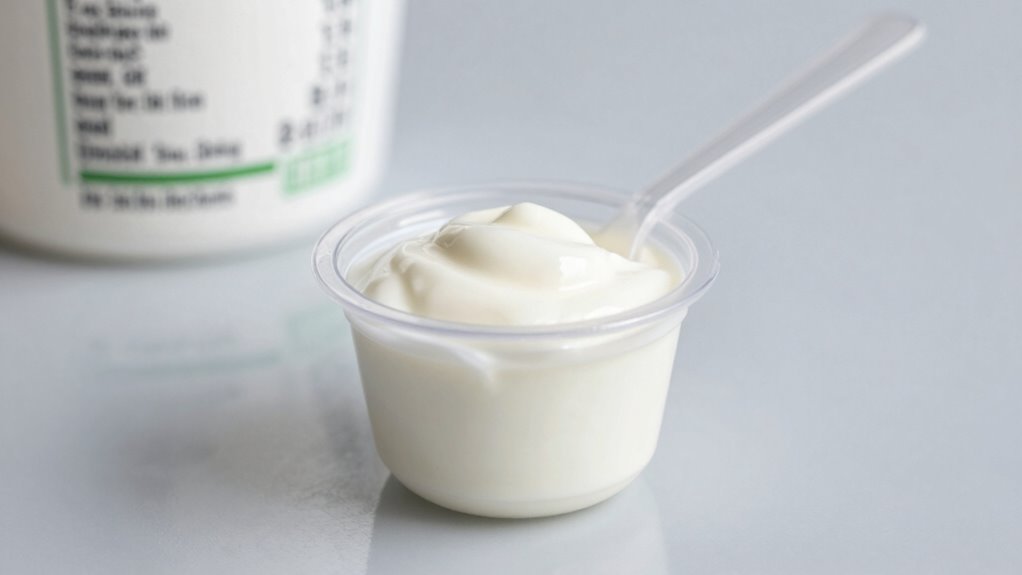
When you glance at food labels, you might notice that the serving sizes are often surprisingly small, making the nutritional information seem less significant than it actually is. Manufacturers intentionally set tiny serving sizes to make calorie counts and other nutrients appear lower, which can be misleading. This tactic complicates your efforts to accurately assess what you’re consuming, especially if you’re trying to manage calorie intake or follow a specific diet. By understanding this, you can better interpret the labels and see through the tricks used to distort the real picture.
One of the key issues behind these tiny servings is ingredient transparency. When serving sizes are small, it’s easier for companies to hide less healthy ingredients or add extra sugars, sodium, or fats without drawing your attention. The ingredient list might seem straightforward, but the portion sizes make it easy to overlook the amount of certain additives or fillers. This lack of transparency can lead you to underestimate how much of these ingredients you’re actually consuming over the course of a day. To truly understand what you’re eating, you need to look beyond the serving size and consider the ingredients in the context of your total intake. Additionally, serving size manipulation is a common tactic used to influence perception and consumption. Being aware of food labeling tactics can help you decode the true nutritional content of your food. Recognizing labeling tricks is essential for making informed choices and avoiding the pitfalls of misleading information.
Tiny servings hide unhealthy ingredients, making it easy to overlook additives and fillers in your daily intake.
Furthermore, understanding how calorie counts are calculated based on serving sizes can help you avoid overestimating the healthiness of a product. Calorie accuracy is another concern tied to tiny servings. Food labels often report a low calorie count based on these small portions, but if you eat more than the suggested serving, the calories can quickly add up. This can sabotage your diet goals, whether you’re trying to lose weight or maintain a healthy lifestyle. It’s tempting to rely solely on the calorie count per serving, but you need to do the math yourself. By multiplying the calories listed by the number of servings you actually consume, you gain a more honest picture of your intake. Small servings can create a false sense of security, leading you to underestimate how many calories you’re really consuming. Recognizing consumer deception strategies used by manufacturers can further improve your ability to make healthier choices.
In essence, food labels are designed to be persuasive, not always straightforward. Tiny serving sizes serve as a tool to skew calorie accuracy and obscure ingredient transparency. When you’re reading labels, don’t just glance at the numbers—they can be intentionally misleading. Instead, pay attention to the total amount you actually eat and scrutinize the ingredients list to get a clearer, more honest understanding of what’s in your food. This awareness helps you make choices based on reality, not just on cleverly designed labels that hide more than they reveal.
As an affiliate, we earn on qualifying purchases.
Frequently Asked Questions
How Do Serving Sizes Vary Between Different Food Products?
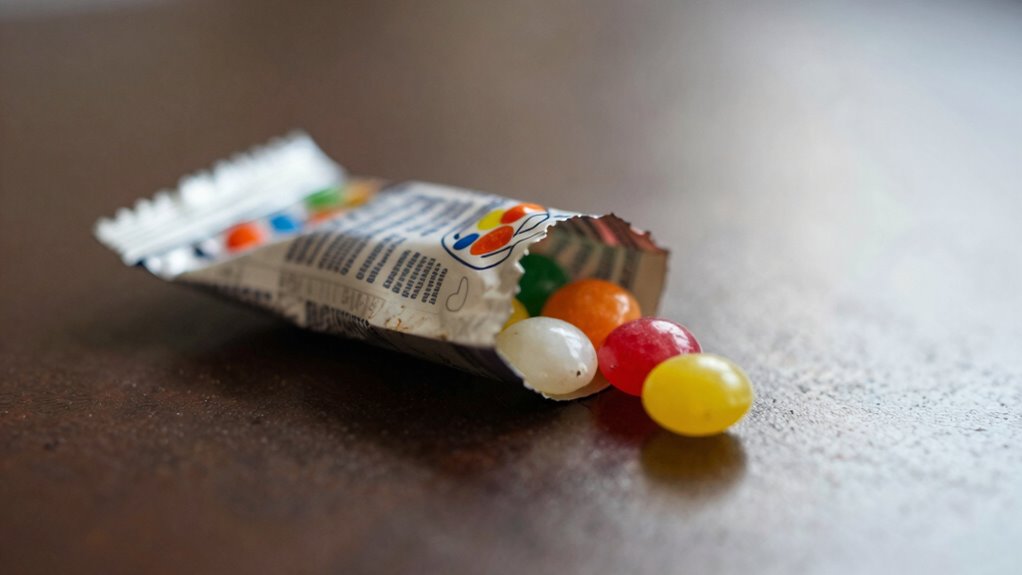
Serving sizes vary widely between food products, often influenced by portion distortions and packaging tricks. You might notice that a snack pack claims to be a single serving, but it’s really meant for sharing or multiple sittings. Manufacturers adjust serving sizes to make nutritional info look better, so it’s essential to read labels carefully. Don’t be fooled by small packages; they can hide more than you think, encouraging overeating.
Are There Legal Limits on Serving Size Disclosures?
Regulatory standards do set rules for serving size disclosures, but they often rely on average consumption patterns, which can be misleading. Label transparency varies, with some companies providing clear info while others obscure true portion sizes. You should always scrutinize serving size details on food labels, especially if they seem unusually small, to better understand what you’re actually consuming and make informed choices based on accurate information.
How Do Serving Sizes Affect Calorie Counting Accuracy?
Serving sizes greatly impact your calorie counting accuracy, as portion distortion can lead you to underestimate your intake. When labels show tiny servings, you might think you’re eating fewer calories than you actually are, causing calorie miscalculations. To stay on track, always compare the serving size to what you actually consume, and be aware of how portion distortion influences your perception of appropriate servings, helping you make better nutritional choices.
Do Tiny Servings Impact Daily Nutrient Intake Recommendations?
Tiny servings can skew your perception of portion size, making you underestimate how much you’re actually eating. This affects your nutrient intake because you might consume less than recommended, or overcompensate by eating more later. Research shows that people often underestimate portion sizes by up to 50%, which impacts daily nutrient intake. Being aware of portion perception helps you better gauge your food, ensuring you meet your nutritional needs without overeating.
Can Misleading Labels Influence Consumer Purchasing Decisions?
Yes, misleading labels can influence your purchasing decisions. Marketing tactics often use tiny serving sizes to make products appear healthier or lower in calories, shaping your perception of their nutritional value. These tactics can lead you to buy items based on misleading impressions, potentially impacting your diet. Being aware of such strategies helps you make more informed choices and avoid falling for labels that don’t tell the full story.
Conclusion
You might not realize how tiny servings can hide the true amount of calories and sugar you’re consuming. For example, a single “serving” of some snacks can be just a handful, yet contain over 200 calories. This sneaky labeling can lead you to underestimate your intake and make unhealthy choices. Always check the serving size and multiply to see the real nutritional picture. Staying aware helps you make smarter, more informed decisions about what you eat.
Halloween Picks
halloween
As an affiliate, we earn on qualifying purchases.