
Washing and working butter is key to enhancing both its texture and shelf life. By rinsing it under cold water, you remove residual buttermilk, which can lead to spoilage and rancidity. Kneading the butter helps create a creamy consistency while controlling temperature prevents greasiness. Properly handled butter not only tastes richer but lasts longer, especially when flavored and stored in airtight containers. There’s more to perfecting your butter technique that you might find interesting.
Key Takeaways
- Washing butter removes residual buttermilk, enhancing flavor and extending shelf life by preventing spoilage.
- Thorough rinsing under cold water ensures clarity and freshness, crucial for optimal butter quality.
- Kneading butter while washing helps eliminate moisture, improving texture and consistency.
- Adding salt or herbs after working enhances flavor and preserves butter for longer periods.
- Proper packaging in airtight containers extends shelf life up to a month in the fridge.
When you make butter, washing and working it properly is essential for achieving the best flavor and texture. The process starts with cream separation, where the fat in the cream is agitated to form butter. This initial step is vital, but it’s what you do afterward that can make or break your butter. Once you’ve churned the cream, you’ll notice that it’s transformed into a solid mass, but it’s still packed with buttermilk, which can affect both the taste and shelf life of your final product.
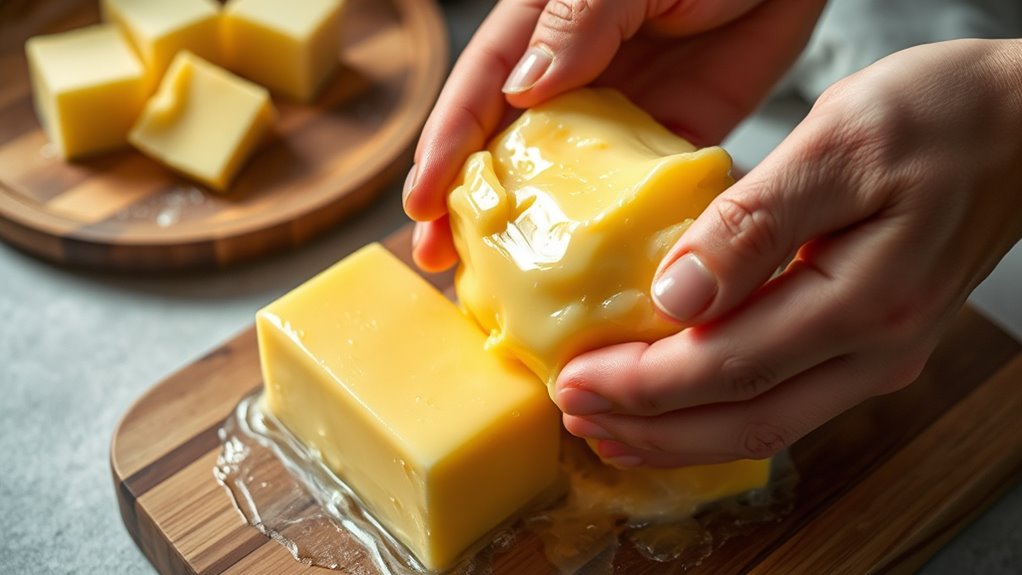
After you’ve finished butter churning, you need to wash the butter thoroughly. This step involves rinsing the butter under cold water, which helps to remove any residual buttermilk. If you skip this, the leftover buttermilk can spoil and cause your butter to go rancid much faster. Just take a handful of the butter and gently knead it under the cold water, allowing the buttermilk to rinse away. You’ll want to change the water a few times until it runs clear. This might seem tedious, but trust me, it’s worth it for a fresher taste.
Washing your butter thoroughly is essential for freshness; rinse under cold water until it runs clear for the best flavor.
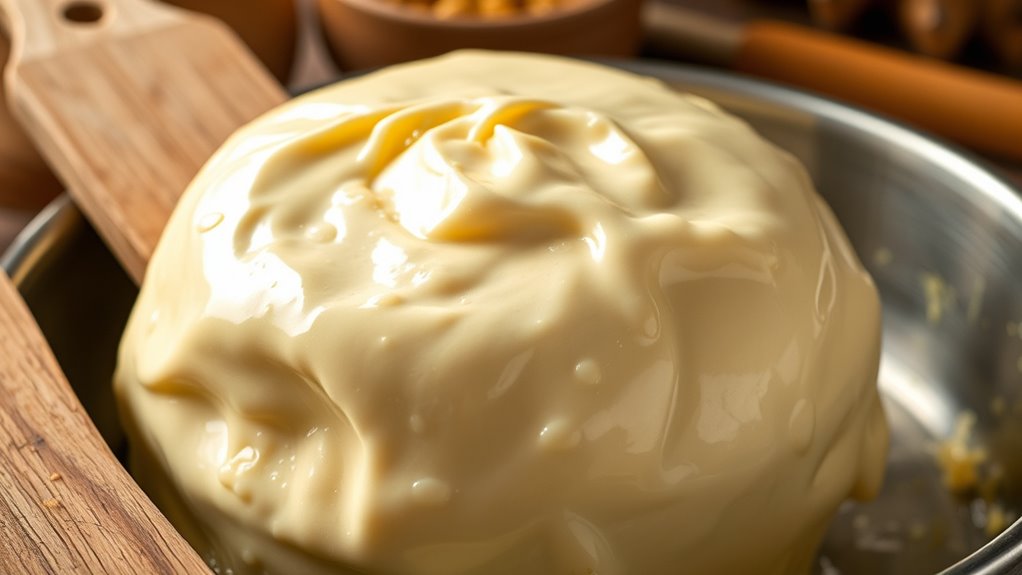
Once your butter is clean, it’s time to work it. Kneading the butter not only helps remove any remaining moisture but also improves its texture. You can use a spatula or your hands to work the butter, folding it over itself repeatedly. This process redistributes the fat molecules, creating a creamier and more uniform texture. It’s important to keep the temperature cool during this step; warm butter can become greasy and lose its desirable consistency.
When you’ve achieved the right texture, consider adding a pinch of salt or herbs for flavor if you like. Just remember that salt helps in preservation, so it can extend your butter’s shelf life. After seasoning, pack it into a container with an airtight seal. Make sure to label it with the date to keep track of freshness. Homemade butter can last up to a month in the refrigerator, but the flavor is best enjoyed within the first couple of weeks.
Washing and working your butter might take some extra effort, but the result is a richer, more flavorful product that you can be proud of. With the right techniques, you’ll elevate your homemade butter into something truly special that enhances your culinary creations. Enjoy the fruits of your labor, knowing you’ve crafted something delicious.

Butter Spreader, Corn Cob Butter Dispenser with Built-In Cover, Butter Stick Holder, Butter Applicator, Kitchen Tools, Bakeware, Spreads Butter on Pans Toast Waffles Bagels, Dishwasher Safe (1)
WIDE APPLICATIONS: Our butter dispensers are perfect for spreading various foods, such as corn, toast, muffins, baguettes, pancakes,…
As an affiliate, we earn on qualifying purchases.
As an affiliate, we earn on qualifying purchases.
Frequently Asked Questions
Can I Wash Butter With Soap and Water?
No, you shouldn’t wash butter with soap and water. Soap residue can contaminate the butter, making it unsafe to eat. If you’re looking for butter cleanliness, it’s better to keep it stored properly in a clean container. Focus on using clean utensils when serving or spreading butter to maintain its quality. Remember, butter’s natural flavor and texture are best preserved when you avoid washing it with soap.
How Long Can Washed Butter Be Stored?
You might be wondering how long washed butter can last before it goes bad. Generally, washed butter can be stored in the refrigerator for about one to two weeks. For better shelf stability, consider freezing it, which can extend its life up to six months. Just remember to wrap it tightly to prevent freezer burn. Proper butter storage is key to keeping its flavor and texture intact for your culinary creations!
What Is the Difference Between Salted and Unsalted Butter?
Salted butter contains added salt, which enhances flavor and can extend its shelf life, while unsalted butter has a purer taste and allows you to control seasoning in your recipes. The texture of both types is generally similar, but unsalted butter may feel creamier due to the absence of salt. When you’re baking or cooking, consider which type suits your dish best, as it can affect the final outcome.
Does Washing Butter Affect Its Taste?
Washing butter is like giving it a revitalizing shower; it can enhance your culinary experience. When you wash butter, you effectively remove any residue that might mask its natural flavors. This process can improve flavor retention, allowing the rich, creamy taste to shine through. However, if you overdo it, you might strip away some of that deliciousness. So, enjoy the benefits, but make sure not to over-scrub your buttery delight!
Can I Work Butter Using a Food Processor?
Yes, you can work butter using a food processor! This method helps achieve a smooth butter consistency quickly. Just cut your butter into smaller pieces and pulse it in the processor until you reach your desired texture. Using a food processor also aids in butter preservation, as it minimizes exposure to air and heat, keeping it fresh longer. Enjoy the convenience while ensuring your butter stays delicious and ready for use!

Pisol Butter Dish with Lid for Countertop and Refrigerator Door Shelf, Airtight Butter Keeper Container, Butter Holder for East/West Coast Butter, BPA-free, Microwave/Dishwasher Safe
The Home of American 1/4 LB Butter: 8.03''/20.39cm(L) × 3.31''/8.4cm(W) × 2.64''/6.7cm(H), specially designed for 1 stick butter…
As an affiliate, we earn on qualifying purchases.
As an affiliate, we earn on qualifying purchases.
Conclusion
In the delightful journey of washing and working butter, you’ve embraced a process that elevates flavor and texture. By giving your butter a gentle cleanse, you’ve guaranteed a smoother, more delightful spread. And with a little care in shaping, you’re not just crafting a treat; you’re preserving its charm for longer enjoyment. So, as you savor your beautifully prepared butter, know that you’ve turned a simple ingredient into a culinary treasure that brightens every dish.

4-Piece Silicone Jar Spatula Set – Long Handle Nonstick Tool for Peanut Butter, Jam, Cake Decorating | Batter Mixing Blade, Flexible Baking & Cooking Utensil (4 Colors)
【High cost-effectiveness】Silicone-stainless steel combo ensures durability & tear-resistance. Ideal for kitchen tasks (mixing, scraping, containers), beauty uses (mask…
As an affiliate, we earn on qualifying purchases.
As an affiliate, we earn on qualifying purchases.

Watkins Gourmet Organic Butter and Salt Popcorn Seasoning, 5.3 oz
Bring a new layer of taste to plain popcorn
As an affiliate, we earn on qualifying purchases.
As an affiliate, we earn on qualifying purchases.