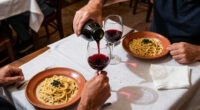
🔍 Read the full analysis: Trippa Alla Romana: The Offal Classic That Converts Skeptics on Mad Tasting

Get kitchen staples and gadgets delivered free with Prime
- Fast, free delivery on millions of items
- Prime Video, Amazon Music and more included
- Member-only deals all year
TL;DR
Trippa alla Romana is a Roman stew of beef tripe simmered in tomato and aromatics, then finished with mint and Pecorino Romano. The Mad Tasting guide describes the tripe as mild in flavor and tender with a lightly springy texture; recipes and preparation times vary.
Trippa alla Romana, a traditional Roman stew of beef tripe in tomato sauce, is served with fresh mint and Pecorino Romano, a combination that can offer newcomers a familiar route into offal. The Mad Tasting guide describes the tripe’s flavor as mild and its texture as tender but lightly springy, while noting that cooking methods and seasoning vary.
The dish is made with tripe, the edible lining of a cow’s stomach, not intestine. The Mad Tasting guide says cleaned beef tripe, including honeycomb tripe, is simmered with tomato and aromatics until tender. It describes honeycomb tripe as having a patterned surface that can hold sauce, and the finished texture as soft and resilient rather than like shredded meat. The guide says rubbery or tough tripe has not reached the texture it describes as properly cooked.
Tomato, mint and Pecorino Romano shape the dish’s overall taste, according to the guide. Tomato and aromatic vegetables provide a savory stew base; white wine is often used for brightness. Mint adds a fresh aroma, while the cheese contributes a salty finish. The guide suggests serving the stew hot with crusty bread to catch the sauce and trying a small bite with sauce and cheese together.
The guide does not set a required ratio or finishing method. It notes that some cooks add cheese while cooking, while others serve it at the table. Fresh mint, added near the end, brings a stronger aroma; dried mint can be used in a smaller amount. The guide also cautions that tripe sold ready to cook or partly cooked may need less simmering than raw or partly prepared product.
Trippa alla Romana A first taste of offal
This Roman stew pairs beef tripe with tomato, mint and Pecorino Romano. The guide offers diners and home cooks practical clues about its texture, flavor and preparation.
What to expect
The sauce is familiar; the tripe has a distinct, lightly springy texture.
Beef tripe
Tripe is the edible lining of a cow’s stomach, not intestine. Honeycomb tripe can hold the sauce.
Tender, resilient bite
The guide describes properly cooked tripe as mild, tender and lightly springy—not like shredded meat.
How the flavors work
Tomato and aromatics make a savory base; the finishing touches bring freshness and salt.
Simmer cleaned beef tripe with tomato and aromatics until tender.
Fresh mint added near the end brings a stronger aroma; use less dried mint.
Pecorino Romano contributes a salty finish. Cooks may add it during cooking or at the table.
A Roman food tradition
The dish connects cucina romana with quinto quarto, the use of offal and other less prized cuts.
- Tomato-based stew sauce
- Crusty bread to catch the sauce
- Seasoning and use of wine
- Amount of mint and cheese
- Household and restaurant methods
Before cooking or ordering
Preparation depends on the product and the kitchen’s approach.
| Check | Why it matters |
|---|---|
| Raw, partly prepared or partly cooked? | It affects the preparation and simmering needed. |
| Package guidance or butcher advice | The guide gives no set cooking time or temperature. |
| Restaurant preparation | Ask how the tripe is prepared and whether fresh mint is used. |
A Familiar Sauce, Distinct Texture
For diners unfamiliar with offal, the Mad Tasting guide offers clear clues about what to expect: it describes the flavor as generally mild, while the tripe’s lightly springy texture is the main difference from more familiar stews. Tomato, mint, cheese and bread let a first taste include several parts of the dish at once. The guide presents this as an approachable way to try tripe without suggesting it tastes like ordinary beef.
The guide also places the recipe within Roman cooking and the use of varied cuts. Its practical value is twofold: diners can order it with a better sense of the ingredient, and home cooks can check what kind of tripe they have before deciding how long to cook it. The guide gives no cooking temperature or precise timing, so product directions and advice from a butcher matter.
Products Worth Considering

Cuisinart Chef's Style Portable Propane Tabletop Gas Grill, CGG-306P

Instant Pot RIO Wide 7.5-Quart 7-in-1 Electric Pressure Cooker

Traeger Pro 22 Wood Pellet Grill and Smoker, 572 Sq. In.
As an affiliate, we earn on qualifying purchases.
Tripe in Roman Cooking
The Mad Tasting guide associates trippa alla Romana with cucina romana, the cooking tradition of Rome, and with quinto quarto, or “fifth quarter,” a term for offal and other less prized animal parts. It links the dish to kitchens that made satisfying meals from available cuts, using patient cooking and a substantial sauce. Bread served alongside could help make the meal more filling and carry the sauce.
The guide describes the dish as part of regional food culture, appearing on restaurant menus as well as in home cooking. It says its Roman character comes from the pairing of tripe with tomato, mint and Pecorino Romano, rather than a fixed recipe that every cook must follow. Restaurant versions and household methods may differ in seasoning, the use of wine, and when the cheese is added.
Preparation Varies by Product
The Mad Tasting guide does not give a complete recipe, exact ingredient quantities, cooking times or a food-safe temperature. Preparation depends on how the tripe is sold: the guide says cleaned and partly cooked products can need less cooking than raw or partly prepared ones. Package instructions or a butcher can clarify what preparation is needed.
The guide also does not establish which version any particular Roman restaurant serves. It notes variation in the amount of tomato, wine, mint and cheese, and whether Pecorino is cooked into the stew or added at the table. It presents no single version as the definitive recipe.
Check the Tripe Before Cooking
The Mad Tasting guide advises anyone preparing the stew at home to check the package or ask a butcher whether the tripe is cleaned, partly cooked or raw. That information affects preparation and simmering time. Follow the product’s handling and cooking guidance, and keep it refrigerated as directed before cooking.
For a first tasting at a restaurant, the guide recommends a small bite with sauce and cheese, served with crusty bread. Diners can ask how the kitchen prepares its tripe and whether it uses fresh mint. The source does not identify a new announcement or scheduled development; its focus is practical guidance for ordering and cooking the dish.
Key Questions
What is trippa alla Romana?
It is a Roman stew made with beef tripe, simmered in a tomato-based sauce and commonly finished with mint and Pecorino Romano, according to the Mad Tasting guide.
What does beef tripe taste and feel like?
The Mad Tasting guide describes properly prepared tripe as mild in flavor, tender and lightly springy. Its texture is more resilient than shredded meat and may be unfamiliar to first-time diners.
Why are mint and Pecorino served with the stew?
The guide says mint contributes a fresh aroma, while Pecorino Romano adds a salty, savory finish. Tomato provides a familiar stew base, and bread can catch the sauce.
How long should tripe simmer?
The Mad Tasting guide does not give a set cooking time. It depends on whether the tripe is ready to cook, partly cooked or raw; check the package or ask a butcher for preparation guidance.
Source: Mad Tasting