TL;DR

Get kitchen staples and gadgets delivered free with Prime
- Fast, free delivery on millions of items
- Prime Video, Amazon Music and more included
- Member-only deals all year
The best school lunch containers are reusable, safe, and eco-friendly. Materials like stainless steel and silicone dominate the market for durability and sustainability, while features like leak-proof lids and compartments make packing easier and mess-free.
Ever opened a lunchbox to find soggy sandwiches or spilled snacks? That frustration ends with the right container. Your choice of school lunch food container impacts everything — safety, freshness, and even the environment.
Today, I’ll walk you through what makes a container truly work, from materials to design trends. By the end, you’ll know exactly what to look for to keep your child’s lunch neat, safe, and eco-friendly.
Choose BPA-free plastic, stainless steel, or glass for safety and longevity.
Look for leak-proof lids and compartments to prevent messes and cross-contamination.
Opt for insulated containers when keeping food hot or cold matters.
Eco-friendly options like stainless steel reduce waste and last for years.
Clean containers thoroughly and replace seals regularly for safety and durability.
What Materials Make School Lunch Containers Safe and Durable?
Choosing the right material is the first step. Plastic, stainless steel, glass, and silicone dominate the scene.
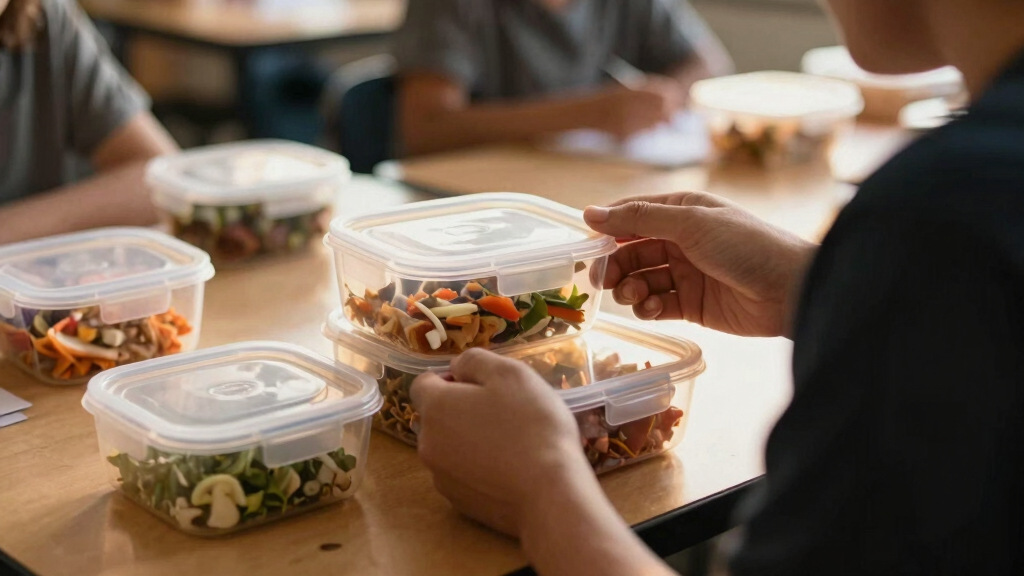
Plastic containers are lightweight and affordable. Look for BPA-free options to avoid harmful chemicals. Stainless steel is virtually indestructible and maintains food temperature. Glass is non-toxic and microwave-safe but heavier and prone to breakage. Silicone is flexible, collapsible, and great for saving space.
For example, a parent I know switched to stainless steel after her child’s plastic container cracked. Now, she says it’s a game-changer, lasting years without worries about chemicals or cracks.
Understanding these materials helps you weigh the tradeoffs: plastic offers convenience and lightness but can stain and degrade over time, while stainless steel provides durability and safety but adds weight. Glass is perfect for those prioritizing non-toxicity, but its fragility can be a concern in active school environments. Silicone offers flexibility and space-saving benefits but may retain odors or stains. Your choice impacts not just the longevity of the container but also your child’s safety and the environmental footprint you leave behind.
As an affiliate, we earn on qualifying purchases.
How to Pick the Perfect Design for Your Child’s Lunchbox
- Identify what foods your child eats most. Do they need compartments for separating snacks and mains?
- Decide if insulation matters—hot soup or cold fruit might need it.
- Check for leak-proof lids—crucial for liquids or sauces.
- Consider ease of cleaning—dishwasher-safe is a plus.
- Match the size to your child’s appetite; 300-500 ml suits most kids, larger for bigger eaters.
For instance, a busy mom I know packs her 8-year-old’s lunch in a container with three compartments—chips, veggies, and a sandwich—so nothing gets soggy or mixed. It saves her time and keeps her kid happy. Choosing the right design isn’t just about aesthetics; it directly influences how well the lunch stays intact and appealing. Compartments help prevent cross-contamination and keep foods tasting fresh, while insulation can extend the enjoyment of hot or cold items. The ease of cleaning impacts daily convenience, and the size should match your child’s appetite to avoid waste or frustration. Balancing these factors ensures the lunchbox supports your child’s eating habits and your busy schedule.
Compare Top Materials: Plastic, Stainless Steel, Glass, and Silicone
| Material | Pros | Cons |
|---|---|---|
| Plastic | Lightweight, inexpensive, microwave-safe (if BPA-free) | Can stain, warp, or crack over time; some plastics contain harmful chemicals |
| Stainless Steel | Durable, eco-friendly, excellent for temperature retention | Heavy, not microwave-safe |
| Glass | Non-toxic, microwave and dishwasher safe | Heavy, breakable |
| Silicone | Flexible, collapsible, lightweight, durable | Less rigid, may stain or retain odors |
Choosing depends on your priorities: durability and safety lean toward stainless steel, while convenience favors plastic or silicone. Each material offers a unique balance of benefits and drawbacks. For example, stainless steel excels in durability and safety but may be too heavy for some children, potentially leading to discomfort or reluctance to carry the lunchbox. Plastic and silicone containers provide versatility and ease of use but might compromise longevity or safety if not chosen carefully. Understanding these tradeoffs helps you select a container that aligns with your child’s needs and your values, ensuring that your investment supports a safe, sustainable, and practical lunch routine.
Eco-Friendly Lunch Containers That Save the Planet
More parents want to cut down on plastic waste. Reusable containers—especially stainless steel and silicone—are game-changers. They cut waste by up to 80%, according to environmental studies.
Imagine packing your kid’s lunch in a bright, colorful stainless steel box that lasts for years. When you wash it daily, you’re not just cleaning; you’re reducing landfill clutter and protecting the environment.
Some brands now offer biodegradable plastics, but their durability can be hit or miss. For everyday use, stainless steel and silicone remain the safest bets for sustainability and longevity. Choosing eco-friendly containers isn’t just about reducing waste; it’s about making a conscious decision to support a healthier planet. The durability of stainless steel and silicone means fewer replacements and less environmental impact over time. While biodegradable plastics sound promising, they often compromise on durability, leading to more frequent replacements and waste. By selecting long-lasting, reusable options, you’re investing in a sustainable future for your family and the planet.
Keeping Food Fresh: Insulation and Temperature Tips
Want hot soup or cold fruit to stay just right? Insulated containers make all the difference. They use vacuum seals or gel packs to keep food at the right temperature for hours.
For example, a thermally insulated bottle keeps soup hot until lunchtime, while a separate ice pack in a silicone container keeps berries cool and fresh.
Key tip: Always pre-chill or pre-heat your containers. Adding a frozen gel pack or hot water before packing helps maintain temperature longer.
According to food safety guidelines, hot foods should stay above 140°F, and cold foods below 40°F, to prevent bacteria growth. Correct temperature management is crucial because it directly impacts food safety and quality. Proper insulation not only keeps food appealing but also prevents bacteria proliferation that can cause illness. Pre-chilling or pre-heating containers enhances their effectiveness, especially when packing foods that need to stay hot or cold for several hours. Neglecting these tips might result in food spoilage, bacteria growth, or discomfort for your child, making temperature control a vital part of your lunch routine.
Smart Features and Trendy Designs Parents Love
Some new lunch containers come with smart features—like temperature indicators or tracking via smartphone apps. They help parents monitor freshness in real time.
Design-wise, vibrant colors, playful patterns, and personalized options make lunchtime fun. Kids love containers with their favorite superheroes or bright patterns, making them more excited about school lunches.
Modular systems with removable compartments let you customize each lunch, adapting to your child’s evolving tastes.
For example, a parent I know switched to a container with a built-in timer that glows when the food is at the right temperature—no more guessing if the lunch is still good.
These trendy features can significantly improve the lunch experience, but it’s essential to consider their practicality. Smart features like temperature indicators or app tracking can help busy parents ensure food safety without opening the container multiple times, which could compromise temperature and freshness. Kids are often drawn to colorful, playful designs that reflect their personalities, encouraging them to take pride in their lunch. Modular systems also promote flexibility, allowing you to adapt as your child’s tastes change. However, always weigh the added convenience against potential drawbacks like increased cost or complexity—choosing features that genuinely improve safety and enjoyment makes your investment worthwhile.
How to Keep Your Lunch Containers Clean and Long-Lasting
Proper cleaning prolongs the life of your containers and keeps food safe. Most are dishwasher safe, but hand washing with mild soap prevents staining and odors.
For example, silicone containers can stain from berries, but a soak in warm water with a drop of dish soap restores clarity. Avoid abrasive scrubbers—they can scratch surfaces and harbor bacteria.
Inspect lids and seals regularly for cracks or wear. Replace them when needed to keep leaks at bay and maintain safety.
Remember: dry containers thoroughly before stacking or storing to prevent mold or odors.
Maintaining your containers isn’t just about cleanliness—it’s about ensuring they continue to protect your child’s food and last for years. Proper cleaning techniques and regular inspections of seals and hinges prevent bacteria buildup, leaks, and deterioration. This proactive approach saves money and ensures your child’s lunch remains safe and appealing. Drying containers thoroughly before stacking prevents moisture buildup that can lead to mold or unpleasant smells, extending the lifespan of your investment and maintaining hygiene standards effectively.
Frequently Asked Questions
What materials are safest for school lunch containers?
BPA-free plastics, stainless steel, and glass top the list for safety. They avoid harmful chemicals and are proven to be durable for daily use.
Are insulated containers worth it?
Absolutely. They keep hot foods hot and cold foods cold for hours, which can make a big difference in the quality and safety of your child’s lunch.
How do I clean and maintain my lunch containers?
Most are dishwasher safe, but hand washing with mild soap extends their life. Regularly check seals and replace when worn to prevent leaks and bacteria buildup.
What size should I choose for my child?
Usually, 300-500 ml suits most kids, but larger sizes are better for bigger appetites or older children. Consider your child’s hunger and age when selecting.
Are collapsible containers practical?
Yes, they save space when not in use, and many are durable enough for daily school use. Just ensure they’re sturdy and leak-proof before buying.
Conclusion
Picking the right school lunch container isn’t just about style—it’s a bout safety, sustainability, and making lunch prep easier. A durable, eco-friendly container transforms a messy, boring lunch into a snack your kid actually looks forward to eating.
Next time you pack, think about the material, design, and how it fits your child’s needs. After all, a great container isn’t just a box—it’s a tool for healthier, happier lunches.
Fall Picks
fall essentials
As an affiliate, we earn on qualifying purchases.