
🔍 Read the full analysis: Ribollita Weather Begins: Tuscany's Twice-Cooked Bread Soup on Mad Tasting

Get kitchen staples and gadgets delivered free with Prime
- Fast, free delivery on millions of items
- Prime Video, Amazon Music and more included
- Member-only deals all year
TL;DR
Ribollita, the Tuscan bread soup whose name means “reboiled,” comes into its own as cool, damp weather arrives in Tuscany before winter sets in. Its defining method — resting the soup so bread absorbs the broth, then gently reheating — transforms a simple bean-and-greens soup into a thick, stew-like dish rooted in cucina povera traditions.
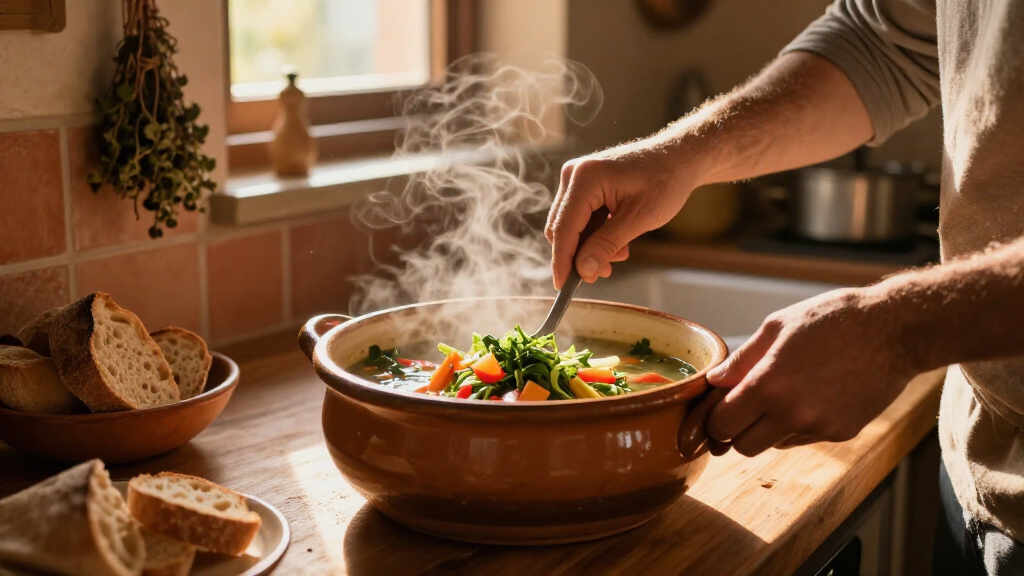
Ribollita season has arrived in Tuscany, as cool, damp days ahead of true winter bring the region’s signature twice-cooked bread soup back into kitchens. The dish — a thick stew of white beans, cavolo nero, vegetables, and stale country bread — is defined by its method: the soup rests after cooking, letting the bread absorb the broth, and is then gently reheated until it becomes a cohesive, spoon-standing meal rather than a thin soup.
The name ribollita means “reboiled” or “boiled again,” and the method behind the name is confirmed by reference works. The Italian encyclopedia Treccani describes ribollita as a Tuscan preparation based on reheated bread-and-vegetable soup, supporting the connection between the dish’s name and its defining technique. According to culinary writing from Mad Tasting, the second heating is not merely folklore: resting and gentle reheating allow the bread to absorb broth, soften into the beans, and create the dish’s characteristic thickness — a texture in which starch, bean purée, and vegetable broth become one.
The dish belongs to cucina povera, literally “poor cooking,” the resourceful cuisine of rural and working Tuscan households. Its established principles are seasonality, thrift, and patience: one pot, inexpensive vegetables, and bread saved from being thrown away. Tuscan households historically stretched vegetable soup across several meals, adding bread and heat to turn leftovers into something better. A frequently repeated story about servants gathering bread from aristocratic banquet tables and boiling it into supper should be treated as culinary folklore rather than documented history.
The core ingredient list is short: cannellini beans, a slowly cooked soffritto of onion, carrot, and celery, cavolo nero (also called Tuscan, lacinato, or dinosaur kale), stale dense bread, and peppery extra-virgin olive oil. According to Mad Tasting, the soup’s depth comes from slow browning, bean starch, and resting time — not cream, meat, or heavy seasoning. Traditional recipes use pane sciocco, Tuscany’s unsalted bread, though a rustic sourdough or plain Italian loaf works outside the region. Fresh sandwich bread is not recommended; it collapses and can leave the pot gummy.
Ribollita Weather Begins
As cool, damp days arrive in Tuscany before true winter, the region’s signature twice-cooked bread soup returns to kitchens. Its defining method — resting the soup so stale bread absorbs the broth, then gently reheating — transforms a simple bean-and-greens soup into a thick, stew-like dish rooted in cucina povera tradition.
“Without the pause, you have a good Tuscan-style soup, but not fully realized ribollita.”
— Mad TastingWhy the Rest Defines the Dish
The pause between cooking and reheating separates ribollita from ordinary bean-and-kale soup. The rest lets bread drink the broth from within the body of the dish, so on reheating, separate ingredients collapse into one thick, spoon-standing mixture — comparable to how lasagna settles into clean slices after resting.
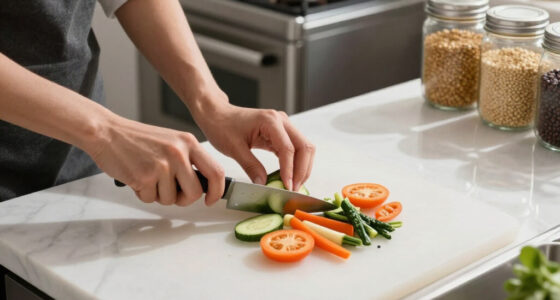
Cook the Base
Slow-simmered soffritto of onion, carrot and celery with cannellini beans and cavolo nero. Season lightly.
Layer in Bread
Firm, stale country bread goes into the body of the dish — not served alongside it.
Rest Overnight
Cool promptly, refrigerate the covered pot. The bread absorbs broth, beans soften, starch thickens.
Gentle Reheat
Reheat to a full simmer — never a violent boil. Finish each bowl with peppery Tuscan olive oil.
A Short, Thrifty List
Depth comes from slow browning, bean starch, and resting time — not cream, meat, or heavy seasoning. Cucina povera principles: seasonality, thrift, and patience.
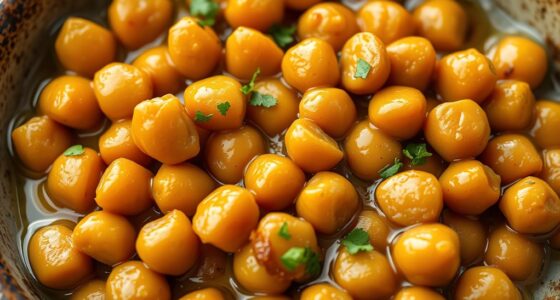
Cannellini Beans
Dried beans give a silkier liquid; canned work for a reliable weeknight version. Purée roughly one-quarter to add body.
Cavolo Nero
Also called Tuscan, lacinato, or dinosaur kale. Remove tough central ribs; other sturdy winter greens can substitute.
Pane Sciocco
Tuscany’s unsalted bread holds structure while soaking. Outside the region, a two-day-old country loaf works.
Soffritto
Onion, carrot, and celery, slowly browned. This slow browning is a key source of the soup’s depth.
Peppery Olive Oil
A finishing pour of Tuscan extra-virgin olive oil per bowl — recommended over a heavy snowfall of cheese.
Salt, Adjusted Late
Beans, greens, and bread all absorb salt. Season the base lightly; adjust only after the soup has rested.
Which Bread Holds Up?
Bread choice can make or break the pot. Dense, stale loaves hold structure while absorbing broth; fresh sandwich bread collapses and turns gummy. If bread is fresh, cut into 1-inch pieces and dry in a 250°F oven for 20–30 minutes.
| Bread Type | Holds Structure | Absorbs Broth Well | Risk of Gumminess | Verdict |
|---|---|---|---|---|
| Pane sciocco (unsalted Tuscan) | ✓ Excellent | ✓ Excellent | ✗ Low | Traditional choice |
| Two-day-old country loaf | ✓ Good | ✓ Good | ✗ Low | Best outside Tuscany |
| Rustic sourdough / Italian loaf | ~ Moderate | ✓ Good | ~ Moderate | Workable substitute |
| Fresh sandwich bread | ✗ Collapses | ✗ Too fast | ✓ High | Not recommended |
Folklore Versus Documented Origins
The precise origin of ribollita is not documented. The banquet-servants story — servants gathering bread from aristocratic tables and boiling it into supper — circulates widely but is culinary folklore, not established history. What is well supported: Tuscan households reheated bread-and-vegetable soup across multiple meals, and the Treccani encyclopedia confirms the name refers to reheating.
The Name Means “Reboiled”
Treccani, the Italian encyclopedia, describes ribollita as a Tuscan preparation based on reheated bread-and-vegetable soup — supporting the link between name and technique.
The Banquet-Servants Tale
Claims about specific inventors, dates, or villages of origin are unverified. Recipe ratios, tomato use, and bread choice vary by household — there is no single canonical recipe.
The Seasonal Chain
Ribollita weather arrives before real winter: pewter skies, rain-shined streets, wet leaves and chimney smoke. One pot made on Sunday, reheated on Monday — and by many accounts, even better on Tuesday.
Why the Resting Method Defines the Dish
The pause between cooking and reheating is what separates ribollita from ordinary bean-and-kale soup. According to Mad Tasting, without the overnight rest, the result is a good Tuscan-style soup, but not fully realized ribollita. The rest lets the bread drink the savory broth from within the body of the dish, so that on reheating, separate ingredients collapse into a single thick mixture — comparable to how lasagna layers settle into clean slices after resting.
The dish also matters as a model of practical seasonal cooking: one pot made on Sunday can be reheated on Monday and, by many accounts, tastes even better on Tuesday. For readers cooking at home, ribollita demonstrates how thrift traditions — stale bread, dried beans, winter greens — produce a hearty meal without expensive ingredients, which explains its continued presence on Tuscan tables and restaurant menus through the cold months.
As an affiliate, we earn on qualifying purchases.
Cucina Povera Roots and Tuscan Bread
: “Ribollita’s origins lie in the Tuscan countryside, where nothing usable was discarded. The region’s traditional bread, pane sciocco, contains no salt — a habit dating back centuries — and its dense texture makes it well suited to soups, where it holds structure while soaking up liquid. Outside Tuscany, a two-day-old country loaf with a sturdy crust serves the same purpose; if bread is fresh, it can be cut into 1-inch pieces and dried in a 250°F oven for 20 to 30 minutes.
The seasonal framing is tied to Tuscany’s climate: ribollita weather arrives before real winter, when skies turn pewter, streets shine with rain, and the air carries wet leaves and chimney smoke. These are the cool, damp days when beans, cavolo nero, and bread become especially welcome — Tuscany’s equivalent of soup season.
“Without the pause, you have a good Tuscan-style soup, but not fully realized ribollita.”
— Mad Tasting
Folklore Versus Documented Origins
The precise origin of ribollita is not documented. The banquet-servants story cited above circulates widely but is culinary folklore, not established history. What is well supported is the general practice: Tuscan households reheated bread-and-vegetable soup across multiple meals, and Treccani confirms the name refers to reheating. Beyond that, claims about specific inventors, dates, or villages of origin should be treated as unverified.
Recipe details also vary by household and region; ratios of beans to greens to bread, the use of tomato, and the choice of bread all differ among versions, and there is no single canonical recipe.
Cooking Ribollita Across the Season
As winter deepens in Tuscany, ribollita will remain a fixture of home kitchens and trattoria menus through the cold months. Home cooks attempting the dish should plan for a two-day process: cook the bean-and-vegetable soup, layer in firm stale bread, cool and refrigerate the pot promptly, then reheat gently the next day. Because beans, greens, and bread all absorb salt, Mad Tasting recommends seasoning the vegetable base lightly and making final adjustments only after the soup has rested. A finishing pour of peppery Tuscan extra-virgin olive oil per bowl is recommended over a heavy snowfall of cheese.
Key Questions
What does ribollita mean?
The name means “reboiled” or “boiled again” in Italian, referring to the practice of resting the soup with bread in it and then gently reheating it. Treccani describes it as a Tuscan preparation based on reheated bread-and-vegetable soup.
Why does stale bread work better than fresh bread?
Dense, stale country bread holds its structure while absorbing broth. According to Mad Tasting, fresh sandwich bread collapses quickly and can leave the pot gummy. If bread is fresh, it can be dried in a 250°F oven for 20 to 30 minutes before use.
Is ribollita just vegetable soup with bread in it?
No. The bread goes into the body of the dish and rests there, absorbing the broth. After an overnight rest and gentle reheating, the ingredients become a single thick, spoon-standing mixture — closer to a stew than a soup.
How should ribollita be stored safely?
Cook the soup, add the bread, cool it promptly, and refrigerate the covered pot — then reheat gently the next day. Reheat to a full simmer throughout. A gentle reheat, not a violent boil, preserves the texture.
What greens and beans should I use?
Cavolo nero (Tuskan, lacinato, or dinosaur kale) is traditional, with tough central ribs removed; other sturdy winter greens can substitute. Cannellini beans are standard — dried beans give a silkier liquid, while canned beans make a reliable weeknight version. Purée roughly one-quarter of the beans to add body.
Source: Mad Tasting
NFL season / tailgating Picks
team gear
As an affiliate, we earn on qualifying purchases.