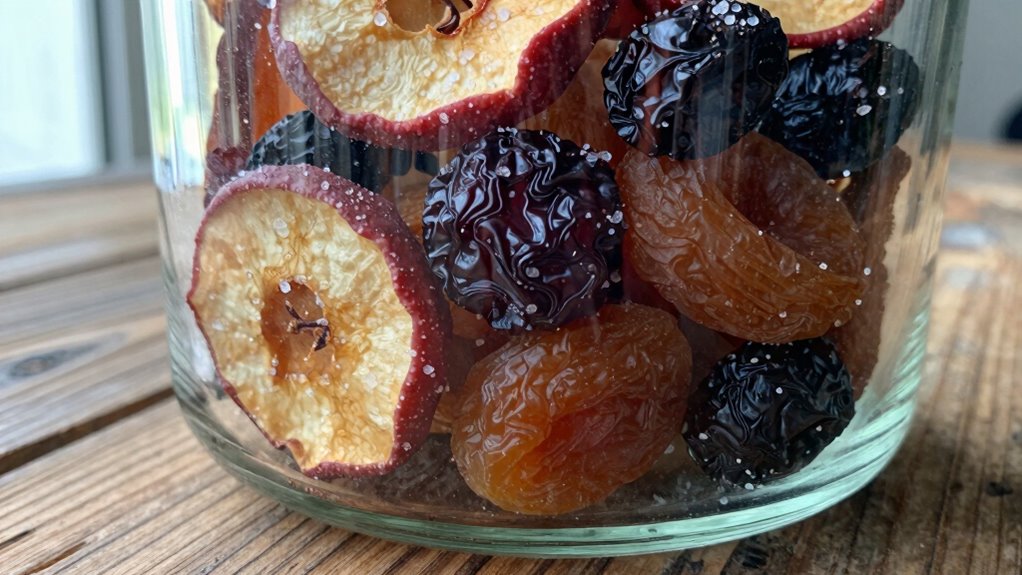

Dehydrated foods reabsorb moisture mainly because of improper packaging, environmental humidity, and temperature changes that cause water molecules to migrate back in. To stop this, use moisture-proof packaging like foil pouches or vacuum-sealed containers, store in cool, dry places, and include desiccants or oxygen absorbers. Avoid opening packages in humid areas or sealing warm foods to prevent condensation. Keep moisture out, and you’ll extend their shelf life; learn more tips below.
Key Takeaways
- Improper sealing and packaging allow moisture to re-enter dried foods, especially in humid environments.
- Temperature fluctuations and high humidity increase water movement into dehydrated foods, causing reabsorption.
- Using moisture-proof, airtight packaging and containers prevents humidity intrusion and moisture reabsorption.
- Storing dried foods in cool, dry places away from humidity sources reduces rehydration risk.
- Reconditioning affected foods with gentle heat and proper storage practices can restore quality and prevent reabsorption.

Syntus Vacuum Sealer Bags, 150 Gallon 11" x 16" and Quart 8" x 12" and Pint 6" x 10" Commercial Grade PreCut Bag, BPA Free Food Vac Bags for Storage, Meal Prep or Sous Vide
Compatible with All Desktop Vacuum Sealers: These vacuum sealer bags are designed to work with all traditional desktop…
As an affiliate, we earn on qualifying purchases.
As an affiliate, we earn on qualifying purchases.
What Causes Dehydrated Foods to Reabsorb Moisture?
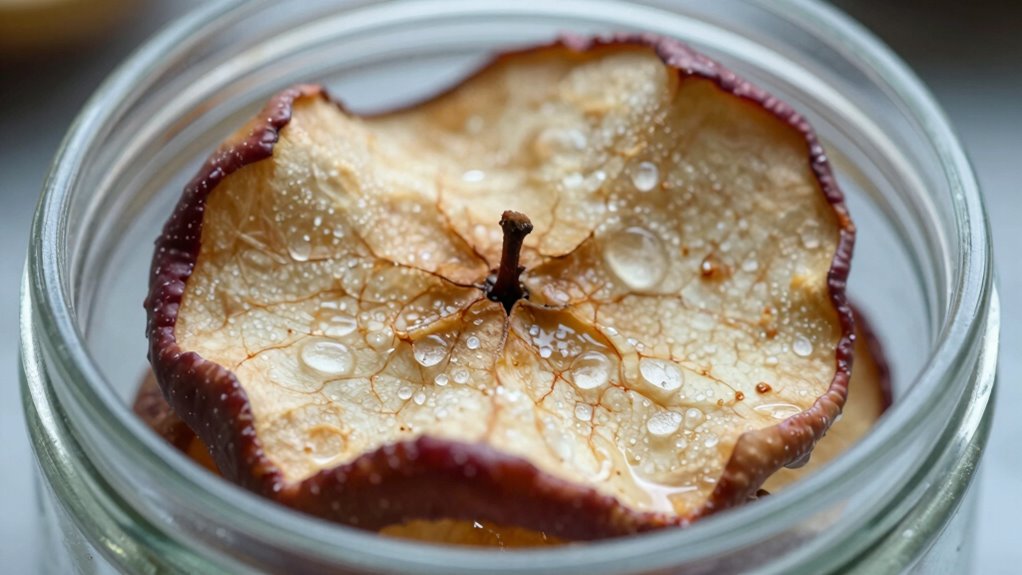
Dehydrated foods can reabsorb moisture when they are exposed to humid environments or stored improperly. Humidity intrusion occurs when moisture from the air seeps into the packaging, especially if it’s permeable. Packaging permeability plays a vital role here; if the material isn’t airtight or resistant to moisture, humidity can easily infiltrate. This exposure causes the dried food to regain moisture, compromising its texture and shelf life. Even small gaps or tiny pores in the packaging can lead to moisture reabsorption. To prevent this, you need packaging that acts as a barrier, reducing humidity intrusion. Proper storage in cool, dry places also minimizes the risk. Understanding how humidity intrusion and Packaging permeability influence moisture absorption helps you keep your dehydrated foods dry and safe. Additionally, controlling water activity levels within the food itself can help prevent reabsorption by inhibiting microbial growth and moisture transfer. Using moisture-absorbing packets can also be an effective way to maintain dryness over time. Ensuring your storage conditions maintain a low relative humidity is crucial in preventing moisture reabsorption.

30 Pcs Reusable Mylar Bags for Food Storage, Waterproof Aluminum Foil Stand Up Pouches Freezer Containers for Beans Vegetables Rice Meat Long Term Preservation, BPA Free
ULTIMATE FRESHNESS PROTECTION: Engineered with premium aluminum foil layers to block out 100% of light, moisture, and air….
As an affiliate, we earn on qualifying purchases.
As an affiliate, we earn on qualifying purchases.
Which Packaging Materials Keep Dried Foods Dry?
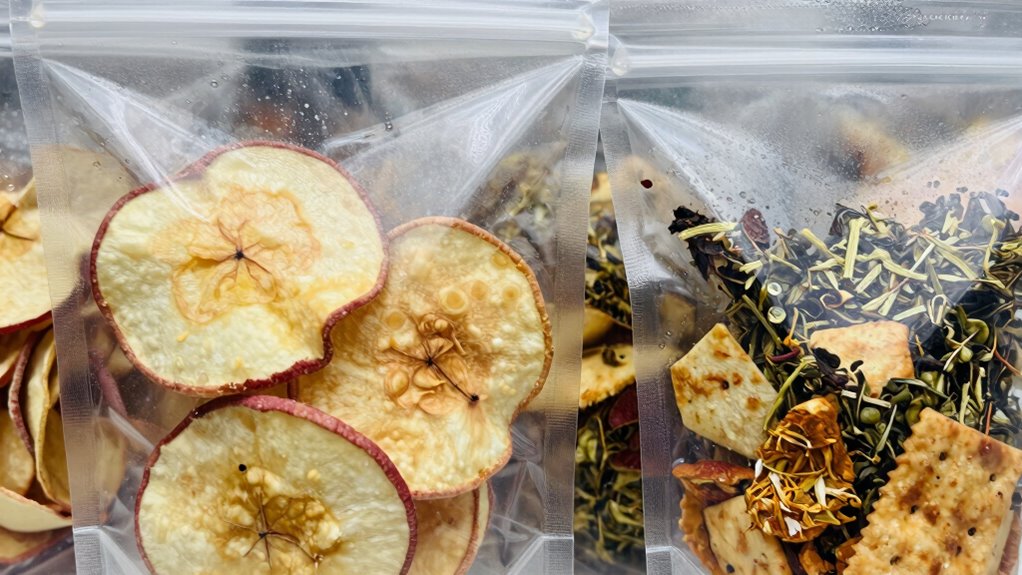
What packaging materials effectively keep dried foods dry? Vacuum packaging is one of the best options, as it removes air and reduces moisture exposure. This method creates a tight seal that prevents humidity from entering and rehydrating your dried foods. Moisture barriers are also essential; materials like foil pouches, Mylar bags, or laminated films block moisture from passing through, maintaining a dry environment inside. These barriers help preserve your dried foods’ shelf life and prevent moisture reabsorption. Avoid using plain paper or breathable fabrics, as they let moisture seep through and compromise your food’s dryness. Combining vacuum sealing with moisture-resistant packaging provides an effective defense against humidity, ensuring your dried foods stay crisp, dry, and long-lasting. Additionally, selecting packaging with proper sealing techniques is crucial to maintaining the integrity of the moisture barrier. Using Moisture barriers effectively can significantly extend the shelf life of dried foods by preventing reabsorption. Incorporating desiccants inside packaging can further absorb residual moisture, adding an extra layer of protection.

Vbeijll 5 Gram (50 Pack) Color-Indicating Silica Gel Packets, Premium Food Grade Desiccant – Rechargeable Moisture Absorbers for Food Storage, Electronics, 3D Filament & Safes
FOOD GRADE & SAFE: The storage desiccant packs are made from food grade silicone and has passed a…
As an affiliate, we earn on qualifying purchases.
As an affiliate, we earn on qualifying purchases.
How Do Environmental Factors Make Dried Foods Rehydrate?
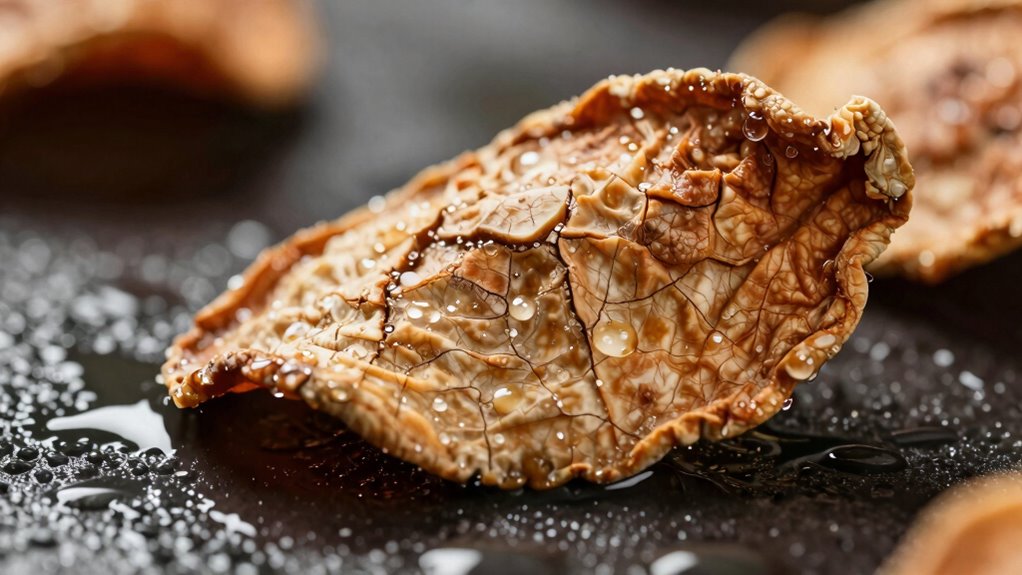
Environmental factors such as humidity, temperature fluctuations, and exposure to air can cause dried foods to rehydrate over time. Humidity influence plays a significant role, as higher moisture levels in the air can penetrate the food’s surface, leading to reabsorption of moisture. Temperature effects also matter; warm air increases the energy available for water molecules to move into the food, accelerating rehydration. When temperatures rise, the air’s capacity to hold moisture grows, increasing the likelihood of dried foods absorbing unwanted humidity. Conversely, cooler but humid conditions can also cause moisture gain. Exposure to air allows moisture to migrate from the environment into the dried food, gradually reversing the dehydration process. Recognizing the moisture transfer process helps you predict and prevent rehydration in stored dried foods. Additionally, improper storage containers can facilitate moisture infiltration, further contributing to reabsorption. To effectively prevent moisture absorption, using airtight containers is essential to block environmental humidity from reaching your dried foods.

120 Mylar Bags with 150 Oxygen Absorbers-168 Labels & Stand-Up Reusable 4 Sizes Airtight Smell Proof Resealable Bags with 15 Clips-11 MIL Food Storage Large Mylar Bags
HIGH QUALITY MATERIAL: Meet our top-notch Mylar bags for food storage with 4 sizes (10.2‘’ * 14'', 8.3''…
As an affiliate, we earn on qualifying purchases.
As an affiliate, we earn on qualifying purchases.
How Should You Store Dried Foods to Prevent Moisture?

To keep dried foods from reabsorbing moisture, you should store them in airtight containers that prevent air from entering. Place these containers in cool, dry spots away from sources of humidity, like sinks or open windows. By following these steps, you can maintain the dryness and quality of your dehydrated foods.
Use Airtight Containers
Using airtight containers is one of the best ways to keep dried foods fresh and prevent moisture from reabsorbing. These containers create a sealed environment that blocks humidity and airborne moisture, vital for effective moisture prevention. Choose containers made of glass or high-quality plastic with secure lids to guarantee a tight seal. Before storing, make sure your dried foods are completely cooled and dry, then pack them into the containers without excess air. Label each container with the date to monitor freshness. Properly sealed storage not only extends shelf life but also preserves the flavor, texture, and quality of your dehydrated foods. Additionally, support Breakfast options like incorporating dried fruits or grains can enhance your meals while maintaining freshness. Incorporating humidity control techniques, such as desiccants or humidity indicators, can further optimize storage conditions and prevent reabsorption. Remember that storing dried foods in an ideal environment minimizes the risk of moisture reabsorption and keeps your foods at their best. Ensuring an optimal storage environment can also help maintain the nutritional value of your dehydrated foods over time.
Store in Cool Places
Storing dried foods in a cool environment is essential for preventing moisture absorption and spoilage. When you keep dried foods in a cool, stable temperature, you slow down moisture reentry and preserve their quality. Use airtight packaging and store it in a cool place away from direct sunlight, heat sources, and humidity. To help you choose the best storage spots, consider this table:
| Storage Location | Benefits |
|---|---|
| Basement | Low temperature, away from sunlight |
| Pantry closet | Shielded from heat and humidity |
| Cellar | Consistent cool environment |
| Refrigerator | Extra cool, especially in humid climates |
Choosing storage areas with proper ventilation can further prevent moisture buildup and help maintain optimal dryness. Incorporating airtight containers can further prevent moisture infiltration and maintain optimal dryness. Proper ventilation in storage areas can also help control humidity levels and preserve your dried foods longer, especially in humid climates where moisture tends to accumulate more rapidly.
Keep Away From Humidity
Moisture in the air is one of the biggest threats to dried foods, as it can quickly lead to spoilage and mold growth. To prevent this, keep your dried foods away from humidity sources like open windows, humidifiers, or damp areas. Focus on humidity control in your storage environment, maintaining a dry space is essential. Proper packaging selection also plays a crucial role; use airtight containers or vacuum-sealed bags to keep moisture out. Avoid clear or flimsy packaging that allows humidity to seep in. Store your dried foods in a cool, dry place with minimal exposure to humidity. Additionally, understanding storage environment factors can help you better control moisture levels. Proper humidity management can also prevent reabsorption of moisture over time. By controlling humidity and choosing the right packaging, you can extend the shelf life of your dehydrated foods and keep them fresh longer.
How Can You Tell If Your Dried Foods Are Reabsorbing Moisture?

You can often tell if your dried foods are reabsorbing moisture by watching for changes in their appearance and texture. A quick visual inspection helps identify signs like surface sweating, clumping, or a soft, leathery feel instead of their usual crispness. Elevated humidity levels in your storage environment can accelerate moisture reabsorption, so keep an eye out for subtle shifts. If your dried fruits or vegetables become sticky or seem puffier, it’s a sign they’re reabsorbing moisture. Additionally, mold or off-odors may develop if the reabsorption continues unchecked. Proper storage conditions are essential for preventing moisture uptake and maintaining food quality. Regularly checking your stored dried foods ensures you catch these signs early, preventing spoilage and preserving their quality. Being attentive to visual cues is key to maintaining dry, crisp dried foods and understanding how humidity levels impact storage conditions. Monitoring storage environment conditions can help prevent reabsorption before it affects your dried foods.
How to Recondition Moisture-Soaked Dried Foods
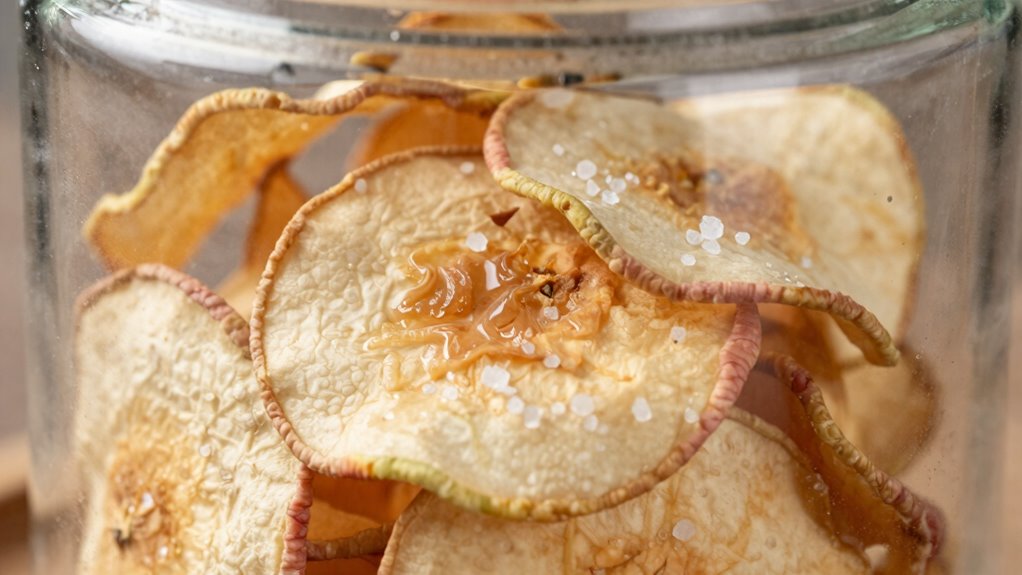
When dried foods start reabsorbing moisture and become soft or sticky, it’s important to act quickly to restore their ideal texture. Reconditioning techniques focus on removing excess moisture and preventing further absorption. First, spread the affected foods evenly on a baking sheet. Use low heat—around 140°F (60°C)—and dry them in the oven for 1-2 hours, stirring occasionally. Alternatively, a food dehydrator set to a low setting works well. Ensure proper moisture control by monitoring moisture levels during reconditioning. Store the reconditioned foods in airtight containers, ideally with desiccants or oxygen absorbers, to prevent future moisture reabsorption. This process helps restore texture, prolongs shelf life, and maintains quality, ensuring your dried foods stay crisp and shelf-stable.
How to Use Desiccants and Oxygen Absorbers Effectively

Using desiccants and oxygen absorbers effectively can substantially extend the shelf life of dried foods by maintaining ideal storage conditions. Proper desiccant placement is key; keep it in a separate pouch or container within the storage bag to avoid direct contact with your food. This prevents contamination and ensures moisture absorption occurs efficiently. When using oxygen absorbers, always choose the correct size for your package and activate them before sealing. Ensure you tightly vacuum or seal your containers to create a barrier against external moisture and oxygen. Regularly check the condition of desiccants—replace or recharge them if they become saturated. By carefully managing desiccant placement and oxygen absorber use, you create a moisture-controlled environment that keeps your dehydrated foods dry and fresh longer.
Common Mistakes That Lead to Moisture Reabsorption

One of the most common mistakes that causes dehydrated foods to reabsorb moisture is improper sealing of storage containers. Poor storage techniques, like leaving containers partially open or not sealing them tightly, allow humidity to seep in and undo your drying efforts. Packaging mistakes, such as using flimsy or incompatible materials, also contribute to moisture reabsorption. Avoid clear plastic bags or thin containers that don’t block moisture effectively. Instead, opt for airtight, moisture-proof containers designed for long-term storage. Always verify your dried foods are completely cooled before sealing, as trapped heat can cause condensation inside. By paying attention to proper storage techniques and choosing the right packaging, you prevent moisture from sneaking back in and keep your dehydrated foods dry and safe.
Quick Tips to Keep Your Dried Foods Dry Long-Term
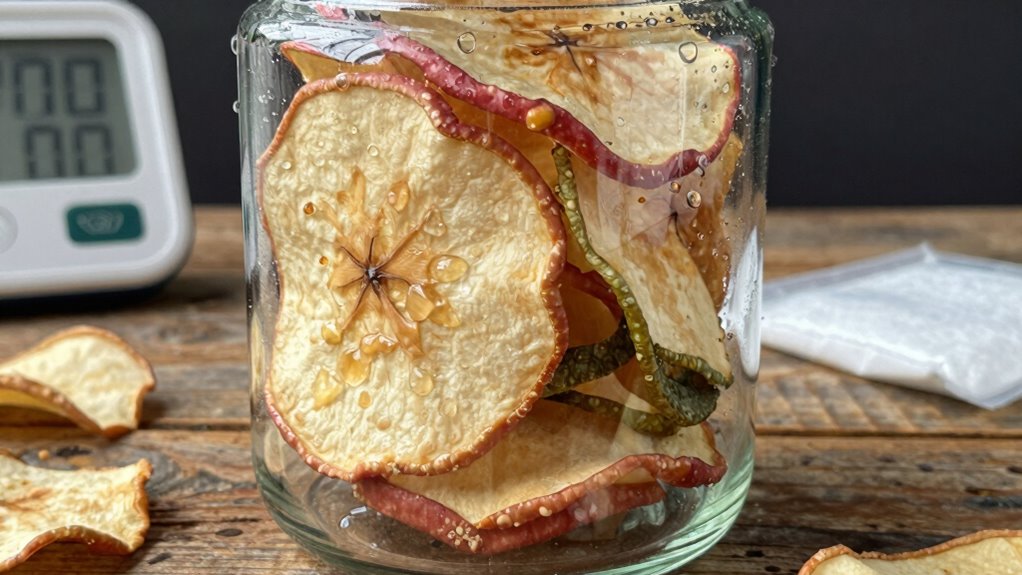
To keep your dried foods dry long-term, use moisture barrier techniques like vacuum sealing or airtight bags. Choose proper storage containers that prevent air and humidity from seeping in. These simple steps will help preserve your dried foods and prevent moisture reabsorption.
Moisture Barrier Techniques
Ensuring dried foods stay crisp and moisture-free requires effective barrier techniques. One of the best methods is vacuum sealing, which removes air and minimizes moisture exposure. Using a vacuum sealer creates a strong moisture barrier, preventing humidity from reaching your dried foods. Additionally, consider using moisture barriers such as Mylar bags or airtight containers with oxygen absorbers. These barriers help keep moisture out and prolong shelf life. Proper sealing eliminates the air pockets where moisture can settle, reducing the risk of reabsorption. When combined with these moisture barriers, vacuum sealing offers a reliable way to protect your dehydrated foods from humidity. Regularly inspecting your storage and resealing as needed ensures long-term dryness and preserves the quality of your dried foods.
Proper Storage Containers
Choosing the right storage containers is essential for keeping your dried foods dry and fresh over the long term. Opt for airtight storage solutions to prevent moisture from sneaking in and causing reabsorption. Proper containers help maintain low humidity levels and preserve quality. To maximize moisture prevention, consider these tips:
- Use food-grade, airtight jars or containers with secure seals
- Avoid clear containers that let light in, which can degrade dried foods
- Store containers in cool, dark, dry places to minimize moisture exposure
Frequently Asked Questions
Can Dehydration Methods Influence a Food’s Likelihood to Reabsorb Moisture?
Yes, dehydration techniques can influence a food’s likelihood to reabsorb moisture. Using proper dehydration methods, like thorough drying and even heat application, reduces residual moisture, making reabsorption less likely. Additionally, storing foods in ideal storage environments—cool, airtight, and low humidity—further prevents rehydration. By combining effective dehydration techniques with ideal storage, you guarantee your dried foods stay crisp and moisture-free for longer periods.
Are There Specific Preservatives That Prevent Moisture Reabsorption?
Surprisingly, yes, certain preservatives can stop moisture reabsorption. Natural preservatives like vitamin E or rosemary extract act as moisture barriers, preventing rehydration. You might think these foods are destined to reabsorb moisture, but applying these natural preservatives creates a shield, keeping your dried foods crisp. So, next time you want to preserve dryness, remember that moisture barriers and natural preservatives can be your best friends in maintaining perfect dryness.
How Does Altitude Affect Moisture Reabsorption in Dried Foods?
Altitude effects can influence moisture reabsorption in dried foods by altering atmospheric pressure and humidity levels. As you move to higher elevations, the lower pressure and increased humidity can promote moisture migration into your dried foods. To prevent this, store your foods in airtight containers, use desiccants, and consider vacuum sealing. These steps help maintain dryness, regardless of altitude, and keep your dried foods fresh longer.
Can Vacuum Sealing Completely Prevent Dried Foods From Reabsorbing Moisture?
Vacuum sealing can’t guarantee dried foods won’t reabsorb moisture, but it’s your best defense. If you maintain perfect vacuum integrity and use proper sealing techniques, you markedly reduce the risk. Keep the seal intact, store foods in cool, dry places, and avoid sharp objects that compromise the seal. While no method is foolproof, good sealing habits help your dried foods stay crisp and moisture-free longer, almost like a fortress against humidity.
What Role Do Temperature Fluctuations Play in Moisture Reabsorption?
Temperature fluctuations cause humidity shifts inside your storage, making dehydrated foods reabsorb moisture. When storage temperature rises, the air’s humidity level increases, leading to moisture seeping into dried foods. Conversely, cooling can cause condensation, also reintroducing moisture. To prevent this, keep dried foods in a cool, stable environment with consistent temperature and low humidity. Proper sealing and using moisture absorbers help maintain dryness despite temperature swings.
Conclusion
To keep your dried foods crisp and flavorful, think of your storage like a protective fortress, shielding them from sneaky moisture sneaking in with each gust of humid air. Imagine them standing tall and dry, untouched by the dampness outside. With the right packaging, careful environmental control, and mindful habits, you’ll enjoy their crunch and freshness long after the package is opened. Keep moisture out, and your dried foods will stay deliciously perfect, ready whenever you reach for a tasty snack or ingredient.