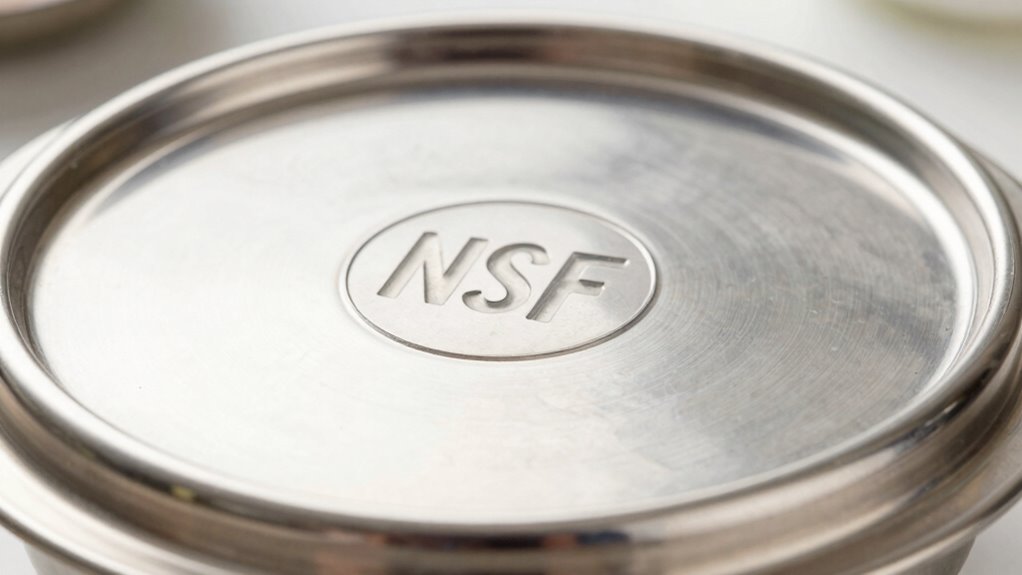
NSF certification is a trusted mark that shows your food gear and equipment meet strict safety and quality standards. When you see the NSF label, it means the product has undergone rigorous testing for materials, safety, and cleaning standards. Recognizing genuine labels helps prevent contamination and food safety issues. If you want to understand what the NSF certification really means and how to spot authentic labels, keep exploring this guide for all the details.
Key Takeaways
- NSF certification ensures food gear meets strict safety standards, reducing contamination and foodborne illness risks.
- Look for clear, durable NSF labels with certification numbers to verify authenticity.
- The certification process involves rigorous testing, product evaluation, and ongoing compliance checks.
- Not all certifications are equal; NSF is recognized globally for high safety and quality standards.
- Avoid uncertified products; verify labels through official sources and report counterfeit items to maintain safety.
Why NSF Certification Matters for Food Safety

When it comes to ensuring food safety, NSF certification plays a crucial role in verifying that products and equipment meet strict health standards. This certification is important because it provides confidence that the items you use in food preparation are safe and compliant with industry regulations. By choosing NSF-certified products, you reduce the risk of contamination, foodborne illnesses, and regulatory violations. The certification importance lies in its rigorous testing and ongoing compliance checks, ensuring that standards are consistently met. When you see NSF approval, you can trust that the equipment has been thoroughly evaluated and is designed to maintain high food safety standards. This peace of mind is essential for maintaining quality and safety in any food service or preparation environment. Understanding contrast ratio helps to appreciate how visual clarity and safety are both crucial in food gear and presentation settings. Additionally, the comprehensive testing process ensures that certified products meet all necessary safety criteria, giving manufacturers and consumers added confidence. It also helps to establish trust with consumers who prioritize food safety standards, making NSF certification a key factor in choosing reliable food equipment. Moreover, the ongoing compliance monitoring guarantees that products continue to meet safety requirements throughout their lifespan. Furthermore, the industry recognition associated with NSF certification enhances credibility and consumer trust for businesses.
How to Spot NSF Labels on Food Storage and Cookware
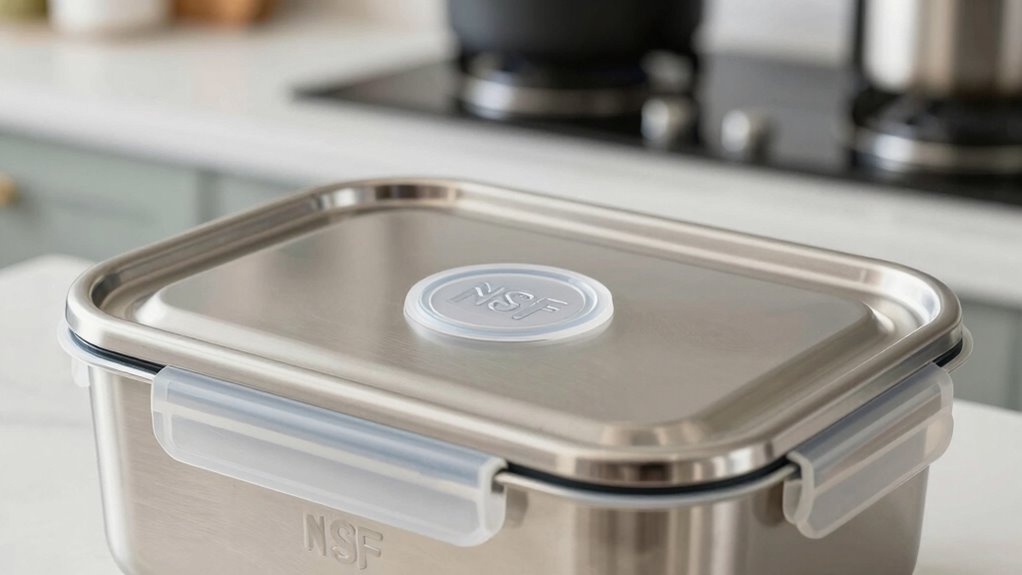
Are you wondering how to quickly identify NSF-certified food storage and cookware? The key is to look for clear, durable labels that state “NSF” along with the specific standard number. Typically, NSF-certified products have a visible stamp or sticker on the bottom or side, making it easy to verify. Food storage containers and cookware labels often include the NSF logo, sometimes accompanied by certification details. Check for a consistent, professional appearance—faded or peeling labels may indicate lower quality or counterfeit products. Keep in mind that NSF labels are usually heat-resistant and unaffected by washing, so inspect the label for longevity. Being familiar with these visual cues helps ensure that your food storage and cookware meet safety standards. Additionally, verification methods such as reviewing manufacturer documentation can provide further confirmation of NSF certification authenticity. Recognizing certification marks promptly can save you time and ensure your kitchen items are safe for food contact. Furthermore, understanding the safety standards associated with NSF certification can give you extra confidence in your purchase decisions. Knowing about standard compliance can also help you select products that meet specific health and safety regulations. Being aware of the testing procedures involved in certification can enhance your trust in NSF-listed products.
The Main NSF Standards You Should Know
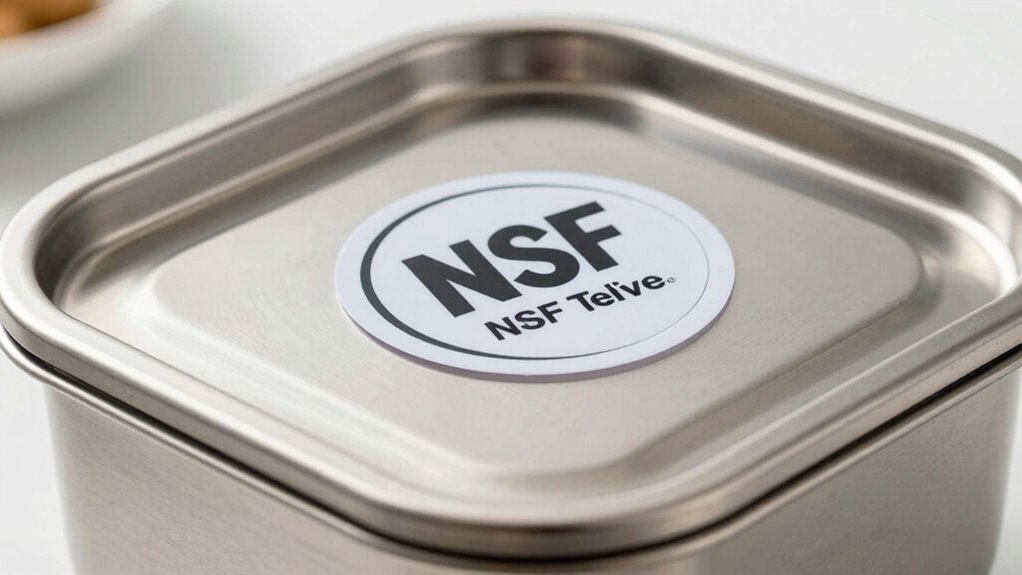
Understanding the main NSF standards helps you confidently select safe, reliable food storage and cookware. These standards guarantee products meet strict requirements for food safety and durability. The key NSF standards include:
- NSF/ANSI 51: Focuses on food equipment materials, ensuring they won’t leach harmful substances.
- NSF/ANSI 61: Covers health effects and safety of drinking water system components.
- NSF/ANSI 2: Applies to food equipment, ensuring ease of cleaning and sanitation. Media literacy is essential for interpreting product labels and certifications accurately.
How NSF Certification Is Granted to Food Gear
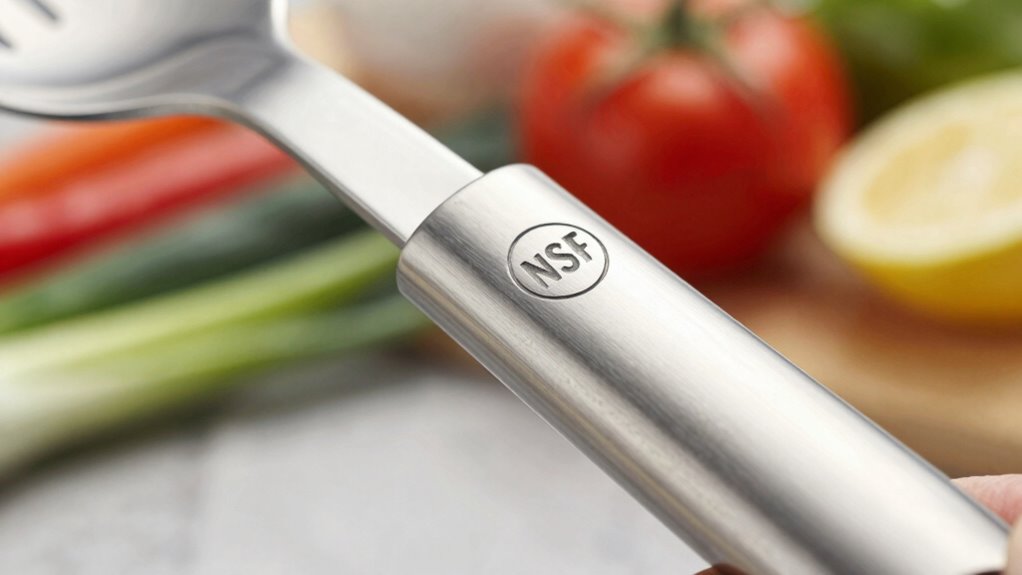
To get NSF certification, food gear must undergo rigorous testing and inspection to meet strict safety and performance standards. The certification process involves evaluating materials, manufacturing practices, and product design to verify they comply with NSF’s requirements. You’ll find that NSF’s experts thoroughly review documentation and conduct on-site audits to confirm quality assurance measures are in place. This process affirms that the product is safe for food contact and durable enough for commercial or household use. Additionally, it ensures that the gear complies with food safety standards and is free from harmful contaminants. The certification process also includes verifying manufacturing consistency, which is essential for maintaining ongoing product quality. Regular re-evaluation and quality assurance checks are part of the certification renewal process to uphold these standards over time. The importance of quality control in manufacturing is emphasized throughout the certification process to prevent deviations from established standards. Once the gear passes all tests and inspections, NSF grants certification, indicating it meets established safety and quality standards. The process is designed to protect consumers and ensure consistent product quality, giving you confidence that the food gear you rely on is safe and reliable.
Verifying NSF Certification and Avoiding Fake Labels

Verifying NSF certification is essential to guarantee you’re not fooled by fake labels that claim safety and quality. To ascertain label authenticity and minimize counterfeit risks, always check for the official NSF mark directly on the product. Avoid relying solely on photographs or scanned images of labels. Instead, follow these steps:
Always verify NSF certification directly on the product to ensure authenticity and safety.
- Visit the NSF website or use their verification tool to confirm the certification number.
- Look for the NSF logo that appears clear and unaltered on the product or packaging.
- Contact NSF customer service if you’re unsure or can’t verify the label online.
- Discover the Future of Modern Kitchen Technology to stay informed about innovations that prioritize safety and quality in food gear.
- Always be aware of product authenticity and ensure the label matches official certification records.
- Remember that certification standards are established to uphold safety and quality across the industry.
- Being familiar with vetted products’ qualities can help you make smarter purchasing decisions and avoid potentially unsafe items.
- Incorporating proper testing procedures can further ensure the reliability of your food gear certifications.
Common Myths About NSF Certification Debunked
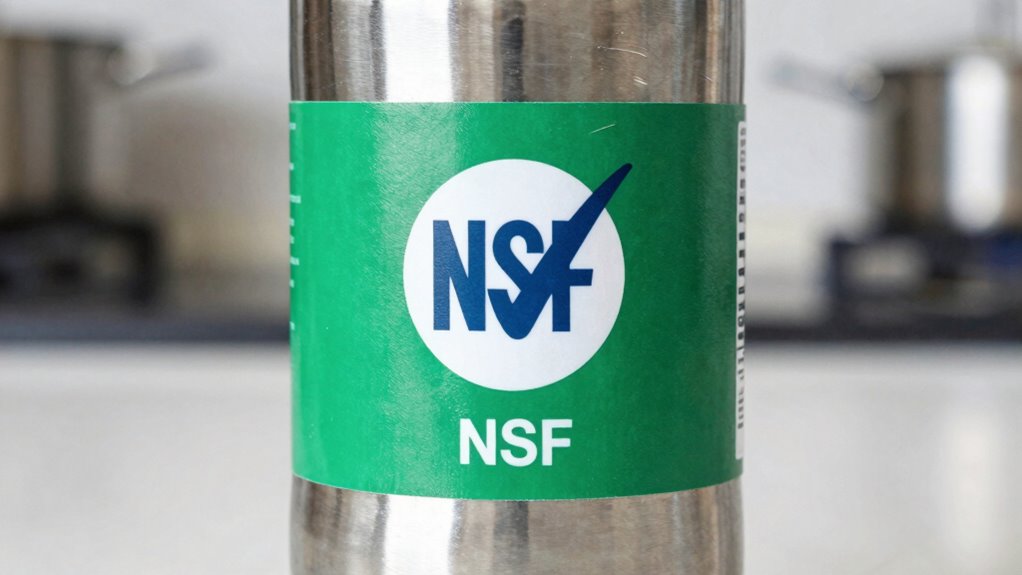
Many people assume all certifications are created equal, but that’s not true with NSF. Understanding the certification process helps you recognize what sets NSF apart from other labels. Let’s clear up this common misconception and see why NSF certification is so valuable. For example, the NSF process involves rigorous testing and ongoing compliance checks, ensuring the reliability of food gear you rely on in your home. This thorough approach helps prevent contamination and guarantees safety standards are maintained over time. Additionally, NSF certification requires adherence to industry standards, which further emphasizes its importance in maintaining product integrity. The certification also involves comprehensive testing, which ensures products meet strict safety and performance criteria.
Myth: All Certifications Are Equal
Not all certifications are created equal, and assuming they are can lead to serious misunderstandings about quality and safety. Certification differences matter because they indicate specific standards a product meets. Relying solely on label comparisons can be misleading, as some labels suggest safety or compliance without verification. To clarify, consider these points:
- Some certifications focus only on manufacturing processes, not safety.
- Others might be industry-specific, lacking broad safety guarantees.
- The NSF mark is recognized globally for rigorous testing and standards.
Knowing the distinctions helps ensure you select genuinely safe, high-quality food gear. Don’t assume that every certification on a product means the same level of trust; instead, look into what each label truly verifies. This awareness ensures you get the safety and quality you deserve.
Misunderstanding Certification Processes
One common myth about NSF certification is that the process is quick and straightforward, but in reality, it involves rigorous testing and multiple steps to guarantee safety and compliance. Many people have certification misconceptions, assuming it’s a simple approval rather than a thorough evaluation. This process misunderstandings can lead to underestimating how much effort goes into achieving NSF certification. It includes product testing, facility inspections, and ongoing compliance checks, not just a one-time approval. Knowing this helps you appreciate the value of the certification and understand that it’s a mark of proven safety and quality. Don’t fall for the false idea that NSF certification is quick or easy; it’s a detailed process designed to protect consumers and ensure standards are met consistently.
Tips for Choosing NSF-Certified Food Gear
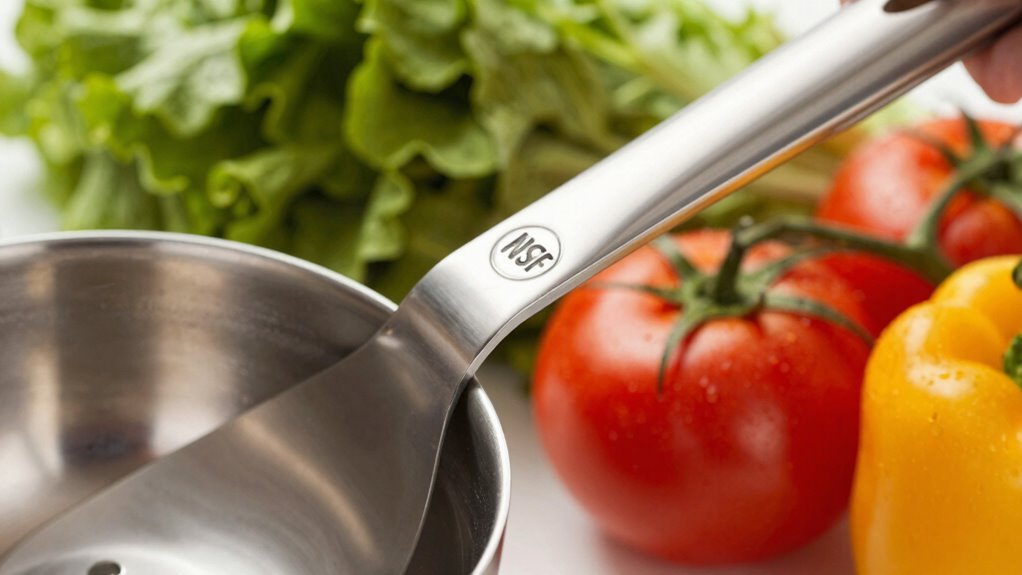
When selecting food gear, choosing NSF-certified products guarantees you’re getting equipment that meets strict safety and quality standards. To make certain you’re making the right choice, look for clear NSF labels and verify certification numbers. Consider the gear’s durability, as NSF certification often indicates high-quality materials designed to withstand frequent use. Additionally, prioritize products that are easy to clean, promoting better food safety. Here are some tips to help you choose wisely:
- Check for the official NSF mark and certification number
- Assess the gear’s material quality for long-lasting durability
- Read reviews to confirm ease of cleaning and maintenance
What to Do When a Product Lacks Proper Certification

If you come across a product that lacks proper certification, it’s important to proceed carefully. Without NSF or other recognized marks, the product could be unsafe or subject to product recalls, especially if it’s used for food preparation. Be wary of certification scams that falsely claim certification or quality. Check the packaging for legitimate certification labels and verify them through official sources. Avoid purchasing from unverified sellers or suspicious websites. If you suspect a product is uncertified or counterfeit, report it to relevant authorities to prevent others from being misled. Trustworthy certification helps guarantee safety, but when missing, it’s better to err on the side of caution and choose certified alternatives to avoid potential health risks.
Frequently Asked Questions
Does NSF Certification Guarantee Product Durability and Performance?
NSF certification doesn’t guarantee product durability or performance, but it does indicate that the item meets strict performance standards for safety and sanitation. You can trust that NSF-certified gear adheres to quality benchmarks, which supports product longevity. However, actual durability depends on usage, care, and material quality. So, while NSF certification is a good sign of safety, it shouldn’t be the sole factor in evaluating a product’s overall performance and longevity.
How Often Should Nsf-Certified Food Gear Be Re-Evaluated?
Think of NSF certification as a garden that needs regular tending. You should re-evaluate your food gear’s certification renewal every 1 to 3 years, depending on usage and wear. This re-evaluation frequency helps guarantee your gear remains safe and compliant with standards. Staying proactive keeps your equipment in peak condition, just like tending a garden helps it flourish, safeguarding your health and maintaining trust in your food safety practices.
Are There Costs Associated With Obtaining NSF Certification?
Yes, there are cost implications when obtaining NSF certification. You’ll need to cover certification fees, which vary depending on the product and scope of testing required. These fees can include application costs, inspection charges, and ongoing renewal expenses. While the initial investment might seem significant, securing NSF certification can boost your product’s credibility and open doors to new markets, making it a worthwhile investment for your food gear business.
Can Non-Certified Products Become Nsf-Certified Later?
Yes, non-certified products can become NSF-certified later through a product upgrade and the certification process. You need to submit your product for testing and inspection to meet NSF standards. This process verifies that your item complies with safety and quality requirements. While it may take some effort and time, achieving certification later demonstrates your commitment to safety and can boost your product’s credibility and marketability.
What Industries Beyond Food Safety Utilize NSF Certification?
Beyond food safety, NSF certification plays a crucial role in industries like water treatment, healthcare, and hospitality. You’ll find it ensures compliance with health regulations and guarantees quality assurance in products like water filters, medical equipment, and cleaning supplies. This certification helps you trust that the products meet strict standards, reducing risks and maintaining safety across various sectors. It’s necessary for protecting public health and ensuring consistent quality.
Conclusion
Knowing how to spot NSF certification is like having a trusted lighthouse guiding you safely through a sea of options. It ensures your food gear meets strict safety standards, protecting your health and peace of mind. Always check for the reliable label before making a purchase, so you don’t get lost in the fog of fake claims. With this knowledge, you’re equipped to make smarter, safer choices—your kitchen’s safety net is now firmly in your hands.