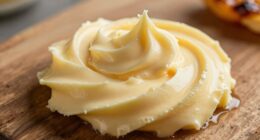
Natural peanut butter separates because it contains only ground peanuts and natural oils, without stabilizers or emulsifiers. Over time, these oils naturally rise to the top due to their chemical properties, which is normal and safe. Proper storage and regular stirring help manage this separation without compromising freshness. If you want to understand why this happens and how to handle it, there’s more you can explore below.
Key Takeaways
- Separation is a natural result of the absence of stabilizers, caused by the natural oils rising to the top.
- It indicates freshness and ingredient purity, not spoilage or deterioration.
- Proper storage in a cool, airtight container slows separation and preserves flavor.
- Regularly stirring the peanut butter reincorporates the oil for a smooth, uniform spread.
- Separation is normal in natural peanut butter and does not mean the product is unsafe to eat.
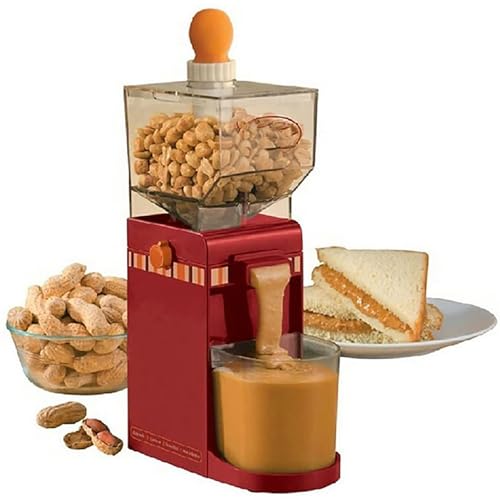
DBXMJWCMDT Electric Nut Grinder Peanut Butter Maker Machine, 500ml Large-Capacity Almond/Cashew/Sesame Grinding Mill with Non-Slip Base, Efficient Home & Commercial Nut Butter Processor
【Homemade Peanut Butter Maker】 This 500ml electric grinder allows you to create fresh, natural peanut butter and nut...
As an affiliate, we earn on qualifying purchases.
Why Does Natural Peanut Butter Separate, and Is It Safe?
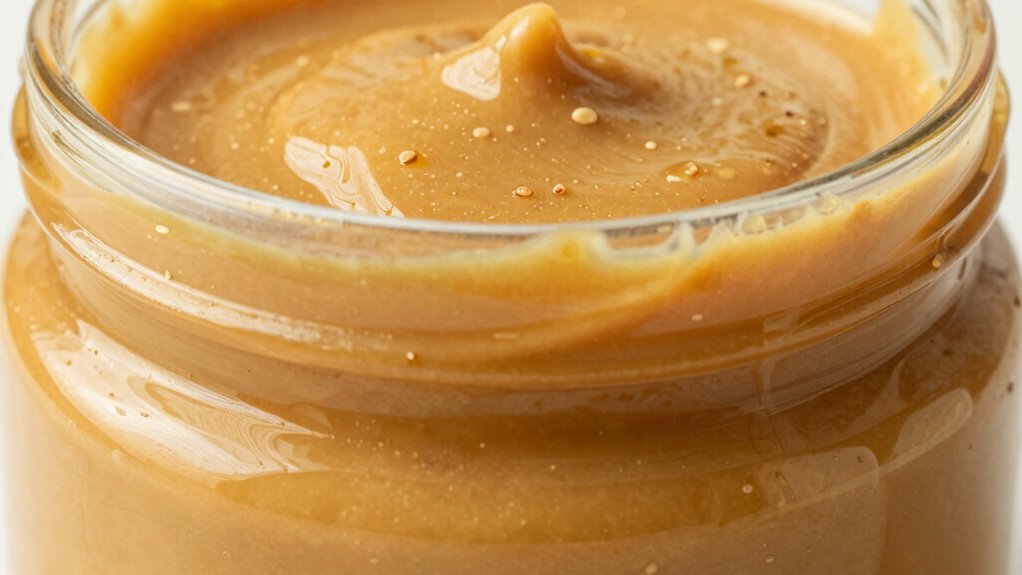
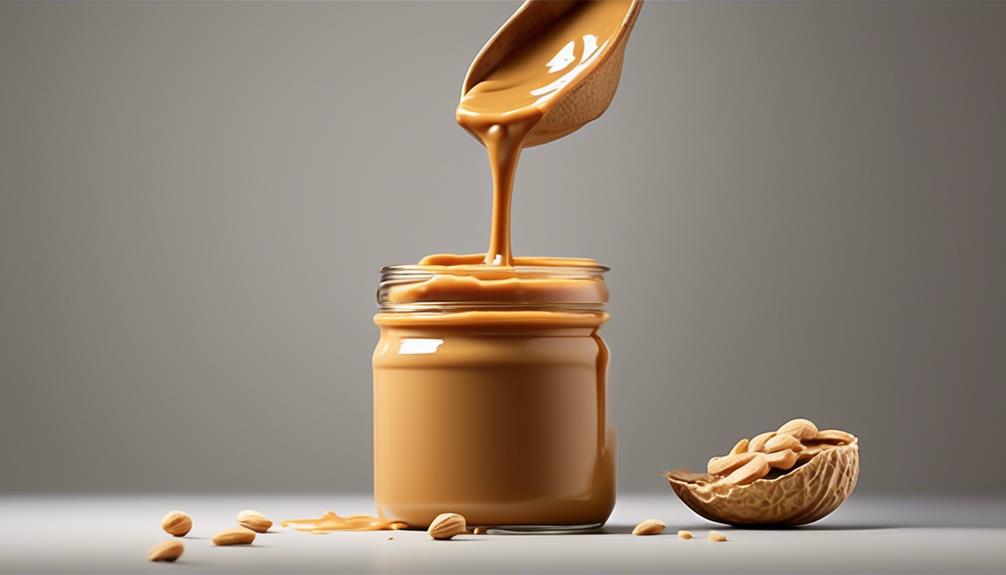
Natural peanut butter separates because it contains only natural oils and minimal additives, unlike commercial versions. This separation occurs because the healthy fats in peanuts naturally rise to the top over time, creating a visible layer of oil. Since ingredient purity is a hallmark of natural peanut butter, it lacks stabilizers or emulsifiers that keep oils evenly distributed. Rest assured, this separation isn’t a sign of spoilage or poor quality; it’s a natural process rooted in the product’s simplicity. When you see oil on top, just give the jar a stir to reincorporate the oil into the peanut butter. The presence of healthy fats and absence of artificial ingredients make natural peanut butter a nutritious choice, and separation simply highlights its authentic, pure composition. This process is a sign of the product’s ingredient purity], making it a healthier option compared to stabilized alternatives.

ZERNEIL Peanut Butter Maker Machine Nut Butter Machine 110V 1100W Electric Grain Grinder Peanut Butter Maker - 33lb/h Sesame Sauce Grinder Home/Commercial for Groundnut, Almond, Cashew Nut and Sesame
🧉【Grinding Assistant】: The 1100W pure copper motor, 2850r/min, and the white jade just grinding wheel used can grind...
As an affiliate, we earn on qualifying purchases.
Which Ingredients in Natural Peanut Butter Cause Oil Separation?
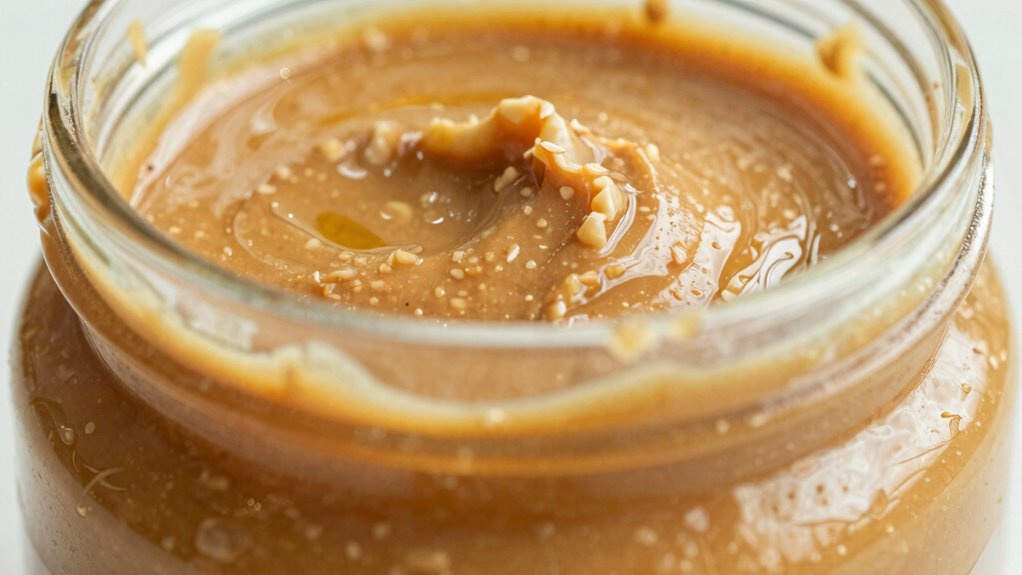
The primary ingredients responsible for oil separation in natural peanut butter are simply ground peanuts and their natural oils. High oil content is a natural characteristic of pure peanuts, which means the oil naturally rises to the top over time. Since natural peanut butter contains minimal additives, ingredient purity is high, allowing the oils to separate more visibly. Unlike processed versions with stabilizers, pure peanut butter relies solely on the peanuts’ inherent composition. The oil separation occurs because no emulsifiers are present to keep the oils suspended uniformly. This separation isn’t a sign of spoilage but a natural result of the high oil content and ingredient purity. Natural oil behavior is also influenced by storage conditions, which can accelerate or slow down the separation process. Understanding this helps you appreciate why natural peanut butter behaves differently from store-bought varieties. Wave and wind can also influence the movement and separation of oils in natural peanut butter during storage or transportation. Additionally, chemical composition impacts how quickly and extensively the oils separate over time. Recognizing the natural separation process can help you better store and enjoy your peanut butter without concern, especially since molecular interactions play a role in how the oils behave once separated.
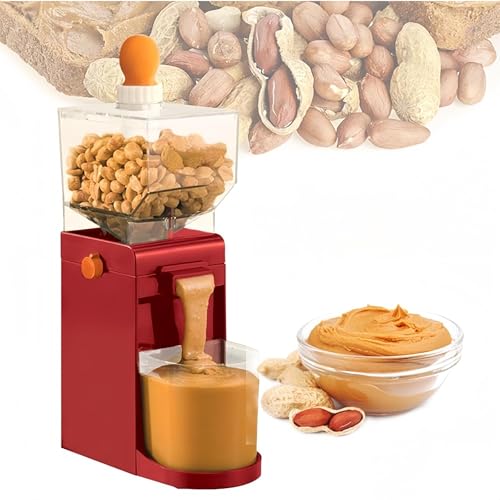
Electric Peanut Butter Maker Machine, Nut Butter Grinder for Almond Cashew Sesame, Large-Capacity Grain Grinder, Home & Commercial Nut Processor with Non-Slip Base
【Fresh Homemade Nut Butter】Ideal for peanuts, almonds, cashews, hazelnuts, seeds, grains—create smooth or chunky spreads for home kitchens...
As an affiliate, we earn on qualifying purchases.
Does Separation Mean My Natural Peanut Butter Is Spoiled or Still Fresh?
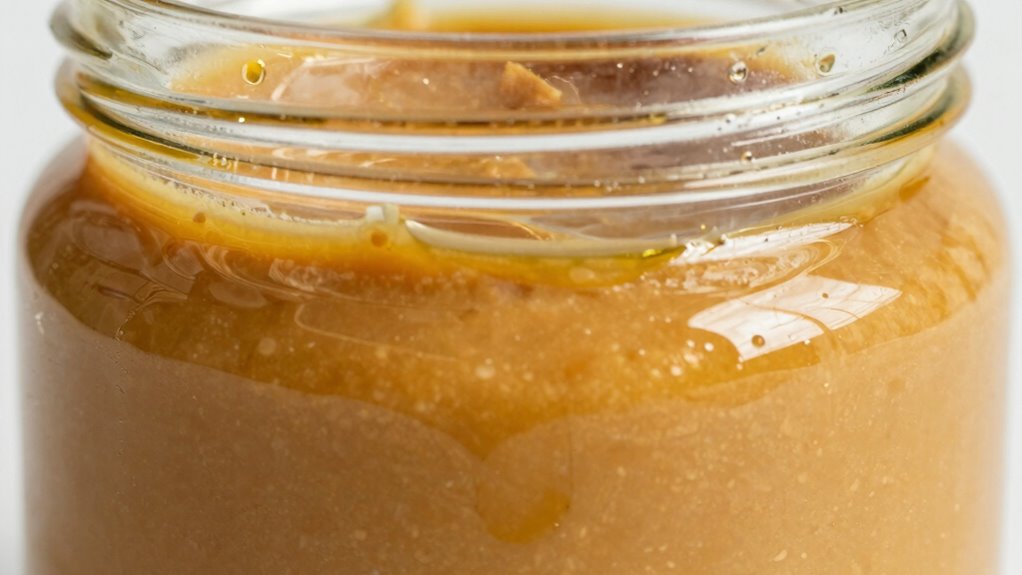
If your natural peanut butter separates, it’s usually a sign of freshness, not spoilage. Check the oil layer and look for any off smells or discoloration to confirm. Remember, natural separation is normal and doesn’t mean it’s gone bad. Additionally, understanding grocery savings strategies can help you choose quality products like natural peanut butter without overspending. Being aware of European cloud innovation can also inspire you to explore sustainable and secure food storage solutions that align with eco-friendly practices. Proper storage methods can further extend freshness and preserve flavor, especially when incorporating farmhouse-inspired storage ideas to keep your pantry organized and charming. Also, considering the learning opportunities in aviation related to proper storage and organization can provide useful insights for maintaining your pantry efficiently.
Oil Separation Is Natural
When your natural peanut butter separates and a layer of oil rises to the top, it’s a completely normal process, not a sign that the product has gone bad. Oil separation is a natural process in minimally processed peanut butters because they contain little or no stabilizers. The oil naturally floats to the top due to its lower density. This doesn’t mean the peanut butter is spoiled; instead, it indicates freshness and minimal additives. To enjoy it, just give the jar a good stir to reincorporate the oil. This simple step restores the texture and makes the peanut butter easy to spread again. Remember, oil separation is a sign of natural ingredients, not spoilage, so it’s perfectly okay to see it happen. Reliable road evidence and clear documentation are just like properly mixed peanut butter — essential for a smooth experience. Additionally, understanding how outdoor kitchen essentials work can help you better appreciate the natural qualities of your food. Recognizing natural processes like food preservation methods can also provide insight into why your peanut butter behaves as it does. For instance, knowing that natural ingredient properties influence product behavior can help you feel more confident in your food choices.
Color and Smell Indicators
Ever wonder if your natural peanut butter has gone bad just because it looks or smells different? Color clues and smell cues are key indicators of freshness. If the oil has caused the mixture to darken or develop a dull hue, it’s usually still good—separation is natural. However, if you notice a greenish tint or mold, it’s time to toss it. Smell cues are just as telling: a fresh jar smells nutty and earthy, while a sour or rancid odor signals spoilage. Recognizing oil separation as a natural process can reassure you that your peanut butter is still good, provided other indicators remain positive. Being aware of natural oil separation helps you understand that this is a typical characteristic of the product, not necessarily an indication of spoilage. Understanding product spoilage signs can further guide you in assessing freshness and avoiding waste. Additionally, understanding proper storage practices can help prolong the freshness of your natural peanut butter. Trust these indicators to determine if your natural peanut butter remains fresh or has spoiled.

Peanut Butter Maker, Nut Butter Machine, 2025 New Electric Nut Butter Maker Machine, Electric Sesame Sauce Nut Grinder with Non-Slip Base Entry, Easy Install Easy to Use,Grinder
Our peanut nut grinder lets you easily grind a variety of nuts and seeds to make smooth.
As an affiliate, we earn on qualifying purchases.
How Should You Store Natural Peanut Butter to Keep It Fresh and Manage Separation?
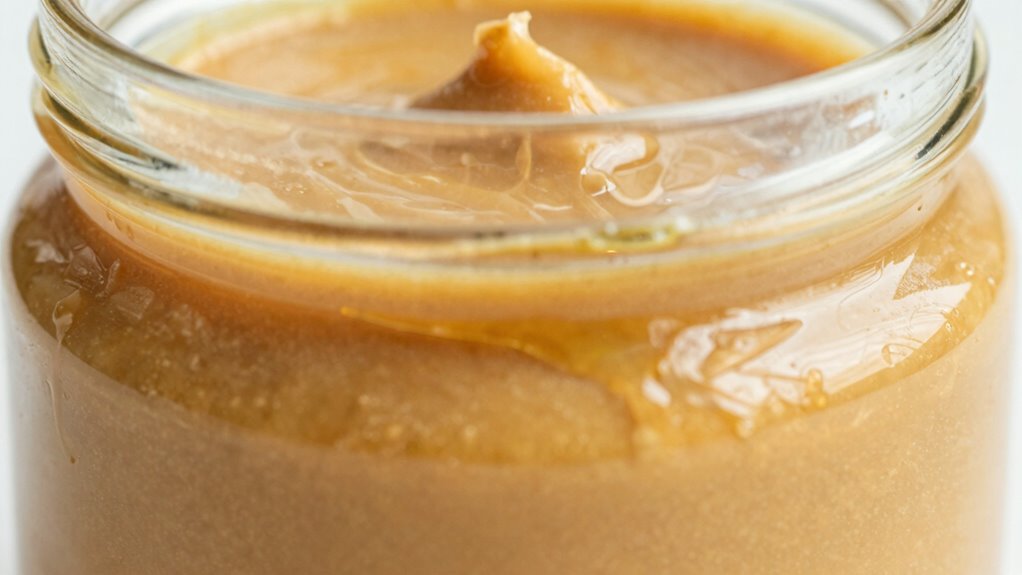
To keep your natural peanut butter fresh and control separation, store it in an airtight container to prevent exposure to air and moisture. Refrigerating it can extend its shelf life, but remember to stir it well before each use to mix any oil that has separated. Proper storage makes it easier to enjoy your peanut butter without spoilage or mess. Additionally, understanding smartphone accessories can help you choose the best storage options, ensuring your peanut butter remains fresh longer. For example, using airtight containers designed for food storage can further help maintain freshness and prevent oil separation. Incorporating free floating storage techniques can also help keep the texture consistent and prevent settling. Recognizing operational resilience in storage environments can guide you in optimizing conditions like temperature to preserve quality. Being aware of home energy strategies can also provide insights into optimal storage environments, like temperature control, for your peanut butter.
Store in Airtight Container
Storing natural peanut butter in an airtight container helps preserve its freshness and minimizes separation. Proper airtight storage prevents exposure to air, which can cause oils to break down and go rancid. It also aids in moisture control, keeping the peanut butter from drying out or becoming overly oily. When you choose a container, imagine a snug seal that locks in freshness and maintains texture.
- A container with a tight-fitting lid that forms a complete seal
- A jar made of glass or durable plastic to avoid odors
- A storage space away from heat or direct sunlight
These measures keep moisture out and oil in, helping your peanut butter stay fresh and manageable longer, reducing the need for frequent stirring or re-blending.
Refrigerate to Extend Freshness
Refrigerating natural peanut butter can help extend its freshness and reduce the frequency of separation. When stored in the fridge, the natural oils are less likely to rise to the top quickly, helping maintain a consistent peanut butter texture. Cold temperatures slow down the natural oil separation process, so your peanut butter stays creamier longer. Keep the jar tightly sealed to prevent moisture and other odors from affecting the flavor. While refrigeration can make the peanut butter thicker and harder to spread, it effectively preserves freshness and minimizes natural oil separation. If you prefer a softer consistency, you can let it sit at room temperature for a few minutes before use. Overall, refrigeration is a smart way to keep your natural peanut butter fresh and manage separation over time.
Stir Before Use
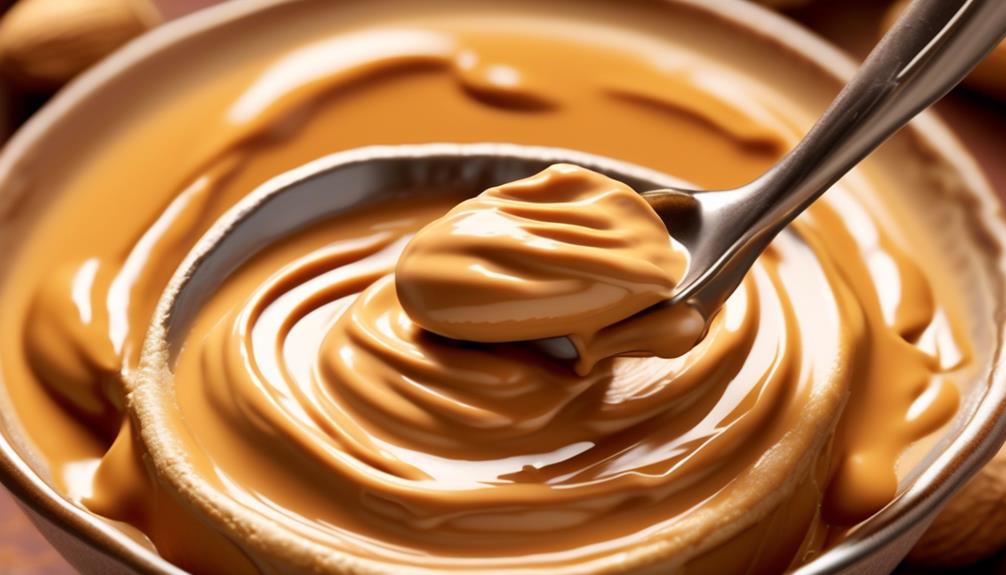
When natural peanut butter separates, the oil rises to the top and creates a layer that can be difficult to mix back in. To maintain a consistent nut butter consistency and ingredient stability, you should stir it thoroughly before each use. Picture the creamy oil swirling into the dense nut paste, restoring a smooth, uniform texture. Use a sturdy spatula or butter knife to mix, ensuring you reach the bottom of the jar. Imagine:
- Swirling the oil back into the thick paste
- Achieving a silky, even consistency
- Restoring the natural flavor and texture
Stirring helps prevent uneven separation and keeps your peanut butter fresh and enjoyable. Regularly mixing preserves the ingredient stability, so every spoonful has the same rich taste and creamy feel.
Can You Prevent or Minimize Separation Without Stabilizers?
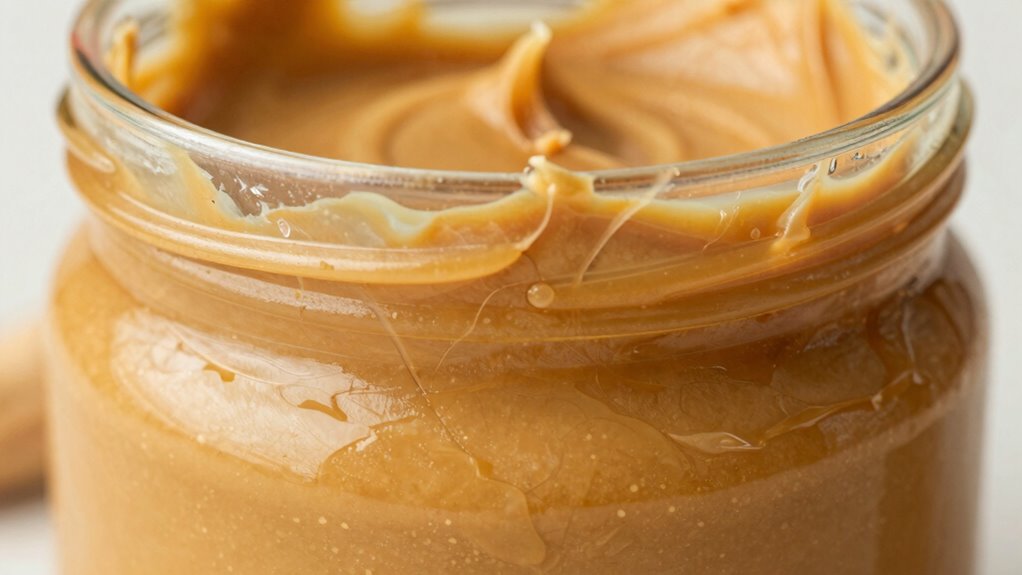
While natural peanut butter tends to separate over time, there are ways to reduce or delay this process without adding stabilizers. To improve ingredient stability, store your jar in a cool, consistent temperature environment, avoiding heat that causes the natural oil to rise quickly. Keep the lid tightly sealed to prevent air exposure, which can accelerate separation. Some people suggest stirring the natural oil back into the peanut butter regularly, helping maintain a uniform consistency. Additionally, choosing peanut butters with minimal ingredients—mainly just peanuts and maybe salt—can help slow separation because fewer additives or emulsifiers interfere with natural oil separation. While you can’t eliminate separation entirely, these practices can considerably prolong the period before you need to stir or re-mix your natural peanut butter.
What’s the Best Way to Mix Natural Peanut Butter Before Using It?
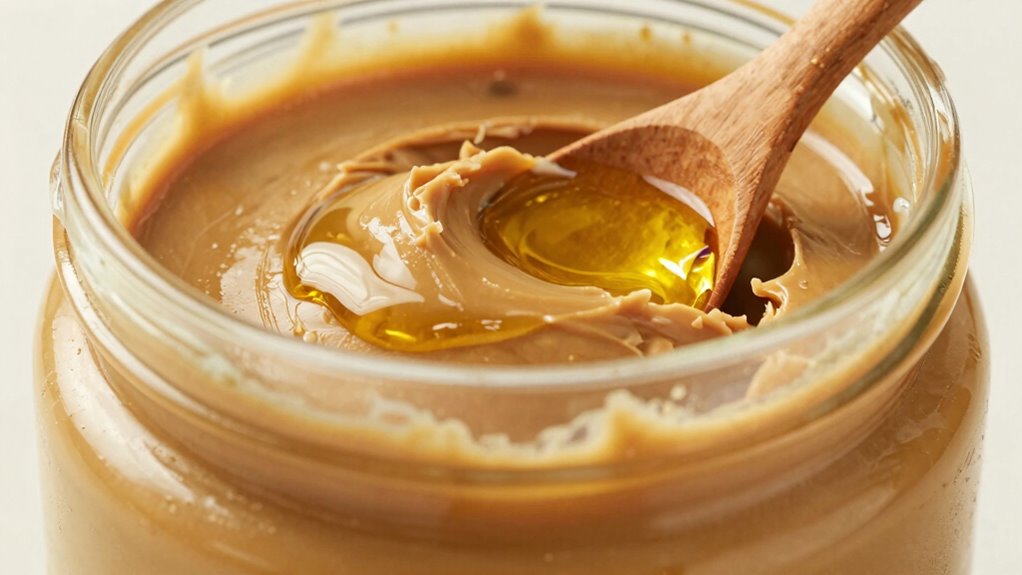
To guarantee your natural peanut butter is evenly mixed before using it, start by giving the jar a thorough stir. Proper mixing techniques help reincorporate the oil that separates, ensuring a smooth consistency. You can stir with a spoon or butter knife, turning the jar upside down briefly for easier access. For a more thorough mix, use a small whisk or a sturdy fork to blend the oil back into the solids. Picture the peanut butter transforming from a thick, separated layer to a creamy, uniform spread. Visualize:
- Swirling the jar gently in a circular motion
- Running your utensil along the sides to gather unmixed parts
- Rotating the jar to distribute oil evenly throughout
This quick process makes your peanut butter ideal for spreading and tasting, with the right balance of ingredients.
Are There Common Myths About Natural Peanut Butter Separation?
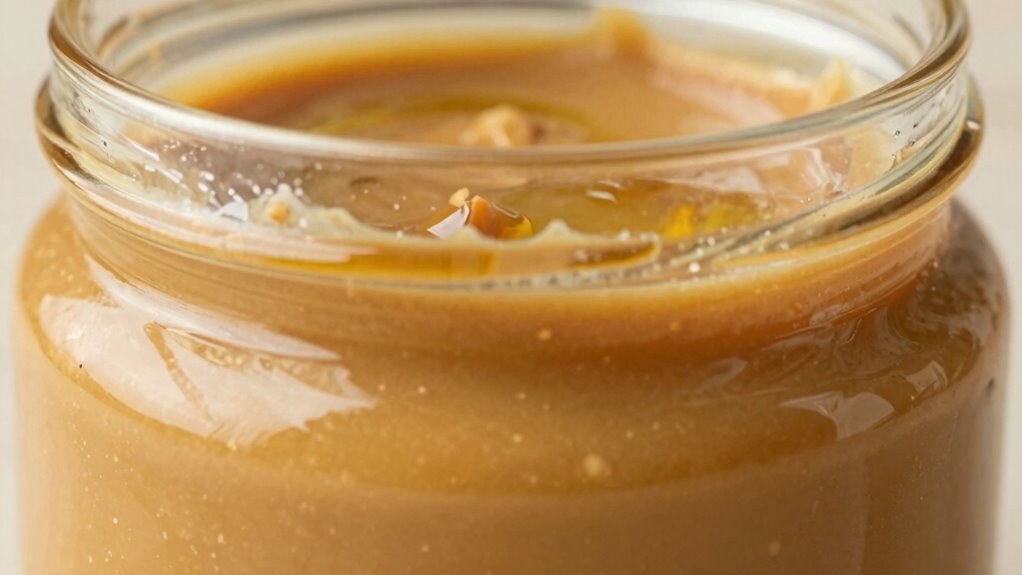
Many people believe that natural peanut butter should never separate or that separation indicates spoilage. This is a common natural peanut butter myth rooted in confusion about the product’s composition. Separation misconceptions often lead folks to toss out jars prematurely, thinking they’re no longer good. In reality, natural peanut butter contains only nuts and oil, so the oil naturally rises to the top over time. This isn’t an indication of spoilage but a sign of its freshness and natural ingredients. Understanding these natural peanut butter myths helps you avoid unnecessary waste. Instead of worrying about separation, recognize it as a normal process. Proper mixing restores the creamy texture, proving that separation isn’t a problem—it’s just part of how natural peanut butter behaves.
How Can You Tell If Your Natural Peanut Butter Is Still Good?
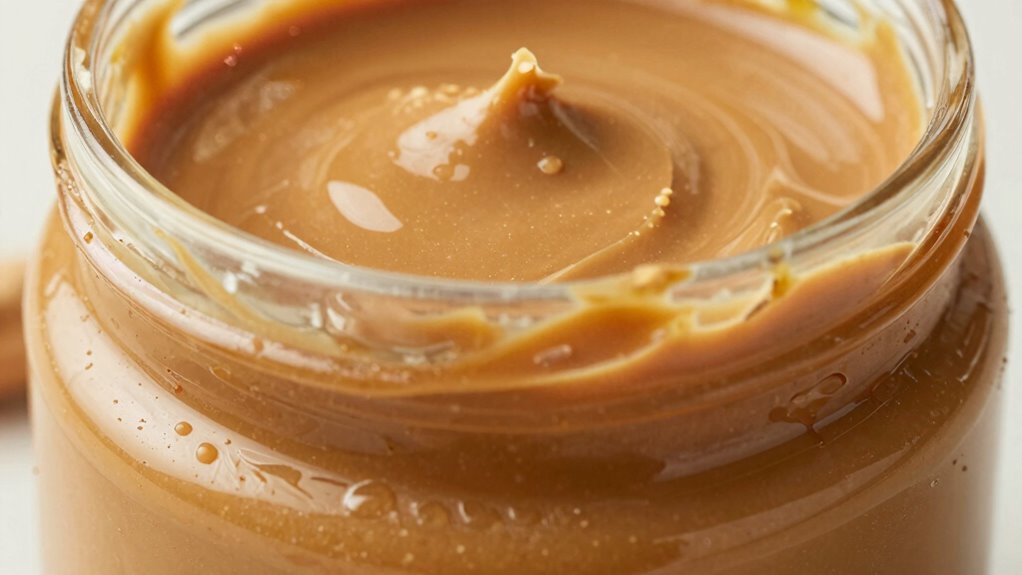
You can tell your natural peanut butter is still good by checking its smell, appearance, and texture. Fresh natural peanut butter should have a nutty aroma without a sour or rancid smell. Visually, it should look uniform with some natural oil separation, but no mold or discoloration. The texture should be creamy or slightly chunky, not overly greasy or dry. To assess if it’s still safe, consider its storage methods; proper refrigeration helps preserve healthy fats and prevent spoilage. Look for signs like:
- A sour or rancid odor
- Visible mold or discoloration
- Excessive separation or a watery layer
If these appear, it’s best to discard it. When stored correctly, natural peanut butter can last several months and maintain its quality and health benefits.
Frequently Asked Questions
Does Natural Peanut Butter Separation Affect Its Nutritional Value?
Separation in natural peanut butter doesn’t affect its nutritional impact, as the oil content remains the same. When the oils separate, it simply means the natural fats are rising to the top, which is normal. You can stir the oil back in to restore consistency without losing any nutrients. So, don’t worry—this separation doesn’t diminish the peanut butter’s nutritional value; it’s just a natural part of the product.
Can Natural Peanut Butter Separation Cause Allergic Reactions?
Separation in natural peanut butter doesn’t directly cause allergic responses, but it can pose problems if you don’t recognize it. If you’re sensitive to peanuts, consuming peanut butter—even separated, natural kinds—might trigger immune reactions. Always check for any added ingredients or signs of spoilage before eating. By being cautious, you can avoid accidental allergic responses and enjoy your peanut butter safely, separation or not.
How Long Does Natural Peanut Butter Typically Take to Separate?
Natural peanut butter typically takes about 1 to 3 weeks to experience oil separation, depending on storage conditions. During this time, oil naturally rises to the top due to ingredient stability factors. You might notice this separation more quickly if it’s stored in a warm environment or if it’s shaken frequently. To maintain consistency, simply stir the oil back in before using, and understand that separation is a normal part of natural peanut butter.
Is It Possible to Prevent Separation Without Refrigeration?
Like a master chef avoiding a split sauce, you can prevent separation without refrigeration by using stabilizer alternatives such as chia seeds or palm oil. Store your natural peanut butter in a cool, consistent environment, and stir thoroughly before each use to maintain consistency. Proper storage techniques help keep the oils integrated, reducing separation. While no method is foolproof, these tips considerably delay the natural separation process, ensuring smoother, more enjoyable spreads.
Are There Specific Brands Known for Less Separation?
You’ll find that some brands, like Smucker’s Natural or Adam’s, are known for less separation due to their consistent ingredient variations and quality control. These brands often maintain better brand consistency, reducing oil separation over time. Look for options with minimal added stabilizers, as they tend to stay mixed longer without refrigeration. Choosing reputable brands with a history of quality helps you enjoy smoother, less separated natural peanut butter.
Conclusion
Just like the tides, natural peanut butter’s separation is a natural cycle, not a sign of spoilage. Embrace this gentle reminder that nature’s processes can’t always be controlled, only understood. With proper storage and mixing, you keep the essence of freshness alive—proof that sometimes, the most authentic things require a little patience. Remember, in the dance of life and food, it’s the balance that reveals true harmony.